
Understanding the precise time in California is more than just knowing a numerical value on a clock face; it’s the gateway to unlocking an extraordinary tapestry of travel experiences, meticulous planning, and seamless immersion into the Golden State’s vibrant lifestyle. For travelers embarking on a journey to the United States’ most populous state, grappling with time zone differences is often the first logistical hurdle. Yet, this seemingly simple question opens up a world of possibilities, influencing everything from flight schedules and hotel check-ins to dining reservations, guided tours, and even how you experience California’s iconic sunrises and sunsets. Whether you’re a seasoned globetrotter or planning your first adventure, a clear grasp of California’s time zone is fundamental to maximizing your trip and ensuring every moment counts.
California is a land of diverse landscapes and endless opportunities, stretching from the rugged coastline and majestic redwood forests of Northern California to the sun-drenched beaches and sprawling metropolises of Southern California. It’s a destination that caters to every whim, offering everything from adrenaline-pumping outdoor activities and world-class theme parks to serene wine-tasting tours and luxurious spa retreats. The magic of California lies not just in its famous landmarks like the Golden Gate Bridge or the Hollywood Sign, but in its ability to offer a myriad of unique experiences, each enhanced by thoughtful timing and preparation. From the moment you begin envisioning your itinerary, understanding the local time becomes a critical component in orchestrating a truly unforgettable journey. This article will delve into California’s time zone intricacies, explore its impact on your travel plans, and guide you through how to best synchronize your visit with the Golden State’s rhythm, covering everything from accommodation and attractions to local culture and lifestyle.
Understanding California’s Time Zone: More Than Just a Number
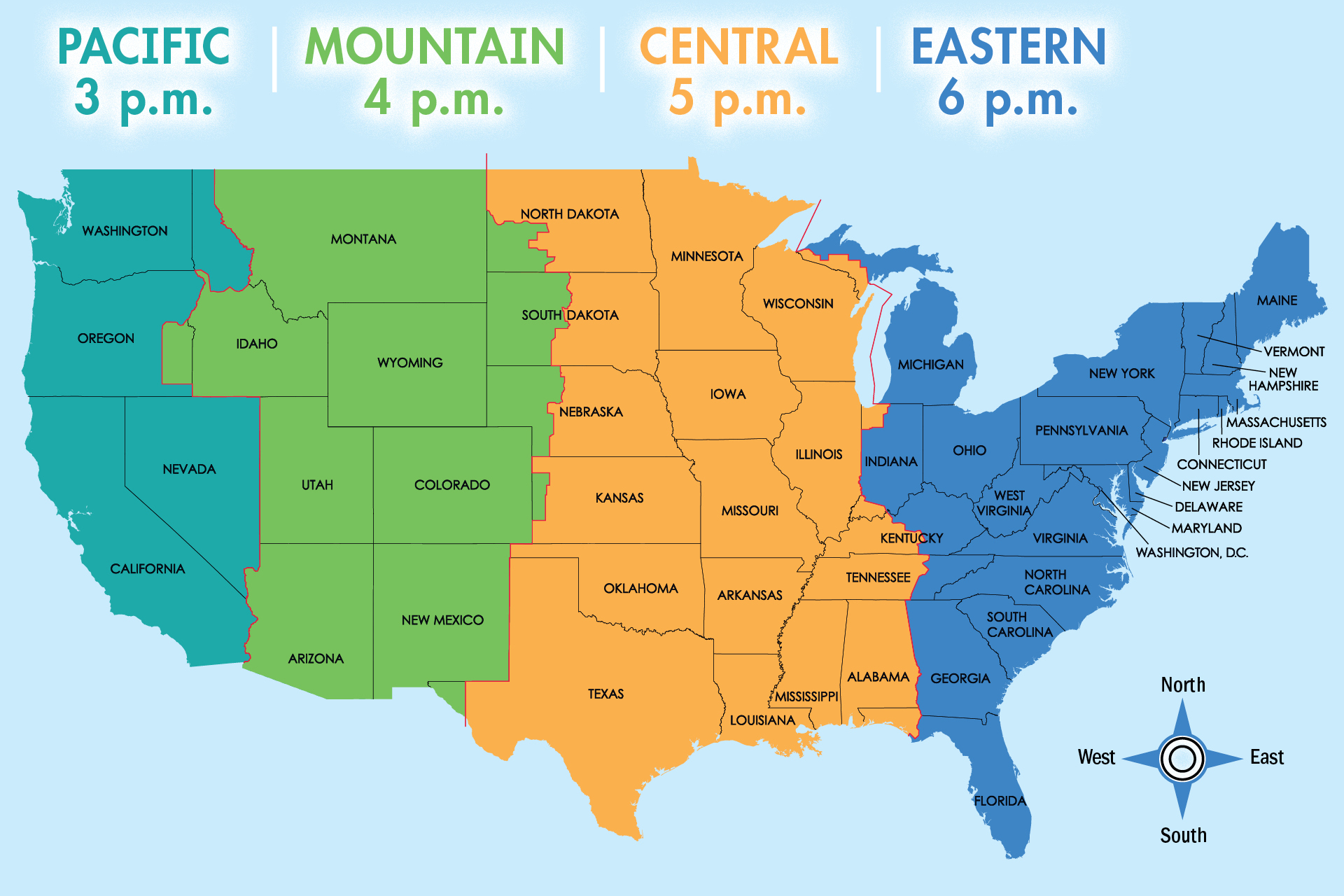
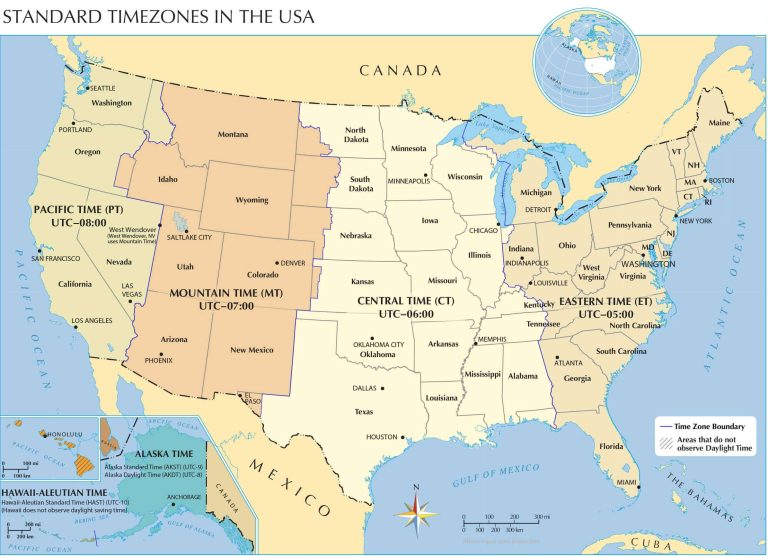
At its core, “What time is it in California?” refers to the specific standard time observed throughout the state. California uniformly observes the Pacific Time Zone. However, this isn’t a static designation throughout the year, as daylight saving rules come into play.
Pacific Standard Time vs. Pacific Daylight Time
For roughly half the year, from early November to mid-March, California operates on Pacific Standard Time (PST). This is universally denoted as UTC-8, meaning it is eight hours behind Coordinated Universal Time. During these months, mornings are brighter earlier, and evenings draw in sooner. This period often coincides with winter sports seasons in the Sierra Nevada mountains and provides cooler, crisper weather for exploring urban centers or desert landscapes.
Come mid-March, the clocks “spring forward” one hour, ushering in Pacific Daylight Time (PDT). This shifts the time to UTC-7, making California seven hours behind UTC. PDT lasts until early November, providing extended daylight in the evenings, which is perfect for outdoor activities, late-night dining, and enjoying spectacular California sunsets. This change is particularly noticeable for those traveling from time zones further east, as the time difference effectively shrinks by an hour relative to UTC, or expands by an hour relative to zones like Eastern Time.
The Impact on Your California Travel Plans
Understanding this seasonal shift is crucial for meticulous travel planning. If you’re flying from the East Coast of the United States or even Europe, managing jet lag becomes a primary concern. The initial hours upon arrival can feel disorienting, and planning your first day with lighter activities can aid acclimatization. For instance, arriving in Los Angeles from New York City means a three-hour time difference. A flight landing at 3 PM Pacific Time would feel like 6 PM to your body, potentially impacting your energy levels for an evening check-in or dinner reservation.
Accurate time knowledge is also indispensable for coordinating with tour operators, making restaurant bookings, or ensuring you don’t miss a flight connection. Imagine planning a visit to Disneyland Park in Anaheim, or a show in San Francisco’s theater district. Missing the correct time by even an hour could mean lost tickets, missed experiences, and unnecessary stress. Hotels, car rentals, and attraction operating hours are all strictly governed by local California time. Therefore, always double-check your arrival and departure times, as well as the opening hours of specific attractions, in relation to PST or PDT, depending on the time of year. Online tools and smartphone applications can be invaluable for quickly converting times and setting reminders, ensuring you stay perfectly synchronized with California’s clock.
Planning Your Golden State Adventure: Time-Sensitive Experiences
California’s vastness means that your timing isn’t just about the clock; it’s about optimizing your itinerary to make the most of diverse geographical offerings and cultural events. The Golden State offers an unparalleled array of destinations, each with its own rhythm and appeal.
From Sunrise Hikes to Sunset Beaches
The interplay of time and geography in California creates a spectrum of experiences. Imagine catching the first rays of dawn painting the granite peaks of Yosemite National Park or the rugged terrain of Joshua Tree National Park. These moments require early starts, often before 6 AM local time, to truly appreciate the tranquility and dramatic lighting. Hikers aiming to conquer trails in the Santa Monica Mountains or ascend to the Hollywood Sign will find cooler temperatures and fewer crowds in the early mornings.
Conversely, California’s famous sunsets are an event in themselves. Whether it’s watching the sky explode in color over the Pacific Ocean from Malibu or Laguna Beach, or seeing the city lights of San Francisco sparkle as dusk settles over the Golden Gate Bridge, these experiences are inherently time-bound. Knowing the sunset time – which varies significantly between summer (as late as 8 PM PDT) and winter (as early as 4:30 PM PST) – allows you to perfectly time your beach visits, scenic drives along Highway 1, or rooftop bar reservations. Many popular spots like Griffith Observatory in Los Angeles or Ferry Building Marketplace in San Francisco offer prime sunset viewing opportunities and can get crowded, making early arrival key.
Navigating California’s Diverse Regions
Effective time management becomes even more pronounced when traversing California’s diverse regions. A road trip from the vineyards of Napa Valley to the beaches of San Diego could involve over 800 miles of driving. While the time zone remains consistent, the optimal time to travel between destinations and experience local attractions can differ dramatically.
In Napa Valley and Sonoma County, many wineries open for tastings mid-morning and close in the late afternoon. Scheduling your visits effectively means enjoying the experience without rushing. Further south, in cities like Los Angeles or San Diego, peak traffic hours can significantly extend travel times, turning a 30-minute drive into an hour or more. Utilizing navigation apps that account for real-time traffic is essential, but also planning your movements around non-peak hours (typically avoiding 7-10 AM and 4-7 PM on weekdays) can save precious vacation time.
For those venturing into natural wonders like Sequoia National Park or along the dramatic coastline of Big Sur, sunrise and sunset offer the most spectacular lighting for photography and a more serene experience. Checking park operating hours, trail conditions, and sunrise/sunset times is paramount for a safe and rewarding exploration. Even something as simple as booking a whale-watching tour from Monterey Bay or a surf lesson in Huntington Beach requires adherence to specific local times, which are all predicated on the accurate California clock.
Beyond the Clock: Immersive California Lifestyles and Accommodations
While time zones provide the logistical framework, the true essence of “What time is it in California?” extends to the rhythm of life, the local culture, and the myriad accommodation options that cater to every traveler’s preference and pace. Synchronizing with the local pulse allows for a deeper, more authentic experience.
Curating Your Stay: Hotels, Resorts, and Unique Accommodations
Your choice of accommodation plays a pivotal role in how you experience time in California. From luxury resorts in Beverly Hills to charming boutique hotels in Carmel-by-the-Sea, and family-friendly apartments in Orlando-like Anaheim, each offers a distinct schedule and atmosphere. High-end establishments like the Ritz-Carlton Laguna Niguel or the Waldorf Astoria Beverly Hills often provide extensive amenities and services available around the clock, catering to international travelers who might still be adjusting to the time difference. They often have concierge services ready to assist with late-night cravings or early-morning departures.
For those seeking a more budget-conscious or long-term stay, serviced apartments or vacation rentals offer the flexibility to set your own schedule, from cooking late-night meals to doing laundry at odd hours. Platforms for booking these accommodations, such as those that compare prices from Booking.com or Expedia, often show availability and check-in/check-out times in local California time. Always confirm these details to avoid unexpected delays or fees.
Unique accommodations, such as glamping sites near Big Sur or historic inns in Gold Rush towns like Nevada City, often have stricter operating hours for their reception, dining, or communal facilities. Understanding their schedule, in relation to your arrival time and daily plans, is essential for a smooth experience. Early birds might enjoy the quiet solitude of a mountain cabin, while night owls might prefer a vibrant urban hotel with 24/7 dining options.
Embracing Local Culture and Experiences
Beyond the mechanics of time zones, “What time is it in California?” also prompts us to consider the state’s diverse lifestyle and cultural rhythms. California is a melting pot of cultures, and its cities and towns each have their own heartbeat. In San Francisco, mornings might involve artisanal coffee shops opening early, followed by bustling tech offices and vibrant lunch spots. Evenings could lead to world-class theater performances, innovative culinary experiences in Mission District, or jazz clubs in North Beach.
In Los Angeles, the day often starts with early morning fitness routines, from beach yoga in Santa Monica to hikes in Runyon Canyon. The entertainment industry dictates a fast-paced environment, but there’s always time for leisurely brunches, browsing boutiques on Rodeo Drive, or catching a live music show. San Diego, known for its laid-back vibe, might see visitors enjoying early surf sessions, exploring Balboa Park during cooler morning hours, and enjoying craft beers in Gaslamp Quarter as the sun sets.
Even California’s food scene is time-sensitive. From farmer’s markets that open bright and early, offering the freshest local produce, to food trucks that pop up for lunch rushes, and Michelin-starred restaurants requiring reservations months in advance, local time governs access to these culinary delights. Engaging with local events, such as street festivals in Old Town Sacramento or film screenings in Palm Springs, also means aligning with their scheduled times.
In essence, answering the question “What time is it in California?” is the foundational step in meticulously planning a fulfilling trip. It’s about more than just setting your watch; it’s about harmonizing your personal rhythm with the dynamic pulse of the Golden State. By understanding Pacific Standard Time and Pacific Daylight Time, strategically planning your days around sunrise and sunset, and immersing yourself in the timed events and unique accommodations, you can unlock a deeper, richer, and ultimately more enjoyable California experience, ensuring every precious moment of your journey is savored to the fullest.