
The phrase “contained in California” when referring to a wildfire evokes a complex and often grim reality. It speaks not just to the geographical boundaries of a blaze, but to the intricate web of factors that determine its impact on the state’s diverse landscapes, communities, and economy. Understanding the containment of wildfires in California is crucial for appreciating the state’s ongoing battle with these natural disasters and the monumental efforts undertaken to mitigate their destructive potential.
The Anatomy of Wildfire Containment
Wildfire containment isn’t a simple binary state of “burned” or “unburned.” It’s a dynamic process measured by the percentage of a fire’s perimeter that has been secured by fire suppression efforts. This secured perimeter prevents the fire from spreading further into unburned areas. The ultimate goal is 100% containment, at which point the fire is considered controlled and will eventually burn itself out. However, achieving this goal is a formidable challenge, especially in a state as vast and varied as California.
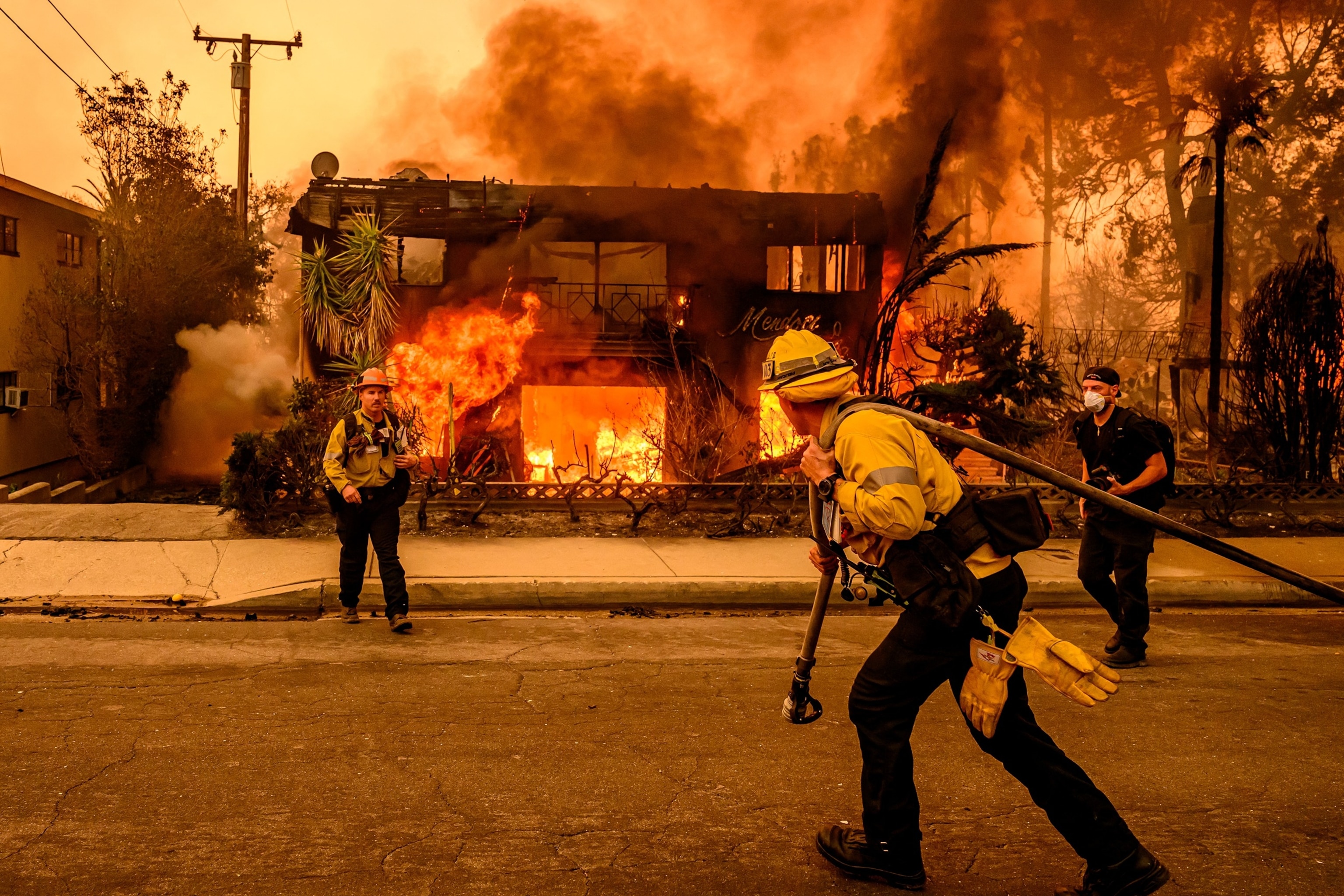
Defining Containment Metrics
The reporting of wildfire containment is a standardized process within the firefighting community. When a fire is declared 10%, 50%, or 90% contained, it means that that percentage of the fire’s total perimeter has been established as a control line. These control lines are typically created by clearing vegetation, digging firebreaks, or utilizing natural barriers like rivers and roads.
- Perimeter: This refers to the outer edge of the actively burning area. It’s not a fixed line and can change rapidly as the fire front moves.
- Control Line: This is a strategic line or barrier where suppression efforts are concentrated. It can be a dozer line, hand line, road, or natural feature.
- Containment Percentage: This metric indicates the proportion of the fire’s perimeter that is secured by control lines and is no longer expected to spread.
The percentage of containment directly influences the level of resources deployed and the perceived threat to surrounding areas. A fire at 0% containment is considered uncontrolled and poses the highest risk. As containment increases, the immediate threat may diminish, but the danger of spot fires or slopovers (where fire jumps the control line) remains.
Factors Influencing Containment
Several critical factors dictate how effectively a wildfire can be contained in California:
- Fuel Load: The amount and type of vegetation available to burn are primary drivers. Dense, dry brush, chaparral, and coniferous forests provide ample fuel for rapid fire spread, making containment difficult.
- Weather Conditions: Wind speed and direction are perhaps the most significant variables. High winds can push flames across vast distances, creating new spot fires ahead of the main fire and making it impossible to establish effective control lines. Low humidity and high temperatures exacerbate fire behavior.
- Topography: Steep, rugged terrain can accelerate fire spread uphill and make it hazardous for firefighters to work. Conversely, natural barriers like canyons and rock slides can sometimes aid containment efforts.
- Resource Availability: The number of firefighters, engines, aircraft (such as air tankers and helicopters), and specialized equipment deployed directly impacts the speed and effectiveness of suppression operations. Large, complex fires often require resources from multiple agencies and even other states.
- Accessibility: Remote areas with limited road access pose significant challenges for getting resources to the fire line quickly and safely.
California’s Unique Wildfire Landscape
California’s geography, climate, and historical land management practices have created a unique and volatile environment for wildfires. The state’s Mediterranean climate, characterized by hot, dry summers and mild, wet winters, leads to prolonged periods of drought that dry out vegetation, creating tinderbox conditions.
The Interplay of Geography and Climate
From the coastal mountains to the Sierra Nevada, California’s diverse topography interacts with its climate to influence fire behavior.
- Southern California: Known for its chaparral ecosystems, which are adapted to fire and can regenerate rapidly. However, these fuels are highly flammable and can burn with extreme intensity, especially during Santa Ana wind events. The urban-wildland interface, where homes and infrastructure encroach on natural areas, is a significant concern.
- Northern California: Features vast expanses of coniferous forests in areas like the Sierra Nevada and the Klamath Mountains. These forests can accumulate significant fuel loads over time, leading to large, high-intensity fires when ignition occurs. The drier northern regions, especially during prolonged drought, are also susceptible.
- Coastal Regions: While often perceived as cooler and moister, coastal areas can still experience significant fire risk, particularly during dry periods and offshore winds.
Human Influence and Land Management
Human activities have profoundly impacted California’s wildfire regimes. Decades of fire suppression have led to the unnatural buildup of fuels in many forested areas. Conversely, land use changes, including urbanization and agriculture, have altered landscapes and increased the likelihood of human-caused ignitions.

- Urban-Wildland Interface (WUI): This is a critical zone where development meets or intermingles with wildlands. Many of California’s largest and most destructive fires occur in the WUI, posing immense risks to lives and property. Communities like Paradise, which was devastated by the Camp Fire, are stark reminders of this vulnerability.
- Ignition Sources: While lightning is a natural ignition source, human activities account for the vast majority of wildfires. These include unattended campfires, discarded cigarettes, equipment malfunctions, and arson. Electrical transmission lines have also been identified as a significant cause of some of the state’s most devastating fires, leading to increased scrutiny and investment in grid hardening by utility companies like Pacific Gas and Electric Company (PG&E).
Measuring the “Contained” Impact
The question “How much of the fire is contained in California?” can be interpreted in multiple ways, extending beyond the immediate containment percentage of a specific blaze. It can refer to the state’s capacity to manage these fires, the proportion of its land affected by fire, and the long-term consequences for its environment and economy.
The Scale of Suppression Efforts
When a major wildfire erupts in California, the scale of the response is often staggering. Thousands of firefighters, hundreds of aircraft, and a vast array of ground equipment are mobilized. These suppression efforts aim to protect lives, homes, and critical infrastructure. The containment of these fires is a testament to the dedication and expertise of these individuals and the sophisticated logistics involved.
- Interagency Collaboration: Wildfire suppression in California is a highly coordinated effort involving federal agencies like the U.S. Forest Service and the Bureau of Land Management, state agencies such as Cal Fire, and numerous local fire departments. This collaboration is essential for pooling resources and expertise.
- Technological Advancements: Modern firefighting employs advanced technologies, including GPS tracking, satellite imagery for fire mapping, and sophisticated weather forecasting models, all of which aid in strategic planning and containment efforts.
The Enduring Footprint of Wildfire
Even when a fire is fully contained, its impact lingers. The acreage burned, the ecosystems altered, and the carbon released into the atmosphere are all measures of the fire’s footprint.
- Acreage Burned: This is a primary metric used to gauge the size and severity of a wildfire. California has seen significant increases in the annual acreage burned in recent decades, a trend often attributed to climate change and fuel accumulation.
- Ecological Impacts: Fires can have profound effects on biodiversity. While some ecosystems are fire-adapted and benefit from periodic burns, the intensity and frequency of recent fires can overwhelm natural recovery processes, leading to long-term ecological damage. This can affect sensitive habitats and the species that depend on them.
- Economic Ramifications: The economic cost of wildfires in California is immense. This includes the cost of suppression, property damage, lost timber, impacts on tourism and recreation, and increased insurance premiums. The recovery and rebuilding process for affected communities can take years and involve billions of dollars.
The Path Towards Greater Resilience
The challenge of wildfire containment in California is not just about fighting fires but about building resilience. This involves a multi-faceted approach that addresses the root causes of increased fire risk and enhances the state’s ability to withstand and recover from these events.
Rethinking Land Management and Prevention
A shift in land management practices is underway, moving beyond solely suppressing fires to actively managing landscapes to reduce fire risk.
- Prescribed Burns: Controlled burns, carefully planned and executed, are used to reduce fuel loads and restore ecological health to fire-dependent ecosystems. This practice, however, is complex and requires careful consideration of weather and public safety.
- Forest Thinning and Mechanical Treatments: In areas where prescribed burns are not feasible, mechanical removal of excess vegetation can help reduce fuel density and slow fire spread.
- Defensible Space: For communities in the WUI, creating defensible space around homes and structures is a critical preventative measure. This involves clearing flammable vegetation and landscaping to reduce the risk of ignition from embers or direct flame impingement.

Adapting to a Changing Climate
California’s vulnerability to wildfires is inextricably linked to climate change. Rising temperatures, prolonged droughts, and altered precipitation patterns create conditions that favor larger and more intense fires. Adaptation strategies are essential for long-term resilience.
- Infrastructure Hardening: Utility companies are investing in hardening their electrical infrastructure, such as burying power lines in high-risk areas or implementing public safety power shutoffs during extreme weather conditions, to prevent ignitions.
- Community Planning and Building Codes: Updating building codes to incorporate fire-resistant materials and improving community planning to reduce density in high-risk areas can significantly enhance safety.
- Water Management: Innovative water management strategies are being explored to address drought conditions and support ecosystem health, which indirectly can influence fire risk.
The question of “how much of the fire is contained in California?” is a continuous one. It reflects an ongoing struggle against natural forces amplified by environmental and human factors. While the immediate containment of individual fires is a tactical victory, the broader challenge lies in building a state that is fundamentally more resilient to the inevitable presence of fire in its wild landscapes.
LifeOutOfTheBox is a participant in the Amazon Services LLC Associates Program, an affiliate advertising program designed to provide a means for sites to earn advertising fees by advertising and linking to Amazon.com. Amazon, the Amazon logo, AmazonSupply, and the AmazonSupply logo are trademarks of Amazon.com, Inc. or its affiliates. As an Amazon Associate we earn affiliate commissions from qualifying purchases.