
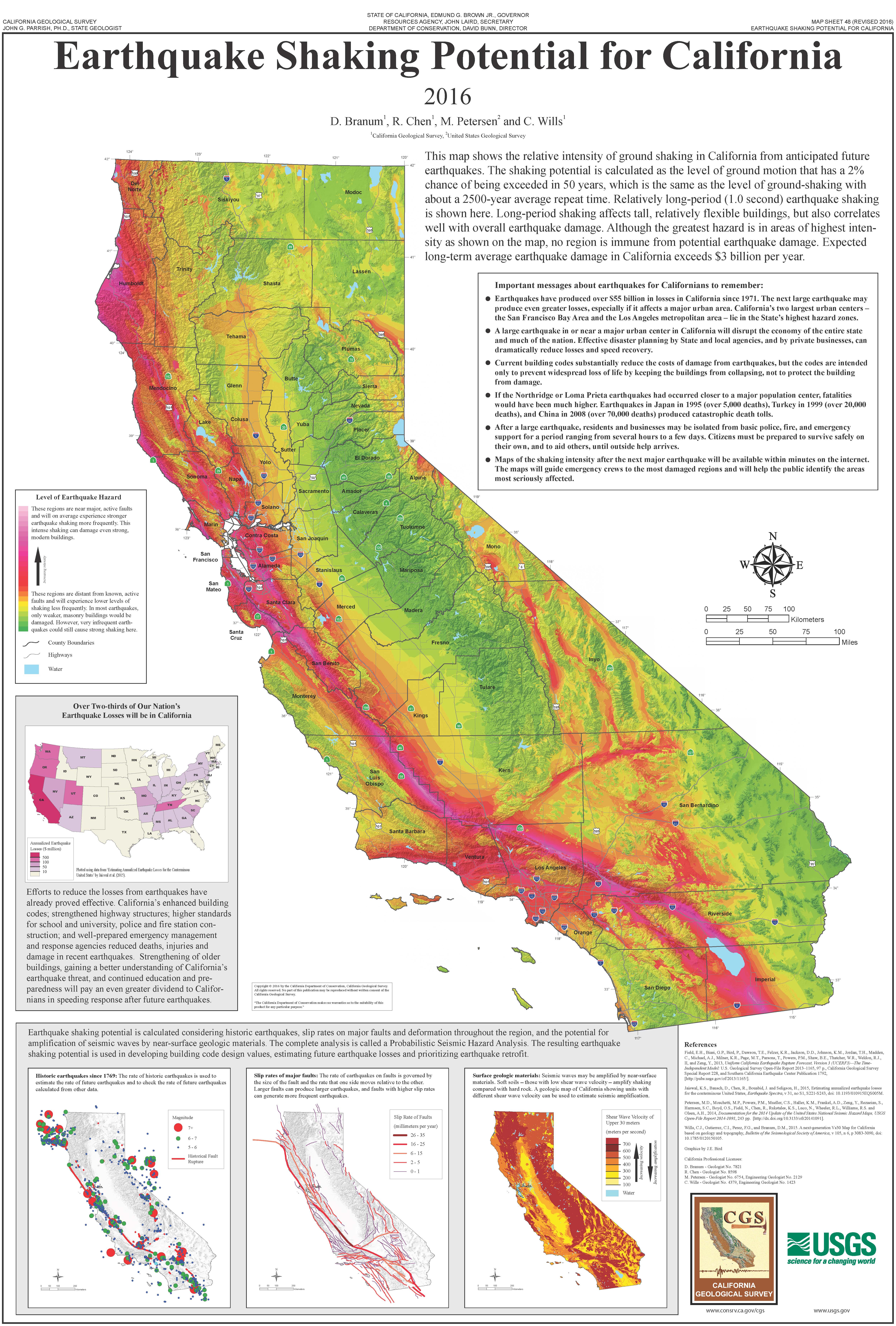
California, a state synonymous with sunshine, innovation, and a vibrant lifestyle, also holds a reputation for seismic activity. The Golden State sits atop a complex network of fault lines, most notably the infamous San Andreas Fault, making earthquakes a recurring, and sometimes significant, feature of life for its residents and a point of consideration for visitors. Understanding the frequency and potential magnitude of these events is crucial for anyone planning a trip to the region or considering it as a travel destination. While the dramatic imagery of a major earthquake might come to mind, the reality is a more nuanced picture of constant geological movement.
The Constant Tremors: California’s Seismic Pulse
California experiences thousands of earthquakes each year. The vast majority of these are minor, often imperceptible to humans and only detectable by sensitive scientific instruments. These frequent, low-magnitude tremors are a testament to the ongoing stress and release of energy along the state’s numerous fault systems.
Daily Occurrences: A Microscopic Ballet of Plates
On any given day, California can experience dozens, if not hundreds, of earthquakes. These are typically of magnitude 3.0 or lower, far too small to cause any damage or even be felt by most people. They are the Earth’s constant, subtle adjustments, a continuous readjustment of tectonic plates striving for equilibrium. For geologists and seismologists, these microquakes are invaluable data points, helping them understand the intricate mechanics of the crust and predict potential future activity. While not a cause for alarm, their sheer volume highlights the dynamic nature of the region’s geology. Imagine these as the state’s geological heartbeat, a steady rhythm of small shifts that, over millennia, contribute to the dramatic landscapes we see.
Weekly and Monthly Patterns: The Subtle Hum of Activity
While daily tremors are largely unfelt, on a weekly or monthly basis, California will typically experience a number of noticeable earthquakes. These might be in the magnitude 3.0 to 4.5 range. These are often felt as a brief shaking or a rattling of objects. They can serve as a reminder of the underlying forces at play. For residents, these are often incorporated into daily life, with many accustomed to such events. For tourists visiting cities like Los Angeles or San Francisco, a minor earthquake might be an unusual experience, but typically one that causes no significant disruption to their travel plans. The key takeaway is that while felt, these are generally not the catastrophic events that sometimes dominate media narratives.
Understanding Magnitude and Impact
The term “earthquake” often conjures images of widespread destruction. However, the impact of an earthquake is directly tied to its magnitude, depth, and proximity to populated areas.
The Richter Scale and Moment Magnitude Scale: Measuring the Shake
Historically, the Richter Scale was used to measure earthquake magnitude. However, the more scientifically accurate Moment Magnitude Scale (MMS) is now the standard. This scale measures the total energy released by an earthquake.

- Magnitude 3.0 – 3.9: Generally not felt, but can be recorded by seismographs.
- Magnitude 4.0 – 4.9: Felt by many people, causing light shaking. No significant damage expected.
- Magnitude 5.0 – 5.9: Felt by everyone, causing moderate shaking. Minor damage to buildings possible.
- Magnitude 6.0 – 6.9: Felt by all, causing considerable shaking. Significant damage possible, especially to poorly constructed buildings.
- Magnitude 7.0 – 7.9: Major earthquakes. Widespread, severe damage.
- Magnitude 8.0+: Great earthquakes. Catastrophic destruction.
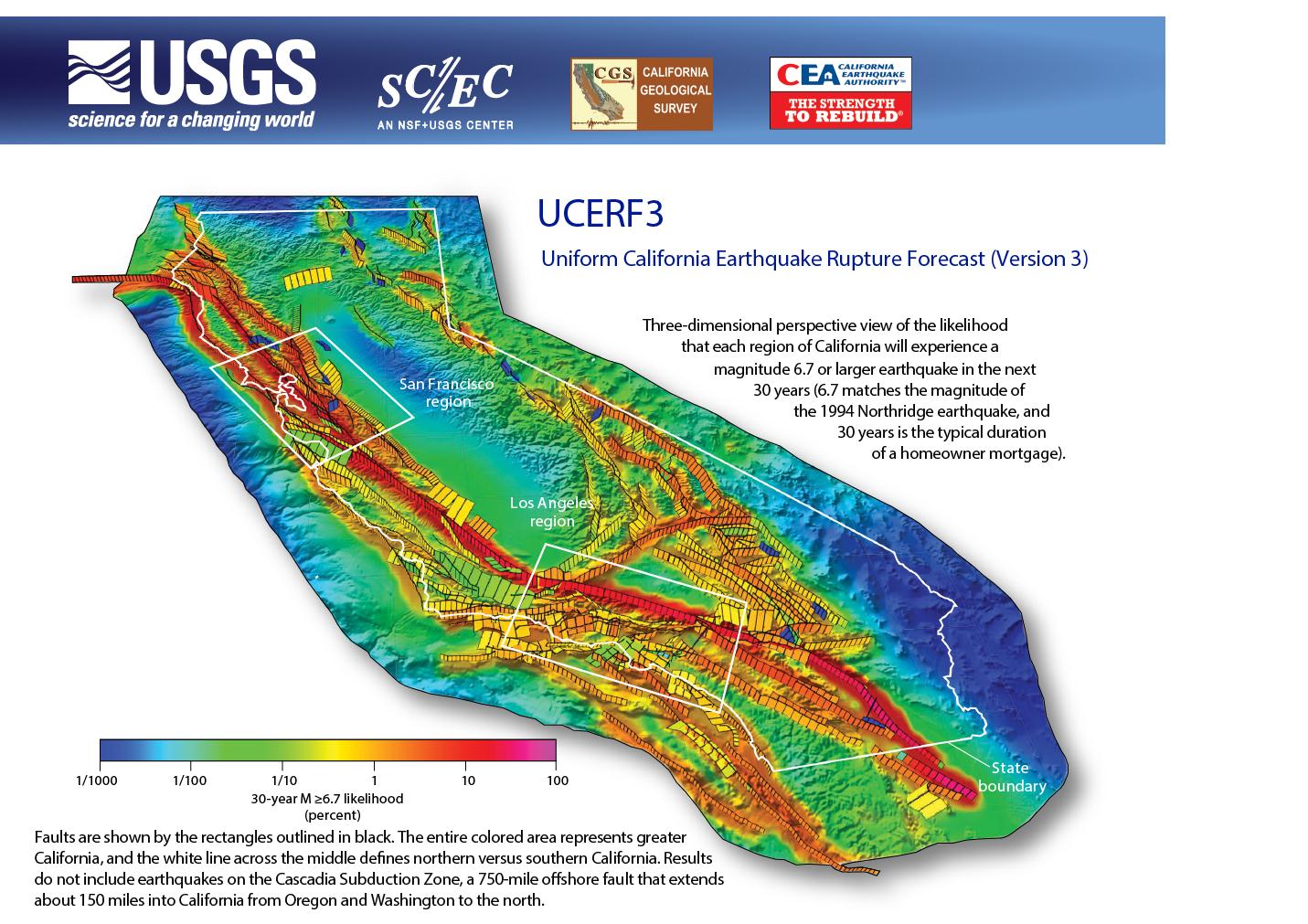
California’s seismic history includes several major earthquakes, such as the 1906 San Francisco Earthquake (estimated magnitude 7.9) and the 1989 Loma Prieta Earthquake (magnitude 6.9), which caused significant damage and disruption. However, these are less frequent occurrences compared to the thousands of smaller tremors experienced annually.
Factors Influencing Damage: More Than Just Magnitude
It’s important to understand that magnitude alone doesn’t tell the whole story. The geology of the ground, the construction quality of buildings, and the epicenter’s location relative to urban centers all play a critical role in determining the extent of damage and potential danger. For instance, an earthquake of magnitude 6.5 on solid bedrock might cause less damage than a similar-magnitude quake on soft soil or near a densely populated city. This is why preparedness is paramount in California, regardless of the expected frequency of major events.
Preparing for the Unexpected: Tourist and Resident Safety
For visitors to California, a basic understanding of earthquake preparedness can enhance peace of mind. The state’s infrastructure is built with seismic resilience in mind, and there are established protocols for emergency response.
Travel and Accommodation: Staying Informed and Safe
When planning a trip to cities like San Diego, Sacramento, or exploring national parks like Yosemite National Park, tourists should be aware of their surroundings. Hotels and other accommodations in California are generally required to adhere to strict building codes and often provide safety information to guests.
- During an Earthquake: If you feel shaking, remember “Drop, Cover, Hold On.” Drop to the ground, take cover under a sturdy piece of furniture, and hold on until the shaking stops.
- After an Earthquake: Be aware of potential aftershocks. Follow instructions from local authorities and hotel staff. Avoid using elevators and be cautious of debris.
The likelihood of experiencing a significant earthquake during a short vacation is statistically low, but being prepared is always a wise approach. The focus for travelers should be on enjoying the vast array of attractions California offers, from its iconic landmarks like the Golden Gate Bridge to its world-class culinary scenes in places like Napa Valley.
Public Awareness and Preparedness Efforts
California has a robust public awareness and preparedness campaign regarding earthquakes. Organizations like the California Office of Emergency Services (CalOES) provide resources and guidance for individuals and families. This includes advice on creating emergency kits, developing family communication plans, and understanding how to secure homes and workplaces. This proactive approach helps mitigate risks and fosters a culture of resilience throughout the state, ensuring that both residents and visitors can experience California with confidence. The geological reality of California is one of constant, albeit mostly minor, seismic activity, a phenomenon that is an integral part of its unique character and a testament to the powerful forces shaping our planet.
LifeOutOfTheBox is a participant in the Amazon Services LLC Associates Program, an affiliate advertising program designed to provide a means for sites to earn advertising fees by advertising and linking to Amazon.com. Amazon, the Amazon logo, AmazonSupply, and the AmazonSupply logo are trademarks of Amazon.com, Inc. or its affiliates. As an Amazon Associate we earn affiliate commissions from qualifying purchases.