
Navigating the process of applying for permanent disability benefits in California can feel like a daunting journey, especially when faced with a debilitating condition that impacts your ability to work. This guide aims to demystify the steps involved, offering a clear path toward understanding your rights and the procedures necessary to secure the support you deserve. California’s workers’ compensation system is designed to provide financial and medical benefits to individuals who sustain work-related injuries or illnesses. For those whose conditions result in lasting impairment, permanent disability benefits are a crucial component of this system.
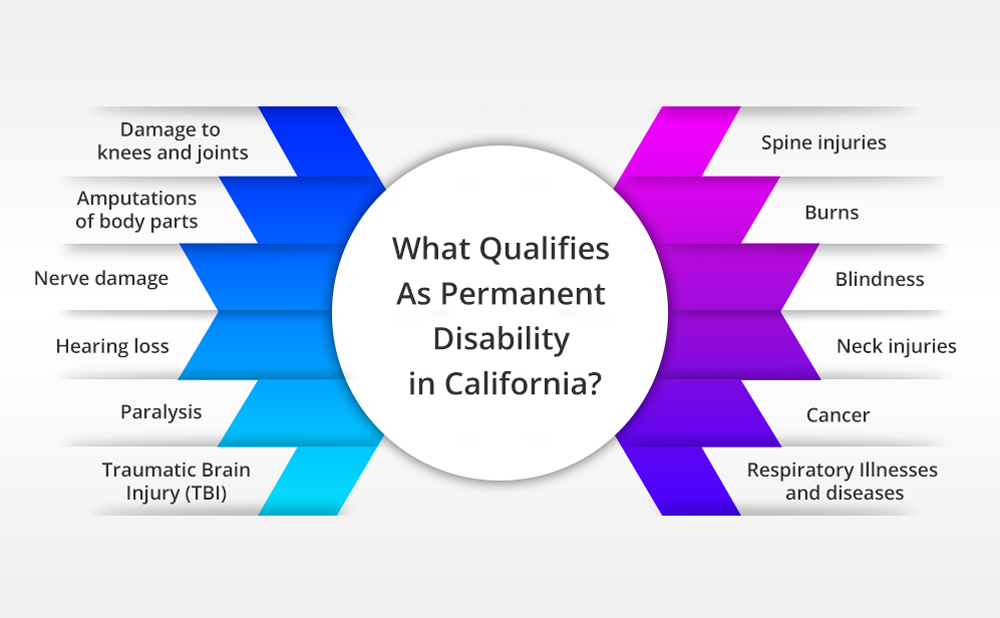
Understanding Permanent Disability in California
Permanent disability refers to the lasting physical or mental impairment that an injured worker sustains after reaching maximum medical improvement (MMI). It’s important to understand that “permanent” doesn’t necessarily mean a condition will never improve, but rather that further medical treatment is unlikely to significantly improve the worker’s functional capacity. The determination of permanent disability is a complex process that relies heavily on medical evaluations and specific legal guidelines established by the state.
Defining Maximum Medical Improvement (MMI)
Maximum medical improvement is a critical milestone in the workers’ compensation process. It signifies the point at which an injured worker’s condition has stabilized and is not expected to improve substantially with further medical treatment. This determination is made by the treating physician or a qualified medical evaluator (QME). Reaching MMI is a prerequisite for establishing the extent of permanent disability and calculating the corresponding benefits. The timeframe for reaching MMI can vary significantly depending on the nature and severity of the injury or illness. It is essential to continue with prescribed treatments and rehabilitation until your doctor officially declares you have reached MMI.
Types of Permanent Disability Benefits
California workers’ compensation provides two primary types of permanent disability benefits: temporary total disability (TTD) and temporary partial disability (TPD). However, when discussing “permanent disability,” we are referring to the benefits received after an injury has caused a lasting impairment. These benefits are intended to compensate workers for the loss of earning capacity and future earning potential due to their work-related condition.
The benefits are typically paid out in a lump sum or a series of weekly payments over a set period, depending on the rating of the permanent disability. The rating is expressed as a percentage, which is determined by a physician’s assessment of the worker’s permanent impairment and how it affects their ability to perform their job duties. This rating is then used to calculate the amount of compensation, which is influenced by factors such as the applicant’s age, occupation, and the date of injury.
The Application Process: A Step-by-Step Guide
Applying for permanent disability benefits in California involves several key stages, from the initial injury to the final determination of your claim. Understanding each step can help ensure a smoother and more successful application.
Reporting Your Injury or Illness
The first and most crucial step is to report your work-related injury or illness to your employer as soon as possible. California law requires employees to notify their employer within 30 days of the injury or the date they became aware of the illness. Failure to report in a timely manner could jeopardize your claim. Your employer is then obligated to provide you with a claim form (usually an “Employee’s Claim for Workers’ Compensation Benefits,” DWC 1 form) and direct you to a physician within their workers’ compensation network.
Medical Treatment and Evaluation
Following your injury, you will receive medical treatment through the employer’s designated physician or medical provider network (MPN). It is vital to attend all scheduled appointments, follow all medical advice, and keep detailed records of your treatment. Throughout this process, your physician will monitor your condition and determine when you have reached maximum medical improvement (MMI).
Once MMI is reached, your doctor will perform a comprehensive medical evaluation to assess the extent of your permanent impairment. This evaluation forms the basis for your permanent disability rating. If you disagree with the findings of the treating physician, you have the right to request an evaluation by a qualified medical evaluator (QME). A QME is an independent physician chosen from a state-approved list who will provide an objective assessment of your condition.
The Permanent Disability Rating
The permanent disability rating is a percentage that reflects the severity of your impairment and its impact on your ability to earn a living. This rating is determined by a combination of factors, including:
- The Doctor’s Findings: The physician’s report detailing your medical condition and limitations.
- The P x E Formula: In California, the “Permanent Disability Rating Schedule” (PDRS) is used. This schedule helps to standardize the rating process. The physician will assess your impairment and assign a whole person impairment rating. This is then adjusted based on factors like your occupation (using a “Factors of Disablement” form) and your age at the time of injury. The P x E formula, where P is the impairment percentage and E is the earning capacity factor, is a core component in determining the final disability rating.
- The Date of Injury: The rating schedule and formulas used can vary depending on when the injury occurred.
The final rating is typically provided by the treating physician or a QME and is crucial for calculating your benefit amount.
Filing Your Claim for Permanent Disability Benefits
Once you have a medical report indicating permanent impairment and have reached MMI, you can formally file your claim for permanent disability benefits. This usually involves submitting the necessary documentation to the California Workers’ Compensation Appeals Board (WCAB) and the insurance carrier.
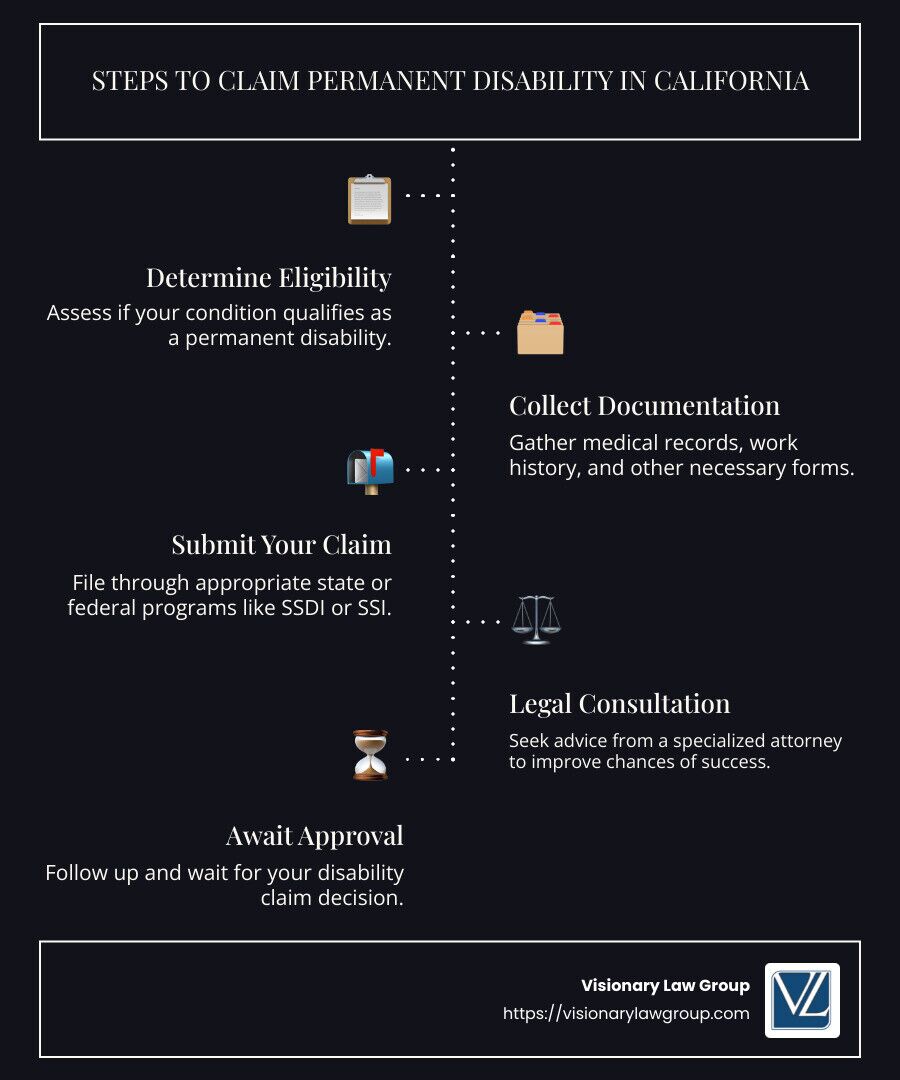
The specific forms and procedures may vary, but generally, your claims administrator (the insurance company or self-insured employer) will issue a permanent disability rating based on the medical reports. If you accept this rating, payments will commence. If you disagree with the rating or the offered benefits, you have the right to dispute it. This often involves further medical evaluations, negotiations with the claims administrator, or pursuing a hearing before a workers’ compensation judge at the WCAB.
Navigating Disputes and Seeking Legal Assistance
The workers’ compensation system can be complex, and disputes over medical treatment, disability ratings, or benefits are not uncommon. Understanding your rights and options during these challenging times is essential.
Understanding Your Rights During a Dispute
If you believe your permanent disability rating is too low, that you are not receiving the correct benefits, or that your medical treatment has been unfairly denied, you have several rights. These include:
- Requesting a Reconsideration: You can formally request that the claims administrator reconsider their decision.
- Seeking a Second Medical Opinion: If you disagree with a medical evaluation, you can request an Independent Medical Examination (IME) or work with a QME.
- Filing an Appeal: You have the right to file an appeal with the Workers’ Compensation Appeals Board (WCAB) to have your case heard by a judge.
When to Consider an Attorney
While it is possible to navigate the workers’ compensation system on your own, many individuals find it beneficial to seek legal counsel from a workers’ compensation attorney. An attorney specializing in these cases can provide invaluable assistance by:
- Explaining Your Rights: Clarifying your legal rights and options at each stage of the process.
- Gathering Evidence: Helping to collect and present all necessary medical records, witness statements, and other evidence.
- Negotiating with Insurers: Effectively communicating and negotiating with claims administrators on your behalf.
- Representing You in Hearings: Advocating for your best interests in front of a workers’ compensation judge.
- Ensuring Fair Compensation: Working to ensure you receive the maximum benefits you are legally entitled to.
Many workers’ compensation attorneys offer free initial consultations, and they typically work on a contingency fee basis, meaning they only get paid if you win your case.
Maximizing Your Permanent Disability Benefits
Beyond the initial application, there are strategic steps you can take to ensure you are receiving the full benefits you are entitled to and to manage your recovery effectively.
Maintaining Comprehensive Documentation
Throughout your entire workers’ compensation journey, meticulous record-keeping is paramount. This includes:
- Medical Records: Copies of all doctor’s notes, test results, imaging reports, and treatment plans.
- Correspondence: Keep copies of all letters, emails, and documents exchanged with your employer, the insurance company, and medical providers.
- Payment Records: Track all disability payments received.
- Lost Wage Statements: Document any periods of lost wages due to your injury.
This comprehensive documentation will be invaluable if any disputes arise or if you need to prove the extent of your disability and its impact on your life.
Understanding Your Permanent Disability Benefit Calculation
The calculation of your permanent disability benefit is based on your permanent disability rating, your average weekly earnings (AWE) prior to the injury, and the date of your injury. The rating schedule, as mentioned, assigns a monetary value to each disability percentage. This value is then multiplied by a factor based on your AWE and the date of injury to arrive at your total benefit amount.
It’s important to ensure that your average weekly earnings were accurately calculated by the claims administrator, as this is a fundamental component of your benefit amount. If you believe your AWE was calculated incorrectly, you should challenge it promptly.

Vocational Rehabilitation and Return to Work
California’s workers’ compensation system also includes provisions for vocational rehabilitation services, which can assist injured workers in returning to suitable gainful employment. If your permanent disability prevents you from returning to your previous job, vocational rehabilitation can help you retrain for a new career or find modified work within your physical limitations. Exploring these options can be a crucial part of your long-term recovery and financial stability. Engaging with vocational counselors early in the process can help you understand the available resources and pathways back to work.
Applying for permanent disability in California is a process that requires patience, diligence, and a thorough understanding of the system. By staying informed, maintaining clear communication, and seeking professional guidance when needed, you can navigate this complex terrain and secure the benefits that will support your recovery and future well-being.
LifeOutOfTheBox is a participant in the Amazon Services LLC Associates Program, an affiliate advertising program designed to provide a means for sites to earn advertising fees by advertising and linking to Amazon.com. Amazon, the Amazon logo, AmazonSupply, and the AmazonSupply logo are trademarks of Amazon.com, Inc. or its affiliates. As an Amazon Associate we earn affiliate commissions from qualifying purchases.