
The Path to a Rewarding Career in Diagnostic Imaging
Becoming a sonographer in California offers a pathway to a fulfilling and in-demand healthcare profession. Diagnostic medical sonography, commonly known as ultrasound technology, plays a crucial role in modern medicine, providing non-invasive imaging for diagnosis and monitoring. This guide will navigate you through the essential steps, educational requirements, and licensing considerations necessary to embark on this exciting career journey within the Golden State.
Understanding the Role of a Sonographer
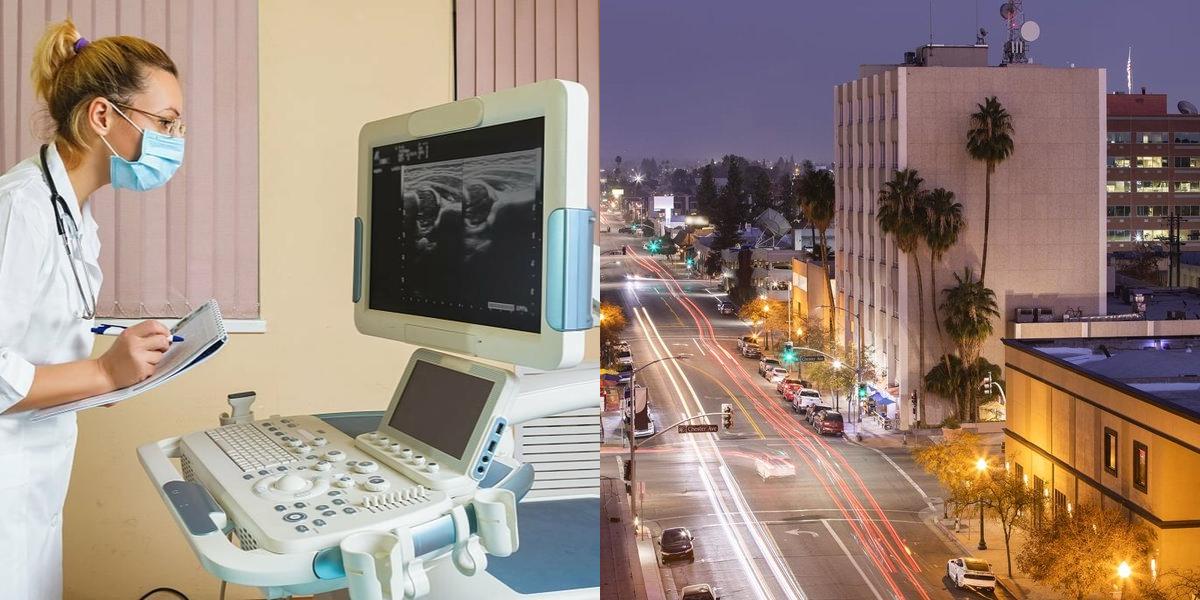
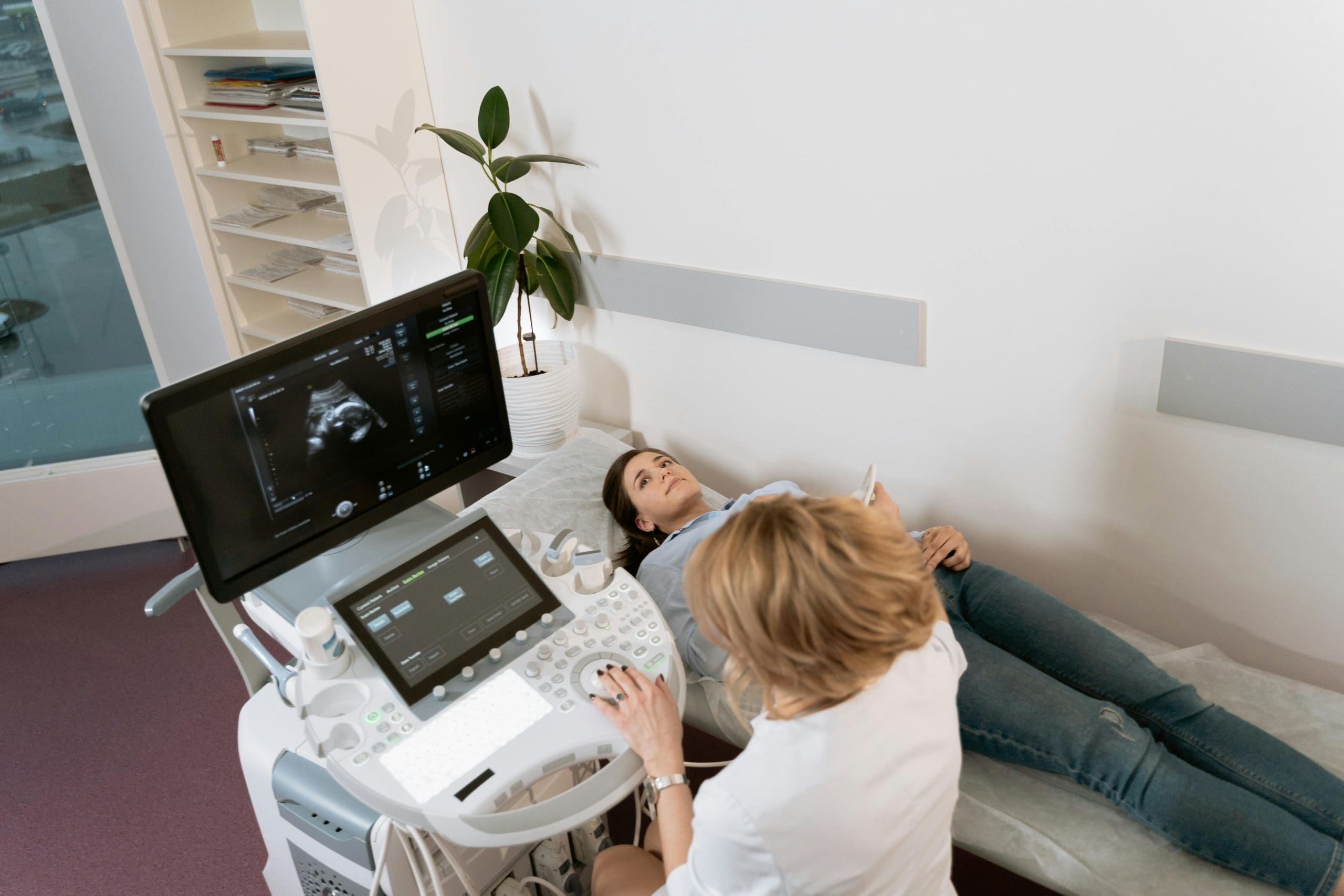
A sonographer, also referred to as an ultrasound technologist, utilizes specialized equipment to create images of the internal structures of the body. These images are vital for physicians to diagnose a wide range of conditions, from pregnancy-related concerns and cardiac issues to abdominal pathologies and vascular abnormalities. The work demands a keen eye for detail, a strong understanding of human anatomy and physiology, and excellent communication skills to interact with patients and medical professionals alike.

Sonographers work in various settings, including hospitals like Cedars-Sinai Medical Center or UCLA Medical Center, outpatient imaging centers, private physician offices, and specialized clinics throughout California. The demand for skilled sonographers is consistently high, driven by an aging population and advancements in medical technology.
Educational Requirements and Pathways
To become a qualified sonographer in California, formal education and clinical training are paramount. Several educational pathways are available, each leading to different levels of certification and specialization.
Degree Programs
- Associate of Science (AS) in Diagnostic Medical Sonography: These typically span two years and provide a foundational understanding of sonography principles, anatomy, patient care, and the operation of ultrasound equipment. Graduates are well-prepared for entry-level positions. Many community colleges and some vocational schools offer these programs.
- Bachelor of Science (BS) in Diagnostic Medical Sonography: A four-year degree offers a more comprehensive education, including advanced coursework in sonographic techniques, medical ethics, research, and management principles. A bachelor’s degree may be preferred for supervisory or specialized roles and can offer broader career advancement opportunities. Universities like California State University, Fullerton or San Jose State University might offer related programs or prerequisites.
Certificate Programs
- Diagnostic Medical Sonography Certificate: These programs are typically designed for individuals who already hold a degree in a related healthcare field, such as radiologic technology or nursing. Certificate programs are shorter than degree programs, often lasting 12-18 months, and focus specifically on the skills and knowledge required for sonography. They are an efficient way to transition into the field.
Regardless of the chosen pathway, accreditation is a critical factor. Programs accredited by the Commission on Accreditation of Allied Health Education Programs (CAAHEP) or its Committee on Accreditation for Educations in Diagnostic Medical Sonography (JRC-DMS) are generally recognized as meeting high educational standards. Prospective students should always verify program accreditation before enrolling.
Key Skills and Knowledge Areas
A successful sonographer possesses a blend of technical proficiency, scientific understanding, and interpersonal abilities.
Technical Skills
- Equipment Operation: Mastery of various ultrasound machines, including transducer selection, image optimization, and Doppler techniques.
- Image Acquisition: The ability to produce clear, diagnostically useful ultrasound images by manipulating equipment and patient positioning.
- Anatomical Knowledge: An in-depth understanding of human anatomy, physiology, and pathology to accurately interpret findings.
- Medical Terminology: Proficiency in the language of medicine for clear communication and documentation.
Clinical Skills
- Patient Care: Providing a safe, comfortable, and reassuring environment for patients undergoing ultrasound examinations. This includes explaining procedures and addressing patient concerns.
- Critical Thinking: Analyzing ultrasound images in real-time, identifying anomalies, and adapting scanning protocols as needed.
- Problem-Solving: Troubleshooting equipment issues and navigating challenging patient anatomy.
- Teamwork: Collaborating effectively with physicians, nurses, and other healthcare professionals.
Soft Skills
- Communication: Clearly explaining procedures to patients, documenting findings accurately, and communicating results to the medical team.
- Empathy and Compassion: Showing understanding and kindness towards patients, many of whom may be experiencing anxiety or discomfort.
- Attention to Detail: Meticulously reviewing images and patient data to ensure accuracy.
- Professionalism: Maintaining a high ethical standard and commitment to continuous learning.
Clinical Externship and Hands-On Experience
A crucial component of any accredited sonography program is the clinical externship. This supervised period in a real healthcare setting provides invaluable hands-on experience. Students work alongside experienced sonographers, applying theoretical knowledge to practical scenarios. During externships, students will encounter diverse patient populations and a wide array of medical conditions, honing their scanning techniques and diagnostic interpretation skills. Facilities like Kaiser Permanente hospitals across California, Scripps Memorial Hospital La Jolla, or smaller community clinics offer these vital training opportunities.
Certification and Licensure in California
While California does not have a statewide mandatory licensure for sonographers at this time, professional certification is highly recommended and often required by employers. The most recognized certifications are offered by the American Registry for Diagnostic Medical Sonography (ARDMS).
- Registered Diagnostic Medical Sonographer (RDMS): This is the primary credential for general sonographers. It requires passing a specialty exam, such as Abdomen (ABD), Obstetrics and Gynecology (OB/GYN), or Vascular Technology (VT).
- Registered Vascular Specialist (RVS): For those specializing in vascular ultrasound.
- Registered Cardiac Sonographer (RCS): For those specializing in cardiac ultrasound.
To be eligible for ARDMS certification, candidates typically need to have completed an accredited program and have accumulated a certain amount of clinical experience. Passing the national certification exams administered by the ARDMS is the final step to becoming a credentialed sonographer.
Many healthcare facilities in California, particularly larger hospitals and medical groups, will stipulate ARDMS certification as a requirement for employment, even without state licensure. Therefore, pursuing these credentials is a critical step for career advancement and marketability.
Finding Employment in California
Once educational requirements are met and certifications are obtained, the job search can begin. California offers a robust job market for sonographers, with opportunities spread across its diverse geographic regions, from the bustling urban centers of Los Angeles and San Francisco to the more suburban and rural areas.
Job Search Strategies
- Online Job Boards: Utilize healthcare-specific job sites like Indeed, LinkedIn, and professional organization portals (e.g., Society of Diagnostic Medical Sonography).
- Hospital and Clinic Websites: Directly check the career pages of healthcare systems and individual medical facilities.
- Networking: Attend industry events, connect with instructors and clinical preceptors, and build professional relationships within the sonography community.
- Recruitment Agencies: Specialized healthcare recruiters can often connect qualified candidates with open positions.
Consider the type of facility that best suits your career aspirations. Hospitals offer broad patient exposure and opportunities for specialization, while imaging centers may provide a more focused and potentially faster-paced work environment.
Continuing Education and Career Advancement
The field of diagnostic medical sonography is constantly evolving. To maintain certification and stay current with advancements, continuing education is essential. The ARDMS requires sonographers to earn Continuing Medical Education (CME) credits to maintain their credentials.
Career advancement opportunities for sonographers include:
- Specialization: Focusing on a particular area such as pediatric sonography, breast sonography, neurosonography, or advanced cardiac imaging.
- Lead Sonographer or Supervisor: Taking on leadership responsibilities, overseeing a team, and managing departmental operations.
- Educator: Teaching aspiring sonographers in academic programs or clinical settings.
- Applications Specialist: Working for ultrasound equipment manufacturers, providing training and support to new users.
- Advanced Practice Roles: Exploring pathways into roles with increased diagnostic responsibility, potentially requiring further education.
Embarking on a career as a sonographer in California is a strategic choice for those passionate about healthcare and diagnostic imaging. By diligently pursuing the necessary education, training, and certifications, you can build a rewarding and stable career making a significant difference in the lives of patients.
LifeOutOfTheBox is a participant in the Amazon Services LLC Associates Program, an affiliate advertising program designed to provide a means for sites to earn advertising fees by advertising and linking to Amazon.com. Amazon, the Amazon logo, AmazonSupply, and the AmazonSupply logo are trademarks of Amazon.com, Inc. or its affiliates. As an Amazon Associate we earn affiliate commissions from qualifying purchases.