
Becoming an ultrasound technician, more formally known as a diagnostic medical sonographer, in California offers a promising career path within a state renowned for its advanced healthcare system and diverse opportunities. The demand for skilled sonographers continues to grow, driven by an aging population, advancements in medical technology, and the increasing use of ultrasound as a primary diagnostic tool. This guide will navigate you through the essential steps, educational requirements, and licensing considerations for aspiring ultrasound technicians looking to establish their careers in the Golden State.
The Foundation: Education and Training
Embarking on a career as an ultrasound technician necessitates a robust educational foundation. In California, like most states, formal training is paramount, ensuring you possess the theoretical knowledge and practical skills required to operate sophisticated imaging equipment and interpret complex medical images accurately.
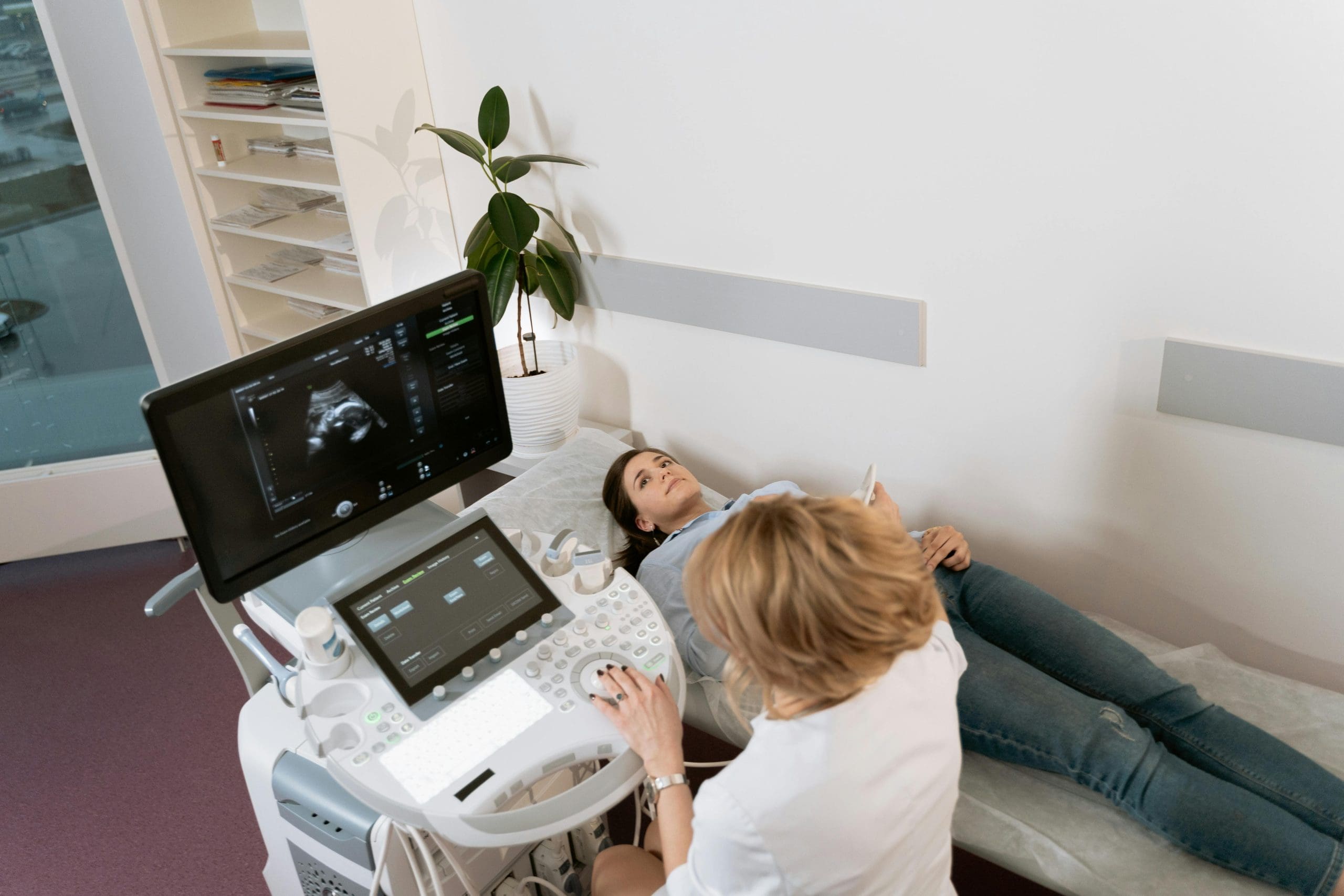
Educational Pathways
There are several recognized educational pathways to becoming a diagnostic medical sonographer. Each offers a distinct duration and depth of study, catering to different student needs and backgrounds.
Associate of Science (AS) in Diagnostic Medical Sonography
This is the most common educational route for aspiring sonographers. An AS degree program typically takes two years to complete and provides a comprehensive curriculum covering anatomy, physiology, medical terminology, physics of ultrasound, sonographic principles, and specialized imaging techniques. Accredited programs ensure that graduates are well-prepared for national certification exams and entry-level positions. Many community colleges and technical schools in California offer accredited AS degrees in this field.
Bachelor of Science (BS) in Diagnostic Medical Sonography
A Bachelor of Science degree offers a more in-depth educational experience, typically spanning four years. While not always mandatory for entry-level positions, a BS degree can provide a competitive edge, particularly for those interested in pursuing advanced roles, leadership positions, or specialization in areas like pediatric or cardiac sonography. These programs often include additional coursework in research, management, and specialized clinical applications.
Certificate Programs
For individuals who already hold a degree in a related healthcare field (such as radiography or nursing), a diagnostic medical sonography certificate program can be an efficient way to gain specialized training. These programs are shorter, often lasting one to two years, and focus specifically on the principles and practices of sonography. They are a valuable option for career changers or those seeking to enhance their existing skillset.
Accreditation and Program Selection
When selecting an educational program in California, it is crucial to ensure that it is accredited by a recognized body. The primary accrediting agency for diagnostic medical sonography programs in the United States is the Commission on Accreditation of Allied Health Education Programs (CAAHEP). Programs accredited by CAAHEP meet rigorous standards for curriculum, faculty qualifications, clinical education, and student outcomes. Graduating from a CAAHEP-accredited program is often a prerequisite for national certification. Researching programs located in cities like Los Angeles, San Diego, or San Francisco can provide access to leading healthcare institutions and diverse clinical training sites.
Clinical Experience
A vital component of any diagnostic medical sonography program is hands-on clinical experience. This involves supervised practice in a healthcare setting, where students apply their learned skills to real patient scenarios. California’s vast healthcare network offers numerous opportunities for clinical rotations in hospitals, clinics, and imaging centers. Gaining experience across various specialties, such as abdominal, obstetrics and gynecology, and vascular sonography, is highly beneficial. Institutions like Cedars-Sinai Medical Center in Los Angeles or Scripps Health in San Diego often serve as prime locations for such clinical training.
Certification and Licensure in California
While California does not have a specific state-issued license for ultrasound technicians, national certification is widely recognized and often required by employers. This certification serves as a testament to an individual’s competency and adherence to professional standards.
National Certification Bodies
The primary organizations that offer credentials for diagnostic medical sonographers are:
- American Registry for Diagnostic Medical Sonography (ARDMS): The ARDMS is the most recognized certification body. To become certified by the ARDMS, candidates must pass a comprehensive examination in their chosen specialty. Common specialties include Registered Diagnostic Medical Sonographer (RDMS) for general sonography, Registered Vascular Specialist (RVS) for vascular sonography, and Registered Cardiac Sonographer (RCS) for cardiac sonography.
- Cardiovascular Credentialing International (CCI): CCI offers credentials for cardiovascular sonographers, such as the Registered Cardiovascular Ultrasound Technologist (RCUT).
The Certification Process
The path to ARDMS certification typically involves meeting specific eligibility requirements, which often include completing an accredited educational program and accumulating a minimum number of supervised clinical hours. Once eligible, candidates must pass rigorous examinations that assess their knowledge of ultrasound physics, instrumentation, anatomy, physiology, and pathology relevant to their specialty. Preparation for these exams is a critical step, and many programs incorporate review sessions and practice tests.
Employer Requirements
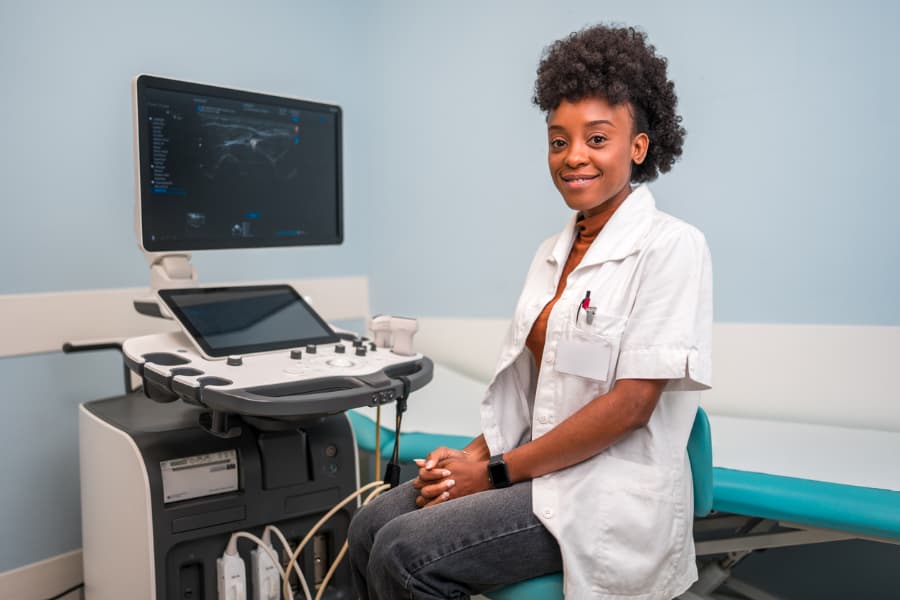
While not mandated by the state, the vast majority of healthcare employers in California, from large hospital systems like Kaiser Permanente to smaller private practices, will require candidates to hold at least one national certification, most commonly from the ARDMS. This ensures a baseline level of proficiency and quality in patient care.
Career Opportunities and Specializations
The demand for skilled ultrasound technicians in California is robust, with opportunities spanning various healthcare settings and geographic locations. The state’s diverse population and extensive healthcare infrastructure create a dynamic job market.
Diverse Employment Settings
Ultrasound technicians can find employment in a wide array of settings, including:
- Hospitals: This is the most common employment setting, offering exposure to a broad range of medical conditions and patient demographics. Large medical centers in cities like Oakland or Sacramento provide extensive opportunities.
- Physician’s Offices and Clinics: Many specialists, such as cardiologists, obstetricians, and gastroenterologists, employ sonographers to perform specific diagnostic imaging for their patients.
- Imaging Centers: Dedicated outpatient imaging centers are another significant source of employment, often specializing in specific types of sonography.
- Urgent Care Facilities: As ultrasound becomes more integrated into point-of-care diagnostics, urgent care centers are increasingly hiring sonographers.
- Mobile Ultrasound Services: Some companies offer mobile diagnostic services, allowing technicians to travel to patients’ homes or to smaller clinics that may not have dedicated imaging equipment.
Specializations in Sonography
The field of diagnostic medical sonography offers numerous specialization options, allowing technicians to focus on particular areas of interest and develop advanced expertise.
General Sonography
This broad specialty encompasses abdominal, obstetric, and gynecologic imaging. General sonographers play a critical role in diagnosing a wide range of conditions affecting the organs of the abdomen, as well as the female reproductive system and fetal development.
Vascular Sonography
Vascular sonographers specialize in imaging the blood vessels throughout the body. This involves assessing blood flow, detecting blockages or aneurysms, and monitoring the health of arteries and veins. This specialization is crucial for diagnosing and managing conditions like deep vein thrombosis (DVT) and peripheral artery disease (PAD).
Echocardiography (Cardiac Sonography)
Cardiac sonographers, also known as echocardiographers, focus on imaging the heart. They use ultrasound to evaluate the heart’s structure, function, and blood flow, aiding in the diagnosis of conditions such as heart valve disease, heart failure, and congenital heart defects. This is a highly sought-after specialization, particularly given the prevalence of cardiovascular disease.
Other Specializations
Emerging areas of specialization include pediatric sonography, breast sonography, and musculoskeletal sonography. Each requires specific training and certification.
Navigating the Job Market and Professional Development
Securing a position as an ultrasound technician in California involves strategic job searching and a commitment to continuous professional development.
Job Search Strategies
- Online Job Boards: Websites like Indeed, LinkedIn, and the professional association websites for ARDMS and the Society of Diagnostic Medical Sonography (SDMS) are excellent resources for finding open positions.
- Networking: Building connections with instructors, clinical preceptors, and fellow professionals can lead to invaluable job leads and recommendations. Attending local or state professional chapter meetings can facilitate this.
- Healthcare System Websites: Many large healthcare systems in California, such as UCLA Health or Stanford Health Care, post their job openings directly on their career pages.
- Recruitment Agencies: Specialized medical staffing agencies can be instrumental in connecting qualified candidates with employers.
Continuing Education and Professional Growth
The field of diagnostic medical sonography is constantly evolving with new technologies and techniques. To remain competitive and provide the highest quality of patient care, continuing education is essential.
- Continuing Medical Education (CME) Credits: Most certifications require a certain number of CME credits every few years to maintain active status. These can be obtained through conferences, workshops, online courses, and journal reviews.
- Advanced Certifications: Pursuing additional specialty certifications can enhance career prospects and open doors to specialized roles.
- Membership in Professional Organizations: Joining organizations like the SDMS provides access to educational resources, networking opportunities, and advocacy for the profession.
- Gaining Experience in High-Demand Areas: As advancements occur, developing expertise in areas with growing demand, such as 3D/4D ultrasound or interventional sonography, can significantly boost career trajectory.
By diligently following these educational, certification, and professional development pathways, aspiring ultrasound technicians in California can build a rewarding and impactful career in one of the nation’s leading healthcare landscapes. The commitment to learning and excellence will ensure a successful journey in this dynamic and vital medical profession.
LifeOutOfTheBox is a participant in the Amazon Services LLC Associates Program, an affiliate advertising program designed to provide a means for sites to earn advertising fees by advertising and linking to Amazon.com. Amazon, the Amazon logo, AmazonSupply, and the AmazonSupply logo are trademarks of Amazon.com, Inc. or its affiliates. As an Amazon Associate we earn affiliate commissions from qualifying purchases.