
California, a state renowned for its sunshine, innovation, and diverse landscapes, also offers a comprehensive system for its residents facing disabilities. Navigating the process of collecting disability benefits in the Golden State can seem daunting, but with a clear understanding of the available programs and the steps involved, it becomes a manageable endeavor. This guide will walk you through the primary avenues for disability support in California, focusing on the state-specific programs and the federal Social Security Disability Insurance (SSDI) and Supplemental Security Income (SSI) programs administered within its borders.
Understanding Your Options: State and Federal Disability Benefits
California offers robust support for individuals with disabilities, primarily through two main pathways: state-administered programs and federally administered programs with state involvement. Understanding the differences and eligibility requirements for each is the crucial first step in collecting the benefits you are entitled to.
State Disability Insurance (SDI) Program
The California Employment Development Department (EDD) administers the State Disability Insurance (SDI) program. This program provides partial wage replacement benefits to eligible workers who are unable to work due to a non-work-related illness, injury, or pregnancy. SDI is funded by employee payroll deductions.
Eligibility for SDI
To be eligible for SDI benefits, you must meet several criteria:
- Covered Employment: You must have earned at least $300 in wages during your base period, which is typically the first four of the last five completed calendar quarters before your claim begins. Your employer must have also paid SDI contributions on your behalf.
- Medical Condition: You must have a certified medical condition that prevents you from performing your usual and customary work. This includes physical ailments, mental health conditions, and pregnancy.
- Reduced Capacity to Work: Your condition must result in a significant reduction of your ability to perform your job duties.
- Continued Care: You must be under the care of a licensed medical professional who certifies your condition and its impact on your ability to work.
How to File an SDI Claim
- Obtain a Claim Form: Claim forms are available online through the California EDD website or can be requested by phone.
- Complete the Claimant’s Section: Fill out your portion of the claim form accurately and completely, providing all requested personal information and details about your condition.
- Physician’s Certification: Your doctor must complete the physician’s section of the claim form, providing a diagnosis, treatment plan, and an assessment of your work limitations.
- Submit the Claim: File your claim as soon as possible after your disability begins. Delays can affect the start date of your benefits. The EDD will review your claim and notify you of their decision.
SDI benefits typically last for up to 52 weeks, though the exact duration depends on your earnings.
Social Security Disability Insurance (SSDI) and Supplemental Security Income (SSI)
While the SDI program is state-specific, California residents also have access to federal disability benefits administered by the Social Security Administration (SSA). These programs are crucial for individuals who are unable to engage in substantial gainful activity due to a long-term disability.
Social Security Disability Insurance (SSDI)
SSDI is a federal insurance program designed for individuals who have worked and paid Social Security taxes for a sufficient period. It provides monthly cash benefits to disabled workers and their dependents.
Eligibility for SSDI
- Work Credits: You must have earned enough work credits to be insured for disability benefits. The number of credits required depends on your age at the time you become disabled. Generally, you need 40 credits, with at least 20 earned in the last 10 years preceding your disability.
- Medical Condition: You must have a medical condition that meets the SSA’s definition of disability, which is a condition that is expected to last for at least 12 months or result in death, and prevents you from performing substantial gainful activity.
Supplemental Security Income (SSI)
SSI is a needs-based program for individuals with limited income and resources who are disabled, blind, or age 65 or older. SSI is funded by general tax revenues and does not require prior work history.
Eligibility for SSI
- Age, Blindness, or Disability: You must be age 65 or older, or be blind or disabled. The SSA uses the same definition of disability for both SSDI and SSI.
- Income and Resource Limits: You must have limited income and resources. The SSA has specific limits on what counts as income and resources, with some exceptions for essential assets like your primary residence.
- Citizenship/Residency: You must be a U.S. citizen or a qualified non-citizen residing in California.
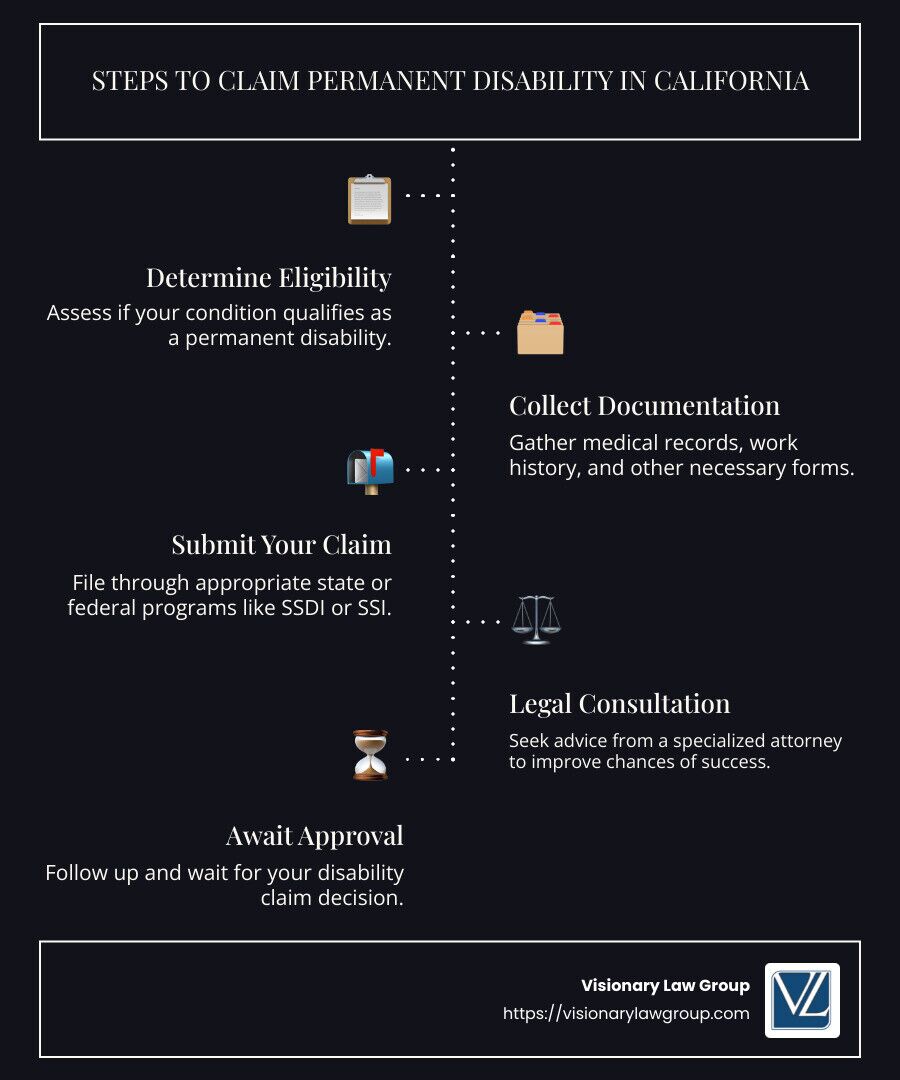
How to File for SSDI or SSI
The application process for SSDI and SSI is similar and can be initiated in several ways:
- Online Application: The SSA offers an online application portal on its official website. This is often the most convenient way to start your application.
- Phone Application: You can call the SSA at 1-800-772-1213 to schedule an appointment or complete an application over the phone.
- In-Person Application: You can visit your local Social Security office to apply in person.
Regardless of the method chosen, you will need to provide detailed information about your medical condition, work history (for SSDI), income, and resources (for SSI). It is advisable to gather all necessary documents, such as medical records, employment history, and proof of income, before starting the application.
The Disability Determination Process in California
Once you have filed a claim, either for state SDI or federal SSDI/SSI, your case will undergo a rigorous review process. This process is designed to ensure that benefits are awarded only to those who genuinely meet the eligibility criteria.
Medical Review
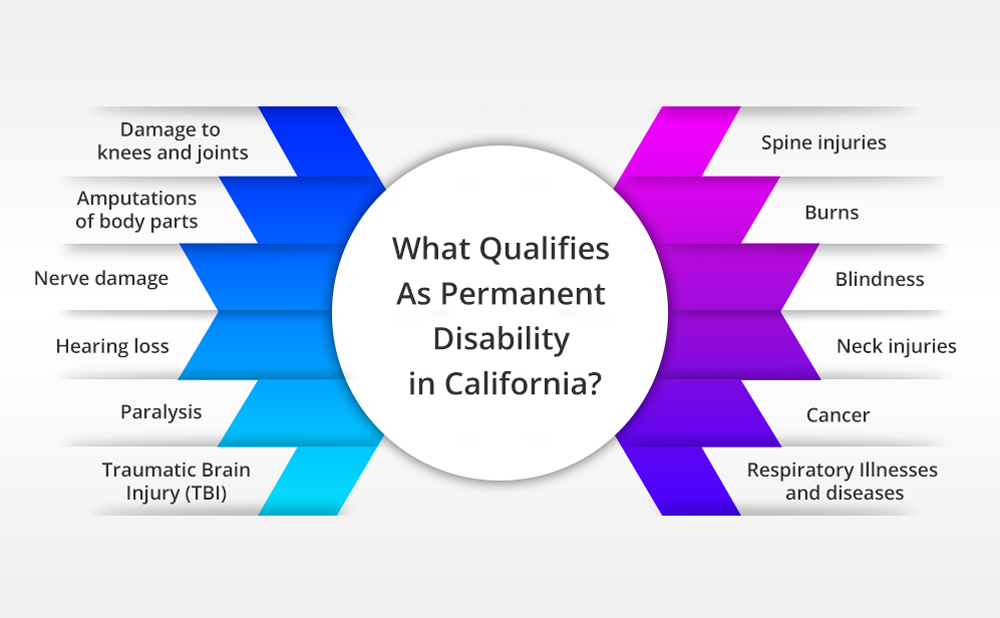
The core of any disability claim lies in the medical evidence. For SDI claims, the EDD will review the physician’s certification provided by your doctor. For SSDI and SSI claims, your application will be sent to the Disability Determination Services (DDS) agency, a state agency that works with the SSA.
DDS adjudicators, who are often medical professionals, will meticulously examine all submitted medical records. This includes reports from your primary care physicians, specialists, hospitals, therapists, and any diagnostic test results. They will assess the severity of your condition, its impact on your functional abilities, and the expected duration of your disability.
If the submitted records are insufficient to make a determination, DDS may request additional information from your doctors or schedule a Consultative Examination (CE). A CE is a medical examination conducted by a physician chosen by DDS to gather more specific information about your condition.
Non-Medical Review
In addition to the medical assessment, both state and federal programs conduct non-medical reviews.
- SDI: The EDD will verify your employment history, earnings, and ensure you meet the work and payment requirements.
- SSDI: The SSA will review your work credits and ensure you have not reached your full retirement age. They will also assess if you have engaged in substantial gainful activity.
- SSI: The SSA will conduct a thorough review of your income and resources to ensure you meet the program’s financial eligibility requirements. This includes assessing assets like bank accounts, vehicles, and other personal property.
Appeals Process
It is important to understand that disability claims are often initially denied. This does not mean you are not disabled; it simply means the initial review did not find sufficient evidence to approve your claim at that stage. If your claim is denied, you have the right to appeal. The appeals process typically involves several levels:
- Reconsideration: This is a complete review of your claim by someone at DDS who was not involved in the initial decision. You can submit new evidence during this stage.
- Hearing by an Administrative Law Judge (ALJ): If your reconsideration is denied, you can request a hearing before an ALJ. This is a more formal proceeding where you, your representative (if you have one), and potentially medical or vocational experts will present your case. This is often the most successful stage for appeals.
- Appeals Council Review: If the ALJ denies your claim, you can request a review by the Appeals Council.
- Federal Court Review: As a final step, you can file a lawsuit in federal district court.
Navigating the appeals process can be complex, and many claimants find it beneficial to seek assistance from a disability advocate or attorney.
Maximizing Your Chances of Success
Successfully collecting disability benefits in California requires meticulous preparation and a thorough understanding of the process. Here are some key strategies to enhance your chances of a positive outcome:
Maintain Consistent Medical Care
The cornerstone of any disability claim is comprehensive and consistent medical documentation.
- Regular Doctor Visits: Attend all scheduled appointments with your physicians and specialists. Do not miss appointments, as this can be interpreted as a lack of seriousness about your condition.
- Communicate Thoroughly: Be open and honest with your doctors about your symptoms, limitations, and how your condition affects your daily life and ability to work. Ensure your doctor documents these discussions accurately in your medical records.
- Follow Treatment Plans: Adhere strictly to all prescribed treatments, medications, and therapies. Deviating from a treatment plan without a valid reason can weaken your claim.
- Seek Second Opinions: If you are not receiving adequate care or your condition is not improving, consider seeking a second opinion from another specialist. Document these consultations.
Keep Detailed Records
Organization is key. Keep thorough records of everything related to your disability and claim:
- Medical Records: Request copies of all medical records, test results, and doctor’s notes. Store them in a secure and organized manner.
- Medication Lists: Maintain an up-to-date list of all medications you are taking, including dosage, frequency, and the prescribing doctor.
- Activity Logs: For SDI claims, and even for SSDI/SSI, keeping a daily log of your symptoms, pain levels, and limitations can be incredibly valuable. Note how your condition prevents you from performing everyday tasks and activities.
- Communication Records: Keep copies of all correspondence with the EDD, SSA, DDS, and any medical providers related to your disability claim. Note dates and times of phone conversations and the individuals you spoke with.
Understand the Definition of Disability
Both the SDI program and the SSA have specific definitions of disability.
- SDI: Focuses on your inability to perform your “usual and customary occupation.”
- SSDI/SSI: Focuses on your inability to perform “substantial gainful activity” (SGA). The SGA level is set annually by the SSA, and earnings above this limit generally indicate you can still work. The SSA also considers your age, education, and past work experience, as well as your residual functional capacity (RFC) – what you can still do despite your impairments.
Your medical evidence must clearly demonstrate how your condition prevents you from meeting these definitions.
Consider Professional Assistance
Navigating the intricacies of disability claims can be overwhelming. Many individuals find it highly beneficial to enlist the help of professionals:
- Disability Advocates: These individuals specialize in assisting claimants with the application and appeals process for disability benefits. They are often knowledgeable about the specific requirements of state and federal programs.
- Attorneys: Disability attorneys can provide legal representation throughout the claim and appeals process. They are particularly helpful during hearings before an Administrative Law Judge and in federal court. Many disability attorneys work on a contingency fee basis, meaning they only get paid if you win your case.
These professionals can help you gather evidence, understand legal requirements, represent you in meetings and hearings, and increase your chances of a successful claim.

Conclusion: A Path Forward for Californians with Disabilities
Collecting disability benefits in California is a multi-faceted process, involving both state-specific programs like SDI and federally administered programs like SSDI and SSI. While the journey can be challenging, it is made significantly smoother by understanding the eligibility criteria, meticulously preparing your documentation, maintaining consistent medical care, and seeking professional guidance when needed. By approaching the process with diligence and a clear strategy, California residents can effectively access the support systems designed to provide financial stability and assistance during times of disability.
LifeOutOfTheBox is a participant in the Amazon Services LLC Associates Program, an affiliate advertising program designed to provide a means for sites to earn advertising fees by advertising and linking to Amazon.com. Amazon, the Amazon logo, AmazonSupply, and the AmazonSupply logo are trademarks of Amazon.com, Inc. or its affiliates. As an Amazon Associate we earn affiliate commissions from qualifying purchases.