
Navigating the intricacies of sales tax in California can be a perplexing task for travelers and tourists alike. Understanding these obligations is crucial for a smooth and enjoyable experience, whether you’re indulging in souvenir shopping in San Francisco or purchasing a unique piece of art in Los Angeles. This guide aims to demystify California’s sales tax system, providing clarity on what’s taxed, where it’s taxed, and how to calculate it, ensuring you’re well-informed during your explorations across the Golden State.
Understanding the Basics of California Sales Tax
At its core, sales tax is a percentage of the purchase price of tangible personal property (goods) that is collected by the seller and remitted to the state and local governments. In California, this tax is administered by the California Department of Tax and Fee Administration (CDTFA). It’s important to note that sales tax applies to the retail sale of most tangible goods, but not typically to services, though some specific services are subject to sales tax.
What is Taxable?
Generally, all tangible personal property sold at retail in California is subject to sales tax unless it is specifically exempted by law. This includes a vast array of items travelers might purchase:
- Souvenirs and Gifts: T-shirts, postcards, local crafts, keychains, and other mementos purchased from shops in tourist destinations like Disneyland or the Golden Gate Bridge.
- Clothing and Accessories: Any apparel, shoes, hats, or jewelry bought from boutiques or department stores.
- Electronics: Cameras, chargers, portable speakers, or any other electronic gadgets you might need or desire during your trip.
- Food and Beverages (with exceptions): Prepared food sold by restaurants, cafes, and food trucks are generally taxable. However, most “unprepared” food items intended for home consumption, such as raw groceries bought from supermarkets, are usually exempt. This distinction is important when deciding where to purchase your snacks. For instance, a croissant from a bakery is typically taxed, while a bag of apples from a farmer’s market might not be.
- Books and Publications: Novels, guidebooks, magazines, and newspapers.
- Home Furnishings and Decor: Small decorative items or furnishings purchased to remember your travels.
- Sporting Goods and Equipment: Items like surfboards, hiking gear, or sports apparel.
What is Exempt?
Certain items and transactions are exempt from California sales tax. Understanding these exemptions can help you save money on your purchases:
- Most Unprepared Food Items: As mentioned, groceries bought from supermarkets for home consumption are generally exempt. This includes fruits, vegetables, meats, dairy products, and bread.
- Prescription Medications: Drugs dispensed by a licensed pharmacist to fill a prescription.
- Certain Services: While some services are taxed, many common services like professional advice, repair of real property, or personal care services (haircuts, massages) are not subject to sales tax. However, it’s always wise to clarify with the service provider.
- Items purchased by certain organizations: Non-profit organizations and government agencies may be exempt from paying sales tax under specific conditions.
- Interstate Sales (with nuances): If you purchase an item in California and have it shipped directly to an address outside of California, you generally do not owe California sales tax. However, if you take possession of the item within California, even if it’s ultimately intended for shipment elsewhere, it is typically considered a taxable sale.
Calculating California Sales Tax: The Variable Landscape
One of the most significant complexities for consumers and visitors in California is that sales tax rates are not uniform across the state. Instead, they are a combination of the statewide base rate and various local district taxes. This means the rate you pay in Los Angeles will likely differ from the rate in San Diego or a smaller town like Carmel-by-the-Sea.
The Statewide Base Rate
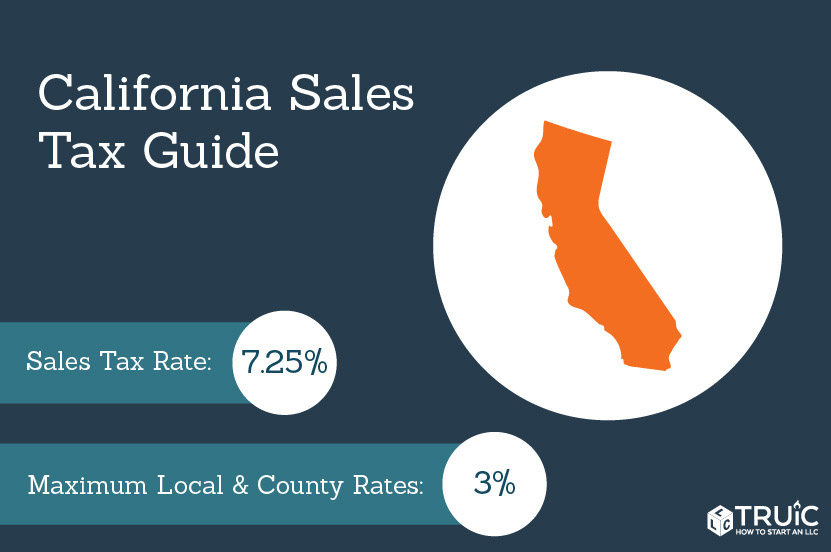
The foundation of California’s sales and use tax is a statewide rate. As of recent updates, this base rate is 7.25%. This rate applies to all taxable transactions throughout the state.
Local District Taxes: The Multiplier Effect
On top of the statewide rate, counties, cities, and special districts can impose their own local taxes. These are often referred to as district taxes or locally administered taxes. These can include:
- County Taxes: Many counties have a local tax.
- City Taxes: Cities may have their own additional tax.
- Special District Taxes: These are imposed by specific districts for purposes such as public transportation, redevelopment, or public safety.
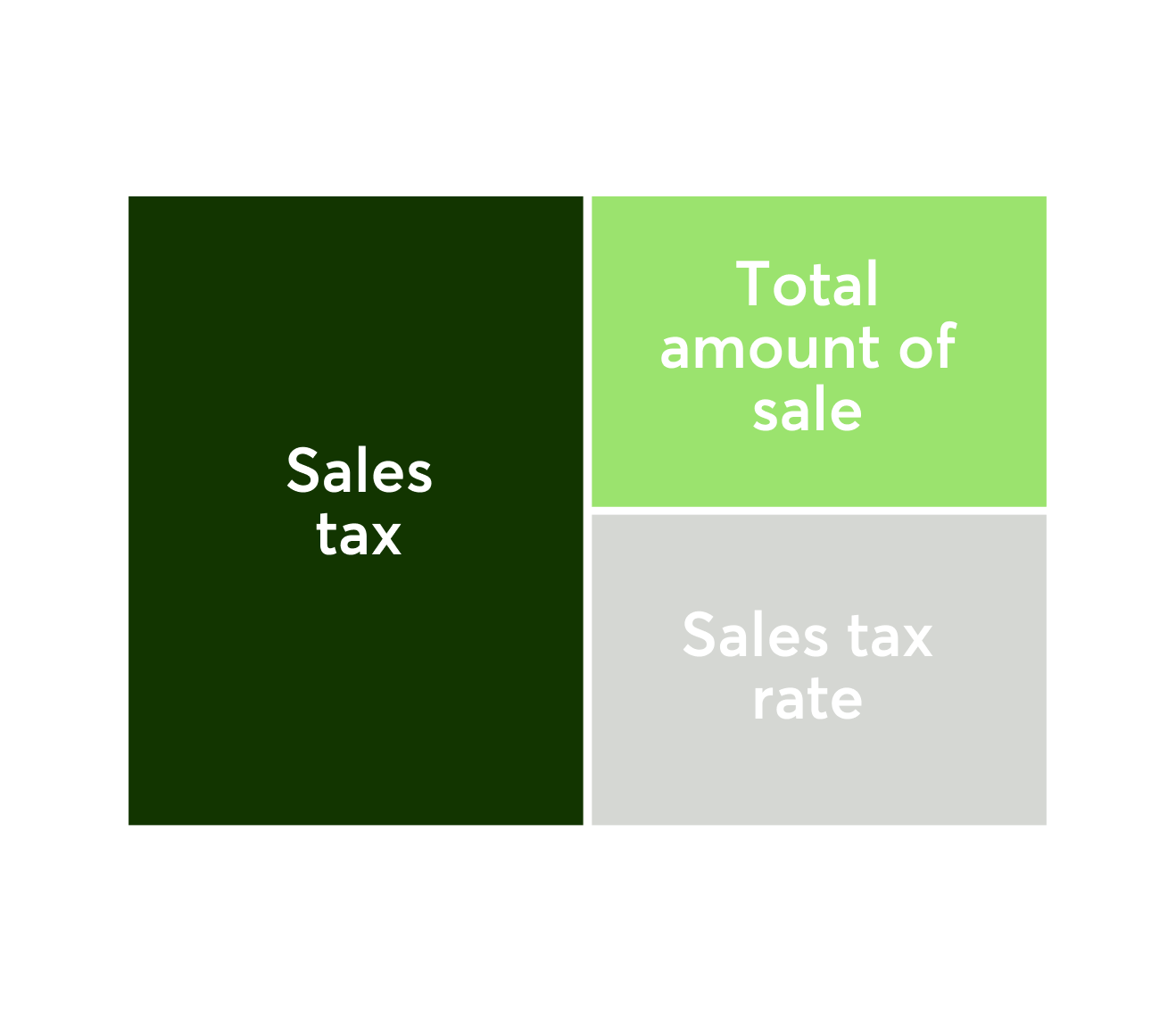
The combination of the statewide rate and these various local district taxes results in a wide range of effective sales tax rates across California.
Finding the Correct Rate
Determining the exact sales tax rate for a specific location can be done through several methods:
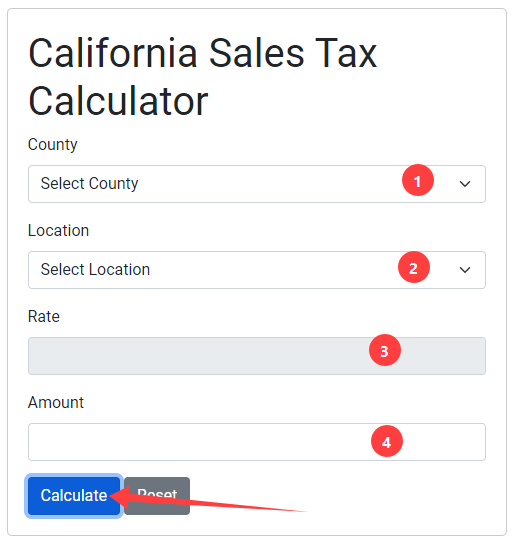
- The CDTFA Website: The California Department of Tax and Fee Administration provides a powerful online tool where you can enter a street address, city, or zip code to find the applicable sales and use tax rate for that specific location. This is the most accurate and recommended method.
- Point of Sale: Most retailers are required to collect the correct sales tax based on their location. The register system will typically calculate this automatically. However, for significant purchases or when dealing with online sellers who may have less precise location data, it’s always good to be aware.
- Local Government Websites: In some cases, city or county government websites may also provide information on local tax rates.
Example:
Let’s consider two hypothetical scenarios:
- Shopping in Downtown Los Angeles: The sales tax rate here might be a combination of the state rate (7.25%) plus a city tax, a county tax, and potentially a special district tax, pushing the total rate to, for instance, 9.50%.
- Shopping in a smaller city in Orange County: The rate could be similar, or it could be slightly different depending on the specific city and its district taxes, perhaps landing at 8.75%.
This variability underscores why knowing where you are purchasing an item is critical for accurately calculating sales tax.
Use Tax: The Complement to Sales Tax
California also imposes a “use tax.” This tax is designed to apply to the use, storage, or other consumption in California of tangible personal property that was purchased outside of California in a transaction that would have been taxable if it had occurred in California.
When Does Use Tax Apply?
Use tax is essentially the counterpart to sales tax and is designed to prevent individuals from avoiding California sales tax by making purchases elsewhere. Common scenarios where use tax might apply for travelers include:
- Online Purchases: If you order an item from an out-of-state online retailer who does not collect California sales tax, and you have the item shipped to your California address, you are generally responsible for paying use tax on that item. The use tax rate is the same as the sales tax rate in your California locality.
- Purchases Made While Traveling Abroad: If you bring goods into California that you purchased while traveling outside the state, and the value exceeds certain exemption thresholds (e.g., for items brought in by travelers), you may owe use tax.
- Purchases from Out-of-State Vendors at Trade Shows or Events: If you attend an event in California where an out-of-state vendor is selling goods, and they do not collect California sales tax, you may be responsible for remitting use tax.
Reporting and Paying Use Tax
Most individuals report and pay use tax when they file their California state income tax return. The Franchise Tax Board (FTB) is responsible for collecting use tax when it’s reported on income tax returns. For businesses, use tax is typically reported and paid directly to the CDTFA.
Practical Tips for Travelers
Navigating sales tax doesn’t have to be a burden. Here are some practical tips for travelers to keep in mind:
- Be Aware of Your Location: Always know the city and county you are in when making a significant purchase. This will help you estimate the tax.
- Check for Exemptions: If you are purchasing food items, clarify whether they are prepared or unprepared. This can lead to significant savings.
- Understand Online Purchases: If you are buying items online to be shipped to your California address, check if the seller is collecting California sales tax. If not, be prepared to potentially owe use tax.
- Keep Receipts: For substantial purchases, keep your receipts. They will show the amount of sales tax paid, which can be helpful for tracking expenses, especially for business travel.
- Utilize the CDTFA Website: The California Department of Tax and Fee Administration website is your best resource for up-to-date tax rate information.
- Consider the “Destination Rule”: For shipped items within California, the sales tax rate is based on the destination where the item will be delivered, not where the sale was made.
By understanding these fundamental principles and utilizing available resources, travelers can confidently manage their sales tax obligations while enjoying all that California has to offer, from the iconic attractions of Yosemite National Park to the vibrant culinary scene in San Diego. A little knowledge goes a long way in ensuring a stress-free and financially sound journey through the Golden State.
LifeOutOfTheBox is a participant in the Amazon Services LLC Associates Program, an affiliate advertising program designed to provide a means for sites to earn advertising fees by advertising and linking to Amazon.com. Amazon, the Amazon logo, AmazonSupply, and the AmazonSupply logo are trademarks of Amazon.com, Inc. or its affiliates. As an Amazon Associate we earn affiliate commissions from qualifying purchases.