
An apostille is a crucial document for international travel and recognition, particularly when dealing with official paperwork. For those residing in or having documents originating from California, understanding the process of obtaining an apostille is essential. This guide will navigate you through the steps, requirements, and considerations for securing an apostille in the Golden State.
Understanding the Apostille and Its Purpose
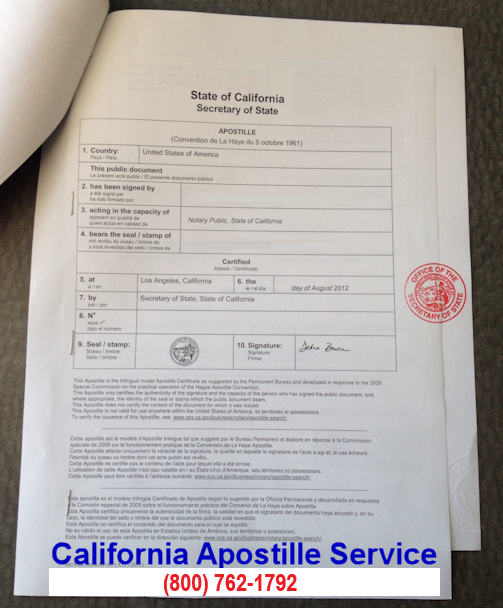
Before diving into the procedural aspects, it’s vital to grasp what an apostille is and why it’s necessary. An apostille is a form of authentication issued by a designated government authority, in this case, the California Secretary of State’s office. It certifies the authenticity of the signature and seal on a document intended for use in foreign countries that are signatories to the Hague Convention of 1961.

What Documents Require an Apostille?
The need for an apostille arises when you plan to use official documents abroad for various purposes. Common examples include:
- Educational Records: Diplomas, transcripts, and degrees from California institutions are frequently authenticated for study or employment abroad.
- Business Documents: Articles of incorporation, certificates of good standing, and powers of attorney for international business ventures.
- Personal Documents: Marriage certificates, divorce decrees, birth certificates, and adoption papers when used for immigration, marriage, or residency in another country.
- Legal Documents: Court orders, affidavits, and notary public acknowledgments that need to be recognized internationally.
The receiving country will typically specify whether an apostille is required. It’s always best to confirm this with the foreign authority or embassy beforehand. Without an apostille, these documents may not be recognized or accepted by foreign governments, rendering them ineffective.
The Hague Convention and Apostille Equivalents
The California Secretary of State’s office handles apostilles for documents originating within the state. Countries that are not signatories to the Hague Convention require a more elaborate authentication process known as “legalization” through the U.S. Department of State and the foreign country’s embassy. However, for the vast majority of countries (over 100), the apostille is the streamlined and universally accepted method.
The Process of Obtaining an Apostille in California
Securing an apostille in California involves several distinct steps, each requiring careful attention to detail to avoid delays or rejections.
Step 1: Ensure Your Document is Ready for Authentication
This is the foundational step. Not all documents can be apostilled directly.
Notarization Requirements
Many documents, such as powers of attorney, affidavits, and personal letters, must first be notarized by a California Notary Public. The notary’s seal and signature are what the Secretary of State’s office will authenticate. Ensure the notary has properly executed the document, including their commission information and stamp.
Certified Copies
For vital records like birth, marriage, or death certificates, you will typically need to obtain a certified copy from the issuing county clerk or the California Department of Public Health. These certified copies are usually issued with an official seal and signature that can be apostilled.
State-Issued Documents
Documents already issued by a California state agency, such as professional licenses from the Medical Board of California or diplomas from University of California, Berkeley, may not require prior notarization if they bear an original signature and seal from the issuing authority.
County-Issued Documents
Documents like marriage licenses or property deeds issued by a California county clerk’s office generally require their certification or seal.
Step 2: Identify the Correct Issuing Authority
For documents originating in California, the sole authority for issuing apostilles is the California Secretary of State. There are multiple California Secretary of State offices, but the apostille services are typically handled at specific locations or through mail-in procedures.
Step 3: Complete the Apostille Application Form
The California Secretary of State’s office requires a specific application form to be filled out for each apostille request. This form will ask for detailed information about the document you are submitting, including:
- The type of document.
- The name of the individual or entity requesting the apostille.
- The country where the document will be used.
- Contact information for the requester.
It is crucial to fill out this form accurately and completely. Any errors or omissions can lead to your application being rejected.

Step 4: Submit the Required Documents and Fees
Once the application form is completed, you will need to submit it along with the original or certified copy of the document you wish to have apostilled. California requires the original document or a certified copy issued by the custodian of the record.
Fees
The fee for an apostille in California is set by the Secretary of State’s office and is subject to change. As of recent updates, the fee is typically a per-document charge. It’s essential to check the current fee schedule on the official California Secretary of State website before submitting your application. Payment methods usually include checks, money orders, or credit cards, depending on the submission method.
Submission Methods
The California Secretary of State generally offers several ways to submit your apostille request:
- In Person: You can visit one of the designated California Secretary of State offices that handle apostilles. This often allows for same-day service, though appointments may be required. Be sure to check the office hours and specific services offered at each location.
- By Mail: You can mail your completed application, the document to be apostilled, and the required fee to the California Secretary of State’s office. Mail-in processing times are typically longer than in-person submissions.
- Through an Apostille Service: Numerous private companies specialize in obtaining apostilles on behalf of individuals and businesses. These services can be more expensive but offer convenience and can expedite the process, especially if you are located far from a California office or are not familiar with the procedures. They handle the submission and collection, saving you time and potential complications.
Step 5: Processing and Receiving Your Apostille
After submitting your request, the California Secretary of State’s office will review your documents. If everything is in order, they will attach the apostille certification to your original document or certified copy. The apostille is essentially a paper certificate, usually with a seal and signature, that is affixed to or accompanies the document it authenticates.
Processing Times
Processing times can vary significantly depending on the submission method and the current workload of the California Secretary of State’s office.
- In-person: Often processed within hours, sometimes on the same day.
- Mail-in: Can take several weeks, sometimes longer during peak periods.
- Apostille Services: Will vary based on the service provider’s efficiency and their submission schedule to the state office.
It is advisable to factor in ample processing time when planning international travel or deadlines. Always check the California Secretary of State website for the most up-to-date estimated processing times.
Important Considerations and Tips
Navigating the apostille process can be complex. Here are some additional tips to ensure a smooth experience:
Double-Check Document Authenticity
Before sending any document for an apostille, meticulously review it for any errors, smudges, or incomplete information. Ensure all required signatures are present and that notary seals are clear and legible.
Verify Document Requirements with the Receiving Country
The most critical step is to confirm with the intended recipient country precisely what type of document they require and if an apostille is indeed the correct form of authentication. Some countries might have specific requirements regarding the age of documents or the type of certification needed. For instance, a document for use in France might have different stipulations than one for use in Mexico.
Understand the Difference Between Apostille and Notarization
A notarization authenticates the signature of the notary public on a document. An apostille, on the other hand, authenticates the notary’s signature and seal (or the signature and seal of the official who originally issued the document), confirming its legitimacy for international use. You often need both a notarization and an apostille for certain documents.
Shipping and Return of Documents
If you are mailing your documents, consider using a trackable and insured shipping method. This provides peace of mind and a record of transit. When using an apostille service, they will typically handle the return shipping to your specified address.
Legal Advice
For complex legal documents or intricate international requirements, consulting with an attorney specializing in international law or immigration can be highly beneficial. They can advise on the correct documentation and the apostille process specific to your situation.
Utilizing Online Resources
The official website of the California Secretary of State is an invaluable resource. It provides current fee schedules, downloadable application forms, mailing addresses, and contact information for any queries. Staying informed through their official channels is paramount.
By following these steps and paying close attention to the details, you can successfully obtain an apostille for your California-originated documents, paving the way for their acceptance and validity in foreign countries. This official certification is a small but vital step in many international endeavors, from pursuing higher education at institutions like Stanford University to conducting business across borders or settling abroad in places like Canada.
LifeOutOfTheBox is a participant in the Amazon Services LLC Associates Program, an affiliate advertising program designed to provide a means for sites to earn advertising fees by advertising and linking to Amazon.com. Amazon, the Amazon logo, AmazonSupply, and the AmazonSupply logo are trademarks of Amazon.com, Inc. or its affiliates. As an Amazon Associate we earn affiliate commissions from qualifying purchases.