
California’s approach to firearms regulation is famously stringent, and this extends to open carry. For many years, California largely prohibited the open carry of loaded firearms in public. However, recent legal developments and evolving interpretations have opened avenues for individuals seeking permits for open carry. Navigating these regulations requires a thorough understanding of state laws, local ordinances, and the specific requirements set forth by California law enforcement agencies. This guide aims to demystify the process, offering insights into eligibility, application procedures, and important considerations for those interested in obtaining an open carry permit in the Golden State.
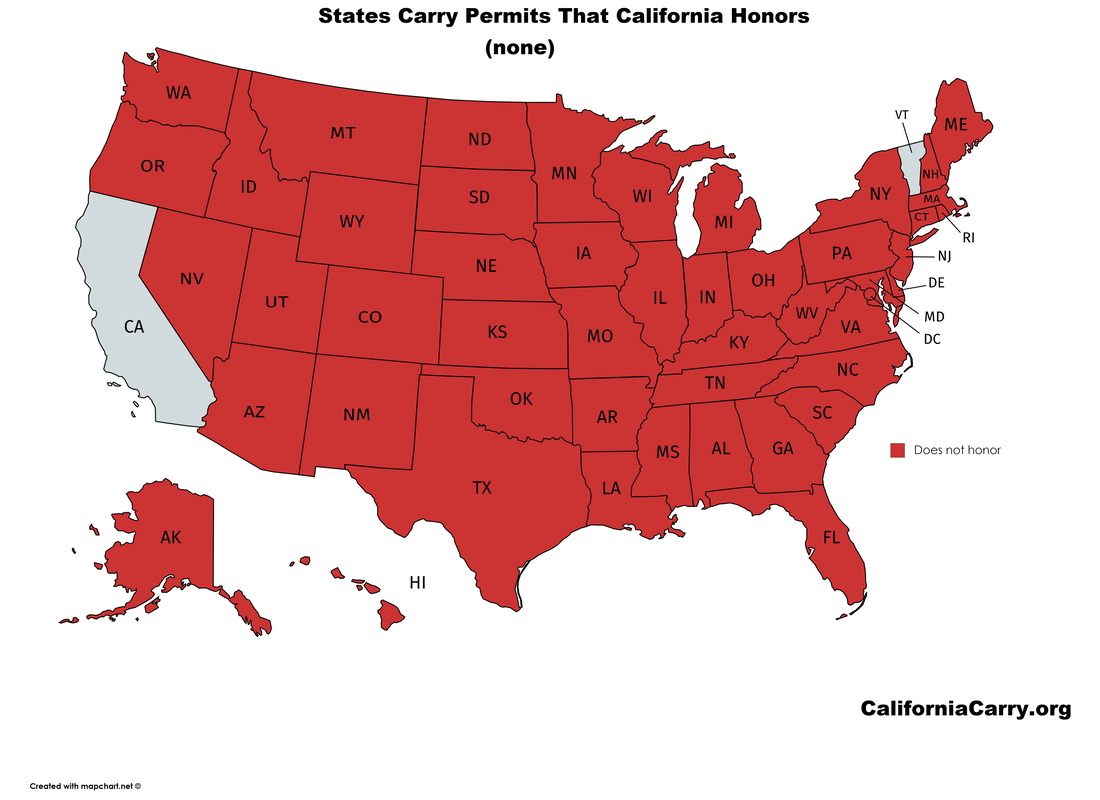
Understanding California’s Open Carry Landscape
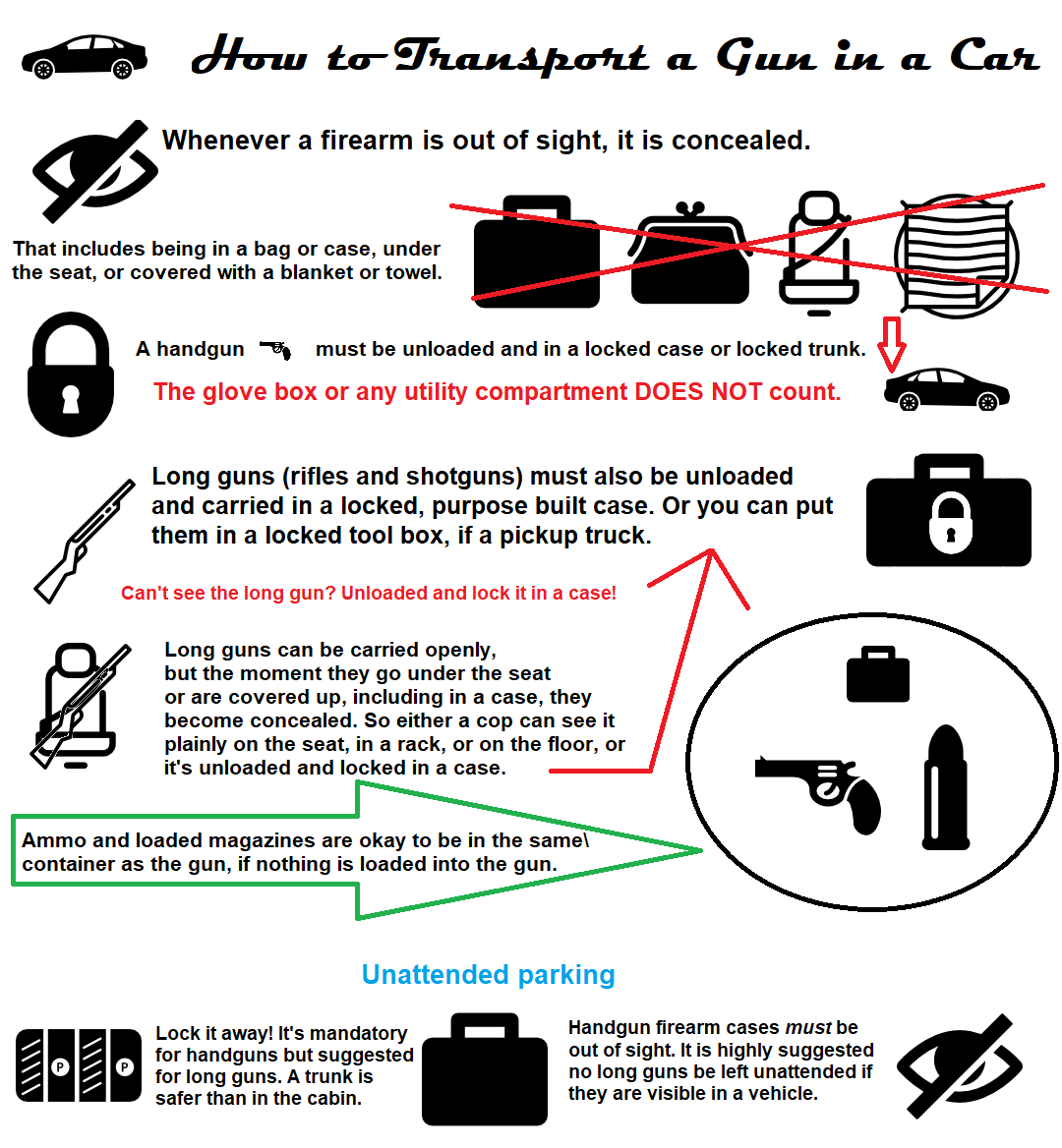
The legal framework surrounding firearm possession and carriage in California is complex and has undergone significant changes. Historically, California operated under a “may-issue” system for concealed carry permits, meaning law enforcement had broad discretion in granting them. Open carry, for a long time, was largely restricted to specific circumstances, such as when transporting firearms unloaded and in a locked container for lawful purposes like hunting or target practice.
The pivotal shift began with legal challenges that contested the state’s broad prohibitions. While California has not universally adopted a “shall-issue” policy for concealed carry, court rulings have influenced the landscape for open carry, particularly concerning the issuance of permits. The ability to obtain an open carry permit in California is now largely dependent on demonstrating a “good cause” or “substantial reason” for carrying a firearm openly. This concept has been the subject of intense legal debate and has seen varying interpretations across different counties.
The “Good Cause” Requirement
The cornerstone of obtaining an open carry permit in many California jurisdictions has been the demonstration of “good cause” or a “substantial reason” for needing to carry a firearm openly. This requirement signifies that a permit is not typically granted for general self-defense or convenience. Instead, applicants often need to articulate specific threats or circumstances that necessitate open carry. Examples that have historically been considered might include:
- Specific Threats: Documented threats against an individual or their business, where open carry might serve as a deterrent or a means of protection.
- High-Risk Professions: Individuals whose professions place them in inherently dangerous situations, such as armored car guards or private investigators, though these often have specific licensing requirements that may supersede general open carry permits.
- Protection of Valuable Property: In certain limited cases, individuals who regularly transport or possess significant amounts of cash or other high-value items might present a case for good cause, provided they can demonstrate a verifiable and substantial risk of robbery or theft.
It is crucial to understand that the interpretation and application of “good cause” can vary significantly from one county Sheriff’s or Police Department to another. What might be considered sufficient justification in one county could be deemed inadequate in another. Therefore, direct consultation with the issuing agency in your locality is paramount.
Changes Post-Bruen Decision
The Supreme Court’s decision in New York State Rifle & Pistol Association, Inc. v. Bruen (2022) has had a profound impact on firearm regulations nationwide, including in California. The Bruen decision struck down New York’s restrictive concealed carry licensing law, ruling that the Second Amendment protects an individual’s right to carry a handgun publicly for self-defense. While Bruen specifically addressed concealed carry, its implications have reverberated through open carry laws.
In California, the Bruen decision has led to legal challenges and subsequent adjustments in how open carry permits are handled. The “good cause” requirement, particularly as it was interpreted to necessitate a heightened level of danger beyond general self-defense, has faced scrutiny. Some legal interpretations suggest that the Bruen ruling may necessitate a more permissive approach to firearm permits, including open carry, when an applicant demonstrates an ability to lawfully possess a firearm and intends to carry it for self-defense. However, California continues to implement its own legislative responses and has introduced new licensing schemes that aim to comply with the Bruen decision while maintaining public safety. This evolving legal landscape means that staying abreast of the latest court decisions and legislative changes is essential.
Eligibility Requirements for an Open Carry Permit
Before embarking on the application process, prospective permit holders must ensure they meet the fundamental eligibility criteria established by California law. These requirements are designed to ensure that only responsible and law-abiding citizens are granted the privilege of carrying firearms in public.
Basic Qualifications
- Age: Applicants must generally be 21 years of age or older.
- Residency: Proof of residency within the jurisdiction of the issuing agency is typically required. This often involves utility bills, lease agreements, or other official documents.
- Criminal Record: A clean criminal record is paramount. Applicants cannot have been convicted of any felony offenses or certain misdemeanor offenses that disqualify them from firearm possession. This includes prohibiting offenses related to violent crimes, domestic violence, and other serious offenses.
- Mental Health: Individuals who have been adjudicated as mentally deficient or who have been involuntarily committed to a mental institution are generally disqualified.
- Firearm Proficiency: While not always explicitly a permit requirement in the same way as for some concealed carry permits, demonstrating knowledge of firearm safety and handling is often implicitly expected and may be assessed through various means.
- Legal Possession: The applicant must be legally allowed to own and possess a firearm.
Background Checks and Investigations
A critical component of the application process is a thorough background investigation. This typically involves:
- Fingerprinting: Applicants will undergo Live Scan fingerprinting, which is cross-referenced against state and federal databases for any disqualifying records.
- Psychological Evaluation: In some jurisdictions, a psychological evaluation or questionnaire may be required to assess an applicant’s mental fitness.
- Interviews: Law enforcement agencies may conduct interviews with the applicant to further assess their suitability and discuss their reasons for seeking the permit.
- Character References: Some agencies might request references from individuals who can attest to the applicant’s character and responsible behavior.
The Application Process
The process of applying for an open carry permit in California is multifaceted and requires meticulous attention to detail. It generally involves gathering documentation, completing forms, undergoing background checks, and potentially demonstrating a specific need.
Step-by-Step Guide
- Identify the Issuing Agency: Determine which law enforcement agency has jurisdiction over your place of residence. This will typically be your local county Sheriff’s Department or a city Police Department.
- Obtain Application Materials: Contact the designated agency or visit their official website to obtain the necessary application forms and any accompanying documentation checklists.
- Complete the Application Form: Fill out the application accurately and completely. Any omissions or misrepresentations can lead to disqualification. Be prepared to provide detailed personal information, including your residential history, employment, and any prior firearm training.
- Document “Good Cause” (If Applicable): If your jurisdiction still requires a “good cause” statement, meticulously document your reasons for seeking an open carry permit. Provide any supporting evidence, such as police reports, threat assessments, or business documentation that substantiates your claim.
- Submit the Application and Fees: Submit the completed application, along with the required application fee. Fees vary by jurisdiction and are typically non-refundable.
- Undergo Background Checks: Cooperate fully with the background investigation, including providing fingerprints and attending any scheduled interviews or evaluations.
- Firearm Training (Potential Requirement): While California law does not mandate specific firearm training for all open carry permits, some agencies may require proof of completion of a firearm safety course or a demonstration of proficiency. It is advisable to have completed such training regardless, as it enhances safety and readiness.
- Permit Issuance: If your application is approved after all checks and investigations are completed, the permit will be issued. The duration of the permit and its renewal process will be outlined by the issuing agency.
Local Ordinances and Variations
It is imperative to reiterate that California’s firearms laws are a patchwork of state statutes and local ordinances. Even if state law permits open carry under certain conditions, local jurisdictions can impose their own regulations. This means that the requirements and the likelihood of obtaining a permit can differ significantly from one city or county to another. For example, the interpretation of “good cause” can be more lenient in one county than another, or certain types of firearms may be restricted by local law. Always consult the specific regulations of your local law enforcement agency.
Important Considerations and Legal Responsibilities
Obtaining an open carry permit is a significant responsibility that carries with it a stringent set of legal obligations and ethical considerations. Understanding these aspects is crucial for responsible firearm ownership and for maintaining the privilege granted by the permit.
Legal Restrictions on Open Carry
Even with a permit, there are numerous places where open carry is prohibited. These include, but are not limited to:
- Schools and Universities: Carrying firearms on school grounds, including K-12 schools and public universities, is strictly prohibited.
- Government Buildings: Federal, state, and local government buildings often have prohibitions against carrying firearms.
- Courthouses: Courthouses are designated gun-free zones.
- Airports and Airplanes: Firearms are not permitted in airport terminals or on aircraft.
- Private Property: Property owners have the right to prohibit firearms on their premises. If you are carrying openly, you must respect “No Firearms” signage.
- Prohibited Areas: California law designates other areas as off-limits for firearm carry, such as polling places on election days or specific areas with high concentrations of individuals.
It is the permit holder’s responsibility to be aware of and adhere to all federal, state, and local laws regarding where firearms can and cannot be carried. Ignorance of the law is not a valid defense.
Responsible Firearm Handling and Storage
Permit holders are expected to exercise the highest degree of responsibility when handling and storing their firearms. This includes:
- Safe Handling Practices: Always treat firearms as if they are loaded, keep your finger off the trigger until ready to fire, and be aware of your target and what is beyond it.
- Secure Storage: When not in your immediate possession, firearms must be stored securely to prevent unauthorized access, especially by children or prohibited individuals. This typically means using a gun safe, lockbox, or other secure mechanism.
- Awareness of Surroundings: When openly carrying, be acutely aware of your surroundings and the impact your presence may have on others. Avoid displaying the firearm unnecessarily or in a manner that could be perceived as threatening or provocative.
- De-escalation: In situations of potential conflict, prioritize de-escalation and avoid drawing or using your firearm unless it is absolutely necessary for self-defense against imminent threat of death or great bodily injury.

Renewal and Recertification
Firearm permits are not permanent. They have an expiration date, and renewal procedures must be followed to maintain their validity. This typically involves:
- Notification: The issuing agency will usually notify permit holders when their permit is nearing expiration.
- Application for Renewal: A renewal application must be submitted, often with updated information and potentially a new fee.
- Continued Eligibility: Applicants must continue to meet all eligibility requirements at the time of renewal. Any changes in criminal record or mental health status can lead to denial of renewal.
- Potential Re-evaluation: Depending on the jurisdiction and changes in law, renewal may involve a re-evaluation of “good cause” or additional training requirements.
Navigating the legal landscape of open carry in California is a complex undertaking. By understanding the historical context, eligibility requirements, application processes, and ongoing legal responsibilities, individuals can approach this process with informed diligence. Always consult directly with your local law enforcement agency for the most accurate and up-to-date information pertaining to your specific circumstances.
LifeOutOfTheBox is a participant in the Amazon Services LLC Associates Program, an affiliate advertising program designed to provide a means for sites to earn advertising fees by advertising and linking to Amazon.com. Amazon, the Amazon logo, AmazonSupply, and the AmazonSupply logo are trademarks of Amazon.com, Inc. or its affiliates. As an Amazon Associate we earn affiliate commissions from qualifying purchases.