
Navigating the bureaucratic landscape can often feel like a daunting expedition, especially when crucial documents are involved. For many travelers, expatriates, or individuals undertaking significant life events such as international relocation, securing a birth certificate is a common necessity. In the state of California, obtaining this vital record involves a structured process that, while straightforward, requires attention to detail. This guide aims to demystify the procedures for acquiring a birth certificate in California, ensuring a smooth experience for those venturing beyond its borders or establishing their roots within its vibrant cities.

Understanding Birth Certificate Types and Eligibility
Before embarking on the application process, it’s essential to understand the different types of birth certificates available and who is eligible to request them. California distinguishes between two primary forms: an “informational” copy and a “certified” copy. The distinction is critical, as their uses and accessibility differ significantly.
Informational Certified Copy
An informational certified copy of a birth certificate serves as proof of birth but cannot be used for identity verification purposes. It is generally issued to any individual who can demonstrate a relationship to the registrant or has a signed authorization from the registrant or their legal representative. These copies are often used for genealogical research or personal record-keeping.
Certified Copy
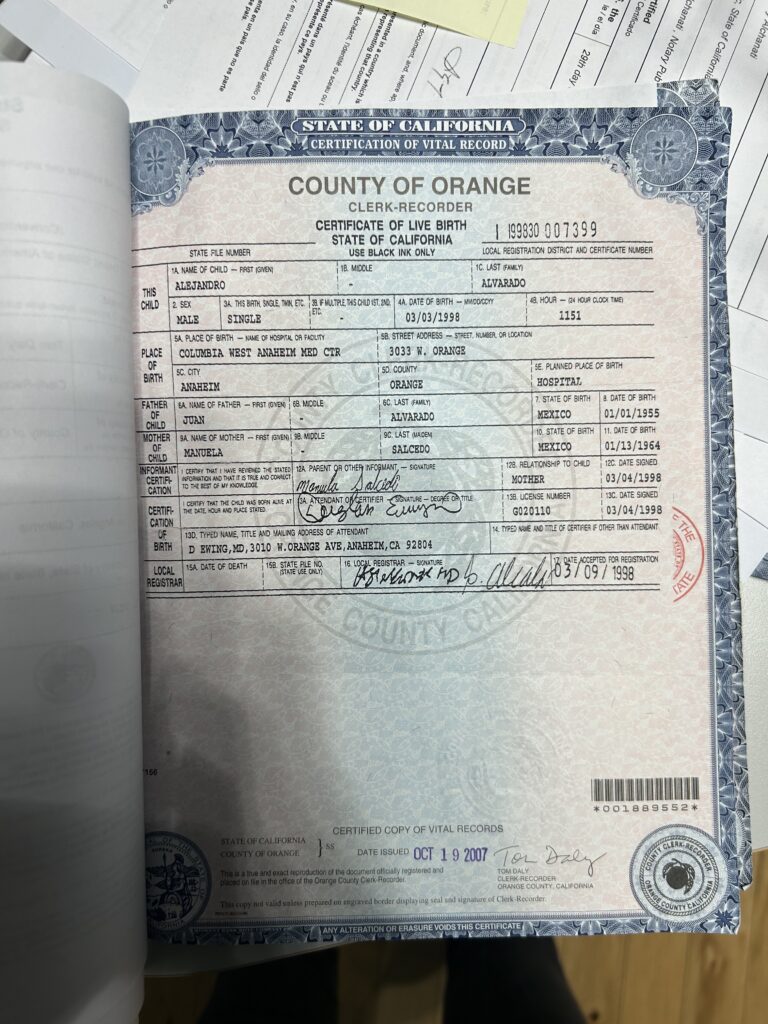
A certified copy is the official document used for legal and identity purposes, such as obtaining a passport, enrolling in school, applying for a driver’s license, or proving citizenship. Due to its legal implications, California has strict regulations on who can obtain a certified copy to protect against identity theft and fraud.
Eligible Requestors for Certified Copies
In California, only specific individuals are permitted to request a certified copy of a birth certificate. These typically include:
- The registrant (the person named on the certificate)
- A parent or legal guardian of the registrant
- A child, grandparent, grandchild, sibling, spouse, or domestic partner of the registrant
- A member of a law enforcement agency or representative of a government agency, as provided by law, who is conducting official business
- An attorney representing the registrant or the registrant’s estate, or any person or agency empowered by statute or appointed by a court to act on behalf of the registrant or the registrant’s estate
- An agent or employee of a funeral establishment, acting within the scope of their employment, who is assisting with the disposition of remains and has a written authorization from a person entitled to receive a certified copy of the record.
Individuals who do not fall into these categories may only obtain an informational copy. This stringent policy is in place to safeguard personal information and prevent misuse.
Methods for Requesting a Birth Certificate in California
California offers several convenient methods for requesting a birth certificate, catering to diverse needs and circumstances. Whether you are a resident of California, currently residing elsewhere, or even abroad, there are avenues available. The most common methods include applying in person, by mail, or through an authorized third-party service.
In-Person Application
Applying in person at a California county recorder’s office or the California Department of Public Health – Vital Records (CDPH-VR) office is often the quickest way to receive your birth certificate, especially if you are local.
Requirements for In-Person Applications
When applying in person, you will typically need to:
- Complete an Application Form: Download and fill out the Application for Certified Copy of Birth Record (VS 111) or the specific county form prior to your visit.
- Provide Valid Identification: Present a valid, government-issued photo identification, such as a driver’s license, state ID card, passport, or military ID. If your ID does not list your current address, you may need to provide additional proof of residency.
- Pay the Required Fee: Fees vary by county and by the California Department of Public Health. It is advisable to check the specific fees beforehand. Payment is usually accepted via cash, check, or money order. Some offices may accept credit cards.
- Submit Proof of Eligibility (for Certified Copies): As outlined previously, you must be an eligible requestor. You may need to provide supporting documentation if your eligibility is not immediately evident from your identification (e.g., marriage certificate for a spouse, birth certificate for a parent).
The California Department of Public Health – Vital Records (CDPH-VR) office in Sacramento handles requests for records statewide. However, county recorder offices are often the primary point of contact for births that occurred within their specific county.
Mail-In Application
For those who cannot visit an office in person, applying by mail is a viable option. This method is particularly useful for individuals living outside of California or those who prefer a paper-based process.
Steps for a Mail-In Application
- Download and Complete the Application Form: Obtain the appropriate application form from the California Department of Public Health – Vital Records (CDPH-VR) website or your local county recorder’s website.
- Notarize Your Application: This is a critical step for mail-in requests. You must have your signature on the application form notarized by a Notary Public. The Notary will verify your identity and witness your signature. This notarization serves as proof of your identity and authorization.
- Include a Self-Addressed, Stamped Envelope (Optional but Recommended): Some counties may require this.
- Provide a Check or Money Order for the Fee: Make payable to the appropriate office (e.g., California Department of Public Health, County Name Recorder).
- Mail the Completed Application Package: Send the notarized application form, payment, and any other required documents to the address specified by the CDPH-VR or the relevant county recorder’s office.
Processing times for mail-in applications can vary significantly, often taking several weeks. It is advisable to start this process well in advance of any anticipated deadlines.
Online and Third-Party Services
Several authorized third-party services and online portals can assist with the birth certificate application process. These services often streamline the application by providing user-friendly interfaces and managing the submission to the appropriate government agencies.

Considerations for Online Services
- Verification and Legitimacy: It is paramount to use only reputable and authorized online services. Look for services that clearly state they are working with official government channels. Be wary of sites that charge exorbitant fees or make unrealistic promises.
- Fees: These services typically charge an additional processing fee on top of the state or county fee for their convenience.
- Processing Times: While some online services may offer expedited processing, it’s important to understand that the ultimate approval and issuance of the certificate still depend on the government agency.
- Data Security: Ensure the service has robust security measures to protect your personal information.
When using such services, meticulously read their terms and conditions, and understand exactly what they offer and what their fees cover.
Specific County Recorder Offices vs. State Department of Public Health
California is divided into 58 counties, each with its own County Recorder’s office responsible for maintaining vital records, including birth certificates, for events that occurred within their jurisdiction. The California Department of Public Health – Vital Records (CDPH-VR) also serves as a central repository and processing center for birth certificates statewide.
When to Contact Your County Recorder
- Recent Births: For births that occurred very recently, the county recorder’s office where the birth took place is typically the first and most efficient point of contact.
- Local Convenience: If you reside in or are near the county where the birth occurred, an in-person visit to the county recorder can be advantageous.
- Specific County Procedures: Each county may have slightly different procedures, forms, or processing times. Checking the specific county recorder’s website is always recommended.
Some prominent county recorder offices include:
- Los Angeles County Registrar-Recorder/County Clerk
- San Diego County Recorder
- San Francisco County Clerk
- Alameda County Clerk-Recorder
When to Contact the California Department of Public Health (CDPH-VR)
- Births More Than a Year Ago: While counties handle recent births, the CDPH-VR is the primary source for older records or if the county of birth is unknown.
- Out-of-State Residents: Individuals not living in California may find it more straightforward to apply directly through the state office, especially if they cannot easily visit a specific county recorder.
- Statewide Search: The CDPH-VR can conduct a statewide search if the exact county of birth is uncertain.
It is crucial to identify the correct office based on the birth location and the date of birth to ensure your request is processed efficiently.
Special Circumstances and Considerations
Beyond the standard application process, several special circumstances and considerations might apply when obtaining a birth certificate in California. These can range from amendments and corrections to international verification needs.
Amendments and Corrections
If there is an error on a birth certificate, such as a misspelled name, incorrect date of birth, or missing information, an amendment or correction process is available. This usually requires submitting a formal application, along with supporting legal documents (e.g., court orders, affidavits, or other evidence proving the correct information). The process and required documentation vary depending on the nature of the correction and may be handled by the county recorder or the CDPH-VR.
International Use and Apostilles
For birth certificates intended for use outside the United States, an Apostille or Certificate of Authentication is often required. This is an international certification that verifies the authenticity of the document.
Obtaining an Apostille in California
- Obtain a Certified Copy: First, you must obtain a certified copy of the birth certificate from either the county recorder or the CDPH-VR.
- Submit to the California Secretary of State: Once you have the certified birth certificate, you will need to submit it to the California Secretary of State’s office along with an application for an Apostille and the required fee. The Secretary of State’s office verifies the authenticity of the notary public or county clerk’s seal on the certified copy.
This process is vital for individuals planning to use their birth certificate for visa applications, marriage, or other legal purposes in foreign countries that are signatories to the Hague Convention.
Fees and Processing Times
It is essential to be aware of the costs and the timeframes involved.
- Fees: Standard fees for a certified copy of a birth certificate in California are set by the state, typically around $29. However, counties may have additional administrative fees. Always check the most current fee schedule on the official website of the relevant office.
- Processing Times:
- In-Person: Can often be issued the same day, especially at county offices.
- Mail-In: Typically ranges from 2 to 6 weeks, but can be longer during peak periods.
- CDPH-VR: Mail-in requests to the state office can take 4 to 6 weeks or more.
Planning well in advance is crucial, especially if your travel plans or other deadlines are approaching.
Conclusion
Securing a birth certificate in California is a fundamental step for many life events, from international travel to establishing legal residency. By understanding the different types of certificates, eligibility requirements, and the various application methods – in-person, by mail, or through authorized online services – individuals can navigate the process with confidence. Whether you are coordinating a move abroad, facilitating a family relocation, or simply organizing essential personal documents, a clear grasp of these procedures will streamline your experience. Remember to always consult the official websites of the California Department of Public Health – Vital Records or the specific county recorder’s office for the most accurate and up-to-date information regarding forms, fees, and processing times. A well-prepared approach ensures that this vital document, a cornerstone of personal identity and legal standing, is obtained efficiently and accurately, paving the way for your future endeavors.
LifeOutOfTheBox is a participant in the Amazon Services LLC Associates Program, an affiliate advertising program designed to provide a means for sites to earn advertising fees by advertising and linking to Amazon.com. Amazon, the Amazon logo, AmazonSupply, and the AmazonSupply logo are trademarks of Amazon.com, Inc. or its affiliates. As an Amazon Associate we earn affiliate commissions from qualifying purchases.