
The question of “Is Cabo San Lucas in Mexico or California?” is a common one, particularly for travelers who might be drawn to the allure of the Baja California peninsula without a precise geographical grasp. This vibrant destination, officially known as Cabo San Lucas, is a jewel nestled at the southern tip of the Baja California Sur state in Mexico. It is famously situated on the Baja California Peninsula, a long, narrow landmass that extends south from the United States, with California being its northern neighbor. To be unequivocally clear, Cabo San Lucas is firmly within the borders of Mexico, approximately 1,000 miles south of the California border.
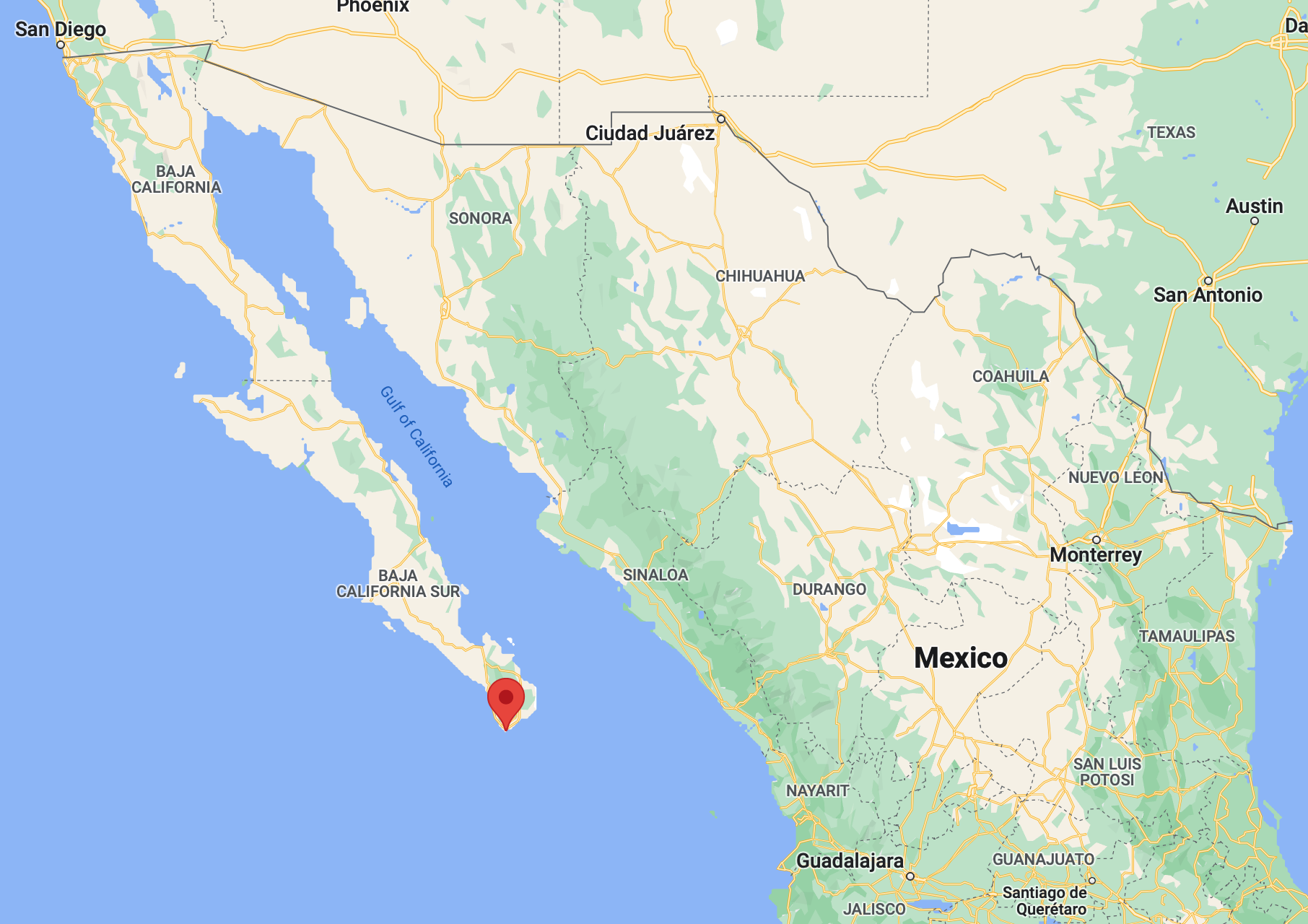
The confusion may arise from the proximity to the United States, the shared Spanish heritage of the region, and the popular nickname “Los Cabos,” which encompasses not only Cabo San Lucas but also the neighboring town of San José del Cabo, and the corridor that links them. This entire region has become a world-renowned tourist haven, attracting millions of visitors annually with its stunning landscapes, luxurious accommodations, and diverse activities. Understanding its precise location is the first step in planning an unforgettable trip to this Pacific-facing paradise.
Unpacking the Geography of Cabo San Lucas
To truly appreciate Cabo San Lucas, it’s essential to understand its geographical context. The Baja California Peninsula is a unique landform, a long stretch of desert and coastline that separates the Pacific Ocean from the Gulf of California (also known as the Sea of Cortez). Cabo San Lucas is strategically positioned at the very southernmost point of this peninsula, a dramatic meeting point where desert landscapes meet the vast blue expanse of the Pacific Ocean.
The Baja California Peninsula: A Land Divided
The Baja California Peninsula is politically divided into two Mexican states: Baja California to the north and Baja California Sur to the south. Cabo San Lucas resides in the latter, Baja California Sur. This distinction is important for travelers, as it impacts visa requirements (for some nationalities), local regulations, and the overall cultural flavor of the region. While both states share a similar arid climate and stunning natural beauty, they offer distinct experiences. Cabo San Lucas benefits from the warmer climate and calmer waters of the Gulf of California on one side and the more rugged Pacific Ocean on the other, providing a diverse range of coastal environments.
Proximity to the United States
The close proximity of Cabo San Lucas to the United States is a significant factor in its popularity as a tourist destination for Americans and Canadians. Major airlines operate frequent flights from numerous U.S. cities to Los Cabos International Airport (SJD), making it an easily accessible getaway. This ease of travel, combined with the perception of a similar lifestyle and a welcoming environment, sometimes leads to a conflation of its location with that of California. However, it is crucial to remember that Cabo San Lucas is a distinct Mexican municipality, offering a rich cultural tapestry woven from centuries of history, indigenous heritage, and Spanish influence.
Los Cabos: More Than Just a City
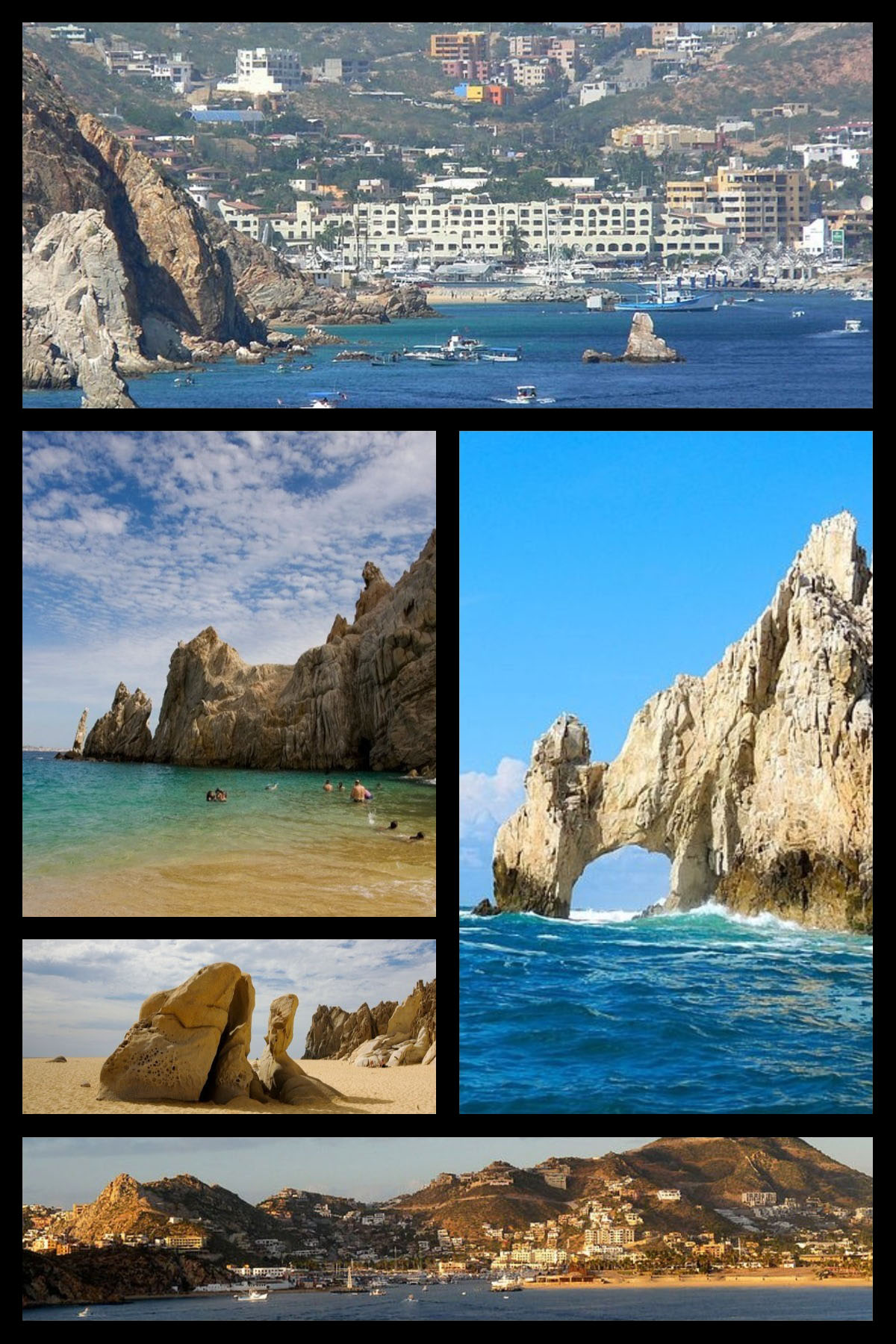
The term “Los Cabos” is often used interchangeably with Cabo San Lucas, but it’s important to recognize that “Los Cabos” is a broader designation. It refers to the entire municipality, which includes Cabo San Lucas, San José del Cabo, and the thirty-two-mile stretch of coastline between them known as the Tourist Corridor. Cabo San Lucas is the more developed and vibrant of the two main towns, famous for its bustling marina, lively nightlife, and iconic rock formations. San José del Cabo, on the other hand, offers a more tranquil and colonial atmosphere, with a charming historic downtown and a burgeoning arts scene. The Tourist Corridor is where many of the luxury resorts and world-class golf courses are located, offering breathtaking ocean views and exclusive experiences.
Navigating the Appeal of Cabo San Lucas
The allure of Cabo San Lucas extends far beyond its geographical coordinates. Its appeal lies in a potent combination of natural beauty, world-class amenities, and a vibrant atmosphere that caters to a wide spectrum of travelers. Whether seeking adventure, relaxation, or a blend of both, this Mexican paradise delivers an exceptional travel experience.
Iconic Natural Attractions
At the heart of Cabo San Lucas’s fame are its dramatic natural landmarks. The most iconic is undoubtedly El Arco (The Arch), a magnificent natural stone arch that marks the place where the Pacific Ocean meets the Gulf of California. This majestic formation, accessible by boat tours, is a photographer’s dream and a symbol of the region. Nearby, Lover’s Beach and Divorce Beach offer unique coastal experiences, with Lover’s Beach facing the calmer waters of the Gulf of California and Divorce Beach exposed to the powerful waves of the Pacific Ocean. The diverse marine life in the surrounding waters also makes Cabo San Lucas a prime destination for snorkeling and diving, with opportunities to explore vibrant coral reefs and swim alongside diverse aquatic species.
Luxury and Leisure
Cabo San Lucas has carved out a reputation as a premier destination for luxury travel. The region boasts an impressive array of five-star resorts, exclusive villas, and world-class golf courses designed by renowned architects. Travelers can indulge in opulent spa treatments, savor gourmet cuisine prepared by internationally acclaimed chefs, and enjoy impeccable service. Many resorts offer private beach access, infinity pools overlooking the ocean, and a plethora of activities, ensuring that guests experience the utmost in comfort and sophistication. The marina in Cabo San Lucas is also a hub for luxury yachts, reflecting the upscale nature of the destination.
Adventure and Activities
Beyond relaxation, Cabo San Lucas is a playground for adventure enthusiasts. From deep-sea fishing, for which it is globally renowned, to thrilling ATV rides through desert canyons, there are endless opportunities to get the adrenaline pumping. Whale watching tours are a seasonal highlight, with thousands of humpback whales migrating to the warm waters to breed and calve between December and April. Surfing and paddleboarding are popular on certain stretches of the coast, while kayaking and jet-skiing offer a more exhilarating way to explore the coastline. The diverse activities ensure that every visitor can find an adventure that suits their interests and energy levels.
Planning Your Trip to Cabo San Lucas
Understanding that Cabo San Lucas is a part of Mexico is the foundation for planning your visit. This knowledge influences everything from your travel documents to your cultural expectations. Embracing its Mexican identity will undoubtedly enrich your travel experience.
Travel Documentation
As Cabo San Lucas is in Mexico, travelers will need to comply with Mexican entry requirements. Depending on your nationality, this may involve a passport valid for at least six months beyond your intended stay. Many nationalities can enter Mexico for tourism purposes without a visa for stays up to 180 days. However, it is always advisable to check the latest visa and entry regulations with the Mexican embassy or consulate in your country of residence well in advance of your travel dates. Traveling with the correct documentation ensures a smooth arrival and departure.
Currency and Language
The official currency in Mexico is the Mexican Peso (MXN). While U.S. Dollars are widely accepted in tourist areas like Cabo San Lucas, it is often more advantageous to use Pesos for better exchange rates, especially for smaller purchases or in local markets. ATMs are readily available, and credit cards are accepted at most hotels, restaurants, and shops. The primary language spoken in Cabo San Lucas is Spanish. However, due to the high volume of international tourism, English is widely spoken in hotels, resorts, restaurants, and tourist establishments, making communication relatively easy for English-speaking visitors. Learning a few basic Spanish phrases, however, is always appreciated by locals and can enhance your cultural immersion.

Embracing the Local Culture
While Cabo San Lucas is a sophisticated tourist destination, it is also an integral part of Mexico’s rich cultural heritage. Beyond the resorts and beaches, there are opportunities to experience authentic Mexican life. Exploring the charming streets of San José del Cabo, visiting local markets, and sampling traditional Mexican cuisine are excellent ways to connect with the local culture. Engaging with the friendly Mexican people, learning about their traditions, and respecting local customs will undoubtedly lead to a more profound and memorable journey. From the vibrant colors of local art to the flavors of authentic dishes, Cabo San Lucas offers a genuine taste of Mexico.
LifeOutOfTheBox is a participant in the Amazon Services LLC Associates Program, an affiliate advertising program designed to provide a means for sites to earn advertising fees by advertising and linking to Amazon.com. Amazon, the Amazon logo, AmazonSupply, and the AmazonSupply logo are trademarks of Amazon.com, Inc. or its affiliates. As an Amazon Associate we earn affiliate commissions from qualifying purchases.