
California’s stance on firearms, particularly regarding open carry, is a topic of considerable interest for residents and visitors alike. Understanding the legal landscape surrounding firearms is crucial for anyone planning to travel to, or reside within, the Golden State. While the term “open carry” might suggest a general permissiveness, California’s laws are complex and nuanced, often creating confusion. This article delves into the specifics of California’s regulations, aiming to provide clarity for travelers and those considering a visit.
Understanding Open Carry in California
The concept of “open carry” generally refers to the practice of carrying a firearm in public in a visible manner. However, in California, the legal framework is far from a simple “yes” or “no.” The state has historically maintained some of the strictest gun control laws in the United States, and this extends to how firearms can be carried openly.
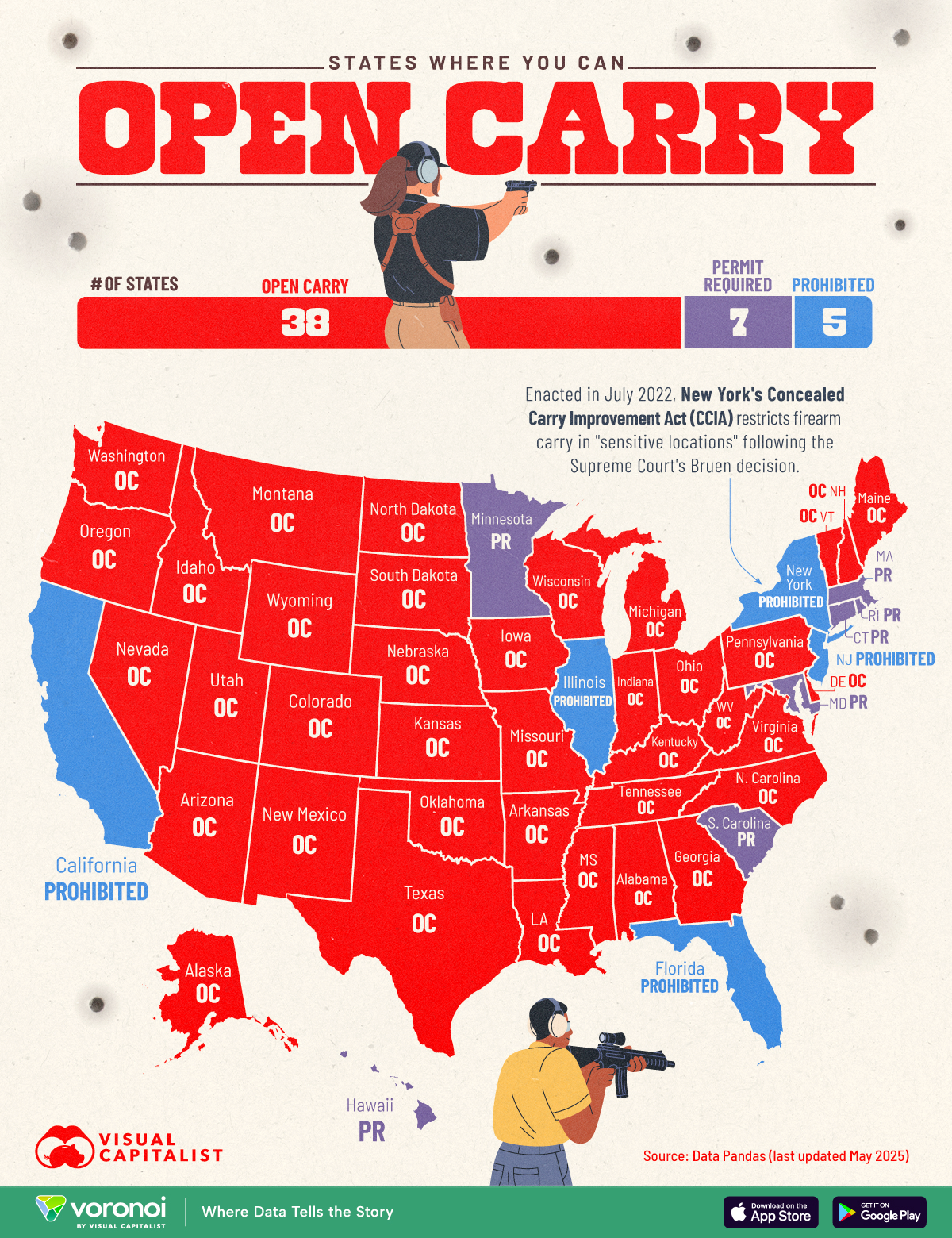
The Nuances of California Firearms Law
California law distinguishes between carrying a concealed firearm and carrying an openly displayed firearm. For most individuals, carrying a concealed firearm in California requires a permit, which is issued on a “shall-issue” basis in some counties and “may-issue” in others, depending on local sheriff or police department discretion. This means obtaining permission to carry a handgun discreetly can be a challenging process.
When it comes to open carry, the situation is equally, if not more, restrictive. California Penal Code Section 25850 (formerly 12031) generally prohibits carrying a loaded firearm in public, whether openly or concealed, without a permit. However, there are specific exceptions and interpretations that have evolved over time.
Historical Context and Legal Challenges
The landscape of open carry laws has been shaped by numerous court rulings and legislative changes. For a period, California allowed for the open carry of unloaded handguns in certain circumstances. However, subsequent legal interpretations and legislative actions have significantly curtailed these freedoms. The intention behind many of these laws has been to enhance public safety and reduce the likelihood of gun violence.
It is essential to understand that while the term “open carry state” might imply a broad acceptance of displaying firearms, California does not fit this description in the way some other states do. The state’s approach is characterized by strict regulations and a general presumption against the open display of firearms in public spaces.
What is Permitted and What is Prohibited?
Navigating California‘s firearm regulations requires a detailed understanding of what is legally permissible for both residents and non-residents. The state’s laws are meticulously crafted, and even minor deviations can lead to serious legal consequences.
Carrying Unloaded Firearms
In California, it is generally legal to carry an unloaded handgun in a locked container, or a firearm that is disassembled and not readily accessible, when transporting it to or from a place of business, a repair shop, or a shooting range. However, this does not equate to open carry in public areas. The firearm must be secured and inaccessible to the user.
The Role of Permits
As mentioned earlier, carrying a concealed firearm in California typically requires a Concealed Carry Weapon (CCW) permit. These permits are often difficult to obtain, especially for individuals who do not have a demonstrable need for self-defense. While a CCW permit primarily pertains to concealed carry, understanding its requirements provides insight into the state’s general approach to firearm accessibility.
Specific Prohibitions
California prohibits the open carry of firearms in many locations, including:
- Cities: While state preemption exists for some firearm laws, local ordinances can add further restrictions.
- Schools and Universities: Carrying firearms on school grounds is strictly prohibited.
- Government Buildings: Public buildings often have strict no-firearm policies.
- Courthouses: Firearms are generally not permitted in court facilities.
- Private Property: While owners can set their own rules, general public spaces within cities are often restricted.

It is crucial to research specific local ordinances in any California city or county you plan to visit, as regulations can vary significantly.
Travelers and Firearms in California
For travelers to California, understanding these laws is paramount to avoid unintentional legal entanglements. The state’s strict enforcement of its firearm regulations means that ignorance of the law is not a valid defense.
Transportation of Firearms
If you are traveling to California with a firearm, you must comply with federal laws, such as the Firearm Owners’ Protection Act (FOPA), which allows for the transportation of firearms through states where they may be prohibited, provided certain conditions are met. This generally involves the firearm being unloaded, locked in a separate case from ammunition, and inaccessible from the passenger compartment of the vehicle. However, California has specific requirements that go beyond FOPA.
For handguns, they must be unloaded and in a locked container. Long guns (rifles and shotguns) must also be unloaded and may not be readily accessible. It is strongly advised to confirm the latest California Department of Justice regulations regarding firearm transportation before your trip.
Visiting a Friend or Relative
If you are visiting friends or family in California and plan to bring a firearm, you must ensure that you comply with all state and local laws. This includes understanding where you can and cannot possess or display a firearm. Leaving a firearm unattended or accessible in a vehicle can also lead to legal issues.
Second Amendment Considerations
While the Second Amendment of the United States Constitution protects the right to bear arms, the Supreme Court has affirmed that this right is not absolute and can be subject to reasonable regulations. California‘s laws are a testament to this principle, reflecting the state’s policy choices regarding public safety and firearm control.
Local Variations and Key Takeaways
The mosaic of California‘s firearm laws means that a one-size-fits-all answer to “Is California an open carry state?” is misleading. The reality is far more complex, with significant variations and restrictions.
The “Shall-Issue” vs. “May-Issue” Distinction
Understanding the difference between “shall-issue” and “may-issue” for CCW permits is vital for those seeking to carry concealed. While not directly about open carry, it highlights the discretionary power local law enforcement has in issuing firearm permits in California. This discretionary power often translates to a more restrictive environment for firearm owners.
Impact on Tourism and Travel
For tourists, the primary takeaway is that California is not an open carry state in the common understanding of the term. Visitors should not expect to openly carry firearms in public places. Any firearm brought into the state must be transported according to strict regulations, and possession in public is generally prohibited without specific permits.
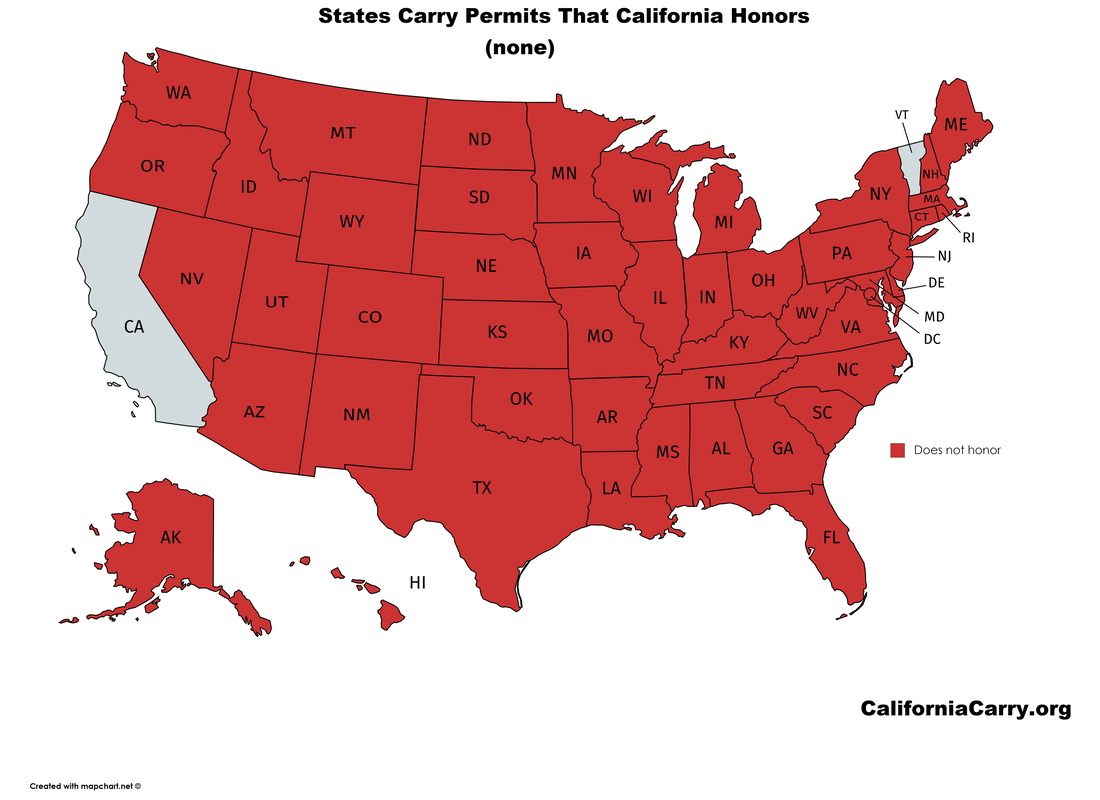
Seeking Official Guidance
The most reliable source for current and accurate information on California firearm laws is the California Department of Justice. Their website provides detailed explanations of statutes, regulations, and frequently asked questions. Additionally, consulting with a qualified legal professional specializing in California firearm law is highly recommended for specific situations or complex inquiries.
In conclusion, while California does not outright ban firearm ownership, its laws regarding the open carry of firearms are highly restrictive. The state prioritizes public safety through stringent regulations, making it imperative for anyone interacting with firearms within its borders to be thoroughly informed and compliant. For travelers, this means leaving any intent to openly carry firearms at home and ensuring any firearms transported meet the state’s precise specifications.
LifeOutOfTheBox is a participant in the Amazon Services LLC Associates Program, an affiliate advertising program designed to provide a means for sites to earn advertising fees by advertising and linking to Amazon.com. Amazon, the Amazon logo, AmazonSupply, and the AmazonSupply logo are trademarks of Amazon.com, Inc. or its affiliates. As an Amazon Associate we earn affiliate commissions from qualifying purchases.