
The Golden State, a land of diverse landscapes and iconic destinations, often sparks curiosity about its precise geographical placement. Among the most fundamental of these queries is the question: “Is California in the Northern Hemisphere?” The answer, unequivocally, is yes. This fundamental geographical fact underpins California’s climate, its seasonal cycles, its astronomical phenomena, and indeed, its very identity as a major player on the global stage. Understanding California’s position in the Northern Hemisphere opens a window into a wealth of travel experiences, from the sun-drenched beaches of Southern California to the majestic redwood forests of the north.
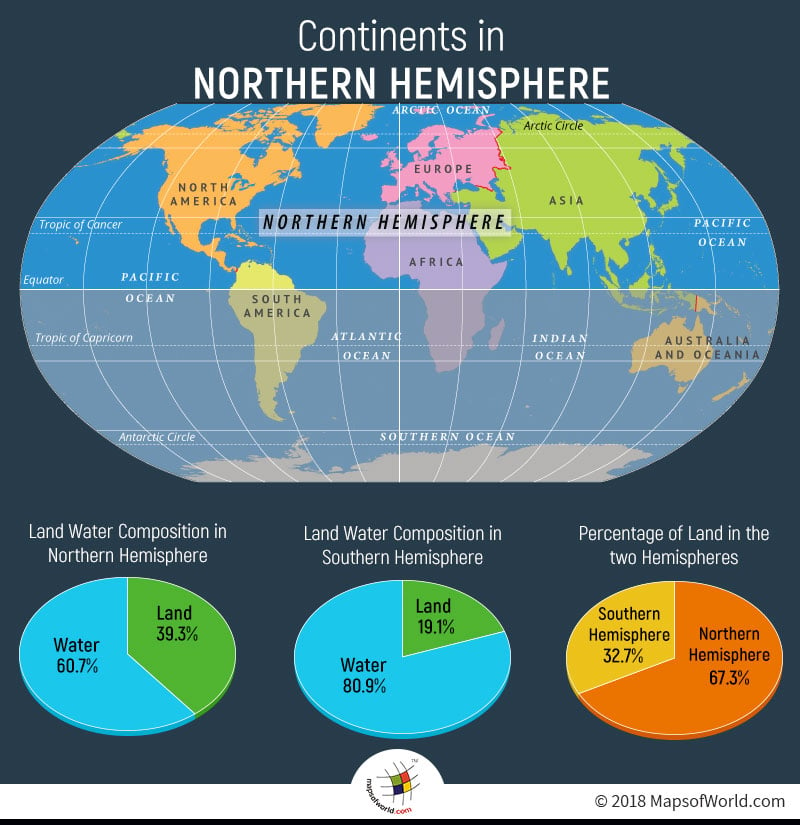
California’s Place in the Celestial Sphere
The Earth is divided into two hemispheres by the Equator, an imaginary line encircling the planet at 0 degrees latitude. Everything north of the Equator resides in the Northern Hemisphere, while everything south lies in the Southern Hemisphere. The North Pole is at 90 degrees North latitude, and the South Pole is at 90 degrees South latitude.
California’s geographical coordinates firmly place it within the Northern Hemisphere. Its latitude ranges roughly from 32.5 degrees North to 42 degrees North. This position is significant for numerous reasons, impacting everything from the angle of the sun in the sky to the prevailing weather patterns.
The Equator and its Global Significance
The Equator is more than just a geographical line; it’s a fundamental reference point for understanding global climates and seasons. Regions near the Equator experience relatively consistent daylight hours and temperatures throughout the year, with distinct wet and dry seasons often replacing the four distinct seasons found in temperate zones. As one moves away from the Equator, either north or south, the variation in daylight hours and the intensity of solar radiation become more pronounced, leading to the familiar cycle of spring, summer, autumn, and winter.
Latitude and California’s Diverse Climates
California’s extensive latitudinal range, from its southern border with Mexico to its northern reaches bordering Oregon, contributes significantly to its remarkable climatic diversity. The southern parts of the state, closer to the Equator, generally enjoy warmer temperatures and longer daylight hours during summer months, characteristic of a Mediterranean climate. This fosters the vibrant beach culture of cities like San Diego and Los Angeles.
As one travels north, towards regions like the San Francisco Bay Area and beyond, the latitude increases. This leads to slightly cooler summers and milder winters, though the coastal influence often moderates temperatures significantly. Further inland, and at higher elevations in mountain ranges like the Sierra Nevada, the influence of latitude is combined with altitude to create even more varied conditions, from alpine tundras to scorching desert valleys. The fact that all of California lies north of the Equator means it experiences its seasons in sync with the rest of the Northern Hemisphere.
Implications for Travel and Tourism
California’s position in the Northern Hemisphere is a cornerstone of its appeal as a travel destination, influencing everything from the best times to visit to the types of activities available.
Seasonal Travel Experiences
Because California is in the Northern Hemisphere, its seasons align with those experienced by most of Europe, North America, and Asia. This means that when it’s summer in California, it’s also summer in New York City and London.
- Spring (March – May): This is a beautiful time to visit, especially for nature lovers. Wildflowers bloom across the state, from the deserts of Anza-Borrego Desert State Park to the rolling hills of wine country. Temperatures are mild, and the crowds are generally smaller than during peak summer months, making it ideal for exploring cities like San Francisco or hiking in the National Parks before the summer heat sets in.
- Summer (June – August): The quintessential California summer is characterized by long, sunny days and warm temperatures, particularly inland and in Southern California. This is peak season for beach destinations like Santa Monica and Orange County, as well as for outdoor adventures in the mountains and national parks. However, coastal areas, especially in Northern California, can experience “June gloom” and “fogust” – periods of morning fog and overcast skies that burn off in the afternoon.
- Autumn (September – November): Many consider autumn to be the ideal time to visit California. The weather is often stable and pleasant, with warm days and cool, crisp evenings. The summer crowds have dissipated, and the landscape begins to showcase stunning autumnal colors, particularly in the vineyards and mountainous regions. This season is perfect for wine tasting in Napa Valley, exploring national parks like Yosemite, and enjoying city breaks.
- Winter (December – February): While Southern California offers mild winter temperatures, ideal for exploring cities and coastal towns without the summer heat, Northern California and the Sierra Nevada mountains experience winter conditions. Ski resorts like Mammoth Mountain and Lake Tahoe become active hubs for snow sports. This is also a fantastic time to visit the deserts, which are at their most comfortable during these months.
Navigating Time Zones and Daylight
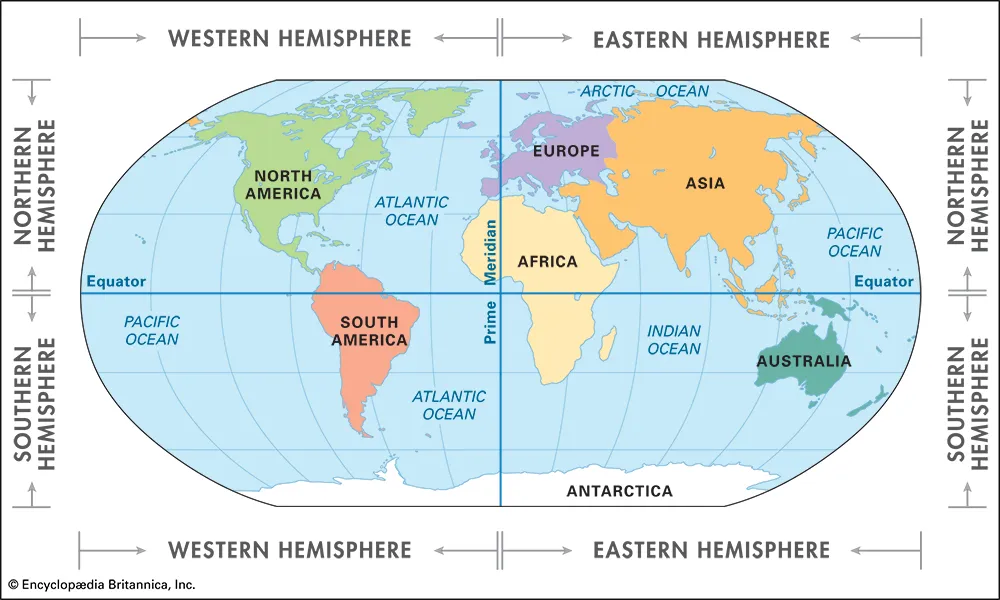
As a state located entirely within the Northern Hemisphere, California observes the standard progression of daylight hours dictated by its latitude. Summer solstice (around June 20/21) brings the longest day of the year, while the winter solstice (around December 21/22) marks the shortest. This predictable shift in daylight is a key factor for travelers planning their itineraries, whether it’s maximizing time for sightseeing in Los Angeles or enjoying an extended evening stroll in Carmel-by-the-Sea.
Furthermore, California operates on Pacific Time (PT), which is UTC-8 during standard time and UTC-7 during daylight saving time (PDT). This time zone is a direct consequence of its longitudinal position within North America, and it places California six hours behind Coordinated Universal Time (UTC). This awareness is crucial for international travelers and those coordinating with businesses or individuals in different parts of the world.
Understanding Celestial Phenomena
For astronomy enthusiasts and casual stargazers alike, California’s Northern Hemisphere location offers specific celestial viewing opportunities. Constellations visible in the night sky are characteristic of the Northern Hemisphere. For instance, the Big Dipper and the North Star (Polaris) are prominent fixtures, a constant indicator of north. While the Southern Hemisphere offers its own unique celestial tapestry, including the Southern Cross, California’s skies are dominated by northern constellations. Popular stargazing spots, such as Death Valley National Park or remote areas away from light pollution, provide breathtaking views of these familiar and iconic celestial patterns.
Cultural and Lifestyle Connections
The fact that California is in the Northern Hemisphere also influences its cultural expressions and lifestyle, subtly shaping everything from agricultural practices to the timing of major festivals.
Agriculture and Harvest Cycles
The state’s agricultural calendar is directly tied to its hemispheric position. Major crops like grapes for wine, almonds, strawberries, and citrus fruits follow a growth and harvest cycle dictated by the Northern Hemisphere’s seasons. The autumn harvest in regions like Sonoma County is a celebrated event, directly correlating with the Northern Hemisphere’s transition into cooler weather. This agricultural bounty is a cornerstone of California’s culinary scene and a significant driver of its tourism.
Festivals and Celebrations
While many global festivals are tied to religious or cultural calendars that are less dependent on precise astronomical seasons, the timing of outdoor events and community gatherings in California often subtly aligns with its climatic patterns, which are a product of its Northern Hemisphere location. Summer festivals, outdoor concerts, and agricultural fairs are typically planned for the warmer, longer days of June, July, and August, maximizing daylight and pleasant weather for attendees.
California’s Continental Context
Being part of the Northern Hemisphere also situates California within a broader continental and global context. It shares seasonal patterns and daylight variations with the majority of the Earth’s landmass and population. This shared experience facilitates travel and understanding between California and other Northern Hemisphere destinations.
Proximity to Other Northern Hemisphere Powerhouses
California’s position means it is a significant gateway to and from other major economic and cultural centers in the Northern Hemisphere. Its Pacific coast location makes it a crucial hub for trade and travel with Asia, while its connection to the rest of North America places it within the orbit of major cities and diverse landscapes across the continent. This connectivity is vital for business travelers, academics, and tourists alike.

Global Time Zones and Navigation
From a global perspective, understanding California’s place in the Northern Hemisphere helps in orienting oneself within the world’s time zones and geographical grids. It reinforces that when experiencing a particular season or daylight pattern in California, similar patterns are occurring in vast swathes of the Northern Hemisphere. This shared geographical reality is fundamental to global communication, transportation, and our collective understanding of the planet.
In conclusion, the answer to “Is California in the Northern Hemisphere?” is a resounding yes. This simple geographical fact is the bedrock upon which its diverse climates, distinct seasons, vibrant travel industry, and unique lifestyle are built. From the sunshine of Hollywood to the vineyards of Temecula, California’s identity is intrinsically linked to its advantageous position north of the Equator.
LifeOutOfTheBox is a participant in the Amazon Services LLC Associates Program, an affiliate advertising program designed to provide a means for sites to earn advertising fees by advertising and linking to Amazon.com. Amazon, the Amazon logo, AmazonSupply, and the AmazonSupply logo are trademarks of Amazon.com, Inc. or its affiliates. As an Amazon Associate we earn affiliate commissions from qualifying purchases.