
While the question of whether California is bigger than Texas might seem straightforward, delving into the nuances of “bigger” reveals fascinating insights into the geography, economy, and cultural impact of these two colossal United States states. When we talk about size, we can interpret it in several ways: geographical area, population, economic output, or even influence. Examining each of these facets provides a comprehensive understanding of how these titans of the American landscape compare.
Geographical Dimensions
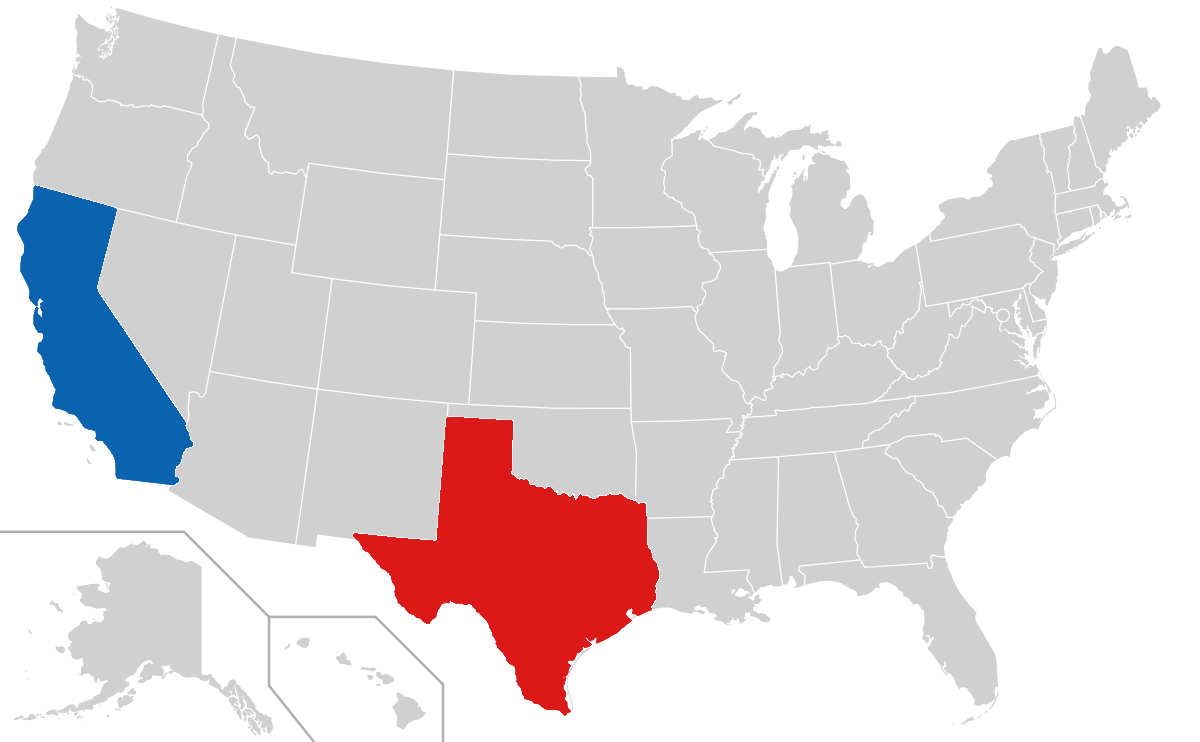
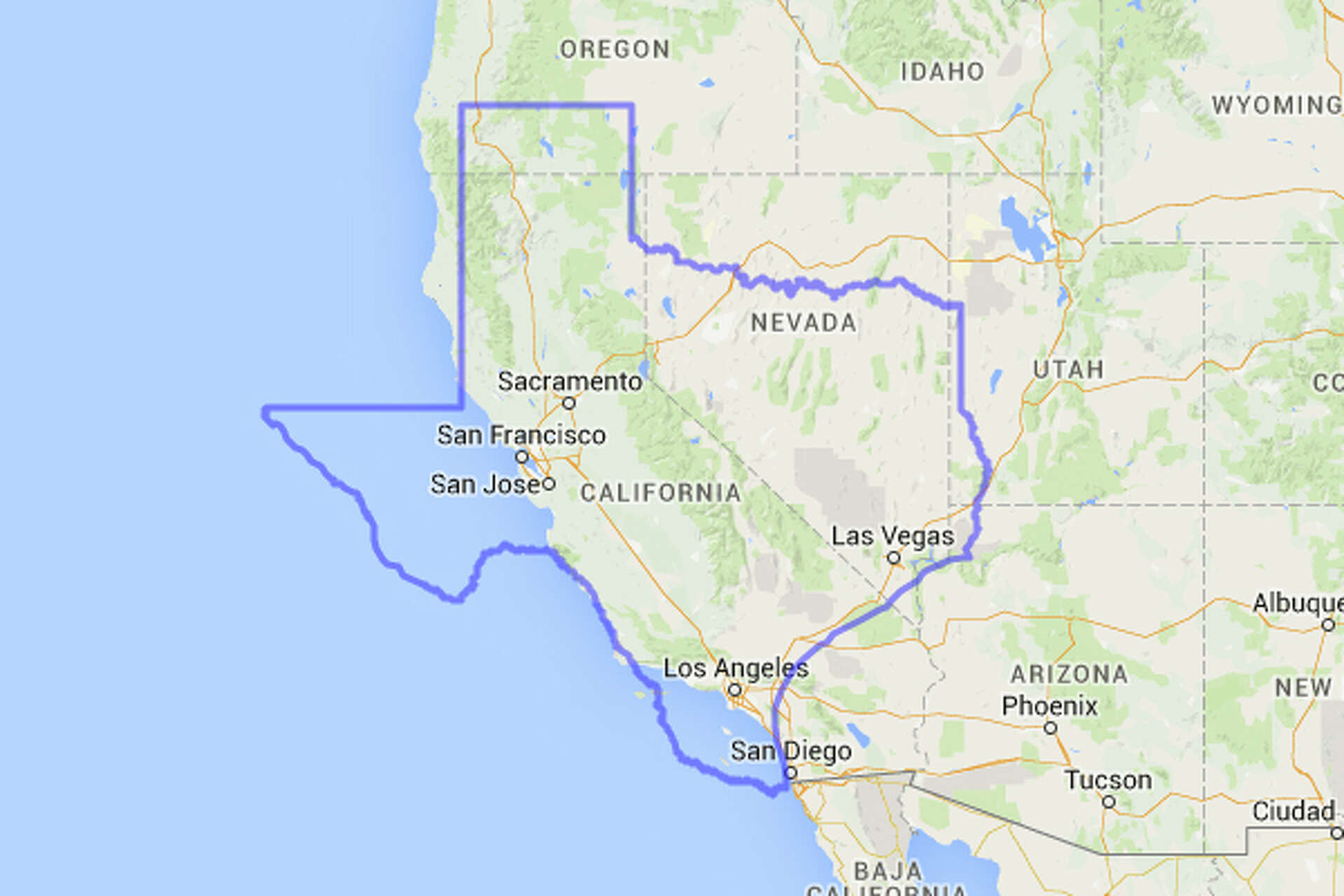
From a purely landmass perspective, the answer is unequivocally no. Texas holds the title of the second-largest state by area in the United States, surpassed only by Alaska.
Area Comparison
- Texas: Spanning approximately 268,596 square miles, Texas is a vast expanse. Its sheer size means diverse landscapes, from the piney woods of East Texas to the deserts of West Texas and the Gulf Coast plains. Driving across Texas can take days, covering hundreds of miles and traversing multiple time zones. Major cities like Houston, Dallas, and San Antonio are themselves spread across considerable areas, contributing to the state’s impressive footprint.
- California: California, while appearing immense, is the third-largest state by area, covering approximately 163,695 square miles. Its geographic diversity is equally astonishing, featuring the rugged Sierra Nevada mountains, the fertile Central Valley, the arid Mojave Desert, and an extensive coastline along the Pacific Ocean. Despite being smaller in total area, California is densely packed with varied environments, often leading to a perception of greater expansiveness due to its population centers and varied terrains.
Landscape Diversity
Both states boast incredible natural beauty and varied terrains, though the scale differs. Texas has vast plains, rolling hills, and a significant coastline, offering a different kind of grandeur than California’s dramatic mountain ranges, redwood forests, and iconic beaches. The Big Bend National Park in West Texas showcases a rugged, desert beauty, while the Hill Country offers a more temperate, picturesque landscape. California, on the other hand, is home to the soaring peaks of the Sierra Nevada, including Mount Whitney, the highest point in the contiguous United States, and the deep canyons of Yosemite National Park. The state also features ancient sequoia and redwood forests, some of the largest and oldest living organisms on Earth, such as those found in Redwood National and State Parks.
Population Dynamics
Where California decisively eclipses Texas is in population. The Golden State is the most populous state in the nation, home to a vibrant and diverse mix of cultures.
Demographics
- California: With a population exceeding 39 million, California is a demographic powerhouse. This dense population fuels its dynamic economy and cultural landscape. Major metropolitan areas like Los Angeles, the San Francisco Bay Area, and San Diego are global hubs for entertainment, technology, and finance. The sheer number of people means a constant hum of activity, a rich tapestry of traditions, and a competitive environment for resources and opportunities.
- Texas: Texas is the second most populous state, with over 30 million residents. Its population has been growing rapidly in recent decades, driven by economic opportunities and a lower cost of living compared to California. The state’s major cities—Houston, Dallas, Austin, and San Antonio—are expanding and attracting new residents from across the country and around the world.
Urban Centers
Both states are characterized by major urban centers that are significant destinations in themselves. California’s cities are often perceived as trendsetters, while Texas’s cities are known for their robust economies and growing cultural scenes. Los Angeles is synonymous with Hollywood and the entertainment industry, while San Francisco is a global leader in technology and finance. In Texas, Houston is a hub for energy and medicine, Dallas is a major business and transportation center, and Austin has emerged as a burgeoning tech and music capital.
Economic Might
Economically, California stands as a colossus, with an economy so large it would rank as one of the largest countries in the world if it were independent.
Gross Domestic Product (GDP)
- California: California’s GDP is a staggering figure, consistently placing it among the top economies globally. Its economic strengths lie in technology, entertainment, agriculture, and tourism. Silicon Valley is the epicenter of technological innovation, home to giants like Apple and Google. Hollywood continues to dominate the global entertainment scene. The state’s agricultural output, particularly in the Central Valley, is also immense.
- Texas: Texas boasts the second-largest state economy in the United States, driven primarily by energy, manufacturing, technology, and agriculture. The state is a global leader in oil and gas production, with major operations in the Permian Basin and the Gulf Coast. Its aerospace and defense industries are also significant, and the burgeoning tech sector in Austin and Dallas is gaining national prominence.
Key Industries
The dominant industries in each state shape their economic identity and influence their respective travel and tourism sectors.
- California’s tourism industry is deeply intertwined with its entertainment sector, its natural wonders, and its diverse urban experiences. Visitors flock to Disneyland and Universal Studios Hollywood, explore the beaches of Southern California, hike in the Sierra Nevadas, and experience the culture of cities like San Francisco.
- Texas offers a different kind of allure for travelers. Its tourism is often associated with its rich history, iconic Western heritage, and vibrant city life. The Alamo in San Antonio is a national landmark, while Austin draws crowds with its live music scene. The state’s vast ranches offer a glimpse into cowboy culture, and its growing culinary scene, particularly in cities like Houston and Dallas, is attracting food enthusiasts.
Influence and Global Reach
When considering “bigger” in terms of cultural impact and global influence, California often takes the lead, largely due to the reach of its entertainment and technology industries.
Cultural Exports
- California: The global dissemination of American popular culture has been heavily influenced by California. Hollywood’s film and television productions are consumed worldwide, shaping fashion, language, and aspirations. The innovations from Silicon Valley have fundamentally altered how people communicate, work, and live globally.
- Texas: Texas also exports cultural elements, most notably through its music (country and blues), its distinctive cuisine (Tex-Mex), and its strong sense of regional identity and patriotism. The image of the “Texas cowboy” and the state’s frontier spirit have a strong presence in the national consciousness.
Travel and Tourism Perceptions
The perception of size can also be influenced by how destinations are marketed and experienced by travelers.
- California is often seen as a destination with immense variety, catering to a wide range of interests, from theme parks and beaches to wine tasting in Napa Valley and exploring national parks like Joshua Tree. The sheer number of diverse attractions and its iconic status make it a top tourist destination globally.
- Texas is increasingly recognized for its diverse travel opportunities beyond its traditional associations. While the appeal of its historical sites and music scene remains strong, cities like Austin are gaining traction as cultural hotspots, and the state’s culinary scene is becoming a significant draw. The vastness of Texas itself can be an attraction, appealing to those who enjoy long road trips and exploring expansive landscapes.
Conclusion: Defining “Bigger”
So, is California bigger than Texas?
- Geographically: No, Texas is significantly larger in land area.
- Population: Yes, California is more populous.
- Economically: Yes, California has a larger economy and greater global economic influence.
- Culturally: Arguably, California has a broader and more pervasive global cultural footprint, primarily through its media and technology exports.
Ultimately, the answer depends on the metric you choose. Both states are giants in their own right, offering unique and compelling experiences for residents and visitors alike. They represent different facets of the American experience, each with its own distinct charm and allure, making them indispensable pillars of the nation’s identity and global standing.
LifeOutOfTheBox is a participant in the Amazon Services LLC Associates Program, an affiliate advertising program designed to provide a means for sites to earn advertising fees by advertising and linking to Amazon.com. Amazon, the Amazon logo, AmazonSupply, and the AmazonSupply logo are trademarks of Amazon.com, Inc. or its affiliates. As an Amazon Associate we earn affiliate commissions from qualifying purchases.