
The question, “Is California On Fire Right Now?” is a pressing one for anyone considering travel to the Golden State. Wildfires have become an unfortunate and increasingly prominent feature of California’s landscape, impacting travel plans, air quality, and the overall experience of visiting this diverse and captivating region. Understanding the current situation, historical context, and preventative measures is crucial for making informed decisions about when and where to explore California.
Understanding California’s Wildfire Landscape
California is a state prone to wildfires due to a confluence of factors. Its Mediterranean climate, characterized by hot, dry summers and mild, wet winters, creates ideal conditions for vegetation to dry out and become highly combustible. This natural fire cycle has historically played a role in shaping the state’s ecosystems. However, in recent decades, climate change has exacerbated these conditions. Rising temperatures, prolonged droughts, and shifts in precipitation patterns have led to drier vegetation, increased fire intensity, and longer fire seasons.
Furthermore, the dense development in wildland-urban interface areas means that human activity is often the ignition source for fires, and these fires can quickly threaten populated areas and infrastructure. This complex interplay of natural conditions and human influence makes understanding the current wildfire status in California essential for travelers.
Current Fire Status and Monitoring
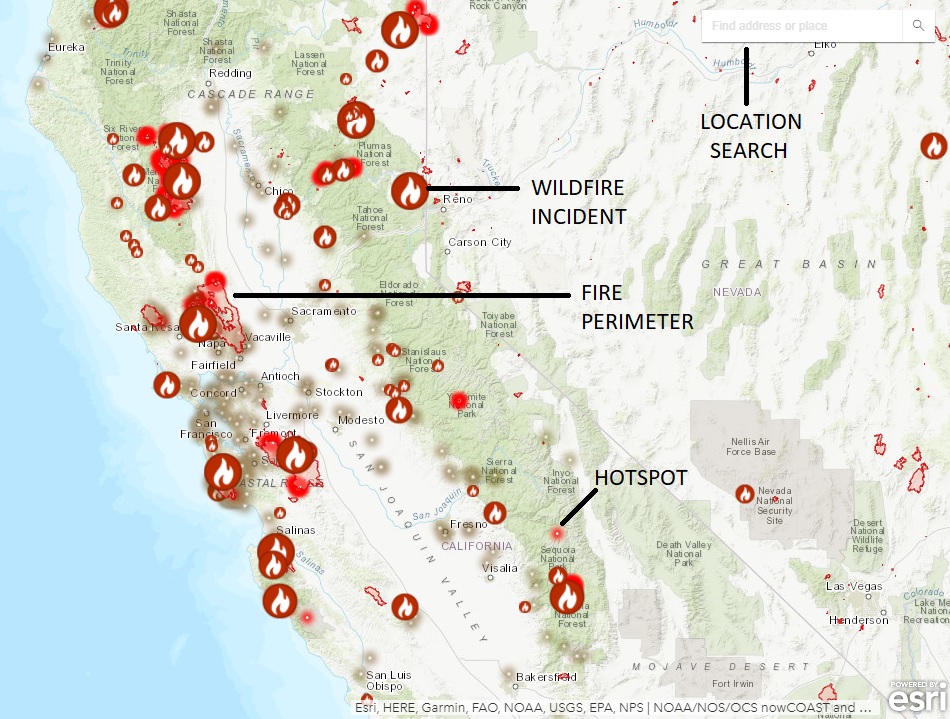
Determining if California is “on fire right now” requires up-to-date information. Several official sources provide real-time data on active wildfires. Government agencies such as the California Department of Forestry and Fire Protection (Cal Fire) and the U.S. Forest Service are primary sources. Their websites typically feature interactive maps displaying the location, size, and containment status of current fires. These resources are invaluable for travelers planning to visit specific regions.
Beyond official channels, various news outlets and specialized wildfire tracking websites offer daily updates. When planning a trip, it is advisable to check these resources in the weeks and days leading up to your departure. This proactive approach allows for adjustments to itineraries if a significant fire impacts a planned destination.
Impact on Travel and Tourism
The presence of wildfires in California can have a profound impact on travel and tourism. The most immediate concern is safety. Major fires can lead to evacuations, road closures, and restricted access to national parks and other attractions. Smoke from distant fires can also drift for hundreds of miles, significantly degrading air quality and impacting outdoor activities even in areas not directly affected by flames.
- Air Quality Alerts: Smoke plumes can cause unhealthy air quality, leading to respiratory issues and making outdoor recreation unpleasant or even dangerous. Travelers should monitor air quality indexes (AQI) for their intended destinations.
- Road and Trail Closures: Large wildfires often necessitate the closure of major highways and local roads, disrupting travel routes. Trails within or near fire zones will also be inaccessible.
- Attraction Closures: Iconic landmarks, national parks like Yosemite National Park and Joshua Tree National Park, and state parks may temporarily close their gates to the public to allow firefighters to work and to ensure visitor safety.
- Accommodation Availability and Pricing: In areas heavily impacted by fires, accommodation may be fully booked by evacuees or unavailable due to safety concerns. Conversely, some areas unaffected by fires might see increased demand from displaced visitors.
Planning Your California Trip Amidst Fire Season
Given the reality of wildfire seasons in California, strategic planning is paramount for a successful and enjoyable visit. The traditional fire season, often peaking in late summer and fall, is becoming less predictable, with increased activity in other months as well.
Choosing Your Travel Dates and Destinations
When planning your trip, consider visiting during months historically associated with lower wildfire risk, though this is not a guarantee. Spring (March-May) often offers lush landscapes and fewer fire concerns. However, even during these periods, localized ignitions can occur.
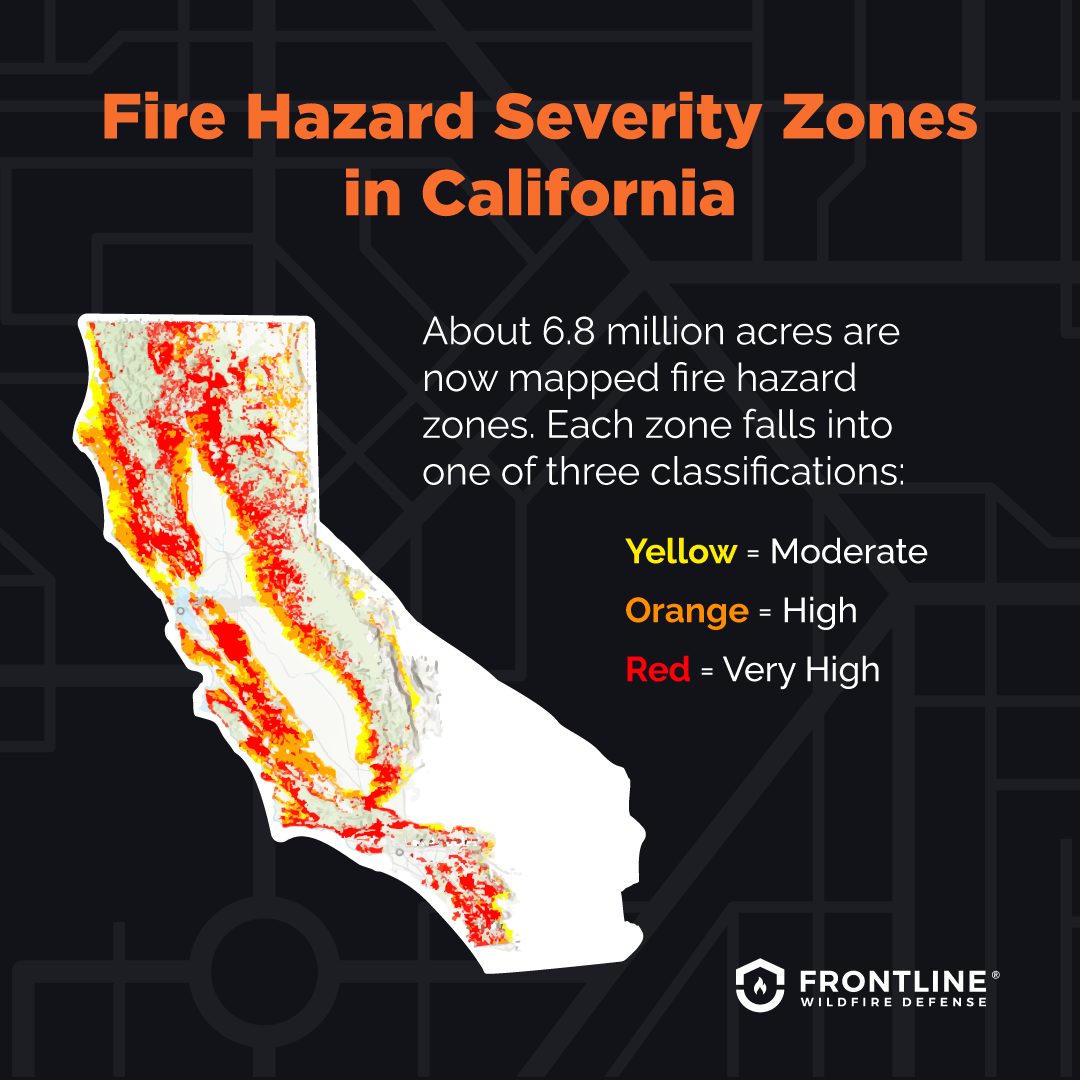
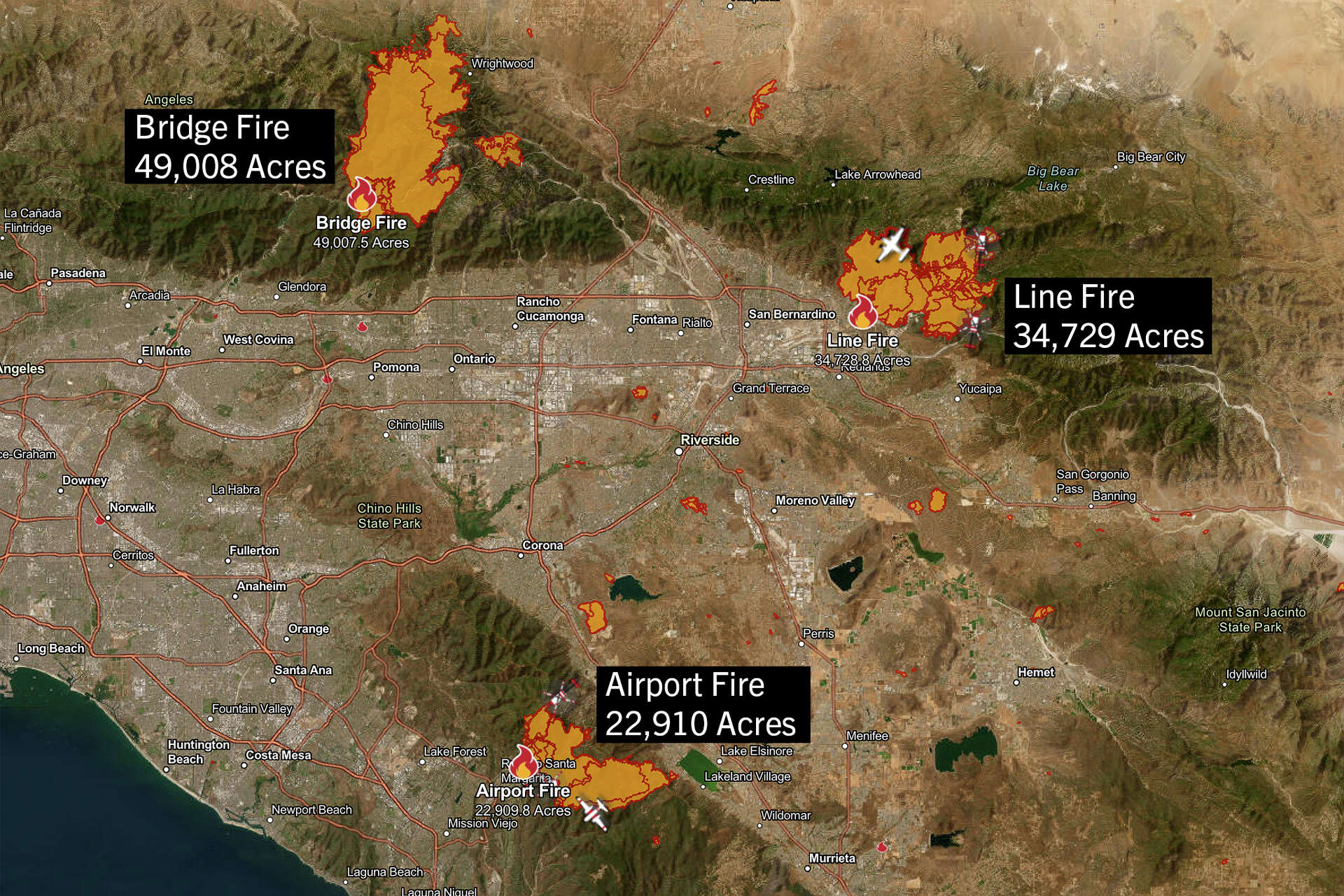
- Geographic Considerations: California is a vast state with diverse microclimates. Fires might be raging in one region, such as the Sierra Nevada mountains or the hills of Southern California, while coastal areas like San Diego or San Francisco remain unaffected. Research the specific fire risk for your intended destinations within the state.
- Flexibility is Key: Being open to adjusting your itinerary based on real-time conditions can save significant disruption. Having backup plans or alternative destinations in mind is a wise precaution.
Essential Preparations and Resources
Before you embark on your California adventure, familiarize yourself with the essential preparations and resources available to ensure your safety and enjoyment.
- Monitoring Fire Information:
- Cal Fire: For statewide fire incidents and emergency information.
- InciWeb: A national incident information system that tracks wildfires across the U.S.
- National Weather Service (NWS): For weather forecasts and air quality alerts.
- Local News and Emergency Services: Stay informed through local news outlets and official social media accounts for specific regions.
- Air Quality Monitoring: Utilize apps and websites like AirNow.gov to check the Air Quality Index (AQI) for your location. If the AQI is unhealthy, consider indoor activities.
- Emergency Kits: While not specific to fires, having a basic emergency kit in your vehicle with water, snacks, a first-aid kit, and a flashlight is always recommended for any road trip.
- Communication: Ensure your mobile phone is fully charged and consider downloading offline maps, as cellular service can be unreliable in remote or fire-affected areas. Inform someone of your travel plans and expected return.
- Travel Insurance: For significant trips, consider travel insurance that may cover cancellations or disruptions due to unforeseen events like natural disasters.
Adapting Your Travel Style
The reality of wildfires means that travelers to California may need to adapt their travel style. Instead of a rigid, pre-planned itinerary, embracing a more flexible and adaptive approach can lead to unexpected discoveries and a more resilient travel experience.
Embracing Indoor Activities and Cultural Experiences
When outdoor activities are compromised by smoke or closures, California offers a wealth of indoor attractions. From world-class museums in cities like Los Angeles and San Francisco to diverse culinary scenes and vibrant theater districts, there are ample opportunities to immerse yourself in the state’s rich culture.
- Museums and Galleries: Explore institutions such as the Getty Center in Los Angeles or the de Young Museum in San Francisco.
- Culinary Delights: Embark on a gastronomic journey through California’s diverse food scene, from farm-to-table restaurants to ethnic eateries.
- Performing Arts: Check local listings for live music, theater productions, and other performing arts events.
Supporting Local Communities
Even when fires are not directly impacting tourist areas, the broader context of wildfire season can affect local economies. Travelers can make a positive impact by continuing to visit and support businesses in unaffected regions.
- Choose Local Accommodations: Opt for locally owned hotels, motels, or vacation rentals that contribute directly to the community’s economy.
- Dine at Local Restaurants: Support independent eateries that are vital to the fabric of California’s towns and cities.
- Shop at Local Boutiques: Discover unique souvenirs and gifts at independent shops.
The Future of Travel in a Changing Climate
The increasing frequency and intensity of wildfires in California are symptomatic of broader climate change challenges. As travelers, understanding this context is not only about planning immediate trips but also about considering the long-term sustainability of tourism in vulnerable regions.
The state is actively investing in fire prevention, early detection, and response strategies. This includes forest management practices, prescribed burns, and technological advancements in fire monitoring. As a visitor, being mindful of fire safety regulations – such as adhering to campfire bans and proper disposal of smoking materials – is a critical part of responsible tourism.
Ultimately, the question “Is California On Fire Right Now?” is best answered by consulting real-time data and understanding the dynamic nature of wildfire activity. By staying informed, planning with flexibility, and embracing the diverse offerings of the Golden State, travelers can still experience its unparalleled beauty and attractions, even amidst the challenges of a changing climate.
LifeOutOfTheBox is a participant in the Amazon Services LLC Associates Program, an affiliate advertising program designed to provide a means for sites to earn advertising fees by advertising and linking to Amazon.com. Amazon, the Amazon logo, AmazonSupply, and the AmazonSupply logo are trademarks of Amazon.com, Inc. or its affiliates. As an Amazon Associate we earn affiliate commissions from qualifying purchases.