
Defining Geographic Perimeters
The question of whether California is on the West Coast or the East Coast of the United States is a geographical one, rooted in the fundamental layout of the continent. Continents are vast landmasses, and their coastlines are defined by the oceans that border them. The North American continent, for instance, is framed by the Atlantic Ocean to the east and the Pacific Ocean to the west.
Understanding Continental Orientation
When we speak of the “East Coast” of the United States, we are referring to the collection of states that directly border the Atlantic Ocean. These states, stretching from Maine in the north down to Florida in the south, share a common geographical characteristic: their easternmost points face the Atlantic. This historical and geographical designation encompasses cities like New York City, Boston, and Miami.

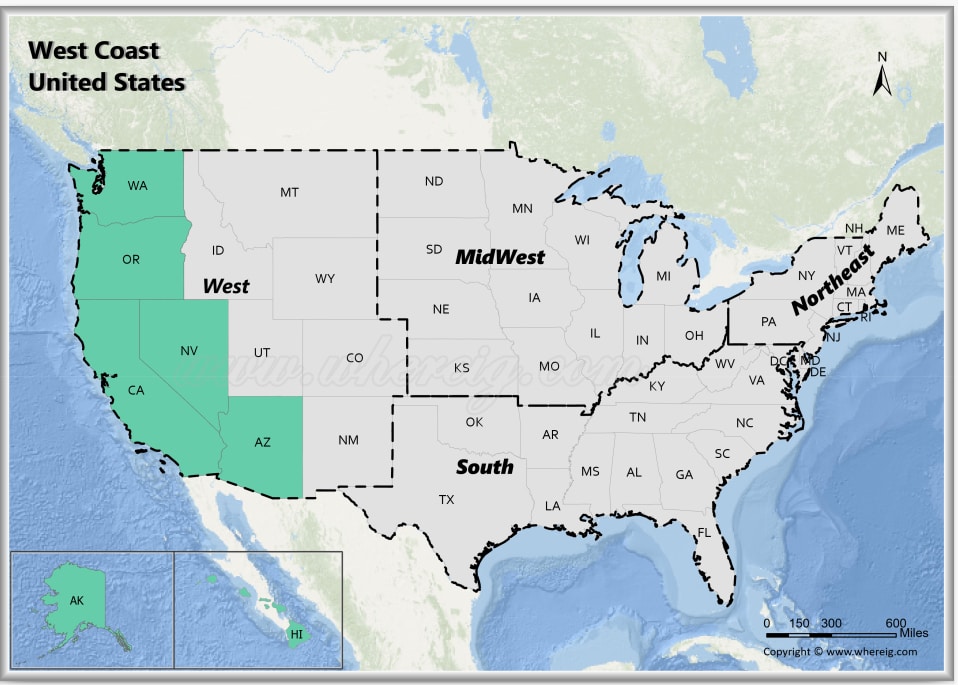
Conversely, the “West Coast” refers to the states that have a coastline on the Pacific Ocean. The primary states that form this geographical region are California, Oregon, and Washington. Their westernmost edges directly meet the vast expanse of the Pacific. Iconic cities such as Los Angeles, San Francisco, Seattle, and Portland are quintessential West Coast destinations.
The Definitive Answer
Based on these established geographical definitions, California is unequivocally and undeniably a West Coast state. Its entire western border is defined by the immense Pacific Ocean, making it a cornerstone of the American West Coast. Any suggestion otherwise is a misunderstanding of basic continental geography.
Navigating the West Coast Landscape
California’s identity as a West Coast state is not merely a matter of geographical lines on a map; it profoundly shapes its culture, climate, and the experiences it offers to visitors. The state’s extensive coastline, stretching over 840 miles, is a defining feature, influencing everything from its weather patterns to its primary industries.
Coastal Charms and Attractions
The California coastline is a tapestry of diverse landscapes. From the dramatic cliffs of Big Sur to the sun-drenched beaches of Southern California, the opportunities for exploration and enjoyment are endless.
Beaches and Surfing Havens
California is world-renowned for its beaches. Whether seeking vibrant boardwalks in Santa Monica, iconic surf breaks at Malibu, or secluded coves along the central coast, visitors can find their perfect stretch of sand. The consistent swells from the Pacific make it a premier destination for surfers of all levels. Famous surf spots like Huntington Beach, often called “Surf City USA,” attract enthusiasts from around the globe.
Coastal Road Trips
The legendary Pacific Coast Highway, officially known as Highway 1, is one of the most scenic drives in the world. This iconic route hugs the coastline, offering breathtaking vistas of the ocean, rugged cliffs, and charming seaside towns. Driving this road is an essential California experience, with opportunities to stop at viewpoints, explore hidden beaches, and discover local eateries.
Marine Life and Natural Wonders
The Pacific Ocean teems with life, and California’s coast is a prime location for marine wildlife viewing. Whale watching tours are popular, offering chances to see gray whales, blue whales, and dolphins. The state’s marine protected areas safeguard diverse ecosystems, from kelp forests to tide pools, providing habitat for countless species. Channel Islands National Park is a prime example, accessible by boat from Ventura and Oxnard, offering pristine natural beauty and abundant wildlife.
Climate and Lifestyle
The Pacific Ocean exerts a significant moderating influence on California’s climate. Coastal areas typically experience milder temperatures year-round compared to inland regions, with less extreme heat in the summer and less frost in the winter.
Mediterranean Influence
Much of California enjoys a Mediterranean climate, characterized by warm, dry summers and mild, wet winters. This climate is ideal for outdoor living and agriculture, contributing to the state’s reputation for fresh produce and a vibrant culinary scene. The coastal fog, particularly prevalent in areas like San Francisco, is a unique microclimate feature that helps cool the region during summer months.
Outdoor Recreation and Wellness
The abundance of sunshine and the temperate climate foster an active lifestyle. Californians are known for their love of outdoor activities, from hiking in the mountains to cycling along the coast. This focus on health and wellness is deeply ingrained in the state’s culture, attracting people from all walks of life. Activities like yoga, surfing, and running are not just pastimes but often integrated into daily life.
A Hub for Innovation and Culture
As a gateway to the Pacific Rim, California has long been a hub for innovation, culture, and diverse populations. Its West Coast location has fostered a unique blend of influences, from Asian and Latin American traditions to a forward-thinking, entrepreneurial spirit. This diversity is reflected in its art, music, food, and the very fabric of its cities.
Beyond the Coast: Inland California
While the coastline is a defining characteristic, California’s West Coast identity extends inland, encompassing a vast and varied territory that still falls within the broad geographical definition of the western United States.
Deserts and Mountains
Inland from the coastal ranges, California transforms into a landscape of dramatic contrasts. The southeastern part of the state is home to iconic desert environments like the Mojave Desert and Death Valley National Park, known for their extreme temperatures, unique geological formations, and resilient flora and fauna.
Deserts and Unique Ecosystems
The deserts of California are not barren wastelands but vibrant ecosystems with specialized life forms. Joshua Tree National Park is famous for its namesake trees and surreal rock formations. Visitors can explore vast dune fields, salt flats, and canyons, experiencing the stark beauty of these arid landscapes. The temperatures can be extreme, especially in summer, requiring careful planning and adequate hydration for any desert excursions.
Sierra Nevada and Mountain Retreats
To the east, the majestic Sierra Nevada mountain range forms a formidable barrier, containing some of the highest peaks in the contiguous United States, including Mount Whitney. This region is a paradise for outdoor enthusiasts, offering world-class skiing and snowboarding in winter at resorts like Mammoth Lakes and Lake Tahoe, and hiking, camping, and climbing in the summer. Yosemite National Park, with its iconic granite cliffs like El Capitan and Half Dome, is a jewel of the Sierra Nevada and a must-visit for any traveler exploring the western United States.
Agriculture and Wine Country
The fertile inland valleys of California are agricultural powerhouses, producing a significant portion of the nation’s fruits, vegetables, and nuts. This agricultural bounty extends to world-renowned wine regions.
Central Valley’s Bounty
The Central Valley is the agricultural heartland, with vast expanses of farmland yielding crops like almonds, grapes, lettuce, and tomatoes. This region’s productivity is crucial to the nation’s food supply and showcases the agricultural prowess that is a significant, though often overlooked, aspect of California’s identity.
Napa and Sonoma Valleys
North of San Francisco Bay, the picturesque Napa Valley and Sonoma Valley are synonymous with world-class wine production. Rolling hills covered in vineyards, charming wineries offering tastings, and a sophisticated culinary scene make these regions a premier destination for wine lovers. The Mediterranean climate and fertile soils are perfectly suited for growing grape varietals like Chardonnay, Pinot Noir, and Zinfandel.
Distinguishing West Coast from East Coast Experiences
Understanding California’s West Coast status is crucial for travelers seeking to differentiate their experiences from those found on the other side of the country. The geographical position on the Pacific Ocean has fostered distinct cultural, environmental, and economic characteristics.
Cultural and Lifestyle Differences
The cultural tapestry of the West Coast, particularly in California, is often perceived as more laid-back, innovative, and globally oriented due to its proximity to Asia and Latin America.
Pace of Life and Innovation
While the East Coast is historically associated with established institutions, finance, and a faster-paced urban environment in cities like New York, the West Coast is often seen as a center for new ideas, technology (Silicon Valley), and a lifestyle that emphasizes outdoor activity and well-being. This does not mean the West Coast is without its bustling metropolises, but the underlying ethos can feel different.
Diversity and Global Influence
California’s position as a gateway to the Pacific Rim has made it one of the most diverse states in the Union. This has led to a rich fusion of cultures, cuisines, and traditions that are distinct from the predominantly European-influenced heritage often found on the East Coast.
Environmental and Climatic Contrasts
The most apparent difference lies in the climate and environment shaped by the respective oceans.
Pacific vs. Atlantic Influences
The Pacific Ocean tends to be cooler than the Atlantic Ocean in similar latitudes, leading to different weather patterns. Coastal California often experiences marine layers and fog, particularly during summer, which moderates temperatures. The East Coast can have more distinct seasons, with hotter summers and colder winters, and is more susceptible to hurricanes originating in the tropical Atlantic.
Landscape Diversity
While both coasts offer stunning natural beauty, the landscapes are unique. The West Coast is known for its dramatic coastlines, towering redwood forests, vast deserts, and majestic mountains like the Sierra Nevada. The East Coast features rolling hills, Appalachian mountains, diverse forests, and broad, sandy beaches along the Atlantic.

Conclusion: A West Coast Gem
In conclusion, California is definitively a West Coast state, a vital and vibrant part of the United States’ western seaboard. Its identity is intrinsically linked to the Pacific Ocean, shaping its climate, culture, attractions, and the very lifestyle its residents and visitors embrace. From the iconic beaches and redwood forests to the innovative spirit of its cities and the fertile bounty of its inland valleys, California offers a unique and diverse travel experience that is unmistakably West Coast. Understanding this fundamental geographical truth is the first step in appreciating the distinct character and allure of the Golden State.
LifeOutOfTheBox is a participant in the Amazon Services LLC Associates Program, an affiliate advertising program designed to provide a means for sites to earn advertising fees by advertising and linking to Amazon.com. Amazon, the Amazon logo, AmazonSupply, and the AmazonSupply logo are trademarks of Amazon.com, Inc. or its affiliates. As an Amazon Associate we earn affiliate commissions from qualifying purchases.