
Understanding Digitalis and Its California Presence
The question of whether foxglove (Digitalis) is native to California is a nuanced one, requiring a closer look at the species within the Digitalis genus and their geographical origins. While the common, dramatic spires of purple and pink foxgloves are often associated with the lush gardens and wilder European landscapes from which they hail, their presence and status within California‘s unique ecosystems are more complex. This exploration delves into the botanical definition of “native,” the history of plant introductions to California, and the specific species of Digitalis one might encounter in the Golden State. Understanding this distinction is crucial for appreciating California‘s biodiversity and the ecological impact of introduced species.

Defining “Native” in a Botanical Context
In botany and ecology, “native” refers to species that have evolved and occurred naturally in a particular geographic region without human intervention. This means the plant’s ancestors were present in the area before significant human migration and widespread introductions of foreign flora. For California, native plants are those that were part of its landscape long before European settlement. These species are intricately adapted to the local climate, soil conditions, and the fauna that co-evolved with them, playing vital roles in the ecosystem.
Conversely, “introduced,” “non-native,” or “exotic” species are those that have been deliberately or accidentally transported by humans to a region where they do not naturally occur. Some introduced species remain benign, coexisting with native flora without causing significant ecological disruption. However, others can become “invasive,” outcompeting native plants for resources like sunlight, water, and nutrients, altering habitats, and negatively impacting local wildlife that may not recognize them as food sources or suitable shelter. Identifying whether a plant is native or introduced is the first step in assessing its ecological significance.
The European Roots of Common Foxgloves
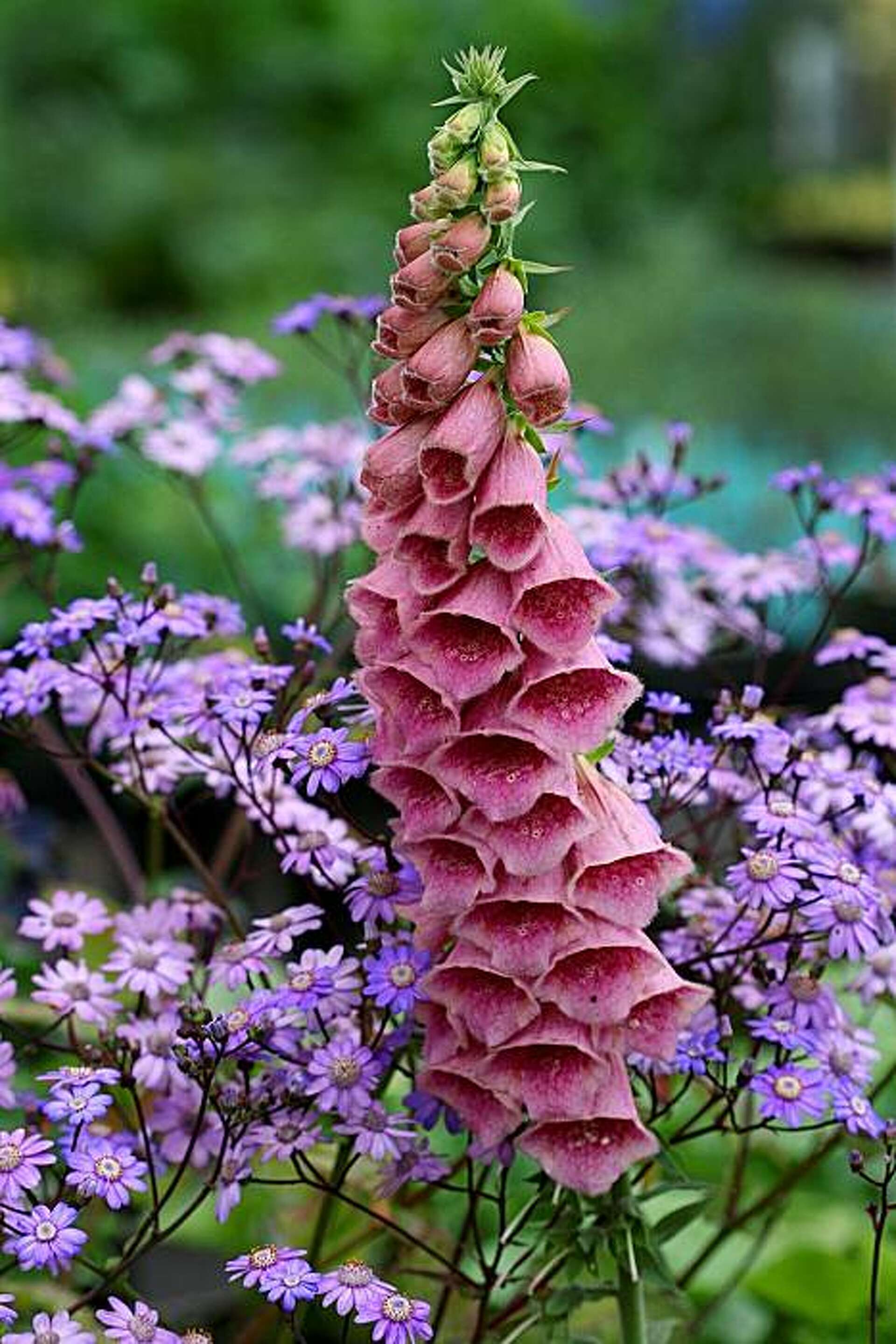
The most iconic and widely recognized foxgloves, particularly Common Foxglove (Digitalis purpurea), are indeed native to Europe. Their natural range extends across western and southwestern Europe, including countries like the United Kingdom, France, Spain, and Portugal, often found in woodlands, hedgerows, and on open hillsides. These plants are well-adapted to the temperate, often moist climates of these regions. The dramatic, bell-shaped flowers of Digitalis purpurea are highly attractive to pollinators, especially bees, and their tall stature provides a striking visual element to the landscape.
The introduction of these European foxgloves to other continents, including North America, is largely a result of horticultural activities. Gardeners and plant enthusiasts, captivated by their beauty, have cultivated them for centuries. Over time, seeds have dispersed from cultivated gardens into surrounding natural or semi-natural areas, establishing self-sustaining populations outside their native range. This process, known as naturalization, is how many non-native plants become widespread in new environments.
Foxgloves in California: Native Status and Introduced Species
When considering foxglove in California, it is essential to differentiate between truly native species and those that have been introduced. Extensive botanical surveys and taxonomic records indicate that Common Foxglove (Digitalis purpurea) and other commonly cultivated Digitalis species, such as Yellow Foxglove (Digitalis lutea) or Small-flowered Foxglove (Digitalis parviflora), are not native to California. They are introduced species that have established themselves in various parts of the state due to horticultural introductions and subsequent spread.
These introduced foxgloves are most commonly found in the coastal regions and the more mesic (moderately moist) inland areas, particularly in Northern California and the Sierra Nevada foothills, where conditions can mimic their European origins. They often thrive in disturbed soils, along roadsides, in meadows, and at the edges of forests. While they contribute to the visual landscape, particularly in spring and summer when they are in bloom, their ecological impact is a subject of ongoing observation by botanists and land managers.
Digitalis Species and Potential Native Relatives
While Digitalis purpurea and its common garden relatives are not native to California, the question of native Digitalis or closely related genera in the broader region warrants a brief mention. However, current botanical consensus and distribution data confirm that no species strictly belonging to the Digitalis genus are indigenous to California. The Digitalis genus itself is primarily Eurasian in origin.
However, the plant family to which foxgloves belong, Plantaginaceae (the plantain family), is diverse and contains many species native to California. Some native plants within this family might share certain superficial characteristics, such as a rosette of basal leaves or flowering stalks, but they are botanically distinct from Digitalis. These native members of Plantaginaceae play integral roles in California‘s native flora, supporting local pollinators and wildlife.
Ecological Considerations and Management
The presence of introduced foxgloves in California raises ecological questions. While not typically classified as a highly aggressive invasive species that fundamentally alters entire ecosystems, Digitalis purpurea can form dense stands in certain areas, potentially outcompeting native wildflowers. Their widespread distribution in some habitats means they contribute to the overall plant community, but not as a foundational, historically integrated component.
Furthermore, it is critical to remember that all parts of the foxglove plant are highly poisonous due to the presence of cardiac glycosides like digitoxin and digoxin. These compounds are potent and can be dangerous if ingested by humans or livestock. This toxicity is a significant factor for landowners, gardeners, and those who manage wildlands in California. Awareness of their poisonous nature is paramount, especially in areas where children or pets might have access.
Management strategies for introduced foxgloves in California vary depending on the location and the ecological goals. In sensitive natural areas or where they are deemed to be displacing native vegetation, manual removal or targeted herbicidal application might be considered. However, in many garden settings or less ecologically critical areas, their presence is often tolerated due to their ornamental value, with the understanding that they are non-native. The key is informed stewardship, recognizing the plant’s origins and its potential ecological effects.

Cultivation and Appreciation in California Gardens
Despite not being native, foxgloves are widely cultivated and appreciated in California gardens. Their towering bloom stalks and intricate floral patterns make them a favorite for adding vertical interest and vibrant color to landscapes across the state. Gardeners in diverse climatic zones within California, from the cooler coastal regions to the more temperate inland valleys, can successfully grow these plants.
When choosing to plant foxgloves in a California garden, it is advisable to select cultivars and hybrids that are well-suited to the local climate. Providing adequate moisture, well-drained soil, and partial shade can help these European natives thrive. However, it is also important for gardeners to be mindful of seed dispersal. If one wishes to prevent the spread of foxgloves into natural areas, deadheading spent flower stalks before they go to seed can be an effective practice. This allows for continued enjoyment of the plant’s beauty while mitigating its potential to naturalize beyond the garden’s confines.
The cultivation of non-native ornamental plants is a common practice globally, enriching garden aesthetics. However, it is increasingly important for gardeners and horticulturalists to consider the broader ecological context. By understanding which plants are native and which are introduced, individuals can make more informed choices that support local biodiversity. While foxglove may not be indigenous to California, its popularity in gardens highlights the ongoing human interaction with the plant kingdom and the desire to bring beauty from around the world into our immediate surroundings.
In conclusion, the question of whether foxglove is native to California is definitively answered in the negative. The most familiar species, Digitalis purpurea, originates from Europe and has been introduced to California through horticultural practices. While these non-native foxgloves have naturalized and can be found growing in various habitats across the state, they are not part of California‘s indigenous flora. This distinction is vital for ecological understanding, conservation efforts, and appreciating the unique botanical heritage of the Golden State.
LifeOutOfTheBox is a participant in the Amazon Services LLC Associates Program, an affiliate advertising program designed to provide a means for sites to earn advertising fees by advertising and linking to Amazon.com. Amazon, the Amazon logo, AmazonSupply, and the AmazonSupply logo are trademarks of Amazon.com, Inc. or its affiliates. As an Amazon Associate we earn affiliate commissions from qualifying purchases.