
California has long been a pioneer in cannabis policy, evolving from a state with strict prohibition to a leader in legalization. Understanding the current legal landscape for cultivating cannabis, often referred to as “pot,” is crucial for residents, businesses, and even visitors to the Golden State. This exploration delves into the legality of growing cannabis in California, examining the nuances for personal cultivation and commercial operations, and highlighting the regulatory frameworks that govern this evolving industry.
Personal Cultivation in California
The legality of growing cannabis for personal use in California is a significant aspect of the state’s cannabis laws. Proposition 64, the Adult Use of Marijuana Act (AUMA), passed in 2016, not only legalized recreational marijuana for adults 21 and older but also explicitly allowed for limited personal cultivation. This provision aims to grant individuals a degree of autonomy over their cannabis supply, fostering a more open and less criminalized environment.
Key Regulations for Home Growers
For individuals looking to cultivate cannabis at home, understanding the specific regulations is paramount to ensure compliance. These regulations are designed to balance personal liberty with public safety and environmental concerns.
- Age Requirement: Only individuals aged 21 years or older are legally permitted to cultivate cannabis for personal use.
- Plant Limits: Adults can cultivate up to six living cannabis plants per private residence. This limit applies to each individual within the residence and is not a collective limit for the entire household. Therefore, if multiple adults reside in the same home, each can cultivate up to six plants, totaling a maximum of twelve plants.
- Location Restrictions: Cultivation must occur within a private residence, and the plants must be in a secure location, not visible to the public. This means outdoor grows must be screened from public view, and indoor grows should be within a locked space. Local ordinances may impose additional restrictions on where cultivation can take place, even within a private residence, so checking with local authorities is always advised. For instance, some cities might prohibit cultivation in certain types of dwellings or require specific ventilation systems for indoor grows.
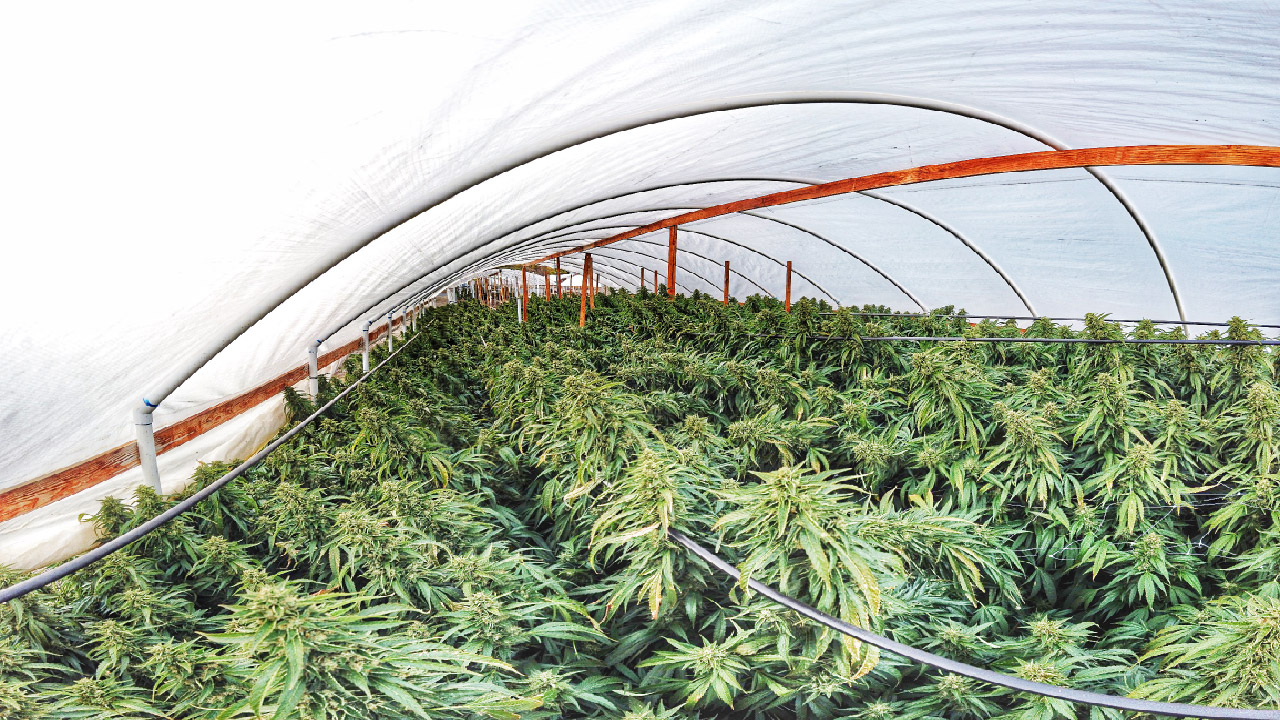
- Outdoor vs. Indoor Cultivation: Both indoor and outdoor cultivation are generally permitted, provided they adhere to the security and visibility requirements. Indoor grows often offer more control over environmental factors like light, temperature, and humidity, which can lead to higher yields and quality. Outdoor grows, on the other hand, benefit from natural sunlight and can be more cost-effective, but are subject to weather conditions and pest control challenges.
- Nursery Plants: The six-plant limit applies to living plants, including seedlings and mature plants. It does not typically include dried cannabis or harvested flowers.
- Medical vs. Recreational: While Proposition 64 legalized cannabis for both recreational and medical use, the personal cultivation limits remain the same for both. Patients who qualify for medical cannabis may have specific allowances or exemptions under certain circumstances, often requiring a physician’s recommendation and adherence to additional state and local guidelines. However, for the vast majority of residents, the six-plant limit is the standard.
Local Control and Ordinances
It is crucial to recognize that while California has state-level laws governing cannabis cultivation, local jurisdictions retain significant authority to regulate or even prohibit certain aspects of cannabis activity within their borders. This means that even if personal cultivation is legal under state law, a specific city or county might have ordinances that further restrict or ban it. Residents should always consult their local city or county government for the most up-to-date and specific regulations pertaining to their address. Some localities have banned outdoor cultivation entirely, while others may have stricter security requirements or zoning limitations. This patchwork of regulations underscores the importance of due diligence.
Commercial Cannabis Cultivation in California
Beyond personal use, California has established a robust framework for commercial cannabis cultivation, aiming to create a regulated and taxed industry. This involves a complex web of state licensing, local permits, and adherence to stringent operational standards. The economic potential of cannabis cultivation has spurred significant investment, but navigating the regulatory landscape requires careful planning and a deep understanding of the legal requirements.

State Licensing and Regulations
The Bureau of Cannabis Control (BCC), the California Department of Food and Agriculture (CDFA), and the California Department of Public Health (CDPH) are the primary state agencies responsible for overseeing the commercial cannabis industry. Each agency has a role in licensing and regulating different aspects of the supply chain, including cultivation.
- Licensing Types: The CDFA is responsible for issuing licenses for cannabis cultivation. There are various license types based on the size of the cultivation operation and the growing method. These include:
- Small Outdoor Cultivation: For outdoor grows up to 5,000 square feet.
- Small Mixed-Light Cultivation: For mixed-light grows up to 5,000 square feet.
- Small Indoor Cultivation: For indoor grows up to 5,000 square feet.
- Medium Outdoor Cultivation: For outdoor grows between 5,000 and 10,000 square feet.
- Medium Mixed-Light Cultivation: For mixed-light grows between 5,000 and 10,000 square feet.
- Medium Indoor Cultivation: For indoor grows between 5,000 and 10,000 square feet.
- Large Outdoor Cultivation: For outdoor grows exceeding 10,000 square feet.
- Large Mixed-Light Cultivation: For mixed-light grows exceeding 10,000 square feet.
- Large Indoor Cultivation: For indoor grows exceeding 10,000 square feet.
- Specialty Cottage Cultivation: For very small indoor, outdoor, or mixed-light operations, often geared towards craft producers.
- Specialty Small-Scale Cultivation: For small-scale operations with specific limitations.
- Application Process: Obtaining a cultivation license is a rigorous process that involves submitting detailed applications, site plans, security protocols, and business information. Applicants must demonstrate financial responsibility and a commitment to compliance.
- Good Agricultural Practices (GAPs): Cultivators are required to adhere to Good Agricultural Practices, which encompass a wide range of standards aimed at ensuring the safety, quality, and environmental sustainability of cannabis production. This includes guidelines on pest management, water usage, soil health, and the prevention of contamination.
- Pesticide Use: Strict regulations govern the use of pesticides and other agricultural chemicals. Only approved substances can be used, and records of all applications must be meticulously maintained. The CDFA maintains a list of approved pesticides for cannabis cultivation.
- Environmental Protection: Commercial cultivators must implement measures to protect the environment. This includes responsible water management, prevention of soil erosion, and measures to avoid pollution of waterways. Regulations often address stream buffer zones and habitat protection, particularly for outdoor grows in sensitive ecological areas.
- Security Requirements: Licensed cultivators must implement robust security measures to prevent diversion and theft. This typically includes secure fencing, surveillance systems, limited access points, and inventory tracking.
- Testing and Labeling: All cannabis harvested for commercial sale must be tested by a licensed laboratory for potency, pesticides, heavy metals, and microbial contaminants. Products must then be packaged and labeled in accordance with strict state requirements.
Local Authorization and Permitting
In addition to state licensing, most commercial cannabis cultivation operations must also obtain authorization and permits from the local jurisdiction where they are located. This often involves zoning approvals, conditional use permits, and compliance with local environmental and public health ordinances. Local governments have the authority to deny applications or impose additional restrictions based on community impact, public safety, and resource availability. This means that even if a cultivation operation secures a state license, it cannot operate without local approval, further complicating the regulatory landscape.
Navigating the Legalities of Cannabis Cultivation
The legal framework surrounding cannabis cultivation in California is dynamic and multifaceted. Whether for personal enjoyment or commercial enterprise, a thorough understanding of the laws and regulations is essential.
Key Considerations for Individuals
- Know Your Local Ordinances: State law provides a baseline, but local rules can significantly alter what is permissible. Always check with your city or county government.
- Secure Your Grow: Ensure your plants are not visible to the public and are in a secure location to prevent unauthorized access.
- Respect Plant Limits: Adhering to the six-plant limit for personal cultivation is a fundamental requirement.
- Educate Yourself: The cannabis industry is constantly evolving. Stay informed about changes in state and local laws through reliable sources.

Key Considerations for Businesses
- Comprehensive Business Plan: Develop a detailed business plan that accounts for all licensing, permitting, and operational requirements.
- Legal Counsel: Engage with experienced legal counsel specializing in cannabis law to navigate the complex regulatory environment.
- Compliance Team: Establish a dedicated team or hire consultants to ensure ongoing compliance with all state and local regulations, including environmental, labor, and safety standards.
- Community Engagement: Foster positive relationships with the local community and address any concerns proactively.
- Investment in Infrastructure: Commercial cultivation requires significant investment in facilities, equipment, and security systems that meet regulatory standards.
- Market Research: Understand the market demand, pricing, and distribution channels for your cannabis products.
The journey of cannabis legalization in California has been a transformative one. As the state continues to refine its cannabis policies, staying informed and compliant is key for anyone involved in growing this versatile plant, from the home gardener to the large-scale commercial operator. The future of cannabis cultivation in California promises continued growth and adaptation, with a persistent focus on safety, sustainability, and economic opportunity.
LifeOutOfTheBox is a participant in the Amazon Services LLC Associates Program, an affiliate advertising program designed to provide a means for sites to earn advertising fees by advertising and linking to Amazon.com. Amazon, the Amazon logo, AmazonSupply, and the AmazonSupply logo are trademarks of Amazon.com, Inc. or its affiliates. As an Amazon Associate we earn affiliate commissions from qualifying purchases.