
The question of geographic proximity often arises when planning a journey to the pristine shores and volcanic landscapes of Hawaii. While intuitively, the archipelago might seem an outlier in the vast Pacific Ocean, a closer examination of its location relative to major landmasses like Japan and California reveals a nuanced answer. This exploration delves into the distances, travel implications, and the unique position of Hawaii within global travel routes, offering insights for both seasoned globetrotters and first-time visitors contemplating this tropical paradise.
Navigating Distances: A Geographic Perspective
To definitively answer whether Hawaii is closer to Japan or California, we must consider precise measurements and the geographical context of the Pacific Ocean.

Great Circle Distances
The shortest distance between two points on a sphere, known as the great-circle distance, provides the most accurate measure.
-
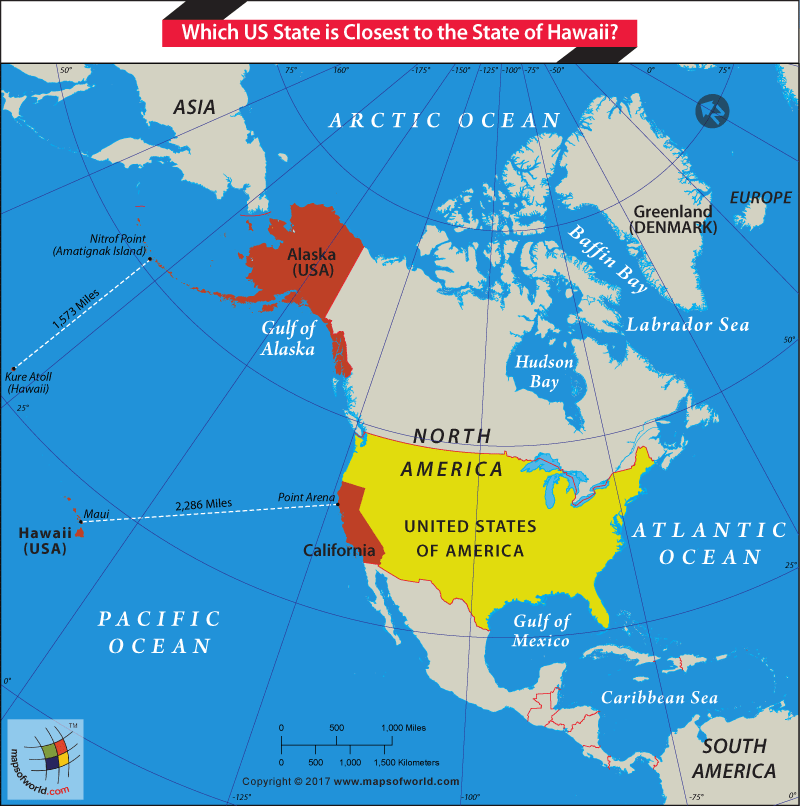
Hawaii to California: The west coast of California, specifically a point like Los Angeles or San Francisco, is approximately 2,400 to 2,500 miles (around 3,860 to 4,020 kilometers) from the main islands of Hawaii. For instance, the distance from Honolulu on the island of Oahu to San Francisco is roughly 2,390 miles (3,846 kilometers).
-
Hawaii to Japan: The distance from Hawaii to major cities in Japan, such as Tokyo or Osaka, is considerably greater. Tokyo is approximately 3,850 miles (around 6,195 kilometers) from Honolulu.
Based on these figures, it is clear that Hawaii is significantly closer to California than to Japan.
Strategic Location in the Pacific
Hawaii occupies a unique and strategic position in the central Pacific Ocean. As a U.S. state, it serves as a vital hub for commerce, military operations, and, importantly, tourism between North America and Asia. Its location makes it a natural stepping stone for journeys across the ocean. For travelers originating from the continental United States, California is the closest major gateway, with numerous direct flights to the islands. Conversely, for those journeying from East Asia, Hawaii represents a significant, albeit closer than most, stopover point on their way to the mainland United States.
Travel Implications: Flights and Itineraries
The geographic realities translate directly into practical considerations for travelers, influencing flight times, costs, and the feasibility of various itineraries.
Flight Durations
-
Flights from California to Hawaii: Direct flights from major California airports like Los Angeles International Airport (LAX) or San Francisco International Airport (SFO) to Honolulu International Airport (HNL) typically range from five to six hours. This relatively short flight duration makes Hawaii an accessible destination for weekend getaways or shorter vacation periods from the West Coast.
-
Flights from Japan to Hawaii: The journey from Tokyo Narita International Airport (NRT) or Tokyo Haneda Airport (HND) to Honolulu (HNL) is considerably longer, usually spanning eight to nine hours for direct flights. This extended travel time means that trips from Japan to Hawaii often involve a more substantial commitment in terms of time off and planning.
Route Planning and Layover Options
For travelers originating outside of California or Japan, the closest major hub often dictates the most efficient route.
-
From the East Coast of the U.S.: Travelers from places like New York City or Chicago often fly to a West Coast hub such as Los Angeles or Seattle before connecting to Hawaii. Some might opt for a direct flight from their originating city, which can be around 9-10 hours.
-
From Europe: Journeys from Europe to Hawaii almost invariably involve at least one layover, typically on the West Coast of the United States. The total travel time can exceed 15-20 hours, making it a significant undertaking.
-
From East Asia (excluding Japan): For travelers from countries like South Korea, China, or Taiwan, Hawaii is often a direct or one-stop destination. Flights from Seoul to Honolulu, for example, take about seven to eight hours. This is still longer than flights from California, but shorter than from Japan.
The proximity to California makes it the primary gateway for most visitors to Hawaii, especially those coming from the Americas. Japan, while a significant source of tourism for Hawaii, is geographically further, necessitating longer travel times and often more extensive vacation plans.
Understanding Traveler Origins and Tourism Flows

The geographic distances not only affect travel times but also shape the origin of tourists visiting Hawaii and influence the types of travel experiences sought.
The U.S. Mainland as the Primary Source Market
The overwhelming majority of tourists arriving in Hawaii hail from the continental United States. This is a direct consequence of Hawaii’s status as a U.S. state, its relative accessibility from the West Coast, and the marketing efforts by the Hawaii Tourism Authority.
-
California Dominance: California consistently ranks as the top source of visitors to Hawaii. This is driven by factors including proximity, a large population base, a strong economy, and a shared cultural affinity. The ease of booking short trips makes Hawaii a popular vacation spot for Californians.
-
Other U.S. Markets: Other major contributors include Texas, New York, and Washington states. Flights from these regions typically connect through West Coast hubs, highlighting the importance of these connections.
International Tourism Dynamics
While the U.S. mainland dominates, international tourism plays a significant role in Hawaii’s economy.
-
Japan’s Enduring Appeal: Despite the longer travel distance, Japan remains a crucial international market for Hawaii. The islands hold a romanticized image in Japanese culture, often associated with beautiful beaches, honeymoon destinations, and a sense of exotic adventure. Historical ties and strong marketing initiatives by the Hawaii Tourism Authority in Japan further bolster this connection.
-
Emerging Markets: Other significant international markets include Canada, Australia, and increasingly, countries in East and Southeast Asia such as South Korea and China. For these travelers, Hawaii often represents a mid-point on journeys between their home countries and the continental U.S., or as a primary destination in its own right.
The comparative proximity of Hawaii to California directly correlates with the higher volume of visitors from the U.S. West Coast. While Japan is a vital international partner, the longer distance naturally influences the patterns and frequency of travel from that region.
Planning Your Pacific Sojourn: Practical Advice
Understanding the geographic relationship between Hawaii, Japan, and California is not just an academic exercise; it has tangible benefits for planning your ultimate Pacific getaway.
Choosing the Right Gateway
Your starting point is paramount in determining the most convenient and cost-effective way to reach Hawaii.
-
From North America: If you are on the West Coast of the United States, California is your most direct gateway. Flights are frequent, often less expensive, and significantly shorter. For those on the East Coast or in the Midwest, consider direct flights from major hubs or factor in a layover on the West Coast.
-
From Asia: If you are traveling from East Asia, Japan is a key consideration, but not necessarily the closest. Countries like South Korea or even the westernmost parts of China might offer more direct or shorter flight paths depending on specific routes and airline offerings. However, for many Japanese travelers, the cultural familiarity and established tourism infrastructure make the longer flight from Japan a worthwhile option.
Optimizing Your Itinerary
The distances influence how you might structure your trip.
-
Short Stays: For brief escapes, the proximity to California makes a long weekend or a week-long vacation entirely feasible. This allows for a taste of the islands without extensive travel disruption.
-
Multi-Destination Trips: If you are considering a trip that spans both North America and Asia, Hawaii can serve as an excellent, albeit geographically intermediate, stopover. For instance, a journey from California to Japan would naturally involve crossing the Pacific Ocean, with Hawaii being a possible, though not necessarily direct, segment. Conversely, a trip from Japan to California would see you traveling from west to east across the ocean.
Booking and Budgeting
Understanding flight times and layover possibilities directly impacts your budget. Longer flights, especially those with multiple stops or from more distant locations, generally translate to higher airfare. Booking in advance and comparing options from different gateways and airlines is always recommended. For travelers from California, the ease of access can sometimes lead to more competitive pricing compared to flights from further afield.
In conclusion, while both Japan and California are major Pacific players with significant ties to Hawaii, geographic reality firmly places the Golden State much closer. This proximity shapes travel patterns, flight durations, and the overall accessibility of the Aloha State for those dreaming of its shores.
LifeOutOfTheBox is a participant in the Amazon Services LLC Associates Program, an affiliate advertising program designed to provide a means for sites to earn advertising fees by advertising and linking to Amazon.com. Amazon, the Amazon logo, AmazonSupply, and the AmazonSupply logo are trademarks of Amazon.com, Inc. or its affiliates. As an Amazon Associate we earn affiliate commissions from qualifying purchases.