
The question of legality surrounding cannabis cultivation in California is complex, a nuanced landscape shaped by evolving legislation and a deeply ingrained cultural history. For decades, cannabis was strictly prohibited, leading to widespread arrests and a thriving illicit market. However, the passage of Proposition 64 in 2016, also known as the Adult Use of Marijuana Act (AUMA), dramatically altered the legal framework. This act legalized recreational marijuana use for adults aged 21 and over and, crucially, established provisions for personal cultivation. Yet, the simple answer to whether it’s illegal to grow weed in California is far from a straightforward “no.” The legality is contingent upon adherence to specific regulations and the location of the cultivation.

The Legal Landscape of Personal Cultivation
California’s journey towards cannabis legalization has been progressive, moving from medical marijuana to a fully regulated adult-use market. Proposition 64 laid the groundwork for individuals to grow cannabis within their private residences, but this right is not absolute. The law is designed to balance individual liberty with public safety and community well-being. Understanding these parameters is paramount for anyone considering cultivating cannabis in the state.
Home Cultivation Regulations
Under AUMA, adults 21 years of age or older are permitted to grow up to six living cannabis plants per private residence for personal use. This is a significant shift from previous laws, where any cultivation was largely prohibited. However, this right is subject to several important caveats:
- Location: The cultivation must occur within a private residence or on the grounds of that residence. This means it cannot be in a public space or an area accessible to the public.
- Security: The plants must be kept in a locked space that is not visible to the public. This is to prevent unauthorized access and to maintain a degree of discretion.
- Local Ordinances: Perhaps the most critical aspect for prospective growers is that local jurisdictions within California have the authority to enact their own ordinances regarding cannabis cultivation. This means that while state law may permit home growing, a specific city or county can place further restrictions or even outright bans on it. For instance, some municipalities may prohibit outdoor cultivation entirely, while others might limit the number of plants to less than the state’s six-plant maximum. It is therefore imperative for anyone considering growing to research and understand the specific laws in their local area.
- Landlord Restrictions: For those living in rented properties, landlords can prohibit cultivation on their premises. This is a contractual matter, and tenants should consult their lease agreements or communicate directly with their landlords.
Differentiating Between Personal and Commercial Cultivation
It is crucial to distinguish between personal cultivation for individual use and commercial cultivation for sale. Commercial cultivation is a highly regulated industry in California, requiring licenses from both state and local authorities. The regulations governing commercial operations are extensive, covering everything from facility requirements and security protocols to environmental impact assessments and pesticide use. Attempting to cultivate cannabis for sale without the appropriate licenses is illegal and carries severe penalties, including hefty fines and criminal charges.
Understanding Local Control and Restrictions
The decentralized nature of cannabis regulation in California means that local control plays a significant role in determining the legality of growing weed. Cities and counties have been granted substantial authority to regulate or ban commercial cannabis activities, and this extends to personal cultivation to varying degrees.
The Impact of Municipal Ordinances
Many cities and counties across California have implemented ordinances that either restrict or prohibit personal cannabis cultivation. These ordinances are often enacted in response to concerns about odor, public safety, and the potential for illegal diversion of cannabis.
- Outright Bans: Some local governments have chosen to ban all forms of cannabis cultivation, including personal home grows, even if it contradicts the spirit of state law.
- Stricter Limits: Other jurisdictions may permit home cultivation but impose stricter limits than the state’s six-plant rule. For example, a city might limit residents to growing only three plants or require specific enclosure and ventilation systems.
- Zoning and Location Restrictions: Local ordinances might also specify where cultivation can occur, such as prohibiting outdoor grows in certain residential zones or requiring cultivation to be conducted in accessory structures.
Navigating these local regulations can be challenging. Individuals are strongly advised to consult the municipal code of their specific city or county, or to contact their local planning or code enforcement department, to ascertain the exact rules regarding cannabis cultivation in their area. Ignorance of local ordinances is not a valid defense against violations.
Key Considerations for Growers
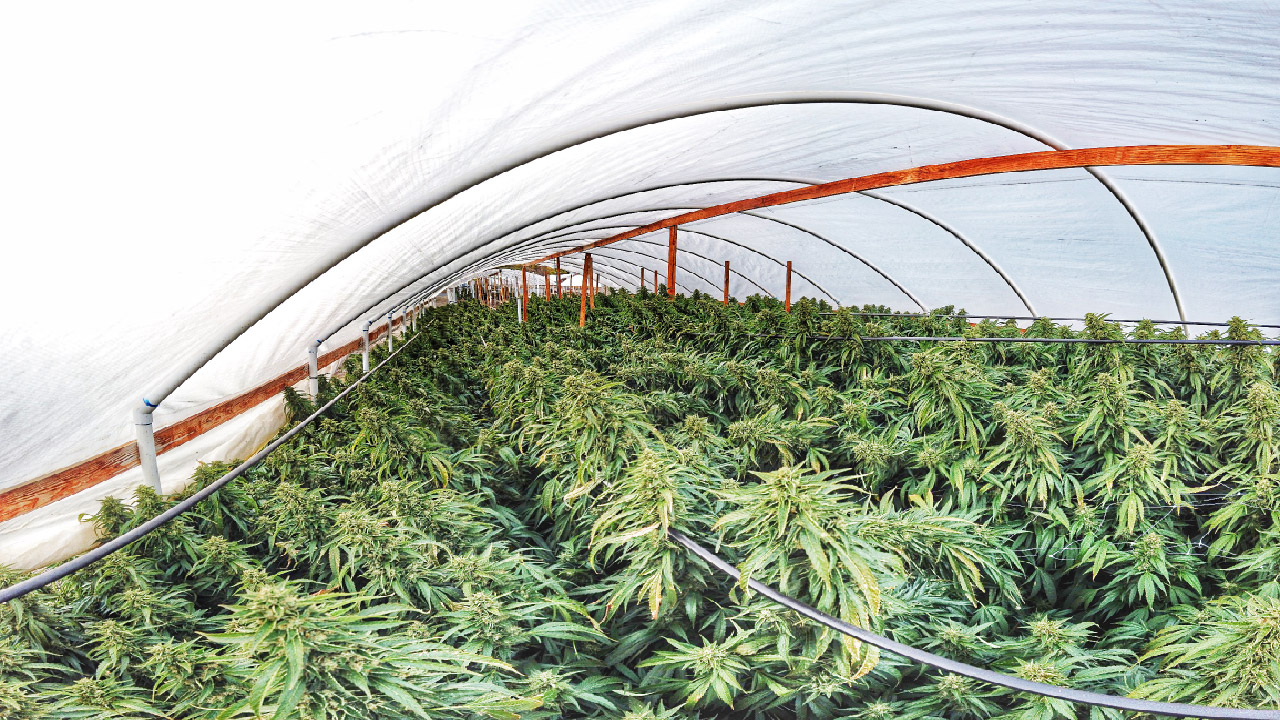
Beyond the legal framework, several practical considerations are important for anyone intending to grow cannabis in California. These include ensuring compliance, understanding the potential for odor issues, and being aware of the security implications.
Ensuring Compliance and Avoiding Penalties
The primary goal for any home grower in California should be to remain compliant with both state and local laws. Failure to do so can result in significant consequences:
- Fines: Local authorities can issue substantial fines for violations of cultivation ordinances.
- Confiscation: Illegally grown cannabis plants can be confiscated.
- Legal Action: In cases of egregious violations or the cultivation of cannabis for commercial purposes without a license, criminal charges may be filed.
It is always better to err on the side of caution and assume a conservative approach to cultivation. This includes meticulously following the state’s six-plant limit, ensuring plants are not visible to the public, and strictly adhering to any local ordinances.
Odor Management and Neighborhood Relations
Cannabis plants, particularly during their flowering stage, can produce a strong and distinct odor. This is a common concern for neighbors and can lead to complaints. While state law does not specifically address odor from personal grows, local ordinances may include provisions related to nuisance odors. Responsible growers should consider implementing odor control measures, such as using carbon filters for indoor grows or choosing less pungent strains for outdoor cultivation, to maintain good relations with their neighbors.
Security and Preventing Diversion
The requirement for cultivation to be in a locked, non-public space is not just about discretion; it’s also a security measure. It helps prevent theft and ensures that the cannabis remains for personal use, reducing the risk of it being diverted to the illicit market. This is particularly important in areas where commercial cultivation is heavily regulated, as diversion from personal grows can still undermine the integrity of the legal market.
The Future of Cannabis Cultivation in California
The legal landscape of cannabis in California is not static. As the industry matures and regulators gain more experience, laws and ordinances are subject to change. The trend has generally been towards greater clarity and, in many areas, more permissive regulations, but local control remains a significant factor.
Ongoing Legislative Developments
Legislative bodies at both the state and local levels continue to debate and refine cannabis regulations. This can include adjustments to personal cultivation limits, new rules for ancillary businesses, and ongoing efforts to combat the illicit market. Staying informed about these developments is essential for anyone involved in or considering cannabis cultivation.

The Economic and Social Impact
The legalization of cannabis, including home cultivation, has had a multifaceted impact on California. Economically, it has created new industries and tax revenues. Socially, it has led to discussions about criminal justice reform and the expungement of past cannabis-related offenses. The ability for individuals to grow their own cannabis contributes to this broader social shift, empowering citizens and fostering a sense of personal autonomy within the regulated framework.
In conclusion, while the answer to “Is it illegal to grow weed in California?” is generally “no” for personal use under state law, the devil is truly in the details. The strict adherence to the six-plant limit, ensuring plants are secured and not visible to the public, and, most importantly, understanding and complying with local ordinances are paramount. The progressive approach taken by California allows for personal cultivation, but it demands responsible citizenship and a thorough understanding of the diverse regulatory environment across its many cities and counties.
LifeOutOfTheBox is a participant in the Amazon Services LLC Associates Program, an affiliate advertising program designed to provide a means for sites to earn advertising fees by advertising and linking to Amazon.com. Amazon, the Amazon logo, AmazonSupply, and the AmazonSupply logo are trademarks of Amazon.com, Inc. or its affiliates. As an Amazon Associate we earn affiliate commissions from qualifying purchases.