
Understanding Julian’s Unique Climate
The picturesque mountain town of Julian, nestled in the San Diego County mountains, is renowned for its charming historic atmosphere and, perhaps more intriguingly, its often uncharacteristic weather patterns. While Southern California is largely synonymous with sunshine and mild temperatures, Julian experiences a distinct microclimate that can bring a touch of winter magic, even when the coastal cities remain bathed in warmth. This phenomenon is primarily due to its elevation. Sitting at approximately 4,200 feet above sea level, Julian is significantly higher than the surrounding lowlands. This difference in altitude plays a crucial role in temperature fluctuations, particularly during the cooler months.

Elevation’s Impact on Temperature
The higher elevation of Julian means that temperatures are consistently cooler than in the lower-lying areas of San Diego County. This effect is amplified during winter, from roughly November through March. When Pacific storms roll in, the cooler air at Julian’s altitude is more likely to precipitate as snow rather than rain. Conversely, even during a winter storm, the lower elevations might only see rain, or perhaps a dusting of frost, while Julian can be transformed into a winter wonderland. This makes it a unique destination for those seeking a more traditional winter experience without traveling to distant mountain ranges.
Seasonal Weather Patterns
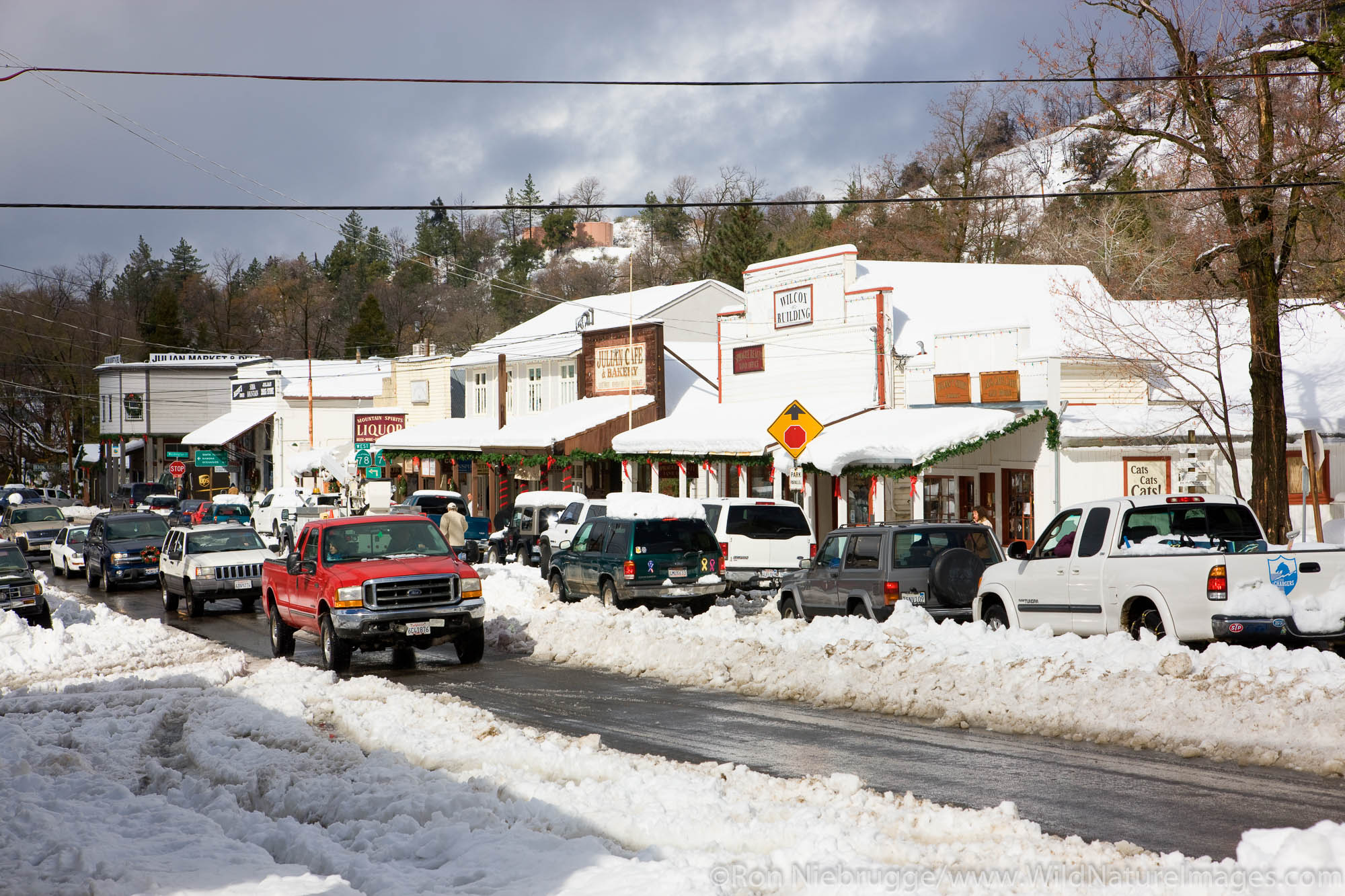
While snow is not an everyday occurrence in Julian, it is certainly a possibility during its winter season. The frequency and intensity of snowfall can vary greatly from year to year. Some winters may bring several significant snow events, blanketing the town and surrounding countryside in a pristine layer of white. Other years, there might be only a light dusting or perhaps no snow at all. The most common months for snowfall are December, January, and February, though early season snow in late November or late season snow in early March are not unheard of. When snow does fall, it can significantly impact travel, often leading to temporary road closures on mountain passes, so it’s always wise to check road conditions before heading out.
Planning a Visit When Snow is Possible
The allure of a snowy Julian is undeniable. The quaint Victorian architecture, the charming shops, and the surrounding oak and pine forests take on an ethereal beauty under a blanket of snow. If you’re hoping to experience this magical transformation, planning your visit during the winter months is key. However, it’s important to approach such a visit with flexibility and preparedness.
Best Times to Visit for Snowfall
While it’s impossible to guarantee snow on any specific date, the period from December through February offers the highest probability. Tourists often plan trips around forecasts, hoping to catch a snowfall. Many visitors combine their trip with the town’s famous apple pie shops and the opportunity to explore the historic mining district. The anticipation of potential snow adds an extra layer of excitement to a visit during these months. It’s worth noting that even if there isn’t active snowfall, the crisp mountain air and the possibility of seeing snow-capped peaks in the distance can still offer a refreshing escape.
What to Pack and Prepare
If you’re venturing to Julian with the hope of encountering snow, or even if you’re just visiting during the winter months, packing appropriately is crucial. Layers are your best friend. Bring warm clothing, including a waterproof and windproof outer layer, a hat, gloves, and a scarf. Sturdy, waterproof footwear is essential, especially if you plan on walking around town or exploring any of the nearby hiking trails. If you’re driving, ensure your vehicle is equipped for potentially slick roads. This might include carrying tire chains, especially if you plan to venture onto higher elevations or if road conditions are already reported as icy. Checking weather forecasts and road conditions from reliable sources like Caltrans is highly recommended before and during your trip.
Understanding Road Conditions
The mountain roads leading to and from Julian, such as Highway 78 and Highway 79, can become treacherous during snow or icy conditions. While San Diego County’s road crews work diligently to keep these routes clear, heavy snowfall can sometimes lead to temporary closures or require the use of tire chains. It is imperative to check Caltrans QuickMap or local news for real-time road updates before you embark on your journey. If chains are required, and you are not familiar with their installation, pull over at a safe location to put them on or seek assistance from designated chain installers (often available at the base of mountain passes for a fee). Patience is key when traveling in these conditions; drive slowly and cautiously, maintaining a safe distance from other vehicles.

Experiencing Julian’s Charm Beyond the Snow
While the possibility of snow is a significant draw for some, Julian offers a wealth of attractions and experiences that make it a delightful destination year-round. Its rich history, unique character, and natural beauty provide ample reasons to visit regardless of the weather.
A Glimpse into the Past: Historic Julian
Julian was founded in 1870 as a gold mining town, and its historical legacy is preserved in its beautifully maintained historic district. Strolling down Main Street is like stepping back in time. You’ll find well-preserved Victorian buildings housing a variety of shops, art galleries, and, of course, the world-famous Julian apple pie bakeries. The Julian Pioneer Museum offers a fascinating look into the town’s mining heritage and the lives of its early settlers. Exploring the remnants of the old mines, such as the Eagle Mining Company, provides a tangible connection to Julian’s boom-and-bust past.
Culinary Delights: The Famous Apple Pie and More
No visit to Julian is complete without indulging in its iconic apple pie. Several bakeries vie for the title of “best,” each offering their own delicious take on this classic dessert. Made with locally grown apples, the pies are often served warm with a scoop of ice cream or a dollop of whipped cream. Beyond apple pie, Julian offers a surprising variety of culinary experiences. You can find cozy cafes serving hearty breakfasts, charming restaurants offering farm-to-table fare, and even local wineries producing award-winning vintages. Enjoying a meal or a tasting in the crisp mountain air is a truly enjoyable experience.
Natural Beauty and Outdoor Activities
Surrounding Julian is a landscape of rolling hills, dense forests, and scenic vistas. The Cleveland National Forest provides numerous opportunities for hiking and exploring. Popular trails include those in the Palomar Mountain State Park, which also offers spectacular views and the chance to visit the Palomar Observatory. Even if there’s no snow, the changing autumn colors or the vibrant spring wildflowers can be breathtaking. For a more relaxed experience, scenic drives through the countryside offer picturesque views and charming roadside attractions. The clear mountain air and the serene environment make it an ideal location for nature lovers and those seeking a peaceful retreat.
Weather Forecasting for Julian, California
Predicting snow in Julian requires a keen eye on weather patterns and reliable forecasting. While general weather apps can provide an outlook, understanding the specific factors that influence snowfall in this unique mountain locale can help you better anticipate potential winter events.
Key Factors for Snowfall
The primary driver for snow in Julian is the arrival of a low-pressure system originating from the Pacific Ocean, often referred to as a “winter storm.” For snow to fall, rather than rain, the temperature at all levels of the atmosphere, from the clouds down to the ground, must be at or below freezing (32°F or 0°C). Because of its elevation, Julian is much more likely to meet this temperature requirement than the coastal areas of San Diego. However, even a few degrees above freezing can result in rain. Moisture content of the storm is also crucial; a “dry” storm might not produce much precipitation, even if the temperatures are favorable for snow.
Reliable Weather Resources
When planning a trip to Julian with snow in mind, it’s advisable to consult multiple reliable weather sources. Local news weather reports from San Diego stations often provide detailed forecasts for the mountain areas. Websites and apps that specialize in mountain weather or provide detailed atmospheric data can also be invaluable. Pay attention to temperature forecasts, precipitation chances, and any advisories or warnings issued by meteorological services. Many forecasting models will specifically mention the “snow level,” indicating the altitude at which precipitation is expected to fall as snow. For Julian, a snow level at or below 4,000 feet is a strong indicator that snow is possible.
Interpreting Snow Forecasts
Interpreting snow forecasts requires understanding that forecasts, especially for snow, can change rapidly. A forecast of “chance of snow” means there’s a possibility, but it’s not guaranteed. A forecast of “snow showers” suggests intermittent snowfall, which might accumulate lightly. “Heavy snow” or “snow likely” indicates a higher probability of significant accumulation. When a forecast mentions a specific snow accumulation, such as “1-3 inches,” it’s an estimate, and the actual amount can vary. It’s also important to consider the timing of the precipitation; a forecast might indicate snow overnight, which could make for a scenic morning drive. Always check the forecast close to your travel date for the most accurate information.
LifeOutOfTheBox is a participant in the Amazon Services LLC Associates Program, an affiliate advertising program designed to provide a means for sites to earn advertising fees by advertising and linking to Amazon.com. Amazon, the Amazon logo, AmazonSupply, and the AmazonSupply logo are trademarks of Amazon.com, Inc. or its affiliates. As an Amazon Associate we earn affiliate commissions from qualifying purchases.