
Navigating the diverse legal landscape of the United States can be a complex undertaking, particularly when it comes to operating a vehicle. For travelers and residents alike, understanding the rules of the road is paramount to ensuring a safe and lawful journey. Among the many questions that arise, one frequently surfaces: “Is a radar detector legal in California?” This query is especially relevant for those planning a road trip through the Golden State or for individuals who rely on these devices for peace of mind on their daily commutes. This article aims to provide a comprehensive answer, delving into the specific legislation and common interpretations that govern the use of radar detectors in California, offering clarity for all road users.
Understanding Radar Detectors and Their Purpose
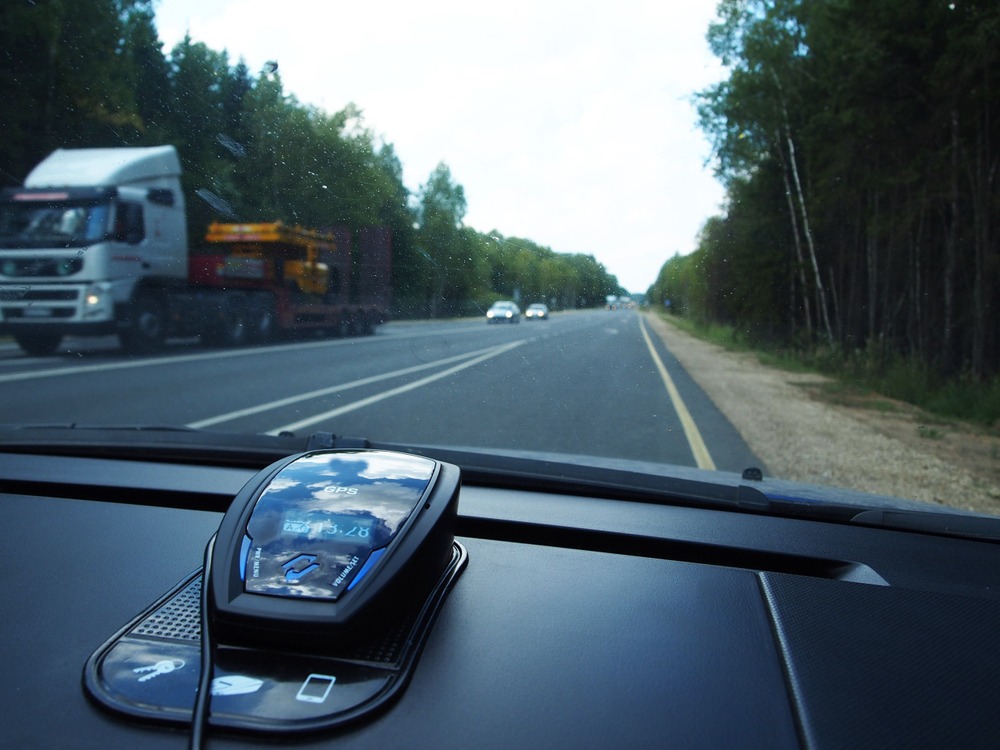
Before examining the legality, it’s essential to understand what a radar detector is and why drivers use them. A radar detector is an electronic device designed to alert a driver of the presence of police speed monitoring systems. These systems typically operate using radar or lidar technology to measure a vehicle’s speed. Radar detectors work by sensing the specific radio frequencies emitted by these speed guns. When a signal is detected, the device alerts the driver, often through audible beeps or visual indicators, providing an opportunity to check their speed and adjust it accordingly.
The primary motivation for using a radar detector is to avoid speeding tickets. Speeding is a significant contributor to traffic accidents and is a common infraction that can result in fines, points on a driver’s license, increased insurance premiums, and even license suspension. For some, a radar detector is a tool for responsible driving, serving as a reminder to maintain legal speeds. For others, it might be perceived as a way to circumvent traffic laws. The debate surrounding their use often centers on whether they promote safer driving habits or encourage reckless behavior.
The Legal Status of Radar Detectors in California
In California, the legality of radar detectors for civilian use is a point of common confusion, but the answer is surprisingly straightforward for most drivers. In general, possessing and using a radar detector in a privately owned vehicle in California is legal. This means that if you are driving your personal car, motorcycle, or other non-commercial vehicle, you are permitted to have a radar detector installed and operational.
This stands in contrast to some other states, such as Virginia and the District of Columbia, where radar detectors are outright banned for all drivers. California’s more permissive stance allows drivers to utilize these devices to be aware of potential speed enforcement.
Exceptions and Nuances
While the general rule is that radar detectors are legal for private vehicles, there are crucial exceptions and nuances to be aware of, particularly for commercial drivers.
Commercial Vehicles
For drivers of commercial vehicles, the use of radar detectors is strictly prohibited in California. This prohibition extends to any vehicle engaged in interstate or intrastate commerce, including trucks, buses, and other commercial transport vehicles. The federal government, through the U.S. Department of Transportation, has enacted regulations that ban radar detectors in commercial motor vehicles. California adheres to these federal regulations. The rationale behind this ban is to ensure that commercial vehicles, which are often larger and heavier, operate at safe speeds and comply with all traffic laws to protect public safety. This distinction is vital for anyone operating a commercial vehicle within California’s borders.
Airborne Law Enforcement
It’s also important to note that while radar detectors can detect ground-based speed enforcement, they are generally not effective against aircraft-based speed monitoring. Some law enforcement agencies utilize aircraft equipped with radar or other speed-measuring devices. Radar detectors are designed to pick up specific ground-based frequencies and are typically incapable of detecting the signals used by aircraft. Therefore, relying solely on a radar detector for protection against all forms of speed enforcement in California would be a miscalculation.
Understanding the Legal Basis
The California Vehicle Code does not explicitly outlaw the possession or use of radar detectors in private vehicles. While various sections of the code address speed limits and reckless driving, there is no specific statute that declares radar detectors illegal for the general public. This legislative silence is what permits their use. However, it is crucial to remember that the legality of the device does not grant immunity from traffic laws. Using a radar detector does not absolve a driver of the responsibility to obey speed limits or other traffic regulations.
Responsible Use and Legal Ramifications
While the device itself is legal, how it is used and the circumstances under which a driver is stopped can still lead to legal consequences. The key is to understand that the radar detector is a tool, and its use should align with responsible driving practices.
Avoiding Tickets vs. Driving Safely
The distinction between using a radar detector to avoid speeding and using it as a reminder to maintain safe speeds can be subtle but is significant in the eyes of the law and in practice. Law enforcement officers are trained to identify and cite drivers who are speeding, regardless of whether they are using a radar detector. If a driver is stopped for speeding, the presence of a radar detector will not be a defense.
In fact, in some situations, the way a driver reacts to a radar detector alert could inadvertently draw the attention of law enforcement. For example, sudden braking or erratic maneuvers immediately after an alert can signal to an officer that the driver may have been speeding and is now attempting to avoid detection. This could lead to a traffic stop, and if other violations are observed, further citations may be issued.
Interference with Law Enforcement
While not a common occurrence for most drivers, it’s worth noting that some highly sophisticated or illegal modifications to radar detectors could potentially interfere with police radar equipment. Such actions would undoubtedly carry severe legal penalties, far beyond the scope of simply possessing a standard radar detector. However, for the vast majority of commercially available radar detectors, this is not a concern.
Fines and Penalties for Speeding
The primary legal consequence of using a radar detector in California, if you are caught speeding, is the penalty for the speeding violation itself. This can include:
- Fines: The amount of the fine varies depending on the speed over the limit and the specific jurisdiction.
- Points on your driving record: Accumulating too many points can lead to a suspended license.
- Increased insurance premiums: Traffic violations often result in higher car insurance costs.
- Traffic school: In some cases, attending traffic school may be an option to keep points off your record, but this is typically for the underlying violation, not for possessing the detector.
The Role of Radar Detectors in Modern Travel
For travelers exploring California’s vast and varied landscapes, from the bustling metropolises of Los Angeles and San Francisco to the scenic drives along the Pacific Coast Highway, a radar detector can be a useful tool for maintaining awareness of speed limits. The state boasts a wide array of speed zones, including residential areas, school zones, and highway stretches, each with its own regulations.
Road Trip Preparedness
When planning a road trip, especially one that involves extensive driving, being prepared is key. This includes understanding the local traffic laws of the destinations you will visit. California has a strong emphasis on traffic safety, and its law enforcement is active in monitoring speed. A radar detector can serve as an aid in ensuring you adhere to these speeds, helping to prevent unexpected detours due to traffic stops and fines, allowing your journey through places like Yosemite National Park or the wine regions of Napa Valley to be as smooth as possible.
Choosing and Using a Detector Wisely
If you decide to use a radar detector in California, consider the following:
- Quality: Invest in a reputable brand known for its reliability and effectiveness.
- Proper Installation: Ensure the device is installed in a way that does not obstruct your view of the road or interfere with your driving. Many drivers opt for windshield mounts or discreet dashboard placements.
- Understanding Alerts: Familiarize yourself with the different alert tones and patterns of your detector to understand what type of signal you are receiving.
- Supplement, Not Substitute: Always remember that a radar detector is a supplement to, not a substitute for, attentive and safe driving. Always be aware of posted speed limits and road conditions.
Conclusion
In summary, for the average driver operating a private vehicle in California, a radar detector is legal. You can purchase, possess, and use one without violating state law. However, this legality does not grant a license to speed. The primary concern for law enforcement and the purpose of speed limits remain safety. Commercial drivers, on the other hand, must adhere to federal regulations that prohibit the use of radar detectors in their vehicles. By understanding these distinctions and using radar detectors responsibly as a tool for awareness rather than evasion, travelers can navigate California’s roads with greater confidence and compliance.
LifeOutOfTheBox is a participant in the Amazon Services LLC Associates Program, an affiliate advertising program designed to provide a means for sites to earn advertising fees by advertising and linking to Amazon.com. Amazon, the Amazon logo, AmazonSupply, and the AmazonSupply logo are trademarks of Amazon.com, Inc. or its affiliates. As an Amazon Associate we earn affiliate commissions from qualifying purchases.