
The Golden Gate Bridge, the rolling fog, the iconic cable cars—San Francisco is a city that captivates the imagination. But beyond its world-renowned landmarks and vibrant culture lies a fundamental geographical question that often sparks debate: Is San Francisco in Northern California or Southern California? While the answer might seem straightforward to some, understanding the nuances of California’s vast geography is key to truly appreciating its diverse regions.
California, the third-largest state in the U.S. by area, is a land of dramatic contrasts, stretching over 800 miles from north to south. This immense length creates distinct climatic zones, ecosystems, and cultural identities. Therefore, a simple north-south division isn’t always precise, but for general purposes, the state is broadly segmented into Northern California and Southern California.
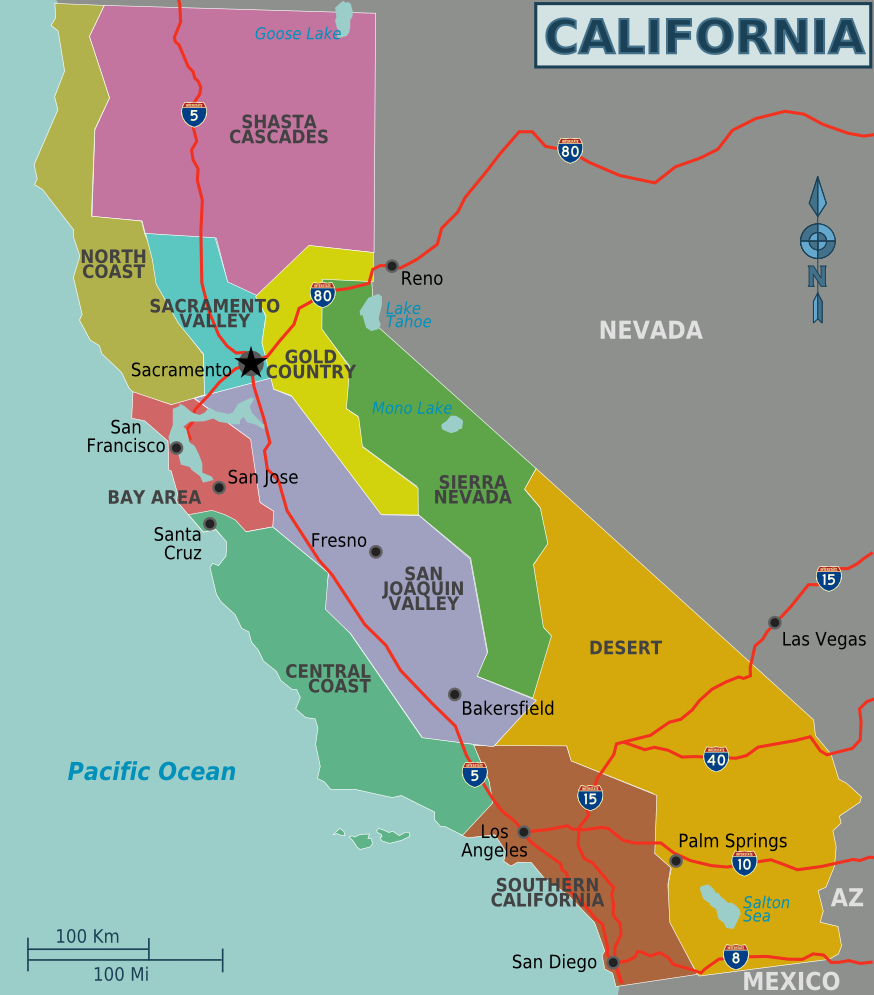
Defining Northern California
Northern California, often affectionately called NorCal, is generally considered to encompass the area north of the Tehachapi Mountains. This geographical marker serves as a common, albeit somewhat generalized, boundary. This region is characterized by its diverse landscapes, ranging from the rugged coastline and towering redwood forests to fertile agricultural valleys and the dramatic peaks of the Sierra Nevada mountains.
Key Characteristics of Northern California:
- Climate: NorCal experiences a wide range of climates. Coastal areas, including San Francisco, often feature a Mediterranean climate with mild, wet winters and warm, dry summers, significantly influenced by the Pacific Ocean’s cool currents, leading to the famous fog. Inland areas, such as the Sacramento Valley, tend to have hotter summers and colder winters. The mountainous regions experience significant snowfall.
- Geography: The geography is incredibly varied. It includes the Pacific coastline, the expansive Central Valley—a major agricultural hub—the volcanic landscapes of Lassen Volcanic National Park, and the granite cliffs of Yosemite National Park. The northernmost reaches are home to dense redwood forests, including Muir Woods National Monument.
- Culture and Economy: NorCal is known for its progressive spirit, technological innovation (Silicon Valley), and a strong emphasis on environmentalism. Major economic drivers include technology, agriculture, tourism, and wine production, particularly in the Napa Valley and Sonoma County wine regions. Cities like San Francisco, Oakland, and San Jose form a significant metropolitan cluster.
Defining Southern California
Southern California, or SoCal, is the region located south of the Tehachapi Mountains. This area is generally perceived as sunnier, warmer, and more sprawling than its northern counterpart.
Key Characteristics of Southern California:

- Climate: SoCal boasts a predominantly Mediterranean climate, but it’s typically warmer and drier than much of NorCal. The coastal areas enjoy a more temperate climate, while inland deserts, like the Mojave Desert, experience extreme heat and arid conditions.
- Geography: The landscape is characterized by extensive beaches, mountain ranges (like the San Gabriel Mountains), deserts, and fertile valleys. Famous geographical features include the Salton Sea and the extensive urban sprawl of the Los Angeles metropolitan area.
- Culture and Economy: SoCal is synonymous with the entertainment industry (Hollywood), aerospace, tourism, and a laid-back, beach-centric lifestyle. Major economic centers are Los Angeles, San Diego, and Anaheim. The culture is often associated with a more relaxed pace of life, a love for outdoor activities, and a vibrant, diverse population.
The Verdict: Where Does San Francisco Fit?
Based on the widely accepted geographical demarcation, San Francisco is definitively located in Northern California. It sits north of the Tehachapi Mountains, placing it squarely within the NorCal region. The city’s climate, influenced by the Pacific Ocean’s cool currents, its proximity to redwood forests and wine country, and its role as a hub for technological innovation all align with the characteristics of Northern California.
Nuances of California’s Divisions
It’s important to acknowledge that the division between Northern and Southern California is not a strict political or administrative boundary but rather a cultural and geographical convention. Some areas, particularly those in the central part of the state, can exhibit characteristics of both regions. For example, the city of Bakersfield, situated in the southern end of the Central Valley, is often debated as to which region it belongs to, leaning more towards Southern California in its climate and culture.
However, for San Francisco, there is little room for ambiguity. Its latitude and geographical context firmly establish it as a jewel of Northern California. When planning a trip or exploring the Golden State, understanding this distinction helps in appreciating the unique offerings of each of its magnificent halves. Whether you’re drawn to the tech hubs and redwood giants of the north or the sun-drenched beaches and entertainment empires of the south, California offers an unparalleled diversity of experiences.
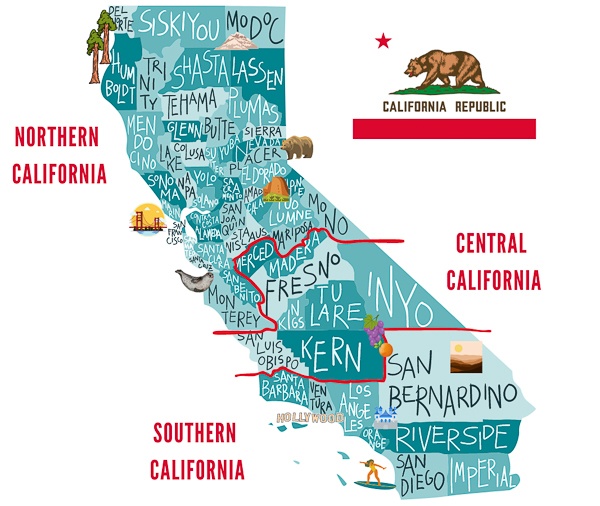
Exploring San Francisco’s Northern California Identity
As a resident or visitor to San Francisco, you are immersed in the essence of Northern California. Consider the following experiences that underscore this identity:
- Coastal Wonders: The city’s dramatic coastline, where the Golden Gate Bridge meets the Pacific, is a quintessential NorCal feature. Explore the rugged beauty of Point Reyes National Seashore or the towering cliffs of Big Sur, both easily accessible from the city and embodying the wild, untamed spirit of Northern California’s coast.
- Redwood Forests: A short drive north of the city brings you to the majestic redwood forests, home to some of the tallest trees on Earth. A visit to Muir Woods offers a profound connection to the ancient natural beauty characteristic of Northern California.
- Wine Country: The world-renowned wine regions of Napa Valley and Sonoma County are just a short excursion away, showcasing the agricultural bounty and sophisticated leisure activities that define Northern California’s vinicultural landscape.
- Cultural Hub: San Francisco itself, with its vibrant arts scene, pioneering tech industry, and diverse neighborhoods like Chinatown and the Mission District, embodies the progressive and innovative spirit often associated with NorCal. The city’s commitment to sustainability and its unique cultural blend further solidify its Northern California identity.
In conclusion, while California is a state of many shades and sub-regions, San Francisco undeniably resides in the northern half. Its geography, climate, and cultural milieu are intrinsically linked to the broader identity of Northern California, making it a distinctive and beloved destination within this dynamic part of the Golden State.
LifeOutOfTheBox is a participant in the Amazon Services LLC Associates Program, an affiliate advertising program designed to provide a means for sites to earn advertising fees by advertising and linking to Amazon.com. Amazon, the Amazon logo, AmazonSupply, and the AmazonSupply logo are trademarks of Amazon.com, Inc. or its affiliates. As an Amazon Associate we earn affiliate commissions from qualifying purchases.