
The question of whether San Francisco falls into Southern or Northern California is a common point of curiosity for travelers, newcomers, and even some long-time residents. While the state of California is geographically vast and culturally diverse, San Francisco unequivocally resides in the northern part of the Golden State. This distinction is not merely a matter of semantics; it influences climate, culture, and even the typical travel itineraries that embrace the region. Understanding San Francisco’s placement within Northern California provides crucial context for exploring its unique attractions and understanding its place in the broader Californian landscape.
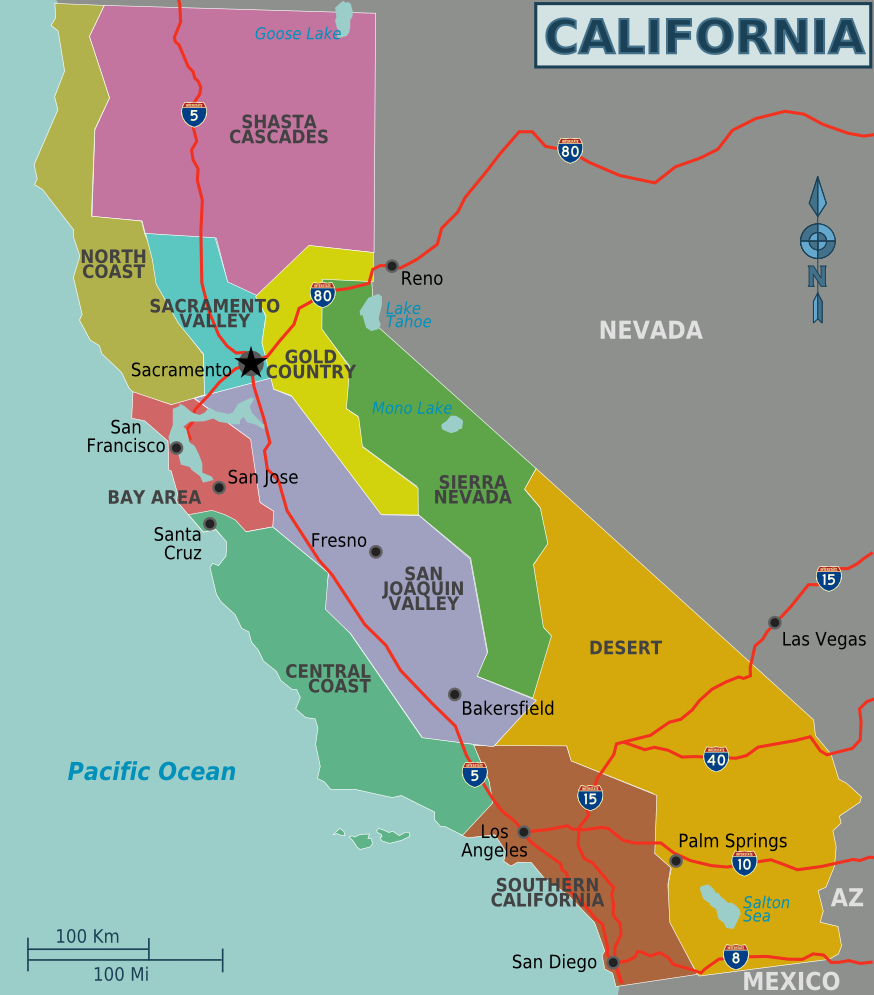
Geographical Demarcation and Climate
The divide between Northern and Southern California is not officially codified by strict governmental lines but is generally understood through a combination of geography and cultural understanding.
The Northern California Region
Northern California is typically defined as the area north of a rough imaginary line that often follows the Tehachapi Mountains. This region encompasses a wide array of landscapes, from the rugged coastline and towering redwood forests to the fertile valleys and the majestic peaks of the Sierra Nevada. San Francisco is situated on the tip of a peninsula, with the Pacific Ocean to its west and the San Francisco Bay to its east. This prime location places it squarely within the boundaries of what is widely considered Northern California.
Climate Contrasts
The climatic differences between Northern and Southern California are significant and play a substantial role in shaping the experiences available to visitors. Northern California, including San Francisco, is known for its temperate maritime climate. Summers are often cool and foggy, particularly in coastal areas like San Francisco, with temperatures rarely soaring to extreme heights. This is a stark contrast to the typically warmer, sunnier, and drier climate of Southern California, which is famous for its Mediterranean-like weather, especially inland. San Francisco’s iconic fog, often rolling in from the Pacific, is a direct consequence of its northern coastal positioning and influences everything from local weather patterns to the city’s unique aesthetic. This cooler, often misty atmosphere is a defining characteristic of the San Francisco experience, differentiating it from the sun-drenched vibes often associated with cities like Los Angeles or San Diego.
Cultural and Lifestyle Differences
Beyond geography and climate, the cultural and lifestyle nuances further solidify San Francisco’s identity as a Northern Californian city. The broader Northern California region often evokes images of progressive politics, a strong emphasis on environmentalism, and a pioneering spirit in technology and innovation, with San Francisco at its epicenter.
The Bay Area’s Distinct Identity
The Bay Area, which includes San Francisco, Oakland, and San Jose, possesses a unique cultural tapestry. It’s a hub for arts, music, diverse culinary scenes, and a more laid-back, yet intellectually driven, lifestyle compared to the more entertainment-focused Southern California. The emphasis on sustainability, outdoor activities in the surrounding natural beauty, and a generally more liberal outlook are hallmarks of this northern region. While Southern California is often characterized by its association with the film industry, beaches, and a more car-centric culture, Northern California, particularly the Bay Area, is renowned for its tech industry, public transportation, and a more compact, walkable urban environment.

Culinary Traditions
The culinary landscape of San Francisco is deeply rooted in its Northern Californian setting. Proximity to fertile agricultural lands in the Central Valley and Sonoma County means an abundance of fresh, seasonal produce, dairy, and wine. This has fostered a farm-to-table movement that is incredibly strong in San Francisco, influencing its world-class restaurants and vibrant farmers’ markets. From fresh seafood caught off the coast to artisanal cheeses and world-class wineries in nearby Napa Valley and Sonoma, the gastronomic offerings of San Francisco are intrinsically linked to the bounty of Northern California. This focus on fresh, local ingredients and innovative culinary practices distinguishes it from the more fast-paced and often chain-restaurant-dominated food scenes that can be prevalent in some parts of Southern California.
Travel Itineraries and Attractions
Understanding San Francisco’s position in Northern California is crucial for planning a comprehensive travel experience. Whether you’re focusing on urban exploration or venturing into the surrounding natural wonders, its northern locale dictates the types of activities and destinations that are easily accessible.
Exploring San Francisco Itself
As a major urban destination, San Francisco offers an abundance of world-class attractions. Iconic landmarks such as the Golden Gate Bridge, Alcatraz Island, and the bustling Fisherman’s Wharf are quintessential Northern California experiences. Visitors can explore diverse neighborhoods like the vibrant Mission District with its rich Latino culture and delicious taquerias, the historic Chinatown, or the picturesque streets of North Beach with its literary history. The city’s renowned museums, such as the de Young Museum and the California Academy of Sciences, further enrich the cultural tapestry. The public transportation system, including the historic streetcars and the BART (Bay Area Rapid Transit) system, facilitates easy exploration without the necessity of a car, a common characteristic of Northern California urban centers.
Day Trips and Excursions from San Francisco
San Francisco’s location makes it an ideal base for exploring the diverse landscapes of Northern California. Day trips or extended excursions can easily take travelers to:
- Muir Woods National Monument: Just a short drive north of the city, these ancient redwood forests offer a serene escape and a glimpse into the majestic natural beauty of the region. The towering trees are a defining feature of Northern California’s ecology.
- Napa Valley and Sonoma County: World-renowned for their vineyards and wineries, these regions are a paradise for wine enthusiasts. The rolling hills and picturesque vineyards are characteristic of Northern California’s wine country.
- Yosemite National Park: While a longer day trip or an overnight stay, the breathtaking granite cliffs, waterfalls, and giant sequoias of Yosemite are a crown jewel of the Sierra Nevada and a quintessential Northern California natural wonder.
- Monterey and Carmel-by-the-Sea: Driving south along the scenic Highway 1, visitors can explore the stunning coastline, the famous 17-Mile Drive, and the charming seaside towns of Monterey and Carmel, offering a taste of the beautiful Central Coast, which bridges Northern and Southern California but is often considered part of the northern experience due to its proximity and climate.
These excursions highlight the rich geographical and experiential offerings available from San Francisco, firmly placing it within the context of Northern California travel. The ease of access to mountains, forests, wine country, and dramatic coastlines underscores its northern positioning.
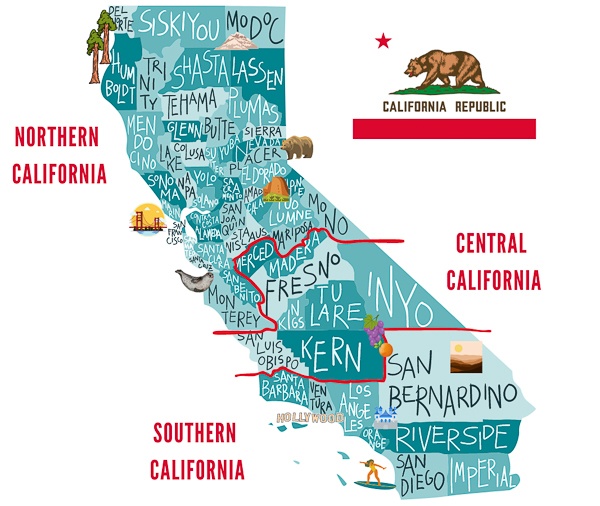
Conclusion: A Northern Star
In conclusion, the answer to whether San Francisco is Southern or Northern California is unequivocally the latter. Its geographical location, temperate climate influenced by ocean fog, distinct cultural identity, and the array of natural and man-made attractions accessible from it all firmly plant it within the Northern California region. For travelers, this understanding is key to appreciating the city’s unique character, planning their explorations effectively, and experiencing the diverse wonders that Northern California has to offer. From its iconic landmarks to its pioneering spirit and the natural beauty that surrounds it, San Francisco stands as a vibrant and essential part of the Northern Californian experience.
LifeOutOfTheBox is a participant in the Amazon Services LLC Associates Program, an affiliate advertising program designed to provide a means for sites to earn advertising fees by advertising and linking to Amazon.com. Amazon, the Amazon logo, AmazonSupply, and the AmazonSupply logo are trademarks of Amazon.com, Inc. or its affiliates. As an Amazon Associate we earn affiliate commissions from qualifying purchases.