
The stark question posed by the title, “Is There A Fire In Southern California?”, immediately conjures images of smoke plumes, emergency alerts, and the palpable anxiety that accompanies natural disasters. While this query might arise from a place of concern for safety and property, it also intersects with the realities of travel and tourism in this vast and dynamic region. Understanding the potential for wildfires, especially during certain seasons, is an essential part of responsible travel planning and appreciating the unique environment of Southern California. This article aims to explore how wildfire awareness impacts visitors, residents, and the very landscape that draws so many to this sun-drenched corner of the United States, focusing on the implications for those planning trips, seeking accommodations, or engaging with the local culture and landmarks.

Understanding Wildfire Risk in Southern California
Southern California is inherently a fire-prone region. Its Mediterranean climate, characterized by hot, dry summers and mild, wet winters, creates ideal conditions for vegetation to dry out and become highly flammable. This natural phenomenon, amplified by factors such as drought, high winds (like the notorious Santa Ana winds), and human activity, can lead to devastating wildfires. For travelers, this means that wildfire season is a critical consideration.
Seasonal Patterns and Geographic Vulnerabilities
While wildfires can occur at any time of year, the risk typically escalates from late spring through fall. This period coincides with the driest months and often sees the strongest offshore winds, which can rapidly spread flames. Certain areas within Southern California are particularly susceptible. These include:
- Wildland-Urban Interface (WUI) Areas: These are regions where human development encroaches upon or is adjacent to wildland areas, such as the hillsides surrounding Los Angeles and San Diego. Many popular tourist destinations and residential areas fall within these zones.
- Mountainous Regions: Areas like the San Gabriel Mountains and the Santa Monica Mountains are covered in dense vegetation that can fuel large fires.
- Canyon Areas: Natural canyons can act as conduits for wind, accelerating fire spread and making containment more challenging.
Understanding these patterns allows for more informed travel decisions. For instance, planning a visit to a national park or a hiking excursion during the peak of fire season might require extra vigilance and checking local advisories.
The Role of Weather and Climate
Climate change and its impact on weather patterns have become increasingly significant factors in wildfire behavior. Prolonged droughts, higher average temperatures, and changes in precipitation patterns can exacerbate the conditions that lead to larger, more intense fires. Travelers visiting Southern California during extended dry spells may encounter increased fire risk. Staying informed about current weather conditions and fire advisories from local authorities is paramount. This includes monitoring official websites and news outlets for updates on red flag warnings, which indicate critical fire weather conditions.
Impact on Travel and Tourism
The presence of wildfires, or even the threat of them, can have a considerable impact on the travel and tourism industry in Southern California. From affecting flight schedules to closing popular attractions, wildfire activity is a factor that visitors must consider.
Travel Disruptions and Safety Concerns
Wildfires can directly impact travel plans in several ways:
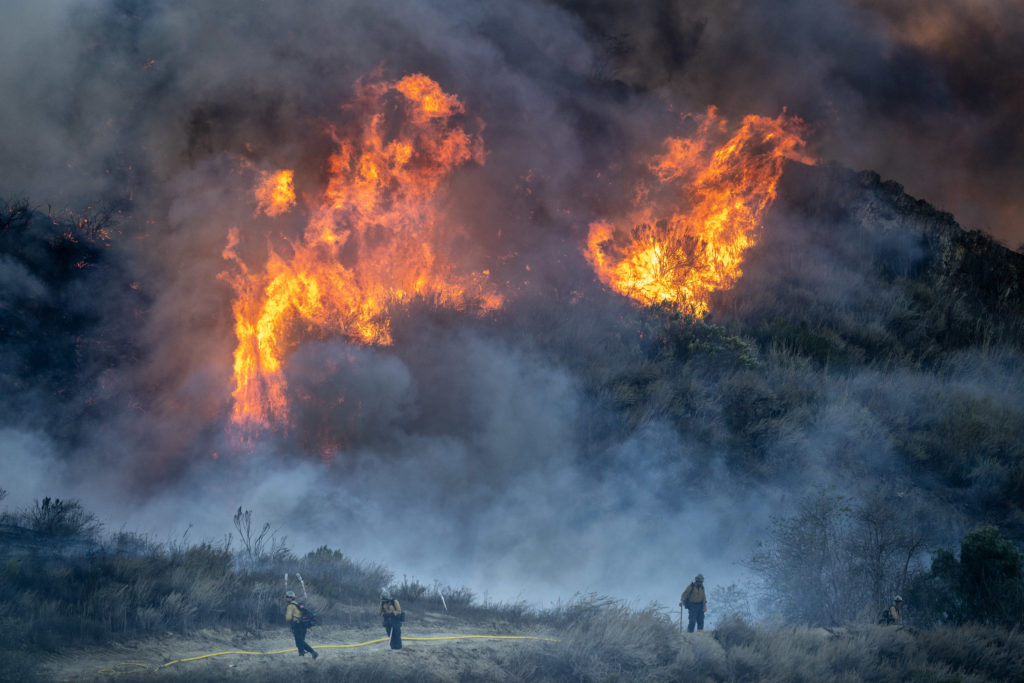
- Road Closures: Major highways and scenic byways can be closed due to fire activity, smoke, or firefighting efforts, disrupting road trips and access to destinations. For example, a wildfire near Big Bear Lake could necessitate detours for those traveling to the mountain resort.
- Air Quality: Smoke from wildfires can spread for hundreds of miles, significantly degrading air quality. This can lead to flight cancellations or delays due to poor visibility, and it can make outdoor activities uncomfortable or even unsafe for sensitive individuals. Many a planned hike in Joshua Tree National Park has been curtailed by smoke haze.
- Evacuations: In severe cases, entire communities or tourist areas may be evacuated, forcing visitors to change their plans abruptly. This was evident during the devastating Woolsey Fire which impacted areas near Malibu and Calabasas.
- Attraction Closures: National and state parks, beaches, hiking trails, and even theme parks may temporarily close to ensure public safety and allow firefighting operations. Popular spots like Griffith Observatory or parts of Disneyland could be affected by severe air quality issues or proximity to fires.
Accommodation Considerations
For those planning stays, wildfire proximity can influence choices:
- Hotel Bookings: Hotels located in or near areas affected by fires may experience cancellations or increased demand from displaced residents and emergency personnel. It’s advisable to book accommodations with flexible cancellation policies during fire season.
- Resort Operations: Large resorts, particularly those nestled in natural settings like Palm Springs or mountain towns, might experience disruptions to amenities or outdoor activities if smoke or fire danger is high.
- Rental Properties: Vacation rentals in wildfire-prone areas require careful consideration. Renters should check local fire conditions and evacuation orders before and during their stay. The allure of a secluded villa in the hills can be overshadowed by immediate safety concerns.
Impact on Local Culture and Activities
The presence of wildfires can also shape the visitor experience of Southern California’s local culture and activities:
- Outdoor Recreation: Activities like hiking, camping, horseback riding, and even beach visits can be curtailed or made unpleasant due to smoke or closures. The iconic hiking trails in the Santa Monica Mountains might be inaccessible.
- Festivals and Events: Outdoor festivals, concerts, and sporting events are particularly vulnerable. Smoke can force cancellations or lead to a less enjoyable experience for attendees. The outdoor amphitheaters like the Hollywood Bowl could be impacted by air quality.
- Sense of Place: For residents and frequent visitors, the recurring threat of wildfires can shape a unique “sense of place” in Southern California, fostering a culture of preparedness and an appreciation for the power of nature.
Staying Informed and Prepared
Navigating Southern California during wildfire season requires a proactive approach to information gathering and safety. Being aware of the potential risks and knowing where to find reliable information can make all the difference in ensuring a safe and enjoyable trip.
Essential Resources for Fire Information
- Cal Fire: The official website of the California Department of Forestry and Fire Protection (Cal Fire) is an indispensable resource. It provides real-time fire maps, incident updates, and evacuation information.
- Local Emergency Services: County and city emergency management agencies often have dedicated websites and social media accounts that provide localized alerts and advisories.
- National Weather Service: The National Weather Service issues Red Flag Warnings and provides crucial weather forecasts that are directly relevant to fire danger.
- Air Quality Management Districts: Agencies like the South Coast Air Quality Management District monitor and report on air quality, which is critical when smoke is present. They issue Air Quality Index (AQI) alerts.

Tips for Travelers
For those planning a visit to Southern California, especially during peak fire season, consider these tips:
- Plan Ahead: Research the specific areas you intend to visit and their typical wildfire risk. Check current conditions before you depart.
- Flexibility is Key: Be prepared to alter your itinerary if wildfire activity or poor air quality impacts your planned activities or destinations.
- Monitor Alerts: Stay informed by regularly checking local news and official fire and air quality advisories.
- Pack Appropriately: Consider packing N95 masks if you are sensitive to smoke or if air quality is expected to be poor.
- Respect Fire Restrictions: If you are visiting areas with campfires or grilling restrictions, adhere to them strictly.
- Know Your Evacuation Routes: If staying in a high-risk area, familiarize yourself with potential evacuation routes.
The question, “Is There A Fire In Southern California?”, is not just about immediate danger; it’s a reminder of the powerful natural forces at play in this beautiful, yet vulnerable, region. By understanding the wildfire landscape and staying informed, travelers can better appreciate the unique environment of Southern California while prioritizing safety and responsible tourism. This awareness allows for a deeper connection with the land, even in the face of its inherent challenges.
LifeOutOfTheBox is a participant in the Amazon Services LLC Associates Program, an affiliate advertising program designed to provide a means for sites to earn advertising fees by advertising and linking to Amazon.com. Amazon, the Amazon logo, AmazonSupply, and the AmazonSupply logo are trademarks of Amazon.com, Inc. or its affiliates. As an Amazon Associate we earn affiliate commissions from qualifying purchases.