
California’s history is deeply intertwined with the Spanish missions that were established along its coast by Franciscan friars starting in the late 18th century. These religious outposts were more than just churches; they were ambitious attempts to expand the Spanish empire, convert indigenous populations to Catholicism, and establish a new way of life. Today, these historic structures stand as captivating landmarks, offering a tangible connection to the state’s foundational years and providing a unique window into the complex interplay between cultures that shaped California.
The Purpose and Establishment of the California Missions
The establishment of the California missions was driven by a multifaceted agenda. Primarily, the Spanish Crown sought to solidify its territorial claims in Alta California, a vast and strategically important region that was increasingly being eyed by other European powers, particularly Russia and Great Britain. The missions served as a crucial tool for this expansion, establishing a Spanish presence and influence far from the established colonies in New Spain (modern-day Mexico).
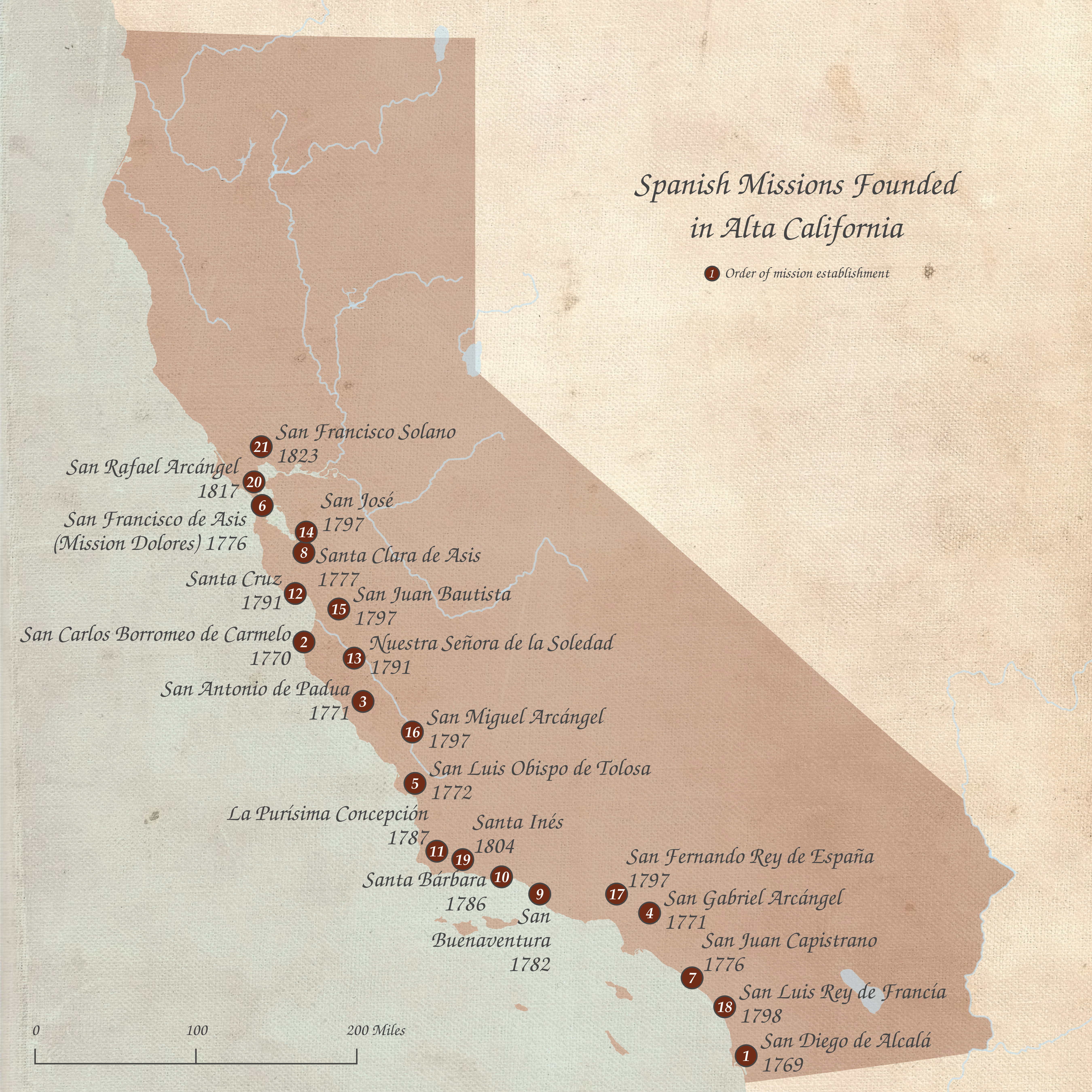
Beyond geopolitical considerations, the missions had a profound religious objective. Led by Father Junípero Serra, a dedicated Franciscan friar, the missionaries aimed to convert the indigenous peoples of California to Christianity. This endeavor involved not only religious instruction but also the introduction of European agriculture, crafts, and social structures. The friars believed they were bringing civilization and salvation to native tribes, though the impact on these communities was, in many ways, devastating.
The first mission, Mission San Diego de Alcalá, was founded in 1769, marking the beginning of a chain of 21 missions that would stretch for over 600 miles from San Diego in the south to Sonoma in the north. Each mission was designed to be self-sufficient, with its own agricultural lands, workshops, and living quarters. They were strategically placed within a day’s travel of each other, fostering a network that facilitated communication and support among the friars.
The Mission System: A Social and Economic Engine
The mission system was a complex undertaking that involved considerable labor and resource management. The friars, with the help of indigenous converts, cultivated crops such as wheat, corn, grapes, and olives. They also raised livestock, including cattle, sheep, and horses, which provided food, hides, and wool. The missions became centers of agricultural production, contributing significantly to the economy of Spanish California.
Craftsmanship was also a vital component of mission life. Indigenous laborers, under the guidance of the friars, learned skills in carpentry, blacksmithing, tanning, weaving, and pottery. These crafts not only met the needs of the missions but also produced goods for trade with passing ships and other settlements. The architectural style of the missions, characterized by their thick adobe walls, red tile roofs, and central courtyards, became a distinctive feature of Californian architecture.
However, the mission system’s success came at a tremendous cost to the indigenous populations. While some native peoples voluntarily joined the missions, many were coerced or forcibly brought there. Once at the missions, they were subjected to strict routines, harsh discipline, and a complete upheaval of their traditional ways of life. Disease, introduced by Europeans, ran rampant through the mission communities, leading to high mortality rates. The loss of traditional lands, languages, and cultural practices was profound, leaving a lasting scar on indigenous Californian history.
Exploring the California Missions Today
Today, the California missions are among the state’s most significant historical and cultural attractions. They offer visitors a unique opportunity to step back in time and experience a crucial chapter in California’s past. Each mission has its own distinct character, shaped by its specific location, the indigenous tribes it interacted with, and the individuals who were instrumental in its development.
Architectural Marvels and Historical Insights
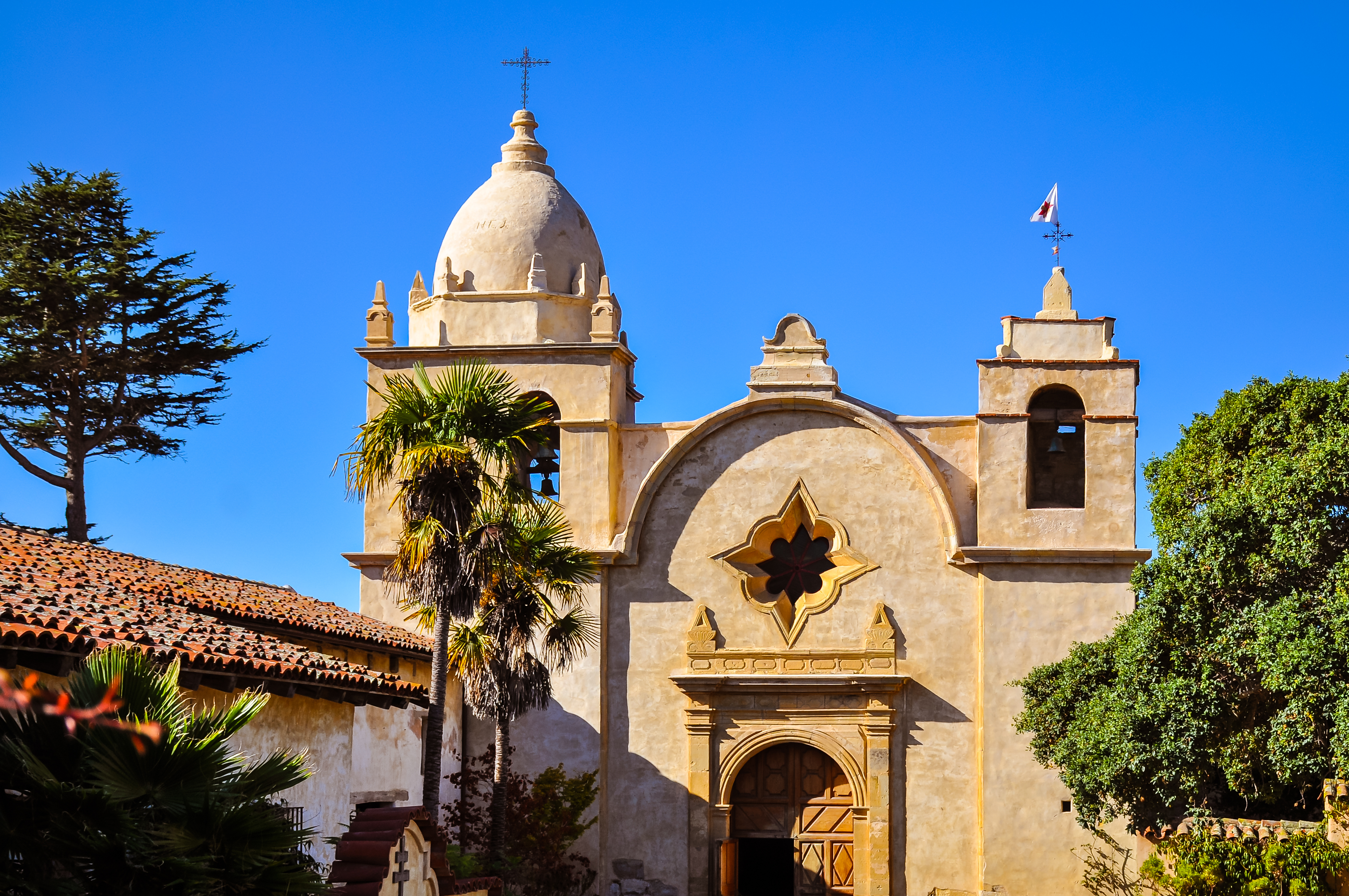
The architecture of the missions is a major draw. These structures, many of which have been meticulously restored, showcase a blend of Spanish colonial and indigenous influences. Visitors can admire the robust adobe walls, the graceful arches, the serene courtyards adorned with fountains, and the ornate altars within the chapels. Many missions feature museums and living history exhibits that provide deeper insights into mission life, the tools and crafts used, and the daily routines of both friars and converts.
Walking through the grounds of a mission, one can almost hear the echoes of the past. The sense of peace and spiritual reflection that permeates many of these sites is palpable. It’s an opportunity to contemplate the complex legacy of this era – the spiritual aspirations, the colonial ambitions, and the profound impact on the indigenous peoples.
A Journey Along the El Camino Real

The missions are connected by the historic El Camino Real, a 600-mile path that once linked the mission chain. Today, sections of this route are preserved, marked by distinctive bell-shaped signs, inviting modern travelers to retrace the steps of the friars and explorers. Driving along the El Camino Real is a journey through California’s history, with each mission offering a distinct historical narrative.
From the sun-drenched hills of San Diego to the rolling vineyards of Napa Valley, the missions are spread across diverse and beautiful landscapes. Visiting them can be a comprehensive tour of California’s coastal and near-coastal regions, offering a blend of history, culture, and scenic beauty.
Notable California Missions and Their Unique Charms
While all 21 missions are historically significant, some have gained particular renown for their preservation, beauty, or unique historical narratives.
-
Mission San Diego de Alcalá: The birthplace of California, this mission is a testament to the very first steps of Spanish settlement in the region. Its tranquil grounds and informative displays offer a compelling introduction to the mission era.
-
Mission San Juan Capistrano: Famous for its swallows that traditionally returned each spring, this mission boasts some of the most picturesque ruins in California. Its architectural splendor and historical significance draw countless visitors.
-
Mission Santa Barbara: Often called the “Queen of the Missions” due to its grandeur and well-preserved state, Mission Santa Barbara offers stunning views and a deep dive into the religious and social aspects of mission life. Its active Catholic church continues to serve the community.
-
Mission San Francisco de Asís (Mission Dolores): Located in the heart of San Francisco, this is the oldest intact building in the city. It provides a unique glimpse into the mission’s role in the development of the bustling metropolis.
-
Mission San Miguel Arcángel: This mission is renowned for its vibrant interior frescoes, painted by Native American artisans. It offers a glimpse into the artistic contributions of the indigenous people within the mission system.
The Enduring Legacy of the California Missions
The California missions are more than just old buildings; they are integral to the identity and heritage of California. They represent a pivotal period of cultural exchange, religious endeavor, and colonial expansion that irrevocably shaped the state. Understanding the missions means grappling with a complex history that includes both spiritual devotion and the profound, often tragic, consequences for the indigenous peoples who were central to their establishment and operation.
Cultural Impact and Preservation Efforts
The architectural style of the missions has had a lasting influence on Californian design, inspiring the Spanish Colonial Revival architectural movement. This style can be seen in many public buildings, private residences, and hotels throughout the state. The stories and histories preserved within the mission walls continue to be studied and debated by historians, archaeologists, and descendants of both the Spanish settlers and the indigenous tribes.
Preservation efforts are ongoing, ensuring that these invaluable historical sites can be appreciated by future generations. Many missions are maintained by religious orders, historical societies, and state park systems, all working to protect their integrity and share their stories.
Reflection and Reconciliation
Visiting the California missions today offers an opportunity for reflection. It is a chance to learn about the ambitious vision of the Franciscan friars, the formidable challenges they faced, and the incredible resilience of the indigenous peoples of California. The missions serve as a powerful reminder of the diverse forces that converged to create the Golden State, urging us to consider the full scope of its history – its triumphs, its struggles, and its enduring spirit. They stand as silent witnesses to a transformative era, inviting us to learn from the past and appreciate the rich tapestry of cultures that define California.
LifeOutOfTheBox is a participant in the Amazon Services LLC Associates Program, an affiliate advertising program designed to provide a means for sites to earn advertising fees by advertising and linking to Amazon.com. Amazon, the Amazon logo, AmazonSupply, and the AmazonSupply logo are trademarks of Amazon.com, Inc. or its affiliates. As an Amazon Associate we earn affiliate commissions from qualifying purchases.