
California, a state synonymous with sun-drenched shores and the invigorating Pacific Ocean, often beckons travelers with its iconic coastline. However, the allure of the Golden State’s beaches can be temporarily overshadowed by public health advisories. Understanding which beaches are closed due to bacterial contamination is crucial for any visitor planning a coastal excursion, ensuring a safe and enjoyable experience. These closures, while inconvenient, are a testament to California’s commitment to protecting its residents and visitors from waterborne illnesses.
Understanding Bacterial Contamination in Coastal Waters
The presence of elevated levels of bacteria in ocean water, particularly in areas frequented by swimmers and surfers, can pose significant health risks. These bacteria, often originating from sewage overflows, agricultural runoff, or wildlife, can cause a range of illnesses. The most common culprits are Escherichia coli (E. coli) and Enterococci.

Sources of Bacterial Contamination
- Sewage Overflows: Heavy rainfall can overwhelm municipal sewer systems, leading to overflows that discharge untreated or partially treated sewage into coastal waters. These events are more frequent during the La Niña weather patterns that sometimes affect California’s coast.
- Urban Runoff: Storm drains collect pollutants from streets, parking lots, and other urban surfaces, including pet waste, chemicals, and debris, which are then often directed to the ocean.
- Agricultural Runoff: In coastal agricultural regions, runoff from farms can carry animal waste and fertilizers into rivers and streams, eventually reaching the ocean.
- Wildlife: Large populations of marine mammals and seabirds can also contribute to bacterial levels in the water through their waste.
- Oceanographic Conditions: Certain oceanographic conditions, such as stagnant water, warm temperatures, and reduced wave action, can allow bacteria to proliferate.
Health Risks Associated with Contaminated Water
Exposure to water contaminated with harmful bacteria can lead to various health issues, primarily through ingestion of water, skin contact, or inhalation of aerosols. Symptoms can range from mild to severe and typically manifest within a few hours to a few days after exposure.
- Gastrointestinal Illnesses: Nausea, vomiting, diarrhea, and abdominal cramps are common.
- Skin Infections: Rashes, ear infections, and eye irritation can occur from direct contact with contaminated water.
- Respiratory Issues: Inhaling contaminated aerosols can lead to respiratory problems.
- More Serious Infections: In rare cases, exposure to certain strains of bacteria can lead to more severe infections.
California’s Monitoring and Advisory System
California’s State Water Resources Control Board, along with various county and city health departments, plays a vital role in monitoring coastal water quality. The Beach Environmental Assessment and Coastal Health (BEACH) Program is a key initiative aimed at protecting public health by assessing and reporting on the safety of ocean waters for recreational use.
How Monitoring Works
- Regular Sampling: Water samples are collected at designated beaches across the state on a routine basis, often weekly or bi-weekly, especially during the peak swimming season.
- Laboratory Analysis: These samples are analyzed in laboratories for the presence and concentration of indicator bacteria like E. coli and Enterococci.
- Advisory and Closure Criteria: Based on established health standards, if bacterial levels exceed safe thresholds, public health officials issue advisories or implement beach closures. These thresholds are designed to minimize the risk of illness to swimmers.
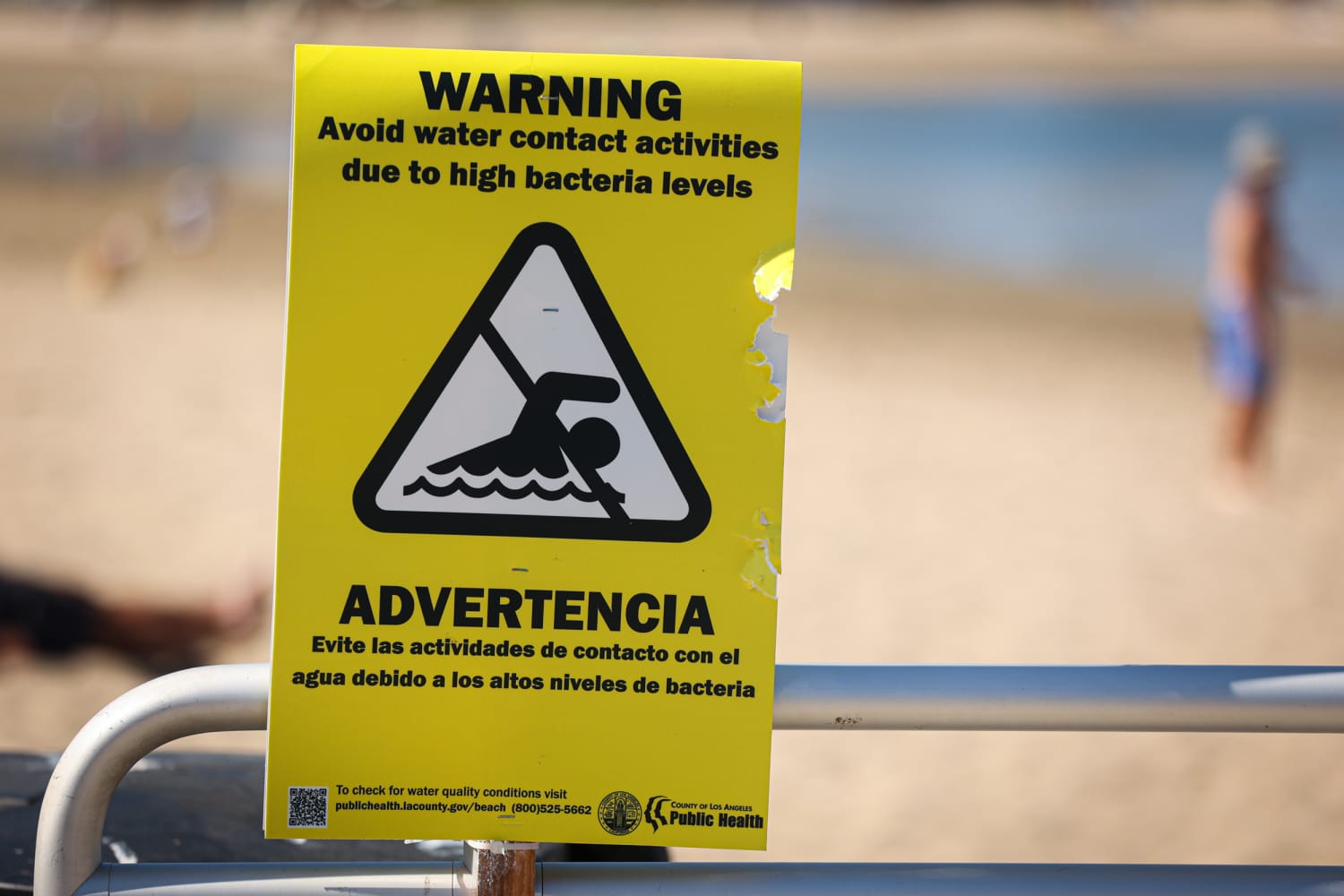
- Public Notification: Information about beach closures and advisories is disseminated through various channels, including signage posted at the affected beaches, local news outlets, county health department websites, and state environmental agency portals. Organizations like Heal the Bay also provide valuable real-time updates on water quality in the Los Angeles region.
Interpreting Beach Advisories and Closures
It’s important for beachgoers to understand the distinction between advisories and closures.
- Advisories: These are typically issued when water quality has declined but may not warrant a full closure. Advisories often recommend that people avoid swimming or wading in the affected areas, especially those with compromised immune systems, young children, and the elderly. They might also suggest avoiding activities that involve direct water contact, like surfing.
- Closures: A beach closure is a more stringent measure, indicating that water quality poses a significant health risk. Access to the beach may be restricted, and all recreational water activities are prohibited until water quality returns to safe levels.
Currently Affected Beaches and Regions
Pinpointing specific, perpetually closed beaches is challenging as the status of closures and advisories can change rapidly due to environmental factors and the effectiveness of remediation efforts. However, certain regions and types of locations are more prone to temporary closures.
Southern California Hotspots for Advisories
The dense population and extensive urban development in Southern California contribute to a higher likelihood of advisories.
- Los Angeles County: Beaches in areas like Santa Monica, Malibu, and the Long Beach area are periodically monitored. Storm events can frequently lead to advisories, particularly near storm drains and river mouths such as the Los Angeles River. Public health departments for Los Angeles County are the primary source of up-to-date information for this region.
- Orange County: Similar to Los Angeles County, Orange County beaches can experience temporary closures or advisories following heavy rainfall. Areas around Newport Beach and Huntington Beach are often monitored closely. The Orange County Health Care Agency provides public notifications for this area.
- San Diego County: While generally known for excellent water quality, San Diego County beaches, particularly those near the San Diego River or in bays like Mission Bay, can sometimes receive advisories after significant rainfall events. The County of San Diego Department of Environmental Health manages these notifications.
Central and Northern California Considerations
While less densely populated, Central and Northern California also experience periodic advisories.
- Monterey Bay Area: Beaches around Monterey and Santa Cruz can be affected by runoff from local rivers and streams. The presence of marine wildlife in the bay can also influence water quality.
- San Francisco Bay Area: Beaches within San Francisco and surrounding counties can receive advisories, especially after heavy rains impact urban runoff into the bay or ocean. The San Francisco Department of Public Health monitors these conditions.
Planning Your Beach Visit Safely
To ensure a safe and enjoyable experience at California’s coastal attractions, proactive planning and awareness are key.
Resources for Real-Time Information
Before embarking on your journey to any of California’s beautiful beaches, it is highly recommended to consult the following resources for the most current information on beach conditions:
- California State Water Resources Control Board – BEACH Program: This is the central hub for statewide water quality information and advisories. Their website provides a comprehensive overview of beach monitoring efforts and alerts.
- Local County Health Department Websites: Each county health department responsible for coastal areas maintains its own website with specific information for beaches within its jurisdiction. For instance, if you are planning to visit a beach in San Diego, check the County of San Diego Department of Environmental Health. Similarly, for Los Angeles, the Los Angeles County Department of Public Health is your go-to.
- Heal the Bay (Los Angeles Region): This non-profit organization offers a popular “Beach Report Card” that provides detailed water quality ratings and real-time advisories for beaches along the Los Angeles coastline, often updated weekly.
- NOAA (National Oceanic and Atmospheric Administration): While not always providing direct bacterial closure information, NOAA’s coastal weather and oceanographic data can offer context for potential water quality issues.

Tips for a Healthy Beach Day
Beyond checking for closures, adopting a few simple practices can further enhance your safety.
- Avoid Swimming After Heavy Rain: This is the most critical tip. For at least 72 hours after significant rainfall, it is advisable to stay out of the water at most beaches, particularly those near river mouths or storm drains.
- Observe Signage: Always pay attention to posted signs at the beach. These are typically the most immediate and visible indicators of closures or advisories.
- Heed Public Health Warnings: Treat all advisories and closure notices seriously. The potential health risks are not worth the risk of a brief dip in the ocean.
- Rinse Off After Swimming: Even on days with good water quality, it’s a good practice to rinse off with fresh water after swimming to remove any salt, sand, and potential microscopic contaminants.
- Be Cautious with Children and Pets: Young children and pets are often more susceptible to the effects of contaminated water. Exercise extra vigilance when they are near or in the water.
- Consider Non-Water Activities: If advisories are in place, California’s coast still offers many other enjoyable activities, such as walking along the shore, sunbathing, picnicking, or exploring nearby coastal trails and natural areas. Many state parks, like Point Reyes National Seashore or Big Sur State Parks, offer stunning vistas and hiking opportunities away from the immediate water’s edge.
By staying informed and following these guidelines, travelers can confidently plan their visits to California’s renowned beaches, ensuring a healthy and memorable experience amidst the state’s breathtaking coastal splendor.
LifeOutOfTheBox is a participant in the Amazon Services LLC Associates Program, an affiliate advertising program designed to provide a means for sites to earn advertising fees by advertising and linking to Amazon.com. Amazon, the Amazon logo, AmazonSupply, and the AmazonSupply logo are trademarks of Amazon.com, Inc. or its affiliates. As an Amazon Associate we earn affiliate commissions from qualifying purchases.