
Securing a California identification card is a fundamental step for many individuals, whether they are new residents, visitors establishing a temporary home, or simply those who need a reliable form of identification. This document serves a crucial role in daily life, facilitating everything from opening bank accounts and accessing state services to proving age for purchases and even navigating certain travel requirements. While the process might seem straightforward, understanding the precise documentation and requirements is key to a smooth and efficient application. This guide aims to demystify the process, outlining the essential items and considerations for obtaining your California ID.
Understanding the Purpose of a California ID
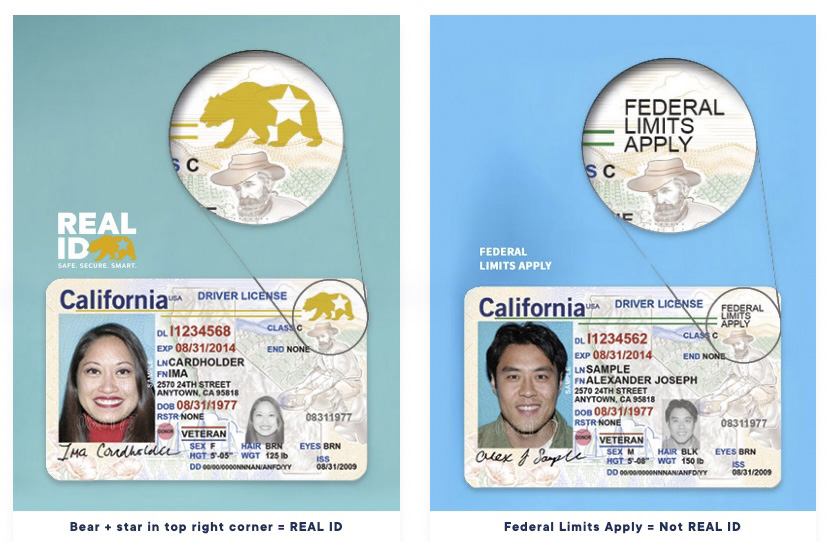
A California Identification (ID) card, often referred to as a REAL ID compliant card, is issued by the California Department of Motor Vehicles (DMV). It serves as a primary identification document that is legally recognized throughout the state and, in the case of a REAL ID, can eventually be used for boarding domestic flights and entering federal facilities. For individuals who do not drive, or choose not to obtain a driver’s license, a California ID card offers a convenient and official way to prove their identity and age. It is particularly valuable for non-drivers, including teenagers, seniors, and those who rely on public transportation, providing them with access to essential services and everyday transactions. The card features a photograph, physical description, and unique identifying number, ensuring its authenticity and preventing fraudulent use. The DMV offers different types of ID cards, including a standard ID and the more secure REAL ID, which meets federal standards set by the Department of Homeland Security. Understanding which type best suits your needs is an important first step.
Types of California IDs
- Standard California ID: This is a general identification card that serves as proof of identity and age. It is not compliant with federal standards for air travel or access to certain federal buildings.
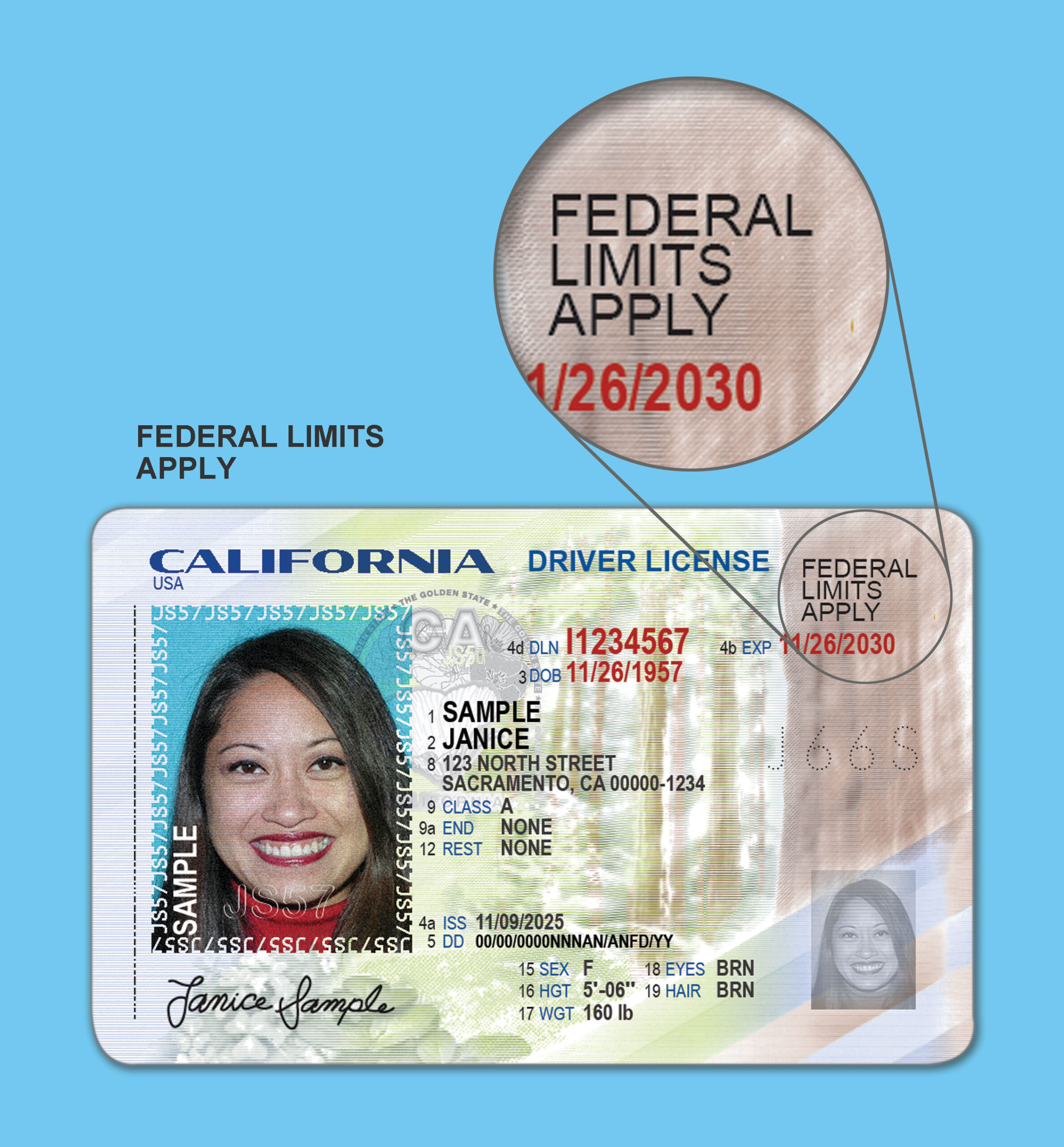
- REAL ID Compliant California ID: This ID meets the federal REAL ID Act requirements. Starting May 7, 2025, you will need a REAL ID to board domestic flights and enter certain federal facilities, unless you possess another acceptable form of identification. The application process and required documents for a REAL ID are generally more stringent.
The distinction between these two types is significant, especially as federal mandates evolve. For most travelers and individuals seeking a universally accepted form of identification, pursuing a REAL ID is often the more advantageous and forward-thinking choice.
Required Documents for a California ID
The core of obtaining a California ID lies in presenting the correct documentation to verify your identity, legal presence in the United States, and residency within the state of California. The California DMV has specific guidelines for acceptable documents, and it is crucial to gather these in advance to avoid delays. The process generally requires presenting at least one document from each of the following categories: Identity/Date of Birth, Legal Presence, and California Residency.
Proof of Identity and Date of Birth
This category of documents confirms who you are and when you were born. You will need to present an original or certified copy of one of the following:
- Certified Birth Certificate: Issued by a U.S. state, territory, or the District of Columbia. Ensure it is the official version with a raised seal.
- U.S. Passport: A valid, unexpired U.S. passport book or card.
- Foreign Passport with Valid I-94 Form and/or Visa: For non-U.S. citizens, a foreign passport along with proof of lawful entry is required.
- Consular Report of Birth Abroad: Issued by the U.S. Department of State.
- Certificate of Citizenship: Issued by the U.S. Citizenship and Immigration Services (USCIS).
- Certificate of Naturalization: Issued by USCIS.
- Permanent Resident Card (Green Card): A valid, unexpired Permanent Resident Card.
- Employment Authorization Document (EAD) Card: A valid EAD card issued by USCIS.
It is imperative that the name on your identity document matches the name on your other submitted documents. Any discrepancies may require additional proof of name change, such as a marriage certificate or court order.
Proof of Legal Presence in the United States
This demonstrates that you are legally permitted to be in the United States. For U.S. citizens, this is typically established through the birth certificate or U.S. passport. For non-U.S. citizens, acceptable documents include:
- Valid U.S. Visa: Accompanied by a valid foreign passport.
- I-94 Arrival/Departure Record: This can be obtained electronically from the U.S. Customs and Border Protection website.
- Valid Employment Authorization Document (EAD) Card: As mentioned above, this also serves as proof of legal presence.
- Permanent Resident Card (Green Card): Also listed under identity, this is a key document for legal presence.
- Other USCIS Documents: Various other documents issued by USCIS that indicate lawful status.
The DMV website provides an exhaustive list, and it is advisable to check it for the most up-to-date information on acceptable immigration documents.
Proof of California Residency
This category confirms that you reside in the state of California. You will need to provide two separate documents, dated and issued within the past 60 days, from the following list. Note that some documents may be accepted if they are older than 60 days under specific circumstances, but the general rule is to be current.
- Utility Bills: Gas, electric, water, or landline telephone bills. Mobile phone bills are generally not accepted.
- Rental or Lease Agreements: A signed rental or lease agreement for a residence in California.
- Mortgage Statements: Recent mortgage statements for a property in California.
- Bank Statements: Statements from a California-based bank or credit union.
- Pay Stubs: Recent pay stubs showing your California address.
- Insurance Documents: Homeowner’s, renter’s, or automobile insurance documents.
- School Documents: Report cards, transcripts, or enrollment verification from a California school.
- Medical Documents: Recent medical bills or correspondence from a California healthcare provider.
- Court Orders or Official Government Mail: Documents from government agencies addressed to you at your California residence.
- Vehicle Registration or Title: Current California vehicle registration or title.
Important Considerations for Residency Documents:
- Name Match: Your name must appear on the residency document. If it doesn’t, you might need to provide additional documentation.
- Address Accuracy: Ensure the address listed is your current, physical residential address, not a P.O. Box.
- Joint Ownership: If a document is in a spouse’s or partner’s name, and you share the same address, you may need to provide a marriage certificate or other proof of relationship.
The DMV has specific requirements for each document type, so meticulously reviewing these guidelines is essential.
The Application Process at the California DMV
Once you have gathered all your required documents, the next step is to visit a California DMV field office. It is highly recommended to schedule an appointment online to minimize wait times. The application process involves several key stages:
Step 1: Complete the Application Form
You can begin the application process online or at the DMV office. Completing the application in advance online can save time. You will be asked to provide personal information, including your name, date of birth, address, and other identifying details.
Step 2: Visit a DMV Office
Arrive at your scheduled appointment with all your original or certified documents. You will need to present these documents to a DMV representative for verification.
Step 3: Verification and Photo Capture
The DMV representative will review your documents to ensure they meet all requirements. If everything is in order, you will have your photograph taken for the ID card. You will also be asked to provide your thumbprint.
Step 4: Pay the Fee
There is a fee associated with obtaining a California ID card. The exact amount can vary, so it’s best to check the current fee schedule on the California DMV website. Payment can typically be made by cash, check, money order, or credit/debit card.
Step 5: Receive Your Temporary ID and Mail-In ID
After completing the process and paying the fee, you will typically receive a temporary paper ID card on the spot. This temporary ID is valid for a specified period, usually 60-90 days. Your permanent California ID card will be mailed to your verified address within a few weeks.
Special Considerations and Tips for a Smooth Application
Navigating the process of obtaining a California ID can be simplified by being prepared and aware of potential nuances. Here are some additional considerations and helpful tips:
For Minors
Minors applying for a California ID may have additional requirements, such as the need for a parent or legal guardian to be present and provide consent. The parent or guardian will also need to provide their own identification. Specific age-related rules apply, so it’s crucial to consult the DMV guidelines for minors.
Name Changes
If your current name differs from the name on your birth certificate or other primary identity documents due to marriage, divorce, or legal name change, you will need to provide certified copies of the legal documents that support the name change. This could include a marriage certificate, divorce decree, or a court order for a name change.
REAL ID Application Specifics
If you are applying for a REAL ID compliant card, the verification process is more rigorous. Ensure you have all the necessary documents as outlined by the Department of Homeland Security and the California DMV. The key difference is the emphasis on proof of legal presence and identity, often requiring more than one document from each category.
Scheduling Appointments
As mentioned, scheduling an appointment is highly recommended. You can do this online through the California DMV website. Walk-ins are accepted but can involve significantly longer wait times.
Document Authenticity
Ensure all presented documents are original or certified copies. Photocopies are generally not accepted. The DMV is strict about document authenticity to prevent fraud.
Checking the Official DMV Website
The California Department of Motor Vehicles website is the most authoritative source for information regarding identification card requirements. It is updated regularly with any changes in procedures or acceptable documents. Before your visit, always double-check the website to ensure you have the most current information. This proactive approach will help avoid last-minute complications and ensure your application process is as smooth as possible.
LifeOutOfTheBox is a participant in the Amazon Services LLC Associates Program, an affiliate advertising program designed to provide a means for sites to earn advertising fees by advertising and linking to Amazon.com. Amazon, the Amazon logo, AmazonSupply, and the AmazonSupply logo are trademarks of Amazon.com, Inc. or its affiliates. As an Amazon Associate we earn affiliate commissions from qualifying purchases.