
The very name “California” conjures images of sun-drenched beaches, majestic mountain ranges, and a vibrant cultural tapestry. It’s a state that has long captivated the imagination, drawing millions to its shores for its unparalleled beauty and diverse attractions. But where does this evocative name originate? Unraveling the etymology of “California” takes us on a fascinating journey through history, literature, and the early explorations of the North American continent. While its precise origin has been debated for centuries, the most widely accepted theory points to a fictional paradise, a testament to the enduring power of storytelling in shaping our understanding of place.
The Mythical Origins: A Queen’s Island Paradise
The most prominent theory regarding the origin of the name “California” links it to a popular work of chivalric romance from the 16th century: Las Sergas de Esplandián (The Adventures of Esplandián). This Spanish novel, penned by Garci Rodríguez de Montalvo, was a sequel to the widely read Amadís de Gaula. In this fantastical narrative, Montalvo describes an island paradise named “California,” located “on the right hand of the Indies… very close to the side of the Terrestrial Paradise.”
The Island of Calafia
This mythical island was ruled by a powerful and beautiful black queen named Calafia. Her kingdom was a land of extraordinary abundance, populated by Amazons and filled with gold and precious stones. The inhabitants were skilled warriors, and their island was strategically important, providing a source of gold for the Spanish crown in the novel’s narrative. Montalvo’s description paints a vivid picture of a land of immense wealth and untamed natural beauty, a stark contrast to the often harsh realities faced by explorers of the time.
The allure of such a place would have been potent for European adventurers and chroniclers. The promise of riches, fertile lands, and a shortcut to the riches of the East was a powerful motivator. It is believed that early Spanish explorers, who were deeply immersed in the literature and folklore of their time, brought this tale with them across the Atlantic.
The Spanish Exploration and Naming
When Spanish explorers, most notably Juan Rodríguez Cabrillo, first charted the coast of what is now California in the mid-16th century, they were driven by a quest for new territories and trade routes. It is within this context that the name “California” likely found its way onto maps and into common usage.
Cabrillo’s Expedition and Early Mentions
While Cabrillo himself did not explicitly name the territory “California,” his expedition in 1542 marked the first European charting of the California coastline. It is through the accounts and writings of those associated with these early voyages that the name appears.
The most commonly cited connection is to Álvar Núñez Cabeza de Vaca. While his primary explorations were in what is now Texas and the Southwestern United States, his written accounts of his experiences and knowledge of Spanish literature were widely circulated. It is theorized that Cabeza de Vaca, or others familiar with his writings and the popular novel Las Sergas de Esplandián, suggested the name “California” for the newly discovered lands. The perceived richness and exoticism of the region, with its vast coastline and potential for untold wealth, may have seemed to echo the mythical island of Queen Calafia.
Another significant figure in the early naming debate is Hernán Cortés. His expeditions into what would become Mexico and the surrounding regions were characterized by a fervent pursuit of riches and new territories. It is believed that Cortés himself, or his lieutenants, may have been influenced by the legend of California, seeing the potential for such a paradise to exist beyond the lands they had already claimed.
The Evolution of the Name
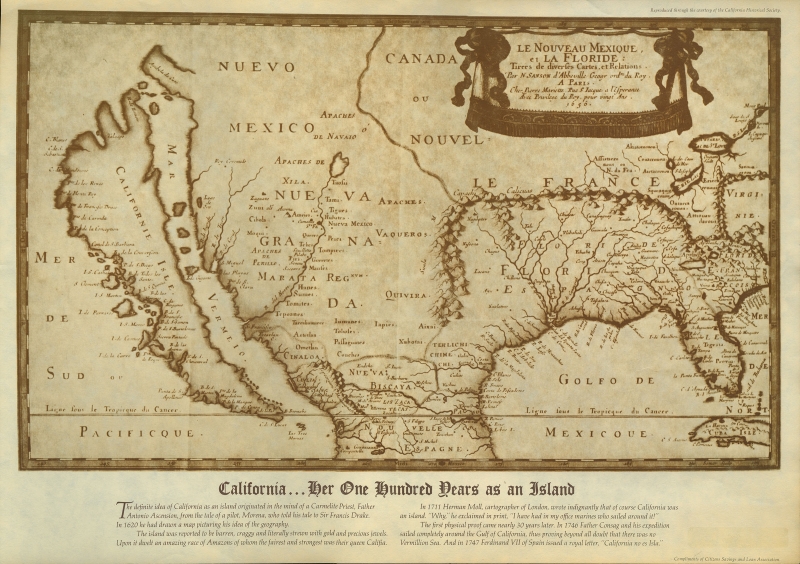
The earliest written references to “California” as a geographical location appear in Spanish documents from the 16th century, referring to the peninsula that is now part of Mexico. It was initially believed that this landmass was an island, a notion that persisted for centuries. As exploration progressed northward along the Pacific coast, the name was gradually extended to encompass the larger, mainland territory that would eventually become the U.S. state of California.
The transition from a mythical island to a vast geographical region highlights the evolving understanding of the continent by European explorers. The name, imbued with connotations of wealth and wonder, became intrinsically linked to the land itself, shaping perceptions and aspirations for centuries to come.

Alternative Theories and Linguistic Roots
While the literary origin from Las Sergas de Esplandián is the most widely accepted, other theories have been proposed, exploring different linguistic and historical connections. These alternative hypotheses, though less prevalent, add further layers to the intriguing story of California‘s name.
The “Caliente Horno” Theory
One less common theory suggests a connection to the Latin phrase “caliente horno”, meaning “hot oven.” This interpretation would allude to the hot, arid climate experienced in parts of the region. However, this theory lacks strong historical or linguistic evidence to support its widespread adoption. The prevalence of Spanish as the language of exploration in the region makes a direct Latin root less probable than a Spanish literary influence.
Indigenous Language Connections
Another line of inquiry has explored potential links to indigenous languages. Some researchers have suggested that the name might have derived from local Native American dialects. For instance, the name could be a corruption of an indigenous word referring to the region or its characteristics. However, definitive proof for such a derivation remains elusive, and the evidence for the literary origin is considered more substantial by most historians. The complexity of transcribing and understanding indigenous languages by early European explorers, coupled with the possibility of linguistic drift, makes these connections difficult to definitively establish.
The Role of Early Cartography
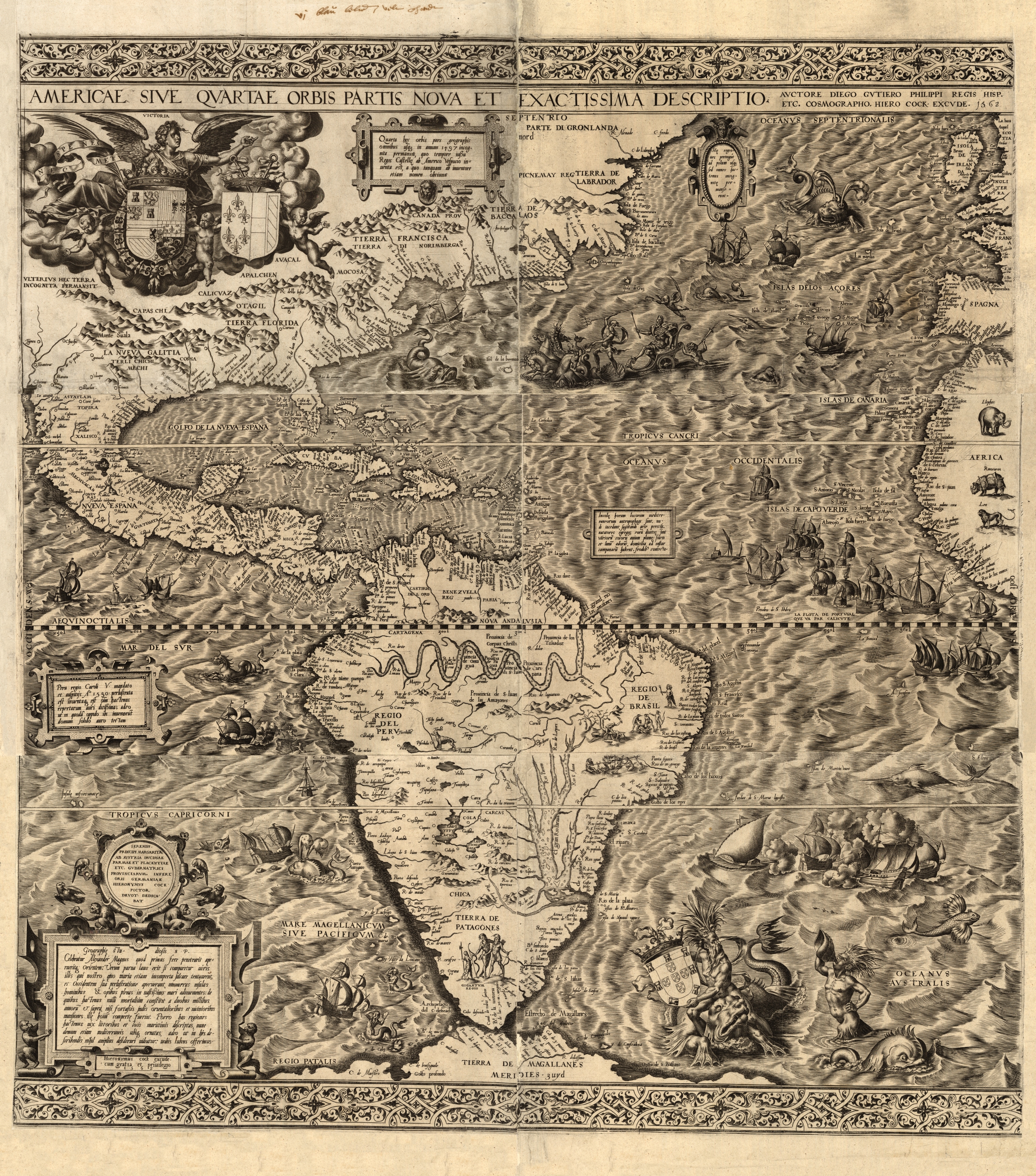
Early maps played a crucial role in solidifying the name “California.” As explorers documented their findings, cartographers attempted to represent these new lands. The persistent use of “California” on these maps, often reflecting the prevailing literary influences of the time, helped to cement the name in the collective consciousness and in official records. The visual representation of the land, coupled with the evocative name, further fueled the mystique surrounding this remote and promising territory.
The Enduring Legacy of the Name
The name “California” has transcended its literary origins and early colonial history to become synonymous with a distinct cultural identity and a global icon. Its meaning has evolved, now encompassing not just a geographical location but also a lifestyle, an industry, and a dream.
From Mythical Land to Golden State
The transition from a mythical island paradise to the actual landmass of California is a profound historical narrative. The “Golden State,” as California is now known, earned this moniker through the discovery of gold in 1848 at Sutter’s Mill. This momentous event not only brought immense wealth to the region but also cemented its image as a land of opportunity and prosperity, echoing, albeit in a very real way, the abundance described in the legend of Calafia.
The Gold Rush transformed California from a sparsely populated territory into a magnet for fortune-seekers from around the world. This influx of people brought with it a diverse range of cultures, languages, and ambitions, shaping the state’s unique character. The “California Dream,” a concept born from this era, often involves the pursuit of success, freedom, and a life of abundance, a sentiment that resonates with the historical allure of the name.
Modern Interpretations and Global Influence
Today, “California” evokes a multitude of associations. It is the heart of the global entertainment industry in Hollywood, the hub of technological innovation in Silicon Valley, and a leader in agriculture and winemaking. The name signifies innovation, creativity, a laid-back yet ambitious lifestyle, and stunning natural landscapes that draw millions of tourists annually.
The meaning of “California” has thus evolved from a specific, albeit legendary, place to a broader cultural concept. It represents a land of possibilities, a place where dreams are pursued and often realized, a testament to the enduring power of a name that once belonged to a mythical queen on a faraway island. The journey of the word from a fictional narrative to a global brand underscores the potent connection between storytelling, exploration, and the indelible mark names leave on our world.
LifeOutOfTheBox is a participant in the Amazon Services LLC Associates Program, an affiliate advertising program designed to provide a means for sites to earn advertising fees by advertising and linking to Amazon.com. Amazon, the Amazon logo, AmazonSupply, and the AmazonSupply logo are trademarks of Amazon.com, Inc. or its affiliates. As an Amazon Associate we earn affiliate commissions from qualifying purchases.