
California, a state celebrated for its progressive policies and diverse landscapes, often finds itself at the forefront of evolving societal norms. When it comes to the legality of various substances, the Golden State has undergone significant transformations in recent years, particularly concerning cannabis and certain psychedelics. Understanding these legal shifts is crucial for travelers and residents alike, as it impacts personal choices, potential activities, and the overall experience of being in California. This exploration delves into the current legal status of several substances, focusing on their implications within the broader context of lifestyle and personal freedom in the state.
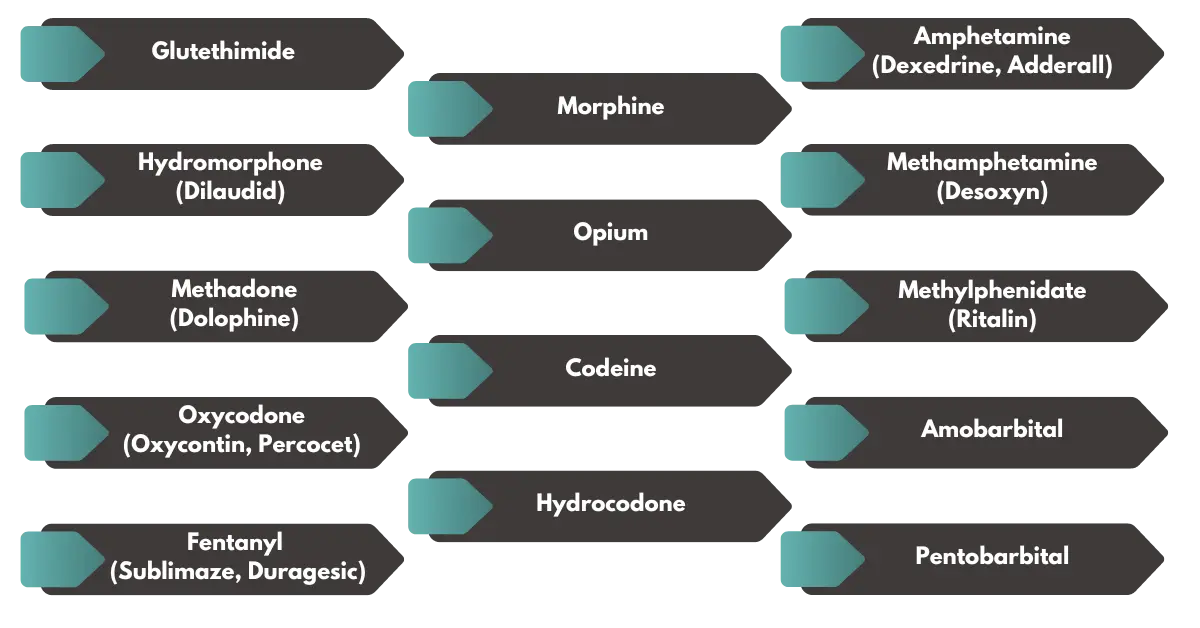
Cannabis: A Shifting Landscape
The legalization of recreational cannabis in California marked a watershed moment, fundamentally altering the state’s approach to the plant. This historic decision has not only created a burgeoning legal industry but also reshaped perceptions and practices surrounding cannabis use.
Recreational Marijuana
In November 2016, California voters approved Proposition 64, legalizing the recreational use of marijuana for adults 21 years and older. This proposition allows individuals to possess up to one ounce of cannabis flower and up to eight grams of cannabis concentrate. Adults can also cultivate up to six cannabis plants per household for personal use, though local ordinances may impose stricter limits or outright bans on outdoor cultivation.
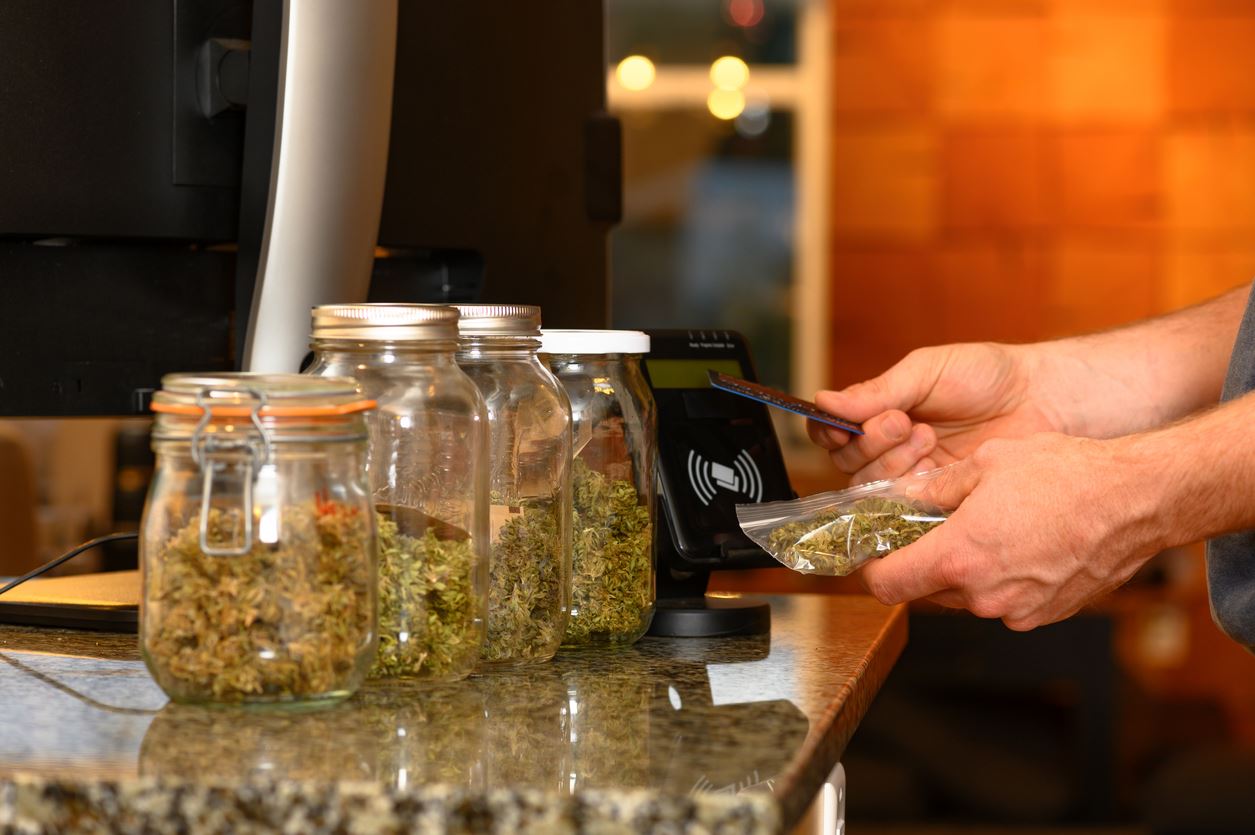
The retail sale of recreational cannabis is regulated by the Bureau of Cannabis Control, which licenses dispensaries across the state. Travelers visiting California can legally purchase cannabis products from licensed retailers in cities where it is permitted. However, it is imperative to be aware of specific local regulations, as some municipalities have chosen not to allow commercial cannabis sales.
Key Restrictions for Travelers:
- Public Consumption: Consuming cannabis in public places is illegal in California, similar to alcohol. This includes parks, sidewalks, and most indoor public venues. Designated consumption areas may exist in some licensed establishments.
- Driving Under the Influence: Driving while under the influence of cannabis remains illegal and carries severe penalties. Law enforcement employs various methods to detect impairment.
- Interstate Travel: Transporting cannabis across state lines is illegal under federal law, even if traveling between two states where cannabis is legal. This means that bringing any cannabis products purchased in California to other states is prohibited.
- Federal Property: Smoking or possessing cannabis on federal property, such as national parks (even those within California), is illegal.
The legal cannabis market in California offers a wide array of products, from traditional flower and edibles to tinctures and topicals. The industry is still maturing, with ongoing discussions and adjustments to regulations regarding advertising, packaging, and potency. For those interested in exploring this aspect of California’s lifestyle, visiting a licensed dispensary provides an opportunity to learn about the different products and responsible consumption practices within a legal framework.
Medical Marijuana
Prior to the legalization of recreational cannabis, California had a robust medical marijuana program established by the Compassionate Use Act of 1996. This program allows patients with qualifying medical conditions to use cannabis for therapeutic purposes. While recreational legalization has broadened access, the medical program still provides certain benefits, such as potentially lower taxes and a wider range of dispensaries that may serve medical patients exclusively.
Qualifying conditions for a medical marijuana recommendation typically include chronic pain, nausea, seizures, and other debilitating ailments. Patients can obtain a doctor’s recommendation and, in some cases, a state-issued medical marijuana identification card. This card offers certain legal protections and can facilitate access to cannabis dispensaries throughout the state.
Psychedelics: Emerging Frontiers
Beyond cannabis, California is also becoming a focal point for discussions and policy changes surrounding psychedelic substances. While the landscape is still developing, there have been significant movements towards decriminalization and, in limited contexts, legalization for therapeutic purposes.
Psilocybin (Magic Mushrooms)
In January 2023, Governor Gavin Newsom signed SB 58 into law, which decriminalizes the possession and personal use of certain natural psychedelic substances, including psilocybin, psilocin, dimethyltryptamine (DMT), and ibogaine, for individuals 21 years and older. This legislation shifts the focus from criminal prosecution for personal use and possession to a public health approach.
This decriminalization means that individuals are no longer subject to arrest and criminal charges for possessing small amounts of these substances for personal use. However, it is crucial to understand that this does not equate to full legalization for sale or widespread recreational use in commercial settings. The cultivation and distribution of psilocybin remain largely illegal, though the law provides a pathway for personal cultivation for non-commercial purposes.
The decriminalization of psilocybin aligns with a growing body of research exploring its potential therapeutic benefits for conditions such as depression, anxiety, and PTSD when administered in a controlled, therapeutic setting. While commercial therapeutic access is still being developed, this legal shift opens doors for individuals to explore these substances more freely within their private lives, contributing to a broader conversation about mental well-being and alternative therapeutic approaches.
Other Psychedelics
The decriminalization under SB 58 also extends to other naturally occurring psychedelics like DMT and ibogaine. These substances have been recognized for their profound effects and potential therapeutic applications, although research and public understanding are still evolving. The legislation aims to reduce the harms associated with the criminalization of these substances and foster a more open dialogue about their potential role in health and wellness.
It is important for anyone considering the use of these substances to approach them with caution and prioritize safety. The legal framework, while more permissive regarding personal possession, does not endorse unsupervised or recreational use. Research into regulated therapeutic models for these psychedelics is ongoing, and future developments may lead to more structured access within the healthcare system.
Other Substances and General Considerations
While cannabis and certain psychedelics have seen significant legal changes, the legality of other substances in California remains largely consistent with federal law and traditional state regulations.
Alcohol and Tobacco
Alcohol and tobacco products are legal for adults 21 years and older in California, with regulations on sales, possession, and public consumption similar to those for cannabis. Designated establishments and private residences are generally permissible locations for consumption, while public intoxication and driving under the influence are strictly prohibited.
Prescription Medications
Prescription drugs, by their nature, are legal only when obtained and used under the supervision of a licensed healthcare professional. Possession of prescription medications without a valid prescription is illegal and can result in significant penalties. This applies to all controlled substances prescribed by doctors, regardless of their therapeutic intent.
Illicit Substances
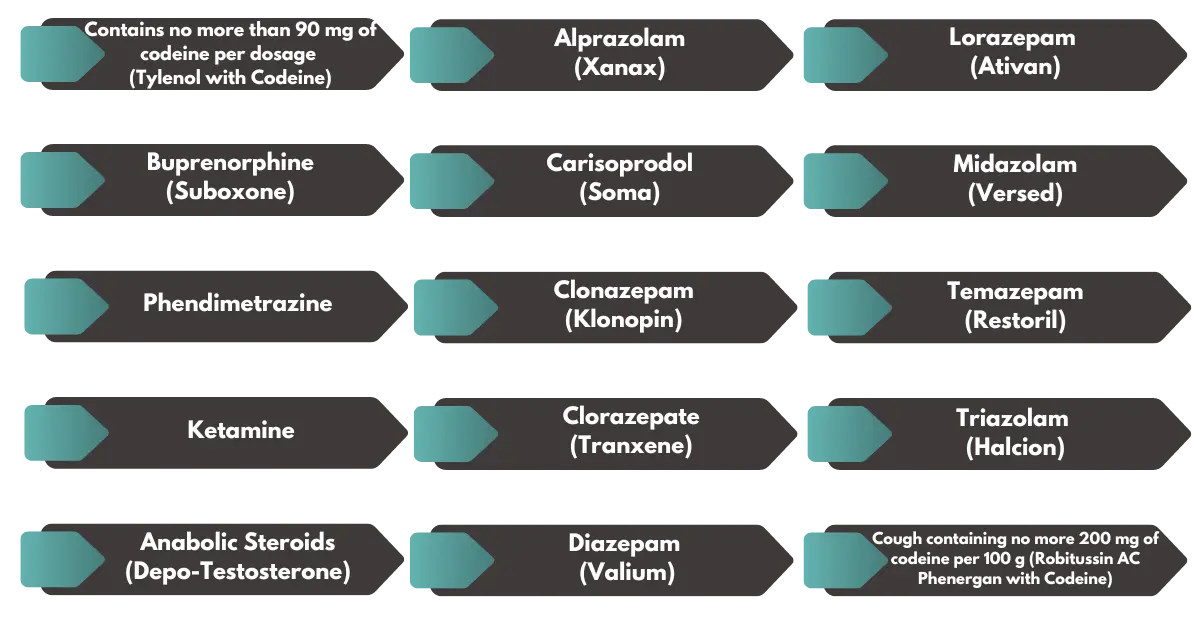
The possession, sale, and manufacture of substances classified as illicit under federal and state law, such as heroin, cocaine, and methamphetamine, remain strictly illegal in California. Enforcement of laws against these substances is rigorous, and the penalties for involvement are severe.
Navigating California’s Legal Framework
For visitors and residents alike, understanding the nuances of California’s drug laws is essential for a safe and lawful experience. The state’s progressive stance on cannabis and psychedelics reflects a broader societal shift towards personal freedom and evolving therapeutic paradigms.
Responsible Exploration
California offers unique opportunities for those interested in exploring the legal cannabis market or engaging with the burgeoning discussions around psychedelic wellness. Responsible exploration involves:
- Adhering to all laws and regulations: This includes understanding age restrictions, possession limits, and consumption rules.
- Prioritizing safety: Especially concerning substances that can have profound psychological effects.
- Seeking accurate information: Relying on official sources and reputable organizations for understanding legal frameworks and health guidance.
- Respecting local ordinances: Recognizing that regulations can vary significantly from city to city within California.
The evolving legal landscape in California is a testament to its dynamic social and political environment. By staying informed and acting responsibly, individuals can navigate these changes and embrace the unique lifestyle opportunities the state offers. Whether one is interested in exploring the legal cannabis industry, understanding the therapeutic potential of psychedelics, or simply enjoying the state’s diverse attractions, a clear grasp of these legal frameworks is paramount.
LifeOutOfTheBox is a participant in the Amazon Services LLC Associates Program, an affiliate advertising program designed to provide a means for sites to earn advertising fees by advertising and linking to Amazon.com. Amazon, the Amazon logo, AmazonSupply, and the AmazonSupply logo are trademarks of Amazon.com, Inc. or its affiliates. As an Amazon Associate we earn affiliate commissions from qualifying purchases.