
In the sprawling landscapes and dynamic roadways of California, understanding the intricacies of driver’s licenses is paramount for anyone looking to operate a vehicle. Beyond the standard passenger car license, California offers various endorsements and classifications to accommodate a wide range of vehicles and their specific operational requirements. Among these, the Class C driver’s license stands as a crucial category, particularly for those involved in commercial activities or towing larger vehicles that don’t fall into the heavy-duty truck classifications.
The Class C license in California is a fundamental licensing tier that governs the operation of many common vehicles. It’s designed to cover a broad spectrum of driving needs, from personal use of larger passenger vehicles to certain types of commercial operations that don’t require the specialized endorsements of a Commercial Driver’s License (CDL). For residents and visitors alike who might be considering driving RVs, towing trailers, or operating smaller commercial vans, a clear understanding of the Class C license is essential. This knowledge ensures compliance with California’s Department of Motor Vehicles (DMV) regulations and promotes safe driving practices across the state’s diverse terrains, from the bustling streets of Los Angeles to the scenic coastal highways.
Understanding the Class C Driver’s License in California
The California Class C driver’s license is the standard license for operating most single-vehicle vehicles that are not classified as commercial vehicles under federal law, and do not require a Class A or Class B CDL. This means it covers the majority of cars, motorcycles, and smaller trucks used for personal transportation. However, its utility extends beyond simple personal vehicles, encompassing situations where a driver might need to operate vehicles with specific weight limits or towing capabilities.
The key distinction of a Class C license often lies in what it doesn’t require, namely, the stringent testing and endorsements associated with a Commercial Driver’s License. While a CDL is necessary for operating large trucks (like tractor-trailers), buses, or vehicles transporting hazardous materials, a Class C license serves as the gateway for a wide array of other driving scenarios that are common in both personal and some professional contexts within California. This includes operating vehicles that might be larger than a typical car but still fall below the weight thresholds that necessitate a CDL.
Vehicles Covered by a Class C License
The scope of vehicles manageable with a Class C license is surprisingly broad. It is the default license for operating standard passenger vehicles, including cars, SUVs, and pickup trucks. However, it also extends to vehicles that might require a bit more experience or specific knowledge.
- Passenger Cars and Light Trucks: This is the most common use of a Class C license. It permits the holder to drive most sedans, coupes, SUVs, and light-duty pickup trucks for personal use.
- Motorcycles: While often associated with a separate motorcycle endorsement, the base Class C license is the prerequisite for obtaining such an endorsement. Without the endorsement, a Class C license does not permit motorcycle operation.
- Vans: This includes standard cargo vans and passenger vans used for transporting goods or people, provided they do not exceed certain weight limits.
- Recreational Vehicles (RVs): Many larger RVs, particularly those that are motorhomes or can be towed, fall under the Class C classification as long as their gross vehicle weight rating (GVWR) does not exceed 26,000 pounds. This is a significant aspect for many travelers and those who enjoy extended trips across California’s national parks and scenic routes.
- Trailers: A Class C license allows the towing of a trailer that weighs less than 10,000 pounds GVWR. This is crucial for individuals who tow utility trailers, small boat trailers, or even some small campers. However, if the combined weight of the towing vehicle and the trailer exceeds 26,000 pounds, or if the trailer itself weighs more than 10,000 pounds, a different class of license or endorsement may be required.
- Vehicles with Air Brakes (with restrictions): While vehicles equipped with air brakes typically require a specific endorsement on a CDL, a Class C license holder may operate certain vehicles with air brakes if they are not part of a commercial operation and do not fall under CDL requirements. However, specific testing and restrictions may apply.
Distinguishing Class C from Other License Classes
To fully appreciate the Class C license, it’s important to understand how it differs from other licensing tiers in California. The primary distinction lies in the weight and configuration of the vehicles one is authorized to drive.
- Class A License: This is the highest level of commercial driver’s license. It’s required for operating a combination of vehicles with a gross combination weight rating (GCWR) of 26,001 pounds or more, where the gross vehicle weight rating (GVWR) of any vehicle in the combination is over 10,000 pounds. This includes tractor-trailers and vehicles towing another vehicle with a GVWR over 10,000 pounds.
- Class B License: This commercial driver’s license is for operating a single vehicle with a GVWR of 26,001 pounds or more, or any vehicle towing a trailer that weighs 10,000 pounds or less. This typically includes straight trucks and buses (without a passenger endorsement).
- Class C License: As discussed, this is the standard license for vehicles not classified as Class A or B commercial vehicles, and for towing trailers under specific weight limits. It does not permit the operation of vehicles requiring a CDL.
The choice of license class is critical and depends entirely on the type of vehicle being operated and its intended use. Operating a vehicle that requires a higher class of license without the proper endorsement or license can lead to severe penalties, including fines, license suspension, and even criminal charges.
Requirements for Obtaining a Class C License in California
The process of obtaining a Class C driver’s license in California is structured to ensure that applicants possess the necessary knowledge and skills to operate vehicles safely. While it is the most common license, it still requires adherence to specific requirements set forth by the California Department of Motor Vehicles (DMV).
Eligibility Criteria
Before applying, individuals must meet certain basic eligibility criteria:
- Age: Applicants must generally be at least 16 years old. For those under 18, a provisional driver’s license process applies, which includes holding a learner’s permit for a specific period and completing driver education and behind-the-wheel training.
- Residency: Applicants must be a resident of California. Proof of residency is typically required.
- Vision: A vision test is administered to ensure that the applicant meets the minimum vision standards for safe driving.
Application Process
The application process involves several key steps:
- Complete the Driver’s License Application (DL 44): This form can be started online before visiting a DMV office.
- Pass a Vision Exam: This is conducted at the DMV office.
- Pass a Knowledge Test: This written or computer-based test assesses an applicant’s understanding of traffic laws, road signs, and safe driving practices as outlined in the California Driver Handbook. The handbook is an invaluable resource for preparing for this test.
- Provide Required Documents: This includes proof of identity, social security number, and residency.
- Pay the Application Fee: There is a fee associated with applying for and obtaining a driver’s license.
- Get a Learner’s Permit: After passing the knowledge and vision tests, applicants receive a learner’s permit, which allows them to practice driving under the supervision of a licensed adult.
- Complete Behind-the-Wheel Training: For applicants under 18, specific driver education and behind-the-wheel training hours are mandatory.
- Pass a Behind-the-Wheel Driving Test: This practical test evaluates the applicant’s ability to safely operate a vehicle in various traffic situations. The examiner assesses skills such as vehicle control, observation, signaling, and adherence to traffic laws.
Special Considerations for RVs and Towing
For those intending to use their Class C license for driving larger RVs or towing trailers, additional considerations may apply during the driving test. While a standard Class C test might focus on passenger car operation, if an applicant intends to drive an RV or tow a trailer regularly, it’s advisable to practice and be prepared to demonstrate proficiency in these specific maneuvers during the driving test. This might include demonstrating proper techniques for backing up a trailer, understanding trailer sway, and safely managing the increased length and weight of the vehicle combination.
When is a Commercial Driver’s License (CDL) Necessary?
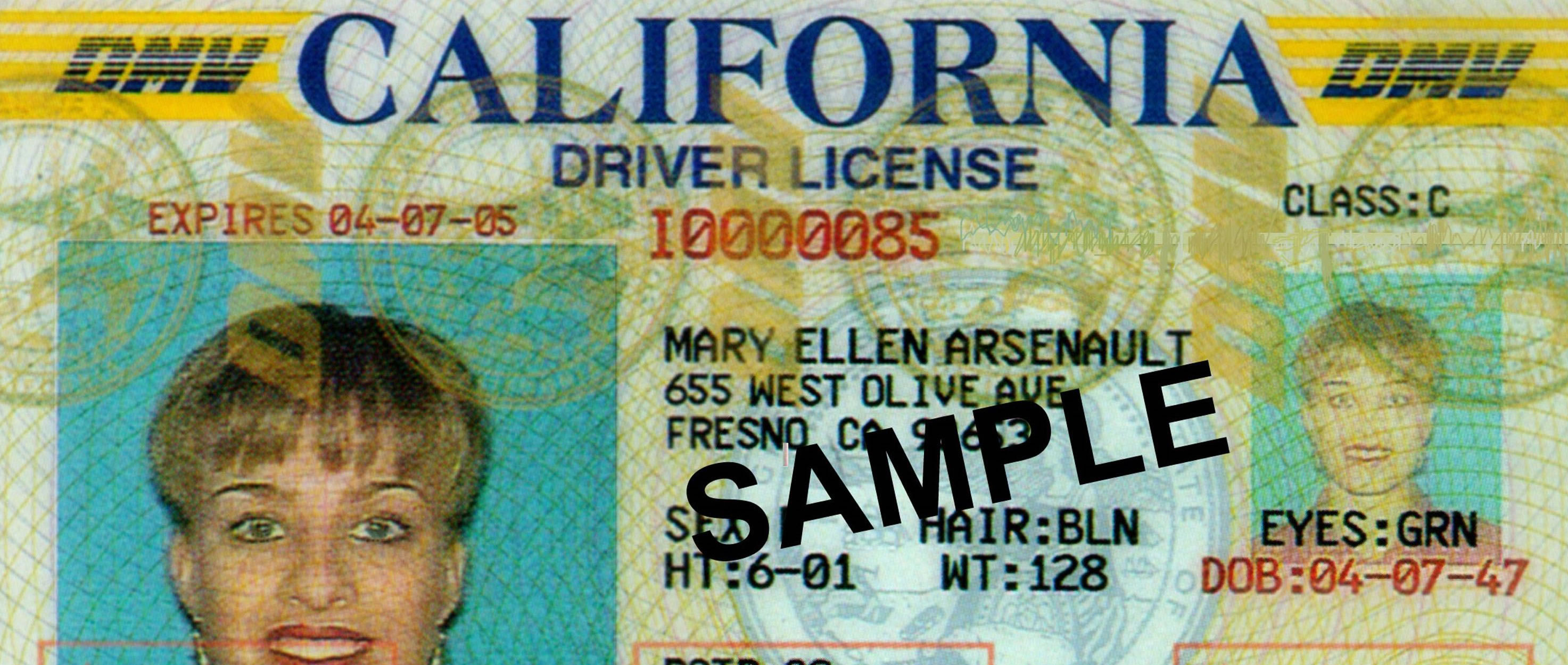
The distinction between a Class C license and a Commercial Driver’s License (CDL) is crucial, especially for individuals who might be operating larger vehicles for work or for personal use that exceeds the Class C limits. A CDL is a federal requirement for operating commercial motor vehicles (CMVs) engaged in interstate commerce. California has adopted these federal standards.
Defining Commercial Motor Vehicles (CMVs)
A vehicle is generally considered a CMV if it meets one or more of the following criteria:
- Weight: It has a GVWR of 26,001 pounds or more.
- Combination Weight: It is a combination of vehicles with a GCWR of 26,001 pounds or more, and the GVWR of any vehicle in the combination is over 10,000 pounds.
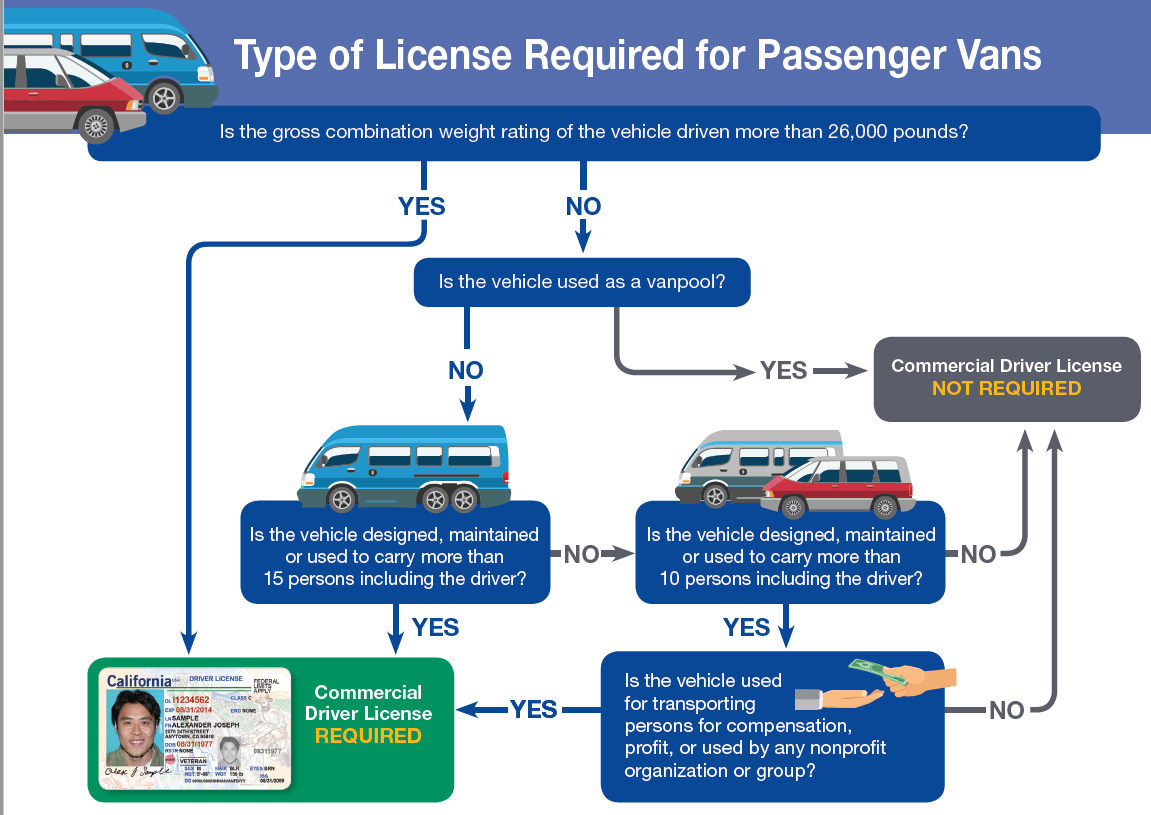
- Passenger Capacity: It is designed to transport 16 or more occupants, including the driver (this is a key distinction for school buses and larger passenger vans not used for commercial transport in the same vein as a bus).
- Transport of Hazardous Materials: It is of any size and is designed or equipped to transport hazardous materials, requiring placarding under federal hazardous materials regulations.
Specific Scenarios Requiring a CDL
Based on the definition of CMVs, several common scenarios necessitate a CDL:
- Large Trucks and Tractor-Trailers: Operating any truck with a GVWR of 26,001 pounds or more, or any combination of vehicles with a GCWR of 26,001 pounds or more, requires a Class A or Class B CDL, depending on the configuration.
- Buses: Driving a bus designed to carry 16 or more passengers, including the driver, requires a Class B CDL with a passenger endorsement. School buses also fall under this category.
- Vehicles Towing Heavy Trailers: If a vehicle is towing a trailer with a GVWR exceeding 10,000 pounds, and the combined weight of the towing vehicle and trailer is 26,001 pounds or more, a Class A CDL is required. Even if the combined weight is less, if the trailer’s GVWR is over 10,000 pounds, specific endorsements or a different license class might be needed.
- Hazardous Materials Transport: Any vehicle, regardless of size, that is used to transport hazardous materials requiring placarding necessitates a CDL with a hazardous materials endorsement.
The Importance of Proper Licensing
Operating a CMV without the appropriate CDL is a serious offense with significant consequences. These can include substantial fines, immediate vehicle impoundment, and severe impacts on future employment opportunities. Furthermore, driving a CMV without a CDL is extremely dangerous, as the skills and knowledge required to handle these large vehicles are far more extensive than those needed for standard passenger vehicles. The rigorous testing for CDLs ensures that drivers are competent in areas such as vehicle inspection, air brake systems, cargo securement, and defensive driving techniques specific to large vehicles.
For individuals considering driving larger vehicles, whether for commercial purposes or for personal enjoyment with a substantial RV or towing setup, a thorough review of California’s DMV regulations and the requirements for each license class is essential. Consulting the official California Driver Handbook and the DMV website is the most reliable way to ensure compliance and safe operation on the road.
Operating Larger Vehicles and Recreational Travel in California
The Class C driver’s license opens up a world of possibilities for recreational travel and personal use of vehicles that extend beyond typical passenger cars. For many, this means the freedom to explore California’s diverse landscapes in a motorhome or to tow a trailer for camping trips or sporting adventures. Understanding the nuances of Class C operation in these contexts is key to enjoying these experiences safely and legally.
Navigating California’s Roads with an RV
California boasts an incredible array of natural wonders, from the towering sequoias of Sequoia National Park and Yosemite National Park to the dramatic coastline along Highway 1 and the desert expanses of Joshua Tree National Park. Many travelers choose to explore these destinations in recreational vehicles (RVs).
A Class C license is generally sufficient for operating most types of RVs, including:
- Class A Motorhomes: These are the largest and often most luxurious type of RV, built on a heavy-duty chassis. As long as their GVWR is under 26,000 pounds, a Class C license is adequate.
- Class C Motorhomes: These are typically built on a cutaway van chassis and are recognizable by their over-cab sleeping area. They also fall under Class C licensing if their GVWR is below 26,000 pounds.
- Class B Motorhomes (Campervans): These are van conversions and are usually the smallest of the motorized RVs, well within the Class C limits.
- Towable RVs: This includes travel trailers, fifth-wheel trailers, and pop-up campers. As long as the trailer’s GVWR does not exceed 10,000 pounds, and the combined weight of the towing vehicle and trailer does not exceed 26,000 pounds, a Class C license is sufficient.
When driving an RV, particularly a larger one, drivers must be mindful of its increased size, weight, and handling characteristics. This includes wider turns, longer stopping distances, and potential challenges on steep grades or in windy conditions. Practicing in less congested areas before embarking on long journeys is highly recommended.
Towing Trailers for Leisure and Work
The ability to tow a trailer significantly enhances the versatility of a Class C license. Whether it’s a small utility trailer for hauling gardening supplies, a trailer for a motorcycle or ATV, or a boat trailer for a day on Lake Tahoe, the Class C license covers many common towing needs.
The critical factors to consider when towing with a Class C license are:
- Trailer GVWR: The Gross Vehicle Weight Rating of the trailer itself must not exceed 10,000 pounds.
- Combined Vehicle and Trailer Weight: The Gross Combined Weight Rating (GCWR) of the towing vehicle and the trailer must not exceed 26,000 pounds.
Exceeding either of these limits would necessitate a higher class of license or specific endorsements. It’s essential to know the GVWR of your trailer and the GCWR of your towing vehicle, which are typically found on a label or sticker on the vehicle or trailer itself.
Safe towing involves more than just having the right license. It requires proper hitching, ensuring the trailer is securely connected, and distributing the load within the trailer appropriately to maintain stability. Drivers should also be aware of the added length and reduced maneuverability when towing, especially when backing up or making turns.
Enjoying California Safely
A Class C license provides the freedom to experience the vast beauty and diverse attractions of California. From the beaches of Southern California to the wine country of Napa Valley and the majestic peaks of the Sierra Nevada mountains, the opportunities for adventure are boundless. By understanding the classifications and requirements of the Class C license, and by practicing safe driving habits, individuals can confidently and legally explore all that the Golden State has to offer, whether it’s a weekend getaway to a state park or an extended road trip across the iconic Pacific Coast Highway.
LifeOutOfTheBox is a participant in the Amazon Services LLC Associates Program, an affiliate advertising program designed to provide a means for sites to earn advertising fees by advertising and linking to Amazon.com. Amazon, the Amazon logo, AmazonSupply, and the AmazonSupply logo are trademarks of Amazon.com, Inc. or its affiliates. As an Amazon Associate we earn affiliate commissions from qualifying purchases.