
The concept of a “livable wage” is a cornerstone of modern discussions about economic well-being and sustainable living, particularly within a state as dynamic and diverse as California. It transcends the notion of a minimum wage, aiming instead to define the income necessary for an individual or family to afford a basic but decent standard of living in a specific geographic area, without the need for public assistance. Understanding this figure is crucial for anyone considering a move to the Golden State, planning a long-term stay, or simply seeking to comprehend the economic realities faced by residents across its varied landscapes.

Defining the Livable Wage: Beyond the Minimum
The minimum wage, mandated by law, sets a floor for earnings. However, this floor often falls short of covering the actual costs associated with a dignified life. A livable wage, on the other hand, is calculated based on the actual expenses incurred in a particular region. These expenses typically include housing, food, transportation, healthcare, childcare, taxes, and other necessities. Unlike the minimum wage, which is a uniform figure across a state or country, a livable wage is inherently localized, reflecting the significant cost-of-living disparities that exist even within California itself.
Key Components of Livable Wage Calculations
To accurately determine a livable wage, several critical factors must be considered:
Housing Costs
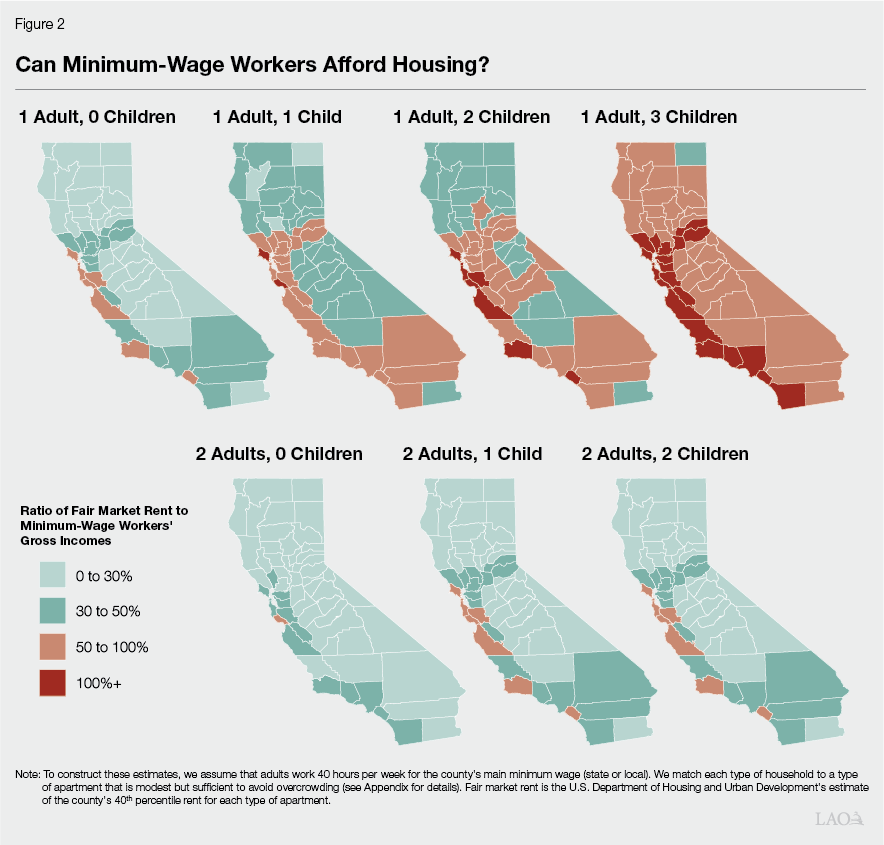
This is often the largest single expense for individuals and families. In California, housing costs vary dramatically. A modest apartment in a rural area will have a vastly different price tag than a comparable dwelling in a major metropolitan hub like Los Angeles or San Francisco. Livable wage calculations meticulously factor in average rental prices for different housing types, considering the number of bedrooms needed for a family of a certain size. For those considering extended stays or relocation, understanding these housing dynamics is paramount. For example, a vacation rental in Palm Springs might seem affordable for a short trip, but long-term leases in such desirable locales can be substantial.
Food Expenses
The cost of groceries and dining out also plays a significant role. The USDA’s Thrifty Food Plan or moderate-cost food plans are often used as benchmarks. These plans estimate the cost of a healthy diet for individuals and families, taking into account various age groups and dietary needs. Whether you’re a solo traveler exploring the culinary scene of San Diego or a family settling in for a winter stay in Lake Tahoe, food is a consistent expenditure.
Transportation Needs
Reliable transportation is essential for commuting to work, accessing essential services, and participating in community life. This includes the costs of car ownership (fuel, insurance, maintenance) or public transit fares. In sprawling areas like Southern California, car dependency is high, increasing these costs. Conversely, in densely populated urban centers with robust public transportation networks, like parts of San Francisco, transportation costs might be lower for those who forgo personal vehicles.
Healthcare and Insurance
Access to healthcare is a fundamental need. Livable wage calculations must account for health insurance premiums, co-pays, deductibles, and out-of-pocket medical expenses. For families, the cost of health insurance can be a significant burden, impacting the overall income required to live comfortably.
Childcare Costs
For working parents, childcare is often one of the most substantial expenses after housing. The cost of daycare, preschool, or after-school programs can vary widely by region and the age of the child. A livable wage must ensure that parents can afford quality care for their children while they are at work.
Taxes and Other Necessities
Finally, livable wage models incorporate estimated tax burdens (federal, state, and local) and other essential expenses such as clothing, personal care items, and modest savings for emergencies or future goals.
Variations Across California: A Tale of Two Cities (and Counties)
The most striking aspect of livable wage discussions in California is the sheer magnitude of variation from one region to another. The cost of living is not uniform, leading to vastly different income thresholds for a comparable standard of living.
High-Cost Urban Centers vs. Affordable Rural Areas
Metropolitan areas like San Francisco, Oakland, San Jose, and parts of Los Angeles County consistently rank among the most expensive places to live in the nation. Here, housing prices, in particular, drive up the required livable wage significantly. A single individual in San Francisco might need an annual income well over $100,000 to comfortably cover basic needs, whereas a family of four could require more than double that. This is a stark contrast to more rural or less densely populated areas of the state, such as parts of the Central Valley or certain Northern California counties, where the livable wage, while still higher than many other states, is considerably lower.
The Impact on Travel and Extended Stays
For travelers or those considering longer-term accommodations in California, understanding these cost differences is crucial. A budget for a week-long stay in a boutique hotel in Big Sur will be vastly different from one in a more inland city. Similarly, if you are looking to rent a vacation apartment for a few months, the price fluctuations between a coastal town and a mountain community can be astronomical. For instance, finding affordable long-term stays near popular tourist attractions like Disneyland in Anaheim will present different financial challenges compared to seeking extended accommodation in the vineyards of Napa Valley.
Calculating Your Own Livable Wage in California
While organizations and researchers regularly publish livable wage data for various California counties, understanding the underlying methodology can empower individuals to make their own informed estimates.
Tools and Resources for Estimation
Several online calculators and research organizations provide livable wage estimates. These tools typically ask for your location within California, your family size, and whether you own or rent your home. They then use up-to-date data on local costs for housing, food, transportation, healthcare, and other expenses to generate an estimate. For those planning an extended stay, perhaps in a serviced apartment in Santa Monica or a villa in Malibu, inputting the specific zip code can yield the most accurate results.
Personalizing the Calculation
It’s important to remember that these calculations are based on averages. Your personal circumstances might necessitate a higher or lower livable wage. For example:
- Lifestyle Choices: If you opt for fine dining experiences over cooking at home, your food budget will increase. Similarly, if you prefer luxury resorts over budget-friendly accommodations, your housing expenses will rise.
- Specific Needs: Families with young children will have significantly higher childcare costs. Individuals with chronic health conditions will likely face greater healthcare expenses.
- Transportation Preferences: Owning a fuel-efficient electric vehicle might reduce fuel costs compared to a traditional gasoline car, but charging infrastructure and electricity rates are also factors.
The Livable Wage and Tourism Experiences
The pursuit of a livable wage is deeply intertwined with the ability for residents to not only survive but also to thrive and participate in the vibrant tapestry of California’s offerings. For many, the state’s attractions, from its world-class museums in Los Angeles to the natural beauty of Yosemite National Park, are experiences they aspire to have. A livable wage ensures that residents have discretionary income to enjoy these cultural and natural treasures, contributing to the local economy through tourism. It allows families to afford weekend getaways, visit theme parks like Universal Studios Hollywood, or simply enjoy a day out at the beach in Santa Cruz.
Implications for Travelers and Long-Term Residents
The understanding of a livable wage in California has far-reaching implications for anyone planning a visit or considering a more permanent relocation.
Budgeting for Your Stay
Whether you’re booking a short-term rental in San Diego or contemplating a longer stay in a furnished apartment in Sacramento, awareness of the local cost of living is a critical budgeting tool. If your income in your home state doesn’t align with California’s livable wage requirements, you may need to adjust your expectations, seek more affordable accommodation options, or carefully plan your expenditures. This could mean choosing hostels or budget hotels in pricier areas, or focusing on activities that are free or low-cost, such as hiking in Point Reyes National Seashore.
Making Informed Decisions About Relocation
For those contemplating a move to California for work or lifestyle, understanding the livable wage is paramount. It helps answer the fundamental question: “Can I afford to live here comfortably on my expected income?” This is especially true for individuals seeking long-term accommodation, whether that’s a year-round apartment in Berkeley or a winter residence in Coachella Valley. Without a sufficient income, the dream of living in the Golden State can quickly turn into a financial struggle, impacting not only daily life but also the ability to explore and enjoy all that California has to offer.

The Economic Ecosystem of Tourism
A strong local economy, supported by residents earning a livable wage, ultimately benefits the tourism sector. When locals have disposable income, they are more likely to frequent local businesses, dine at restaurants, attend events, and patronize attractions. This creates a more robust and sustainable tourism ecosystem, making California a more attractive destination for visitors. It fosters a sense of community pride and allows residents to fully participate in and benefit from the economic activity generated by tourism, from the bustling streets of Downtown Los Angeles to the charming villages along the Pacific Coast Highway.
In conclusion, the livable wage in California is a complex and localized metric that reflects the true cost of a decent life. For travelers, understanding this concept provides invaluable insight for budgeting and planning. For those considering a long-term stay or relocation, it is a critical factor in assessing financial feasibility and ensuring a sustainable and enjoyable experience in one of America’s most captivating states.
LifeOutOfTheBox is a participant in the Amazon Services LLC Associates Program, an affiliate advertising program designed to provide a means for sites to earn advertising fees by advertising and linking to Amazon.com. Amazon, the Amazon logo, AmazonSupply, and the AmazonSupply logo are trademarks of Amazon.com, Inc. or its affiliates. As an Amazon Associate we earn affiliate commissions from qualifying purchases.