
An Enhanced Driver’s License (EDL) in California is more than just a standard permit to operate a motor vehicle. It is a specialized form of identification designed to streamline border crossings for U.S. citizens returning to the United States by land or sea from Canada, Mexico, and the Caribbean. While it serves the fundamental purpose of a driver’s license, its enhanced security features and its status as a Western Hemisphere Travel Initiative (WHTI)-compliant document make it a valuable tool for frequent travelers and those seeking a convenient way to prove their identity and citizenship. Understanding what an EDL is, who can obtain one, and how it benefits travelers is crucial for residents of the Golden State looking to simplify their international journeys.

The Purpose and Benefits of an EDL
The primary benefit of a California Enhanced Driver’s License is its role as an alternative to a U.S. passport for returning to the United States from specific neighboring countries. This offers a significant advantage for individuals who regularly commute or travel to and from Canada or Mexico for leisure or business. Instead of presenting a passport book, which can be cumbersome to carry and more expensive to replace if lost or stolen, an EDL provides a secure and readily accessible credential.
Facilitating Border Crossings
The U.S. Department of Homeland Security (DHS) has designated EDLs as WHTI-compliant documents. This means that when presenting an EDL at a land border or seaport of entry, U.S. citizens can satisfy the requirement of proving their identity and nationality. This expedites the customs and immigration process, reducing wait times and the potential for confusion. The EDL contains embedded technology and security features that allow border officials to quickly verify the authenticity of the document and the holder’s citizenship status. This is particularly beneficial for residents of Southern California who may frequently visit Tijuana or other Mexican border towns, or for those living near the Canadian border, although the latter is less common for Californians.
Enhanced Security Features
Beyond its travel utility, the EDL is designed with robust security features to prevent fraud and counterfeiting. These typically include:
- Embedded RFID Chip: A Radio-Frequency Identification (RFID) chip is embedded within the license. This chip stores encrypted information about the holder, including their photograph, biographic data, and proof of citizenship. Border patrol agents can scan this chip wirelessly from a short distance, allowing for rapid verification without physical manipulation of the card.
- Secure Visual Elements: Like other modern driver’s licenses, EDLs incorporate advanced visual security features such as holograms, microprinting, and specialized inks that are difficult to replicate.
- Digital Security: The data on the RFID chip is protected by encryption, ensuring that it cannot be easily intercepted or tampered with.
These layers of security provide greater assurance to both the individual and the authorities. For travelers, it means peace of mind knowing their identification is highly secure and universally recognized for its intended purpose.
Cost and Convenience
Compared to a U.S. passport, which currently costs $130 for a first-time applicant and requires renewal every 10 years, obtaining an EDL involves a one-time additional fee on top of the standard driver’s license fees. While the exact costs can fluctuate, the EDL fee is generally a fraction of the passport cost and is valid for the same duration as a regular driver’s license (typically five to eight years, depending on age). This makes it a more economical option for individuals who primarily travel to neighboring countries and do not require a passport for broader international travel to destinations like Europe or Asia. The convenience of carrying one document for both driving and border crossings further enhances its appeal.
Eligibility Requirements for a California EDL
Obtaining an Enhanced Driver’s License in California is restricted to U.S. citizens. This is a fundamental requirement, as the EDL is specifically designed to facilitate entry into the United States for its citizens. Applicants must also be residents of California.
U.S. Citizenship Verification
Proof of U.S. citizenship is paramount. Accepted documents include:
- A U.S. birth certificate (certified copy)
- A U.S. passport or passport card
- A Consular Report of Birth Abroad
- A Certificate of Citizenship
- A Certificate of Naturalization
Applicants will need to present an original or certified copy of one of these documents to the Department of Motor Vehicles (DMV).
California Residency and Identity
In addition to citizenship, applicants must prove their identity and residency within California. This involves presenting documents such as:
- Proof of Identity: A social security card, a military ID card, or a foreign passport with a valid U.S. visa.
- Proof of Residency: Utility bills, rental agreements, or bank statements showing the applicant’s California address.
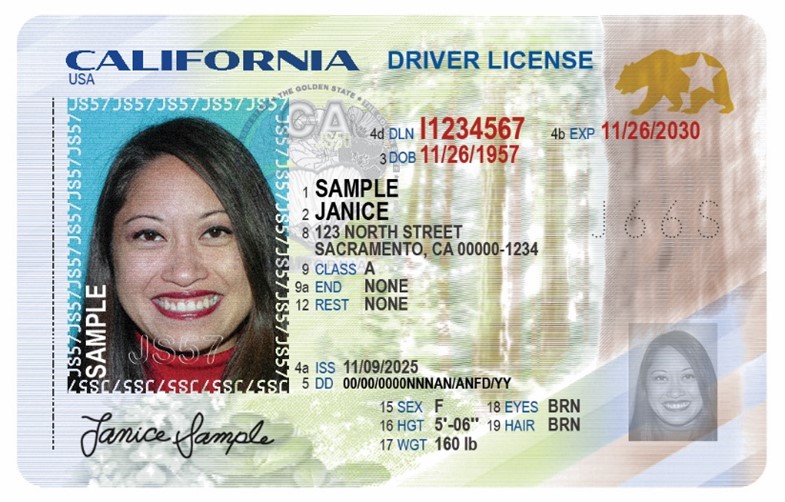
The California DMV has a comprehensive list of acceptable documents, and it is advisable to consult their official website or visit a DMV office to ensure all necessary paperwork is prepared.
Application Process
The application process for an EDL is similar to that of a standard driver’s license but requires an additional step to verify citizenship and present the specific documentation. Prospective EDL holders must:
- Complete the DL 44 Application Form: This is the standard application for any driver’s license or identification card.
- Gather Required Documents: Assemble proof of identity, U.S. citizenship, and California residency, ensuring they are original or certified copies.
- Visit a California DMV Office: Appointments are highly recommended to minimize wait times. At the DMV office, applicants will present their documents, have their photograph taken, and pay the required fees.
- Pay the Enhanced Fee: In addition to the standard licensing fees, there is an additional fee for the EDL endorsement. This fee covers the cost of the enhanced security features, including the RFID chip.
It is important to note that the EDL is an endorsement on a driver’s license or an identification card. This means that if an individual does not possess a California driver’s license, they can apply for an Enhanced Identification Card, which serves the same border-crossing purpose but does not permit driving.
Traveling with Your EDL
The utility of an Enhanced Driver’s License is most apparent when crossing borders. Understanding how to use it effectively can save time and hassle.
Land and Sea Border Crossings
When driving or walking across a land border into the United States from Canada or Mexico, or arriving by cruise ship from the Caribbean, present your EDL to the U.S. Customs and Border Protection (CBP) officer. The officer will scan the RFID chip and visually inspect the card to verify your identity and citizenship. The process is designed to be quick and efficient, particularly for frequent travelers.
Air Travel Restrictions
It is crucial to understand that an Enhanced Driver’s License is not a valid document for international air travel. For flights to or from foreign countries, even Canada or Mexico, a U.S. passport or passport card is still required. The EDL is exclusively for land and sea crossings into the United States. This distinction is vital to avoid travel disruptions.
What to Do if Your EDL is Lost or Stolen
If your EDL is lost or stolen, it is imperative to report it immediately to the California DMV. You will need to apply for a replacement license, which will involve a new application process and fees, similar to obtaining an original EDL. In the interim, if you need to travel internationally and do not have another WHTI-compliant document like a passport, you will be unable to re-enter the United States. This underscores the importance of safeguarding your EDL.
Alternatives to the EDL
While the EDL offers significant convenience for specific travel scenarios, it is not the only option for U.S. citizens. Understanding the alternatives helps in choosing the most suitable identification for individual needs.
U.S. Passport Book and Passport Card
The U.S. Passport Book is the most universally accepted travel document for U.S. citizens, required for all international air travel and highly recommended for any international travel. The U.S. Passport Card, introduced in 2008, is a more cost-effective and wallet-friendly alternative to the passport book and is also WHTI-compliant for land and sea crossings into the United States from Canada, Mexico, the Caribbean, and Bermuda. For Californians who travel internationally by air or frequently visit countries beyond North America, a passport book or card might be a more comprehensive solution than an EDL alone.
NEXUS and SENTRI Programs
For very frequent travelers between the United States and Canada (NEXUS) or the United States and Mexico (SENTRI), there are dedicated trusted traveler programs. These programs offer expedited processing at border crossings for pre-approved, low-risk travelers. While an EDL can be used for general WHTI compliance, NEXUS and SENTRI offer even faster clearance for their members. Membership in these programs requires a more rigorous application process, including background checks and interviews. An EDL can sometimes be used as one of the documents to prove citizenship and identity when applying for NEXUS or SENTRI, but it does not replace the need for program membership itself.
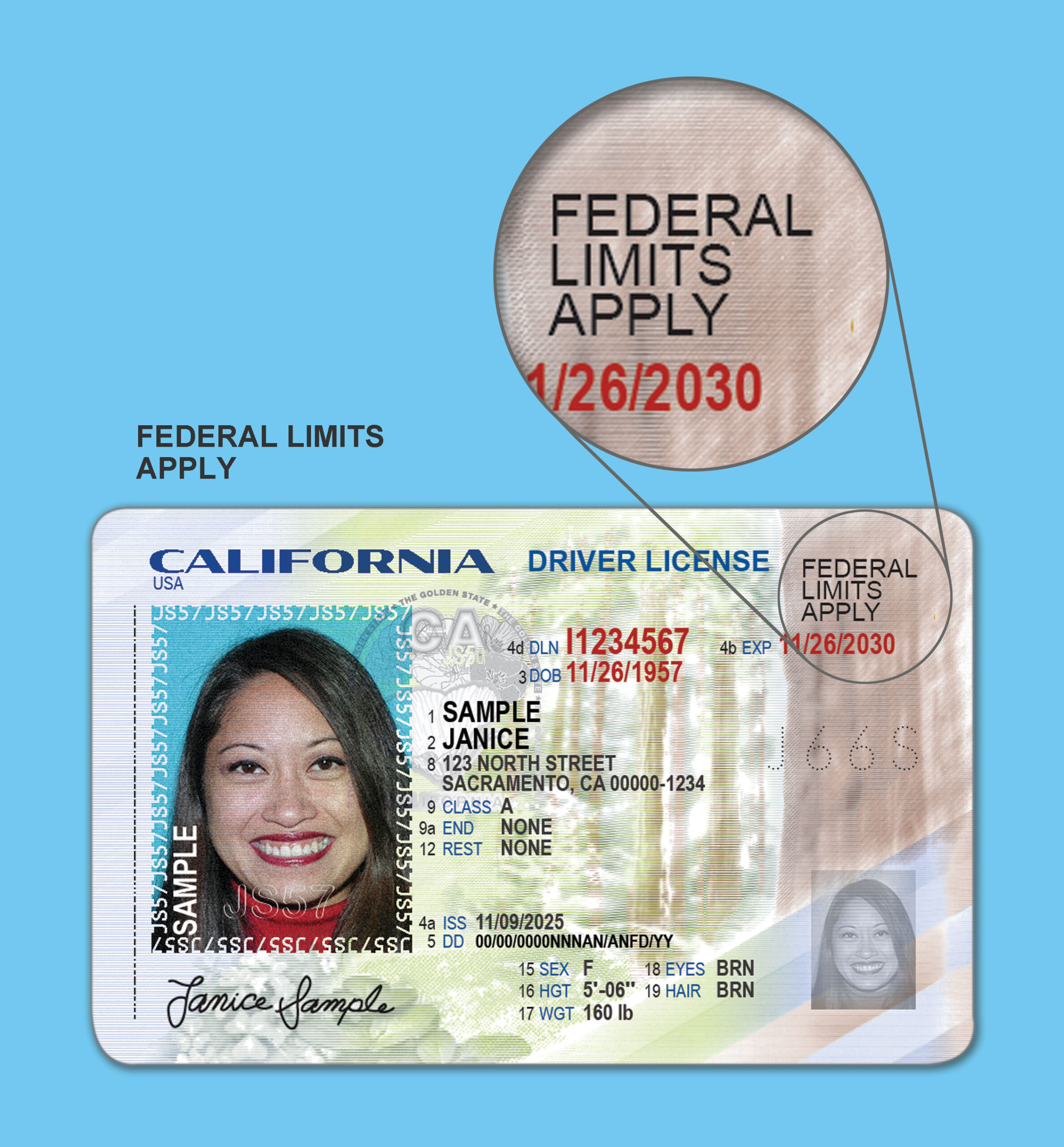
Global Entry
Global Entry is a program managed by U.S. Customs and Border Protection that allows for expedited clearance for pre-approved, low-risk travelers upon arrival in the United States. While Global Entry primarily focuses on air travel, it is a valuable program for frequent international flyers. It is important to note that Global Entry is a separate program from the EDL and has its own application and approval process.
In conclusion, the California Enhanced Driver’s License is a specialized identification document that provides a secure and convenient method for U.S. citizens to re-enter the United States via land or sea from Canada, Mexico, and the Caribbean. Its robust security features and compliance with WHTI requirements make it an attractive option for regular border crossers. However, it is not a substitute for a passport for international air travel. Understanding its benefits, eligibility, and limitations ensures that travelers can make informed decisions about their identification needs, ultimately enhancing their travel experience.
LifeOutOfTheBox is a participant in the Amazon Services LLC Associates Program, an affiliate advertising program designed to provide a means for sites to earn advertising fees by advertising and linking to Amazon.com. Amazon, the Amazon logo, AmazonSupply, and the AmazonSupply logo are trademarks of Amazon.com, Inc. or its affiliates. As an Amazon Associate we earn affiliate commissions from qualifying purchases.