
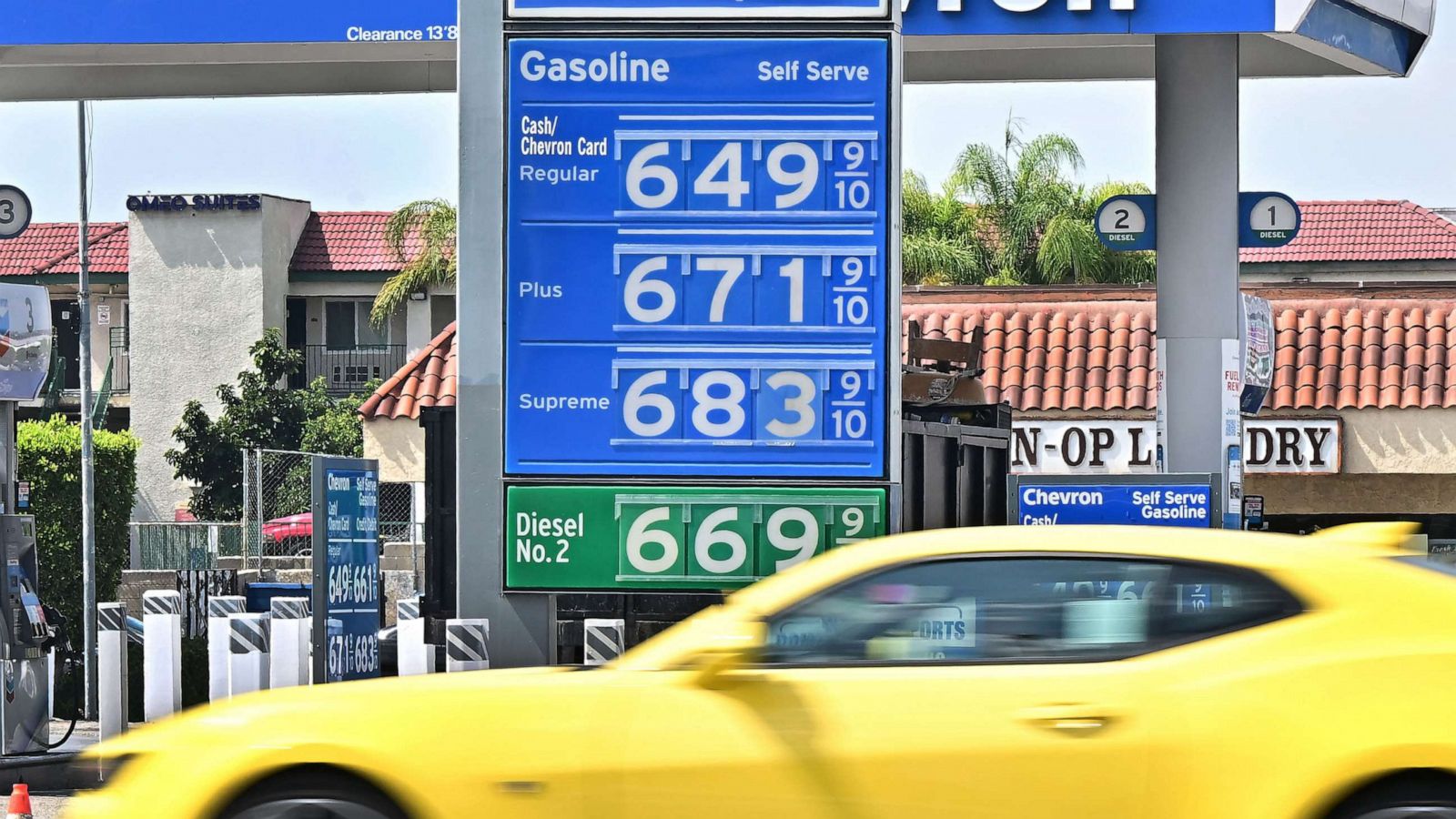
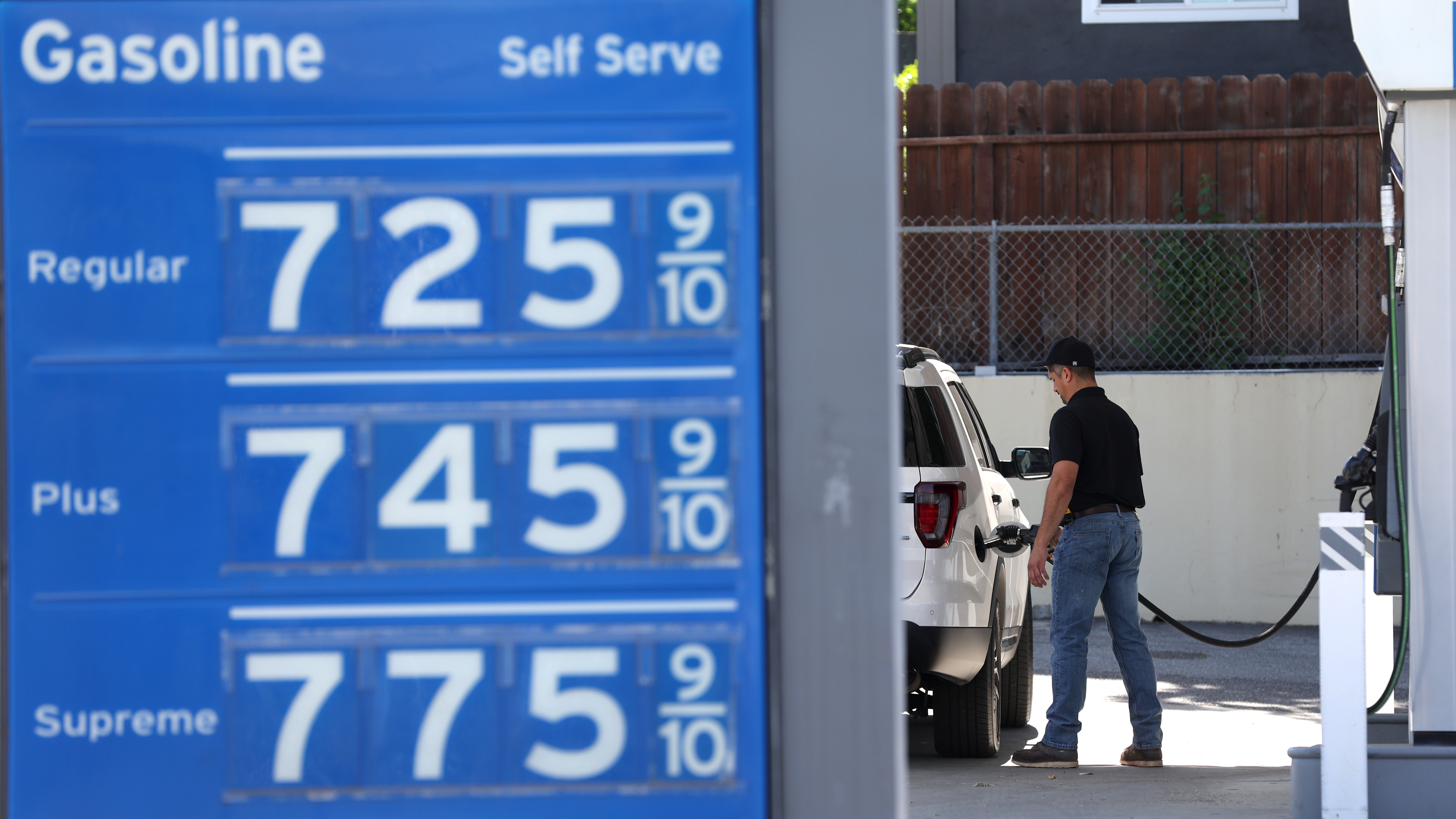
Understanding the fluctuating cost of gasoline in California is crucial for any traveler planning a road trip or navigating the Golden State’s vast expanse. Gas prices here are notoriously higher than the national average, a complex issue influenced by a unique blend of environmental regulations, state taxes, supply chain dynamics, and the sheer demand from millions of residents and tourists. For those embarking on a journey that covers iconic routes like the Pacific Coast Highway or venturing into the heart of the Sierra Nevada, budgeting for fuel is an essential part of the travel planning process. This guide aims to demystify the factors contributing to California’s gas prices and offer insights for travelers to manage their fuel expenses effectively.

The Pillars of California’s Premium Gas Prices
Several key elements converge to create the elevated gasoline prices experienced in California. These are not isolated incidents but rather systemic contributors that have shaped the state’s fuel market for years, impacting everything from daily commutes to grand cross-country adventures.
State-Specific Fuel Standards
One of the most significant drivers of higher gas prices in California is its stringent fuel formulation requirements. The California Air Resources Board (CARB) mandates a unique blend of gasoline that is cleaner-burning than the fuel used in other states. This special blend is designed to reduce smog and air pollution, a critical concern in densely populated and geographically diverse areas like the Los Angeles Basin.
This specialized blend requires refineries to produce a different type of gasoline, often referred to as “CARB gasoline.” The production of this fuel is more complex and costly. Refineries must invest in specialized equipment and processes to meet these stringent standards. Furthermore, California’s unique blend is not readily interchangeable with the standard fuel sold in the rest of the United States. This means that when disruptions occur in California’s refining capacity, the state cannot easily import fuel from elsewhere, exacerbating supply shortages and driving prices higher.
The environmental benefits of CARB gasoline are undeniable, contributing to California’s leadership in air quality initiatives. However, the associated costs are directly reflected at the pump, making it a significant factor for travelers to consider.
The Burden of State and Federal Taxes
Beyond the cost of producing cleaner fuel, taxes play a substantial role in the final price of gasoline in California. The state imposes some of the highest gasoline taxes in the nation. These taxes are levied at various stages, including excise taxes, sales taxes, and other environmental fees.
The California excise tax is a per-gallon tax that directly contributes to the state’s transportation infrastructure. While intended to fund vital road repairs, bridge maintenance, and public transit projects across the state, including popular tourist routes like Highway 1, its impact on the consumer price is considerable.
In addition to the excise tax, California also applies a sales tax to gasoline. This means that the percentage-based sales tax is calculated on top of the already taxed price of fuel, further increasing the overall cost. Various other environmental fees and taxes are also embedded in the price, reflecting the state’s commitment to sustainability but adding to the consumer’s burden.
When combined with the federal gasoline tax, the total tax burden on gasoline in California is substantial. This layered taxation is a primary reason why prices at the pump consistently outpace those in other states. For travelers, this means that filling up their tank in California will invariably cost more than in neighboring states like Nevada or Arizona.
Supply and Demand Dynamics
Like any commodity, gasoline prices are subject to the fundamental economic principles of supply and demand. In California, these dynamics are particularly potent due to the state’s large population, extensive tourism industry, and unique geographical constraints.
Demand: California is the most populous state in the U.S., with millions of residents relying on personal vehicles for transportation. Furthermore, it is a premier tourist destination, attracting millions of visitors annually who rent cars or drive their own vehicles to explore attractions like Disneyland, Yosemite National Park, and the cities of San Francisco and San Diego. This massive and consistent demand puts inherent pressure on fuel supplies.
Supply: California has a limited number of oil refineries, and these facilities are aging and susceptible to operational issues. Planned maintenance, unexpected breakdowns, or natural disasters (such as earthquakes or wildfires) can significantly disrupt refinery output. Because of the specialized CARB gasoline requirements, California cannot easily supplement its supply with gasoline from outside the state. This reliance on a relatively small number of domestic refineries makes the supply chain vulnerable to disruptions, leading to price spikes when supply tightens.
The interplay of robust demand and a sensitive supply chain means that even minor interruptions can lead to disproportionately large increases in gasoline prices across the state. For travelers, this can translate into unpredictable price swings, making it challenging to pinpoint the exact cost of fuel for a trip.
Crude Oil Prices and Geopolitical Influences
While state-specific factors are dominant, California’s gasoline prices are also influenced by global crude oil prices. Crude oil is the primary feedstock for gasoline production. Fluctuations in the global market, driven by geopolitical events, production quotas set by organizations like OPEC, and global economic conditions, directly impact the cost of crude oil that refiners purchase.
When global crude oil prices rise, the cost of producing gasoline increases, and this increase is passed on to consumers. Conversely, a drop in crude oil prices can lead to lower gasoline costs, though the effect in California might be somewhat muted by the other contributing factors.
Geopolitical instability in major oil-producing regions can create uncertainty and speculation in the oil markets, leading to price volatility. For travelers, understanding these broader economic forces provides context for why gas prices might be generally high or experiencing sudden jumps, even if the immediate cause isn’t apparent within the state’s borders.
Impact on Travel and Tourism
The elevated gas prices in California have a tangible impact on the travel experience. For many, a road trip is an iconic way to explore the state’s diverse landscapes, from the beaches of Southern California to the redwood forests of the north.
Budgeting for Fuel
Travelers must allocate a larger portion of their budget to fuel when visiting or driving within California. A cross-state journey, such as driving from San Diego to San Francisco, can involve significant fuel expenses. This can influence decisions about the length of the trip, the types of activities undertaken, and even the choice of accommodation. Travelers might opt for shorter day trips, utilize public transportation in urban areas, or choose destinations closer to their starting point to mitigate fuel costs.
Shifting Travel Preferences
The high cost of gas might encourage some travelers to reconsider their transportation choices. While flying into major airports like Los Angeles International Airport (LAX) or San Francisco International Airport and then relying on ride-sharing services or public transport within cities can be an alternative, many visitors still prefer the freedom and flexibility of a personal vehicle, especially for exploring national parks and more remote attractions.
This can lead to a greater interest in fuel-efficient vehicles, electric vehicles (EVs), or even hybrid options for rental cars. As the state continues to invest in its EV charging infrastructure, it becomes a more viable option for travelers looking to bypass traditional gas stations.
Local Economic Considerations
For California residents, high gas prices directly affect disposable income, potentially impacting their ability to travel within the state or engage in leisure activities. This can indirectly influence tourism by affecting local spending patterns. Businesses in tourist-dependent areas, such as those around Big Sur or wine regions like Napa Valley, may see fluctuations in visitor numbers based on the overall cost of travel.
Strategies for Managing Fuel Costs While Traveling in California
Despite the higher prices, it is possible for travelers to navigate California without breaking the bank on fuel. Prudent planning and smart choices can make a significant difference.
Utilize Gas Price Comparison Apps
In the digital age, numerous smartphone applications are available that track real-time gas prices at stations across California. Apps like GasBuddy, AAA Mobile, and others allow users to search for the cheapest gas in their vicinity or along their planned route. This simple yet effective strategy can lead to substantial savings, especially when driving long distances.
Refuel Strategically
The price of gasoline can vary considerably even within a few miles. Prices are often higher in major metropolitan areas, tourist hotspots, and along popular freeways like the Interstate 5. Conversely, gas prices may be lower in more rural areas or at stations slightly off the beaten path. Travelers can save money by planning their refueling stops in advance, perhaps filling up before entering a particularly expensive region or seeking out stations in less frequented towns.
Consider Fuel Efficiency
When renting a vehicle, opting for a car with good fuel economy is a wise decision. Smaller sedans, hybrids, and electric vehicles will consume less fuel per mile, directly translating into lower costs. Even for those driving their own cars, ensuring tires are properly inflated and the engine is well-maintained can improve gas mileage.
Embrace Alternatives
For shorter distances or within major urban centers like Los Angeles or San Francisco, consider utilizing public transportation options. California has extensive public transit networks, including BART in the Bay Area, LA Metro in Southern California, and Amtrak trains connecting various cities. For shorter trips, ride-sharing services can also be a cost-effective alternative to driving and parking.
Plan for Electric Vehicle Travel
As mentioned, California is a leader in EV adoption and charging infrastructure. If you or someone you’re traveling with owns or rents an EV, planning charging stops can be part of the travel itinerary. Many hotels and public locations now offer EV charging stations, turning a necessary stop into an opportunity to rest or explore.
Conclusion
The question “What Is Gas Prices In California?” leads to a nuanced answer steeped in regulatory frameworks, tax policies, and market forces unique to the Golden State. For travelers, understanding these contributing factors is the first step toward making informed decisions about their journeys. While the cost of fuel in California presents a challenge, it is a manageable one with strategic planning, the use of available technology, and an openness to alternative transportation methods. By factoring these elements into travel budgets and itineraries, visitors can continue to experience the unparalleled beauty and diversity that California has to offer, from its sun-drenched beaches to its majestic mountain ranges.
LifeOutOfTheBox is a participant in the Amazon Services LLC Associates Program, an affiliate advertising program designed to provide a means for sites to earn advertising fees by advertising and linking to Amazon.com. Amazon, the Amazon logo, AmazonSupply, and the AmazonSupply logo are trademarks of Amazon.com, Inc. or its affiliates. As an Amazon Associate we earn affiliate commissions from qualifying purchases.