
Navigating the acquisition of a vehicle in the Golden State often involves a complex array of fees and taxes, with sales tax being a primary consideration. Understanding the nuances of California’s automotive sales tax is crucial for budgeting and avoiding unexpected costs. This guide aims to demystify the process, providing clarity on how sales tax is calculated, what factors influence the rate, and how it applies to various vehicle purchase scenarios. Whether you’re a seasoned car buyer or a first-time owner, this information will empower you to make informed decisions.

Understanding the Basics of California Sales Tax
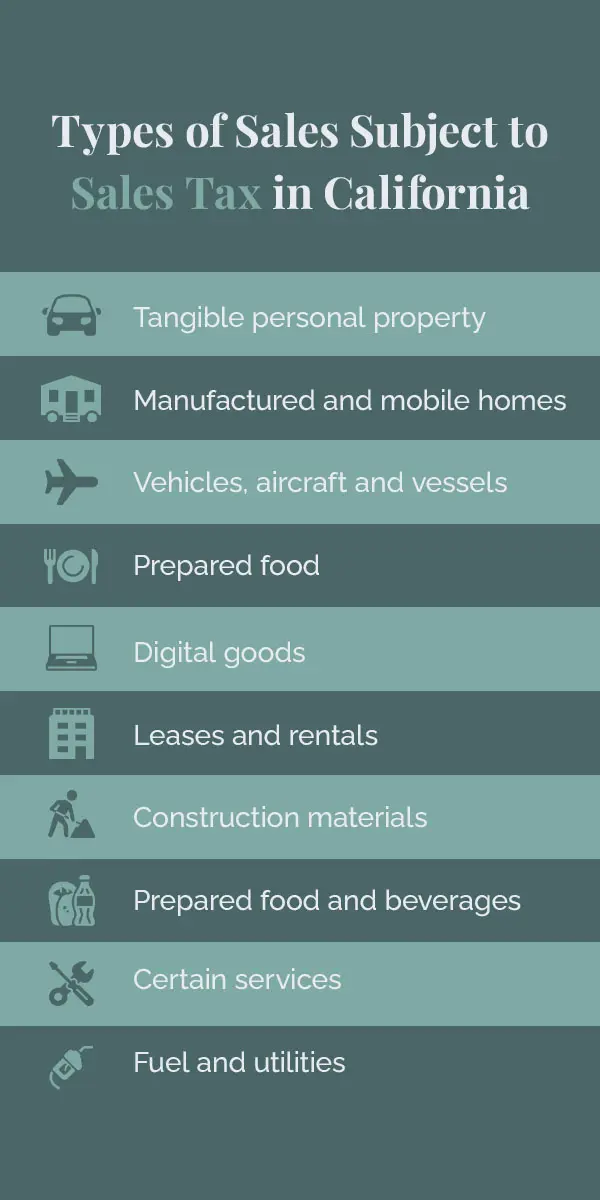
California imposes a state sales and use tax on the retail sale of tangible personal property, which includes automobiles. This tax is levied at the point of sale. If a vehicle is purchased from a dealer, the dealer is responsible for collecting the sales tax and remitting it to the state. If you purchase a vehicle privately, you are generally responsible for paying the use tax directly to the Department of Motor Vehicles (DMV) when you register the vehicle.
State vs. Local Taxes
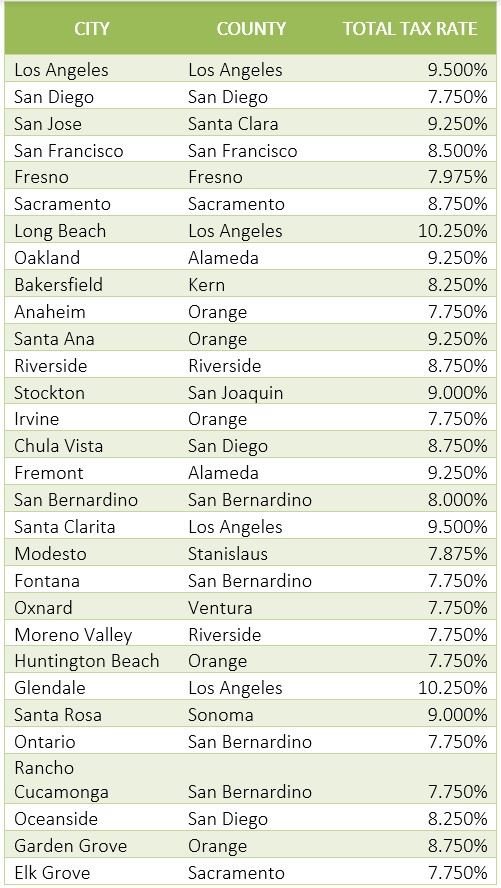
It’s important to note that the sales tax rate in California is not uniform across the state. While there is a base state sales tax rate, it is augmented by district taxes, which vary by county and city. These district taxes are established by local governments to fund various public services, such as transportation, public safety, and education. Therefore, the total sales tax rate you will pay depends on the specific location where the vehicle is delivered or primarily used.
- State Sales Tax Rate: The current statewide base sales tax rate is 7.25%.
- District Taxes: These additional taxes can range from 1% to over 2%, depending on the specific district. For example, a city might have a 1% district tax, while a neighboring city in the same county might have a 1.5% district tax due to different local initiatives.
The combined state and local sales tax rate can therefore fluctuate significantly. The California Department of Tax and Fee Administration (CDTFA) provides resources to look up the applicable tax rate for any given address within the state. When purchasing a car, the rate applied is typically the rate in effect at the dealership’s location or, in some cases, the buyer’s residence, depending on the specific transaction details and agreements. For private party sales, the rate is usually determined by the location where the vehicle will be registered and primarily used.
What is Use Tax?
Use tax is essentially a counterpart to sales tax. It is levied on items purchased outside of California for use within the state, or on items purchased privately within the state where sales tax was not collected by the seller. For instance, if you buy a car from a private party in California, and no sales tax was paid at the time of sale, you will owe use tax to the state when you register the vehicle with the California Department of Motor Vehicles (DMV). The use tax rate is the same as the sales tax rate for the location where the vehicle will be registered. This prevents individuals from avoiding California taxes by purchasing goods out of state.
Calculating Sales Tax on a Vehicle
The sales tax on a car in California is calculated based on the “taxable amount” of the sale. This taxable amount is generally the purchase price of the vehicle, but there are some specific rules and exceptions.
Taxable Amount
For new and used vehicles purchased from a licensed dealer, the taxable amount is typically the gross receipts from the sale. This includes the negotiated price of the vehicle itself. However, certain items may or may not be taxable, and this can vary.
- Add-ons and Accessories: Some dealer-installed options and accessories are considered part of the vehicle and are therefore taxable. Others, if itemized and separately billed, might be exempt. It is always advisable to clarify which items are included in the taxable price before finalizing the purchase.
- Manufacturer Rebates: Manufacturer rebates that reduce the purchase price of the vehicle are generally considered a discount and do not reduce the taxable amount. The sales tax is calculated on the price before the rebate is applied.
- Dealer Discounts: In contrast, a dealer discount that directly reduces the price of the vehicle will reduce the taxable amount. The distinction between a manufacturer rebate and a dealer discount is critical in calculating the final sales tax liability.
Trade-Ins
A significant point of consideration for many car buyers is the treatment of trade-ins. In California, the value of a vehicle traded in towards the purchase of another vehicle reduces the taxable amount of the new vehicle. For example, if you purchase a new car for $30,000 and trade in your old car for $10,000, the sales tax will be calculated on the net difference of $20,000, not the full $30,000. This can lead to substantial savings on sales tax, especially for vehicles with higher trade-in values. The trade-in vehicle does not need to be the same make or model as the one being purchased.
Private Party Sales and Use Tax
When buying a vehicle from a private individual, the sales tax is not collected by the seller. Instead, the buyer is responsible for paying use tax to the DMV when registering the vehicle. The taxable amount for a private party sale is generally the purchase price. However, the DMV may use the “Resale Schedule” (often referred to as the “Red Book” or valuation guides) to determine the fair market value of the vehicle. If the purchase price is significantly lower than the fair market value, the DMV may assess use tax based on the fair market value to prevent tax evasion.
Exemptions and Special Cases
While sales tax applies to most vehicle purchases in California, there are certain exemptions and special circumstances that can affect the tax liability.
Out-of-State Purchases and Use
As mentioned earlier, if you purchase a vehicle outside of California and bring it into the state for use, you will owe use tax. The amount of credit you receive for any sales tax paid in another state depends on the rate paid. California generally provides a credit for sales tax paid to another state, up to the amount of California sales tax due. If you paid a lower rate in another state, you will owe the difference to California. If you paid a higher rate, you typically won’t receive a refund.
New Residents
New residents who move to California and bring their vehicles with them must register those vehicles with the California DMV within 20 days of establishing residency. They are also required to pay any applicable use tax if they have not already paid sales tax at a rate equal to or greater than California’s rate in another state.
Specific Vehicle Types
Certain types of vehicles may have different tax treatments or exemptions:
- Electric Vehicles (EVs) and Hybrids: While these vehicles may qualify for state or federal rebates or tax credits related to their environmental benefits, the sales tax is still generally calculated on the purchase price of the vehicle itself. The tax is not reduced by these green vehicle incentives, similar to manufacturer rebates.
- Classic Cars and Custom Vehicles: The tax treatment of custom-built vehicles or highly modified cars can sometimes be complex. Generally, the tax is applied to the total cost of materials and labor if built from scratch, or the purchase price of the base vehicle plus modifications if a base vehicle is used.
- Gifts and Inheritances: Vehicles received as a bona fide gift or through inheritance are typically exempt from sales and use tax, provided there is no exchange of money or other consideration involved. Proper documentation, such as a notarized affidavit of gift, will be required by the DMV.
Registration Fees vs. Sales Tax
It is vital to distinguish sales tax from other fees associated with vehicle ownership in California. The DMV collects various fees for vehicle registration, including:
- Registration Fee: A base fee for registering your vehicle.
- Vehicle License Fee (VLF): This fee is based on the value of your vehicle and is often referred to as “vehicle tax.” However, it is not a sales tax; it’s an annual fee. The VLF is calculated annually based on the market value of the vehicle when it was new, depreciating over time.
- County and District Fees: Additional fees may be added depending on the county and its specific transportation initiatives.
These registration fees are separate from and in addition to the sales tax paid at the time of purchase. Understanding this distinction is key to a comprehensive financial picture of car ownership in California.
Planning Your Purchase
When planning to purchase a vehicle in California, it is highly recommended to:
- Determine the Applicable Sales Tax Rate: Use the CDTFA’s tools or consult with the dealership to ascertain the correct sales tax rate for your specific location.
- Factor in Trade-In Value: If you have a vehicle to trade in, get an accurate appraisal beforehand to understand how it will impact the taxable amount.
- Clarify All Fees: Ensure you understand all the fees being charged by the dealership, especially regarding add-ons and accessories, and how they affect the taxable base.
- Budget Accordingly: Add the estimated sales tax to the purchase price of the vehicle to arrive at a realistic total cost.
By being well-informed about California’s sales tax laws and regulations, you can navigate the car-buying process with greater confidence and avoid any unwelcome surprises.
LifeOutOfTheBox is a participant in the Amazon Services LLC Associates Program, an affiliate advertising program designed to provide a means for sites to earn advertising fees by advertising and linking to Amazon.com. Amazon, the Amazon logo, AmazonSupply, and the AmazonSupply logo are trademarks of Amazon.com, Inc. or its affiliates. As an Amazon Associate we earn affiliate commissions from qualifying purchases.