
California, a state renowned for its glittering coastlines, iconic theme parks like Disneyland Park, and vibrant cultural hubs, also presents a complex financial landscape for its residents. Among the various regulations designed to protect consumers, understanding debt and credit is paramount. While there isn’t a single, overarching piece of legislation officially titled “The Consumer Debt Act,” California has a robust framework of laws and regulations that collectively govern consumer debt, lending practices, and consumer rights. These laws aim to foster fair lending, prevent predatory practices, and empower individuals to manage their financial obligations effectively.
Understanding California’s Consumer Protection Framework
California’s approach to consumer debt is multifaceted, drawing from state statutes and federal laws that are often enhanced or clarified by California-specific provisions. This framework addresses various aspects of consumer credit, from the initial disclosure of loan terms to the procedures for debt collection and relief. The goal is to ensure transparency, prevent exploitation, and provide avenues for recourse when financial practices are deemed unfair or illegal.
Key Legislation and Principles
While a singular “Consumer Debt Act” doesn’t exist, several key legislative acts and principles underpin consumer debt regulation in California. These include:
- Unruh Civil Rights Act: Although primarily a civil rights law, it has been interpreted to apply to discriminatory lending practices. This means that lenders cannot discriminate based on protected characteristics when offering credit.
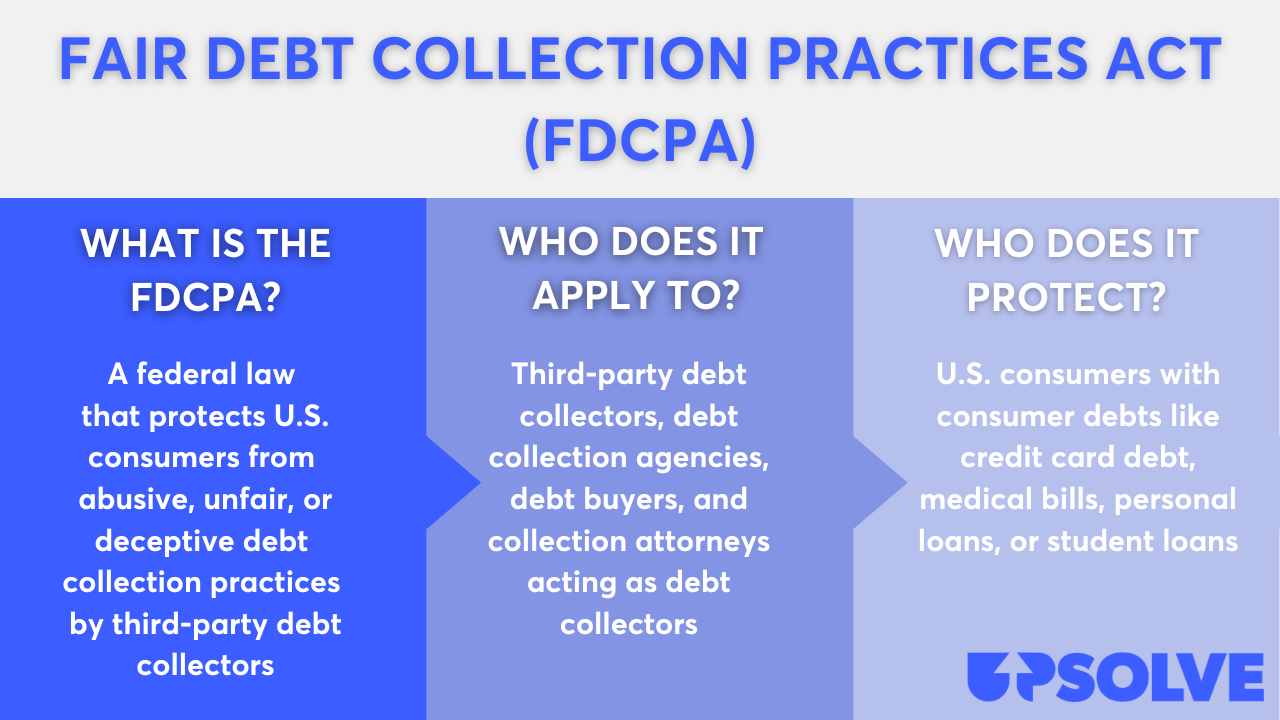
- Fair Debt Collection Practices Act (FDCPA): This federal law, which California has its own version of (often mirroring or expanding upon federal protections), sets strict guidelines for third-party debt collectors. It prohibits abusive, deceptive, and unfair debt collection practices.
- Consumer Credit Reporting Agencies Act: This California law governs how credit reporting agencies collect, maintain, and disseminate consumer credit information. It ensures accuracy and provides consumers with rights to dispute inaccurate information.
- Truth in Lending Act (TILA): A federal law that requires lenders to disclose key terms and costs of credit to consumers in a standardized format, allowing for easier comparison of different loan offers. California law often supplements these disclosures.
- California Consumer Financial Protection Law: This legislation, enacted in recent years, aims to create a more comprehensive regulatory environment for financial products and services, with a focus on protecting consumers from unfair, deceptive, or abusive practices.
These laws, working in concert, create a regulatory environment designed to safeguard consumers from predatory lending and abusive collection tactics. They ensure that consumers have access to clear information about the credit they obtain and have recourse if their rights are violated.
The Role of the Department of Financial Protection and Innovation (DFPI)
In California, the Department of Financial Protection and Innovation (DFPI) plays a crucial role in overseeing financial institutions and enforcing consumer protection laws. The DFPI licenses and regulates a wide array of financial services providers, including banks, credit unions, mortgage lenders, and debt collectors. It investigates consumer complaints, takes enforcement actions against violators, and educates the public about their financial rights and responsibilities.
The DFPI’s authority extends to enforcing laws related to:
- Lending Practices: Ensuring fair and transparent lending, including disclosures, interest rates, and fees.
- Debt Collection: Investigating complaints of harassment, misrepresentation, or illegal tactics by debt collectors.
- Credit Reporting: Addressing inaccuracies or improper use of consumer credit information.
- Financial Scams: Protecting consumers from fraudulent financial schemes.
Through its regulatory and enforcement powers, the DFPI acts as a vital guardian for Californians navigating the complexities of consumer debt.
Understanding Debt Collection Practices in California
One of the most critical areas of consumer debt law concerns how debts are collected. California has specific provisions, often building upon federal protections, that dictate the conduct of debt collectors. These regulations are designed to prevent undue pressure and harassment while allowing legitimate debt recovery.
Rights of Consumers During Debt Collection
Under California law, consumers have a clear set of rights when dealing with debt collectors. These rights are crucial for protecting individuals from abusive practices and ensuring fair treatment.
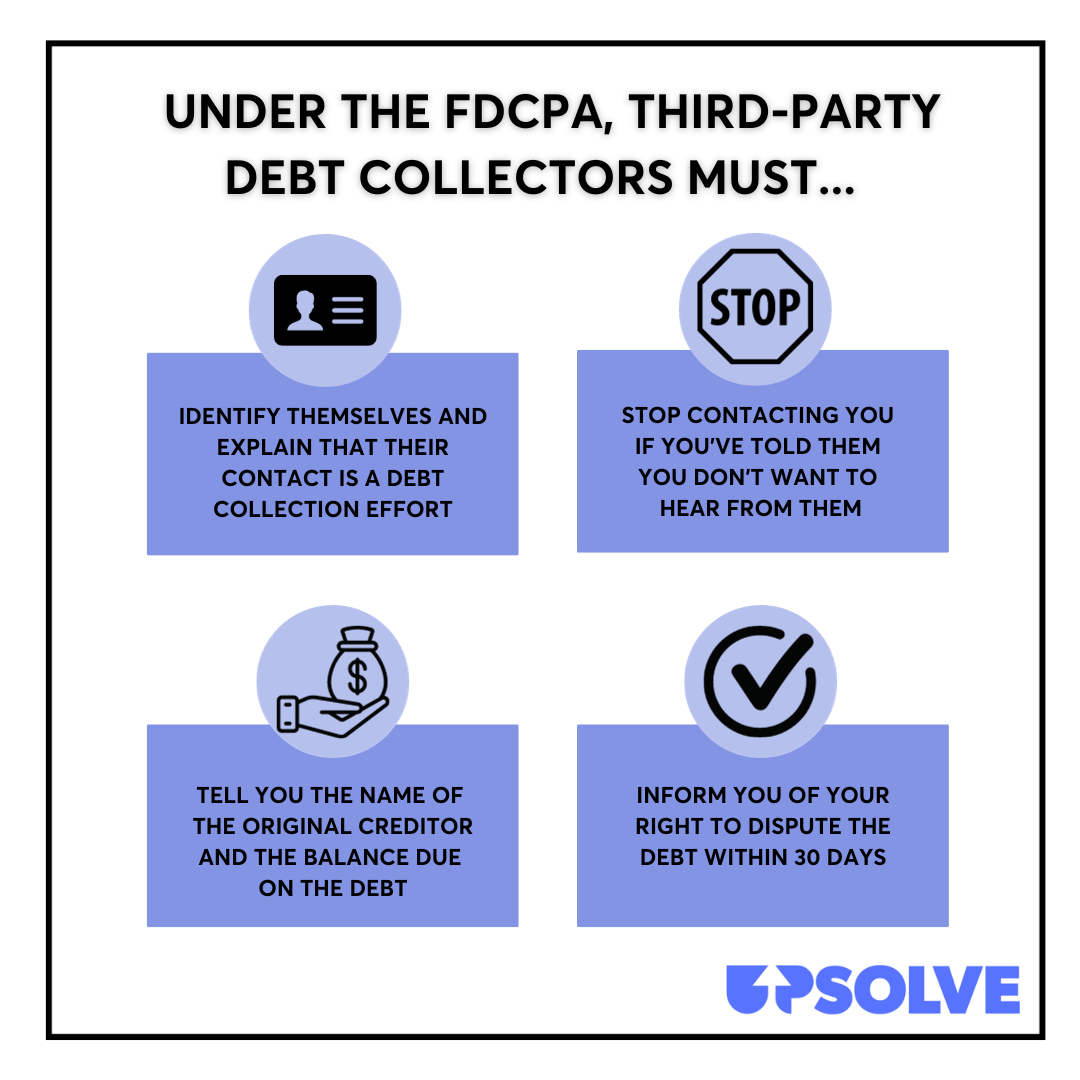
- Right to Validation: Consumers have the right to request validation of a debt. This means a debt collector must provide proof that the debt is valid and that they have the legal right to collect it. If validation is not provided, the collector must cease collection efforts.
- Prohibition of Harassment: Debt collectors are prohibited from engaging in any conduct the natural consequence of which is to harass, oppress, or abuse any person in connection with the collection of any debt. This includes actions such as repeated phone calls intended to annoy or alarm, using threats of violence, or publishing a list of debtors.
- Prohibition of False or Misleading Representations: Collectors cannot use false or misleading statements to collect a debt. This includes misrepresenting the amount owed, falsely claiming to be an attorney or government representative, or threatening legal action that cannot or will not be taken.
- Restrictions on Communication: There are specific rules about when and how debt collectors can contact consumers. For instance, they generally cannot contact a consumer at inconvenient times (e.g., before 8 a.m. or after 9 p.m.) or at their place of employment if they know or have reason to know that the consumer’s employer prohibits such communication.
- Cease and Desist Communication: A consumer can formally request that a debt collector cease all communication. Once this request is made in writing, the collector can only contact the consumer to inform them of specific actions they intend to take, such as filing a lawsuit.
When Debt Collectors Cross the Line
When debt collectors violate these established rules, consumers have options for recourse. The DFPI investigates complaints of abusive debt collection practices. Additionally, consumers may have grounds to file a lawsuit against a debt collector for violations of federal and state laws. Successful lawsuits can result in damages awarded to the consumer, including actual damages, statutory damages, and attorney’s fees.
Navigating Credit Reporting and Disputes
The accuracy of credit reports is fundamental to a consumer’s financial well-being, impacting everything from loan applications to rental agreements. California laws, in conjunction with federal regulations, provide consumers with rights and remedies concerning their credit information.
Understanding Credit Reports and Scores
Credit reports are detailed summaries of an individual’s credit history, compiled by credit reporting agencies such as Equifax, Experian, and TransUnion. These reports include information on:
- Credit Accounts: Details of credit cards, loans, and mortgages, including balances, payment history, and credit limits.
- Public Records: Information on bankruptcies, judgments, and tax liens.
- Inquiries: Records of who has accessed your credit report.
A credit score, such as a FICO score or VantageScore, is a numerical representation derived from the information in your credit report, indicating your creditworthiness.
The Right to Access and Dispute Information
California consumers have the right to access their credit reports regularly. The Fair Credit Reporting Act (FCRA) mandates that consumers are entitled to a free credit report from each of the three major credit bureaus annually, accessible through AnnualCreditReport.com.
If a consumer finds any inaccuracies on their credit report, they have the right to dispute this information. The process typically involves:
- Contacting the Credit Reporting Agency: Submitting a written dispute detailing the inaccurate information and providing supporting documentation.
- Investigation: The credit reporting agency must investigate the dispute, usually within 30 days, and communicate with the furnisher of the information.
- Correction or Removal: If the information is found to be inaccurate, incomplete, or can no longer be verified, it must be corrected or removed from the report.
- Notification: The consumer must be notified of the results of the investigation.
Furthermore, the California Consumer Privacy Act (CCPA) and its successor, the California Privacy Rights Act (CPRA), also grant consumers more control over their personal information, including financial data. These acts allow individuals to request that businesses delete their personal information and opt out of the sale of their personal information.
Seeking Relief and Assistance for Debt
For Californians struggling with overwhelming debt, various avenues of relief and assistance are available. These range from debt management programs to bankruptcy, offering pathways to regaining financial stability.
Debt Management and Counseling
Non-profit credit counseling agencies can offer valuable assistance to individuals facing debt challenges. These agencies, often accredited and regulated, provide:
- Budgeting Assistance: Helping consumers create realistic budgets to manage their income and expenses.
- Debt Management Plans (DMPs): Negotiating with creditors on behalf of consumers to potentially lower interest rates, waive fees, and consolidate monthly payments into a single, manageable payment. While not a “Consumer Debt Act” provision, DMPs are a common recourse facilitated by credit counseling organizations.
- Financial Education: Providing resources and education to improve financial literacy and prevent future debt problems.
It is crucial to select reputable credit counseling agencies. Look for those accredited by organizations like the Council on Accreditation (COA) and those that are transparent about their fees and services.
Bankruptcy as a Last Resort
For individuals whose debt burden is insurmountable, federal bankruptcy laws provide a legal framework for debt relief. In California, individuals can file for bankruptcy under Chapter 7 or Chapter 13.
- Chapter 7 Bankruptcy: This process involves the liquidation of non-exempt assets to pay creditors. Most unsecured debts, such as credit card debt and medical bills, are discharged.
- Chapter 13 Bankruptcy: This is a reorganization bankruptcy where individuals with regular income can create a plan to repay a portion of their debts over three to five years.
Navigating bankruptcy requires careful consideration and often professional legal assistance. Consulting with a bankruptcy attorney in California is highly recommended to understand the implications and ensure compliance with all legal requirements.
Conclusion: Empowering Consumers in California
While no single “Consumer Debt Act” governs all aspects of debt in California, the state’s comprehensive legal landscape, augmented by federal protections, provides a robust framework for consumer financial rights. From stringent rules on debt collection and credit reporting to avenues for financial counseling and bankruptcy, California endeavors to protect its residents from predatory practices and empower them to make informed financial decisions. Understanding these rights and available resources is the first step toward navigating the complexities of consumer debt and achieving financial well-being.
LifeOutOfTheBox is a participant in the Amazon Services LLC Associates Program, an affiliate advertising program designed to provide a means for sites to earn advertising fees by advertising and linking to Amazon.com. Amazon, the Amazon logo, AmazonSupply, and the AmazonSupply logo are trademarks of Amazon.com, Inc. or its affiliates. As an Amazon Associate we earn affiliate commissions from qualifying purchases.