
The Golden State, a land of diverse landscapes stretching from the sun-drenched beaches of the Pacific coast to the rugged peaks of the Sierra Nevada mountains, is also unfortunately prone to devastating wildfires. These infernos, often fueled by dry vegetation, high winds, and prolonged drought conditions, can scar landscapes, threaten communities, and leave an indelible mark on California’s history and natural beauty. When we speak of the “largest fire in California,” we are referring to the magnitude of destruction measured by acres burned. Understanding these colossal events is crucial not only for historical context but also for appreciating the ongoing challenges of wildfire management and prevention in the state.
While the term “largest” can be interpreted in various ways, such as the single largest fire event or the cumulative acreage burned across multiple fires in a single year, the focus here will be on identifying the single, most extensive wildfire event recorded in California’s history. This perspective allows for a deep dive into the impact and scale of such an event, offering insights into the forces at play and the long-term consequences.
Defining the Scale: Acres Burned and Historic Events
California has witnessed numerous large-scale fires throughout its recorded history. The definition of “largest” is typically quantifiable by the total acreage consumed by the flames. This metric provides a standardized way to compare the impact of different fire events. Over the decades, several fires have vied for the title of the largest, each leaving a significant footprint on the state’s wildlands and, in many cases, its communities.
The intensity of these fires is often a product of a confluence of factors: critically dry fuels accumulated over years of drought, Santa Ana winds that can rapidly spread embers over vast distances, and the sheer size of the wildland-urban interface, where human settlements meet natural environments. Understanding the historical context of these fires is not merely an academic exercise; it informs current land management strategies, building codes in fire-prone areas, and public awareness campaigns.
The Record Holder: The August Complex Fire
The undisputed record holder for the largest single wildfire in California history is the August Complex Fire. This complex of fires, which ignited in August 2020 in the Mendocino National Forest, eventually merged and grew to an astonishing size. The final reported acreage for the August Complex was approximately 1.03 million acres. This figure is almost incomprehensible, encompassing an area larger than many small countries.
The August Complex was not a single ignition point but rather a series of lightning-caused fires that, under challenging conditions, coalesced into a massive, interconnected inferno. Its sheer scale meant that it burned across multiple counties, including Mendocino, Humboldt, Trinity, Tehama, and Glenn. The complexity of managing such a widespread event, with numerous fire fronts and varied terrain, presented unprecedented logistical and tactical challenges for firefighters from across the nation.
The Environmental and Social Impact
The environmental impact of the August Complex was profound. Vast tracts of old-growth forests, critical habitats for numerous species, were devastated. The smoke generated by the fire blanketed much of Northern California and even drifted across the country, affecting air quality and public health for millions. The long-term ecological consequences, including soil erosion, changes in water quality in affected watersheds, and the impact on biodiversity, will be felt for decades to come.
Socially, the August Complex displaced communities, destroyed homes and infrastructure, and threatened livelihoods. The economic impact, from the cost of suppression efforts to the loss of timber and the disruption of local economies, was substantial. The fire underscored the vulnerability of communities situated in the wildland-urban interface and highlighted the need for enhanced preparedness and resilient infrastructure.
Notable Contenders: Other Monumental Fires
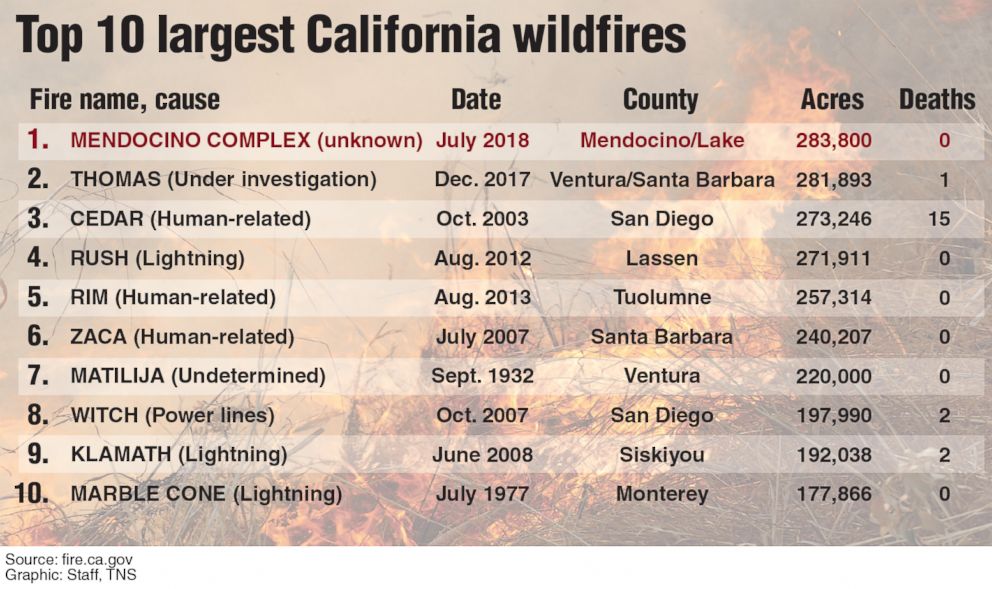
While the August Complex stands alone in its acreage, California has experienced other fires that have approached or exceeded the 500,000-acre mark, each a significant event in its own right. These fires serve as stark reminders of the state’s fire-prone nature and the increasing severity of wildfire seasons.
The Dixie Fire
The Dixie Fire, which burned in 2021, was at one point California’s largest single-source wildfire, before being surpassed by the August Complex’s eventual combined acreage. It scorched over 963,000 acres, primarily in Butte County and surrounding areas. The Dixie Fire was notorious for its rapid spread and intense heat, which led to the destruction of the historic town of Cresta. It also highlighted the challenges of fighting fires in steep, rugged terrain, often in remote locations, making access and containment exceptionally difficult. The impact on the Feather River Canyon and its ecosystems was substantial.
The Mendocino Complex Fire
Before the August Complex, the Mendocino Complex Fire held the record for the largest wildfire in California history. Igniting in July 2018, this complex of two fires, the River Fire and the Ranch Fire, burned a combined total of over 459,000 acres in Mendocino and Lake Counties. The Ranch Fire, in particular, was a monstrous blaze that demonstrated the destructive power of wind-driven fires in dense chaparral and timber fuels. The fire swept through vast areas of wilderness, impacting communities and natural resources alike.

The Thomas Fire
The Thomas Fire, which raged in December 2017, was one of the most destructive wildfires in California’s modern history, burning over 281,000 acres across Ventura County and Santa Barbara County. This fire was characterized by its extreme intensity and rapid movement, exacerbated by ferocious Santa Ana winds. The Thomas Fire destroyed over 1,000 structures and remains one of the most devastating fires in terms of property loss and community impact in the southern part of the state. Its proximity to densely populated coastal areas made evacuation and containment incredibly challenging.
Factors Contributing to Extreme Wildfire Events
The emergence of these colossal fires is not a random occurrence but rather a symptom of complex environmental and climatic shifts. Understanding the underlying factors is crucial for developing effective mitigation and adaptation strategies.
Climate Change and Drought
The most significant driver behind the increasing frequency and intensity of large wildfires in California is climate change. Rising global temperatures lead to hotter, drier conditions across the state. This exacerbates existing drought cycles, turning forests and brushlands into tinderboxes. Prolonged periods of reduced precipitation, coupled with increased evaporation due to higher temperatures, create fuel loads that are exceptionally susceptible to ignition and rapid spread. The intensity and duration of California’s droughts have been increasing, creating a fertile ground for megafires.
Fuel Accumulation and Forest Management
Decades of aggressive fire suppression policies have, in some cases, led to an unnatural accumulation of fuels in California’s forests. Historically, frequent, low-intensity ground fires cleared out undergrowth and smaller trees. When these natural fire cycles are interrupted, dead vegetation, fallen branches, and dense understory can build up, creating a ladder for flames to climb into the forest canopy, leading to more intense and destructive crown fires. Modern forest management increasingly focuses on prescribed burns and strategic thinning to reduce fuel loads and restore more natural fire regimes.
Wind Events and Topography
The unique geography of California plays a critical role in wildfire behavior. Steep canyons and mountainous terrain can funnel winds and accelerate fire spread. Powerful offshore wind events, such as the Santa Ana winds in Southern California and the Diablo winds in Northern California, are notorious for their ability to rapidly fan flames and push fires into populated areas with little warning. These wind events, often occurring during dry periods, are a recipe for disaster when combined with abundant dry fuels.
The Future of Wildfire Management in California
The era of megafires has undeniably arrived in California. The sheer scale of events like the August Complex underscores the need for a paradigm shift in how the state approaches wildfire. This involves a multi-faceted strategy encompassing prevention, response, and long-term land management.
Enhanced Fire Prevention and Preparedness
Preventing fires from igniting in the first place is paramount. This includes public education campaigns about campfire safety and the responsible use of equipment, as well as rigorous enforcement of regulations during high-risk periods. Investments in early detection systems, such as watchtowers and aerial surveillance, are also critical. Moreover, communities in the wildland-urban interface must prioritize defensible space around homes and structures and utilize fire-resistant building materials.
Modernizing Firefighting Resources and Strategies
The immense scale of modern wildfires requires advanced firefighting capabilities. This includes investing in a larger, better-equipped, and more mobile firefighting workforce. The use of technology, such as sophisticated weather modeling, advanced mapping, and unmanned aerial vehicles (drones) for reconnaissance and even suppression, is becoming increasingly important. Collaboration between federal, state, and local agencies, as well as international partners, is essential for coordinating the response to large-scale incidents.

Long-Term Ecological Restoration and Resilience
Beyond immediate suppression, long-term strategies must focus on restoring ecological resilience. This involves reintroducing controlled burns where appropriate to mimic natural fire cycles, thinning dense forests to reduce fuel loads, and promoting the growth of more fire-resistant vegetation. The goal is to create landscapes that are less susceptible to catastrophic fires and can recover more effectively when fires do occur. This also entails a commitment to replanting and habitat restoration in burned areas, considering biodiversity and watershed health.
In conclusion, the question of the largest fire in California points to the August Complex Fire as the current record holder by acreage. However, it also serves as a critical indicator of a changing landscape where increasingly severe wildfires are becoming the norm. Understanding these monumental events, their causes, and their impacts is vital for shaping a more resilient future for the Golden State.
LifeOutOfTheBox is a participant in the Amazon Services LLC Associates Program, an affiliate advertising program designed to provide a means for sites to earn advertising fees by advertising and linking to Amazon.com. Amazon, the Amazon logo, AmazonSupply, and the AmazonSupply logo are trademarks of Amazon.com, Inc. or its affiliates. As an Amazon Associate we earn affiliate commissions from qualifying purchases.