
Understanding the climate of Oakland California is fundamental for anyone planning a visit, whether for leisure, business, or simply to explore the vibrant culture of the San Francisco Bay Area. While the immediate thought might be a simple numerical answer, the reality is far more nuanced, influenced by a confluence of geographical factors and the pervasive maritime influence of the Pacific Ocean. Oakland’s temperatures are not static; they ebb and flow with the seasons, time of day, and even subtle microclimates within the city itself.
Understanding Oakland’s Mediterranean Climate
Oakland, California benefits from a classic Mediterranean climate, characterized by mild, wet winters and warm, dry summers. This climate type is largely dictated by its coastal proximity. The vast expanse of the Pacific Ocean acts as a significant moderator, preventing extreme temperature fluctuations that might be experienced in inland locations at similar latitudes.
Winter in Oakland: Mild and Moist
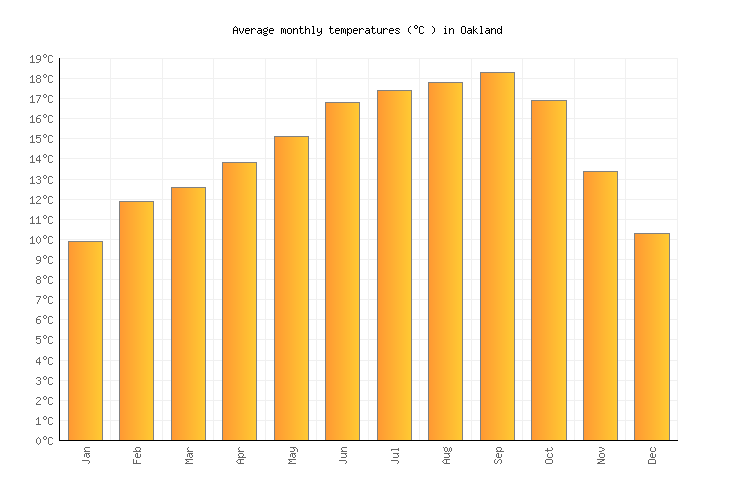
During the winter months, typically from November through March, Oakland experiences its rainy season. Temperatures are generally cool but rarely reach freezing. Average daytime highs often hover in the mid-50s Fahrenheit (around 12-14 degrees Celsius), while nighttime lows can dip into the 40s Fahrenheit (4-9 degrees Celsius). While frost is uncommon, especially in areas closer to the bay, higher elevations in the Oakland Hills might occasionally see frost. The rainfall, while characteristic of the Mediterranean climate, can vary significantly year to year, impacting water resources for the entire region. This period is ideal for enjoying indoor attractions, exploring museums like the Oakland Museum of California, or indulging in the city’s diverse culinary scene without the intense heat of summer.
Spring in Oakland: A Gentle Transition
Spring, from April to June, marks a pleasant transition. The rainfall gradually diminishes, and the temperatures begin to climb. Early spring can still feel cool and breezy, especially in the mornings and evenings, with daytime highs typically in the 60s Fahrenheit (15-20 degrees Celsius). As spring progresses into May and June, the weather becomes warmer and sunnier, with temperatures often reaching the upper 60s and low 70s Fahrenheit (20-23 degrees Celsius). This is a beautiful time to explore Oakland, with blooming flowers and a general sense of reawakening in the parks and along the waterfront. Outdoor activities become increasingly appealing, from strolling through Lake Merritt to enjoying the vibrant street art.
Summer in Oakland: Warm, Dry, and Often Breezy
Summers in Oakland, from July through September, are characterized by warmth and dryness. However, a defining feature of Oakland’s summer is the prevalent marine layer that often rolls in from the Pacific Ocean, particularly in the mornings and late afternoons. This marine influence can keep temperatures cooler near the bayfront and in western parts of the city, often in the 70s Fahrenheit (21-26 degrees Celsius), while inland and higher elevation areas can experience significantly warmer temperatures, sometimes reaching the 80s and even 90s Fahrenheit (27-35 degrees Celsius). This creates a distinct microclimate within the city. The fog can burn off by mid-morning in many areas, leading to sunny and pleasant afternoons, but the cool, moist air often returns in the evening. This pattern makes summer a comfortable time to visit, with the caveat that dressing in layers is highly recommended. Experiencing a baseball game at the Oakland Coliseum or attending an outdoor festival requires preparedness for varying conditions.
Autumn in Oakland: Indian Summer and Cooler Air
Autumn, from October to November, often brings what is referred to as an “Indian Summer” to Oakland. The marine layer tends to recede, and inland areas can experience some of the warmest temperatures of the year, often mirroring late summer. Daytime highs can frequently be in the 70s and even low 80s Fahrenheit (21-28 degrees Celsius). However, as the season progresses, the influence of cooler air masses from the north and the return of precipitation increase. The crispness of autumn air, combined with pleasant temperatures, makes this a particularly enjoyable time for exploring attractions like the Jack London Square or taking scenic drives through the Redwood Regional Park.
Factors Influencing Oakland’s Temperature
Several key factors contribute to the specific temperature profiles experienced in Oakland, California, making it distinct from neighboring cities or regions. Understanding these elements provides a deeper appreciation for the local climate.
The Marine Layer and Pacific Ocean Influence
The most significant influence on Oakland’s temperature is the marine layer originating from the Pacific Ocean. During the summer months, cool, moist air from the ocean is drawn inland by temperature differentials. This cooler air often blankets the western parts of the San Francisco Bay Area, including much of Oakland. The fog and low-lying clouds associated with the marine layer act as a natural air conditioner, moderating summer temperatures. This effect is less pronounced in the mornings and evenings, and it dissipates more quickly in areas further from the coast or at higher elevations. The presence of the San Francisco Bay itself also plays a role, creating a localized cooling effect along its shoreline.
Topography and Microclimates
Oakland’s topography is varied, ranging from flat, low-lying areas near the bay to the rolling Oakland Hills to the east. This geographical diversity creates distinct microclimates within the city. Areas closer to the bay tend to be cooler year-round, benefiting more directly from the marine influence. Conversely, areas situated in the Oakland Hills and further inland often experience hotter summers and potentially cooler winter nights due to less direct maritime moderation and higher altitudes. For instance, a summer day might see temperatures in the 70s Fahrenheit (around 21-26 degrees Celsius) in Jack London Square, while just a few miles east in the hills, temperatures could easily reach the high 80s or low 90s Fahrenheit (30-35 degrees Celsius).
Urban Heat Island Effect
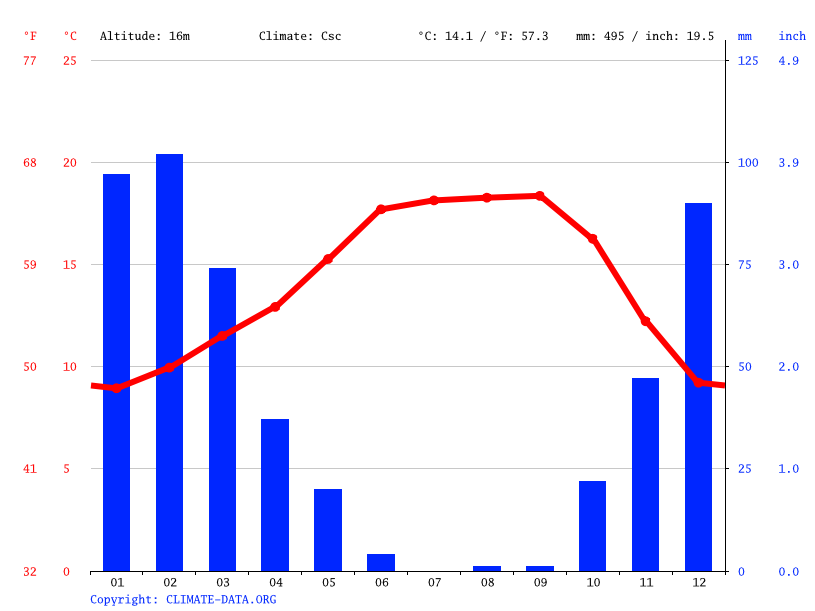
Like many urban centers, Oakland experiences the urban heat island effect to some degree. The proliferation of concrete, asphalt, and buildings absorbs and retains more heat than natural landscapes. This means that densely populated and built-up areas within the city may register slightly higher temperatures, particularly at night, compared to surrounding less developed or greener areas. While the marine influence often mitigates this effect compared to purely inland cities, it is a contributing factor to temperature variations across different neighborhoods.
Average Monthly Temperatures and Seasonal Variations
To provide a more precise understanding of the temperature in Oakland, California, it is helpful to examine average monthly temperatures. These averages offer a general guideline, but it is always wise to check the specific forecast for your travel dates.
Winter (December – February)
- Average High: 55-59°F (13-15°C)
- Average Low: 42-46°F (5-8°C)
- Characteristics: Mild, rainy, cooler evenings. Ideal for indoor exploration and enjoying cozy cafes.
Spring (March – May)
- Average High: 60-70°F (16-21°C)
- Average Low: 45-51°F (7-11°C)
- Characteristics: Warming trend, diminishing rainfall, pleasant days, cooler mornings/evenings. Excellent for outdoor activities.
Summer (June – August)
- Average High: 70-77°F (21-25°C) (Note: inland areas can be significantly hotter)
- Average Low: 53-57°F (12-14°C)
- Characteristics: Warm, dry, often foggy mornings, sunny afternoons. Layers are essential.
Autumn (September – November)
- Average High: 68-77°F (20-25°C) (Often includes “Indian Summer” peaks)
- Average Low: 48-54°F (9-12°C)
- Characteristics: Warm to mild, drier period followed by a return to cooler, wetter conditions. Beautiful foliage in some areas.
Planning Your Visit: Temperature Considerations
When planning a trip to Oakland, California, understanding the temperature is crucial for packing appropriately and scheduling activities.
Packing Essentials Based on Season
- Winter: Bring a waterproof jacket, umbrella, sweaters, long-sleeved shirts, and comfortable walking shoes.
- Spring: Pack light jackets, sweaters, long pants, and short-sleeved shirts. Comfortable walking shoes are a must.
- Summer: Essential items include light layers such as t-shirts, tank tops, a light jacket or cardigan for cooler evenings and foggy mornings, and comfortable walking shoes. Don’t forget sun protection.
- Autumn: Similar to spring, pack layers. A light to medium jacket, sweaters, long pants, and comfortable shoes will serve you well.

Temperature and Activities
The temperature directly influences the types of activities best suited for your visit. For instance, a warm, dry summer day is perfect for exploring Lake Merritt or enjoying an outdoor concert, while a cooler, misty winter morning might be ideal for visiting the Oakland Museum of California or browsing the shops at Jack London Square. The mild temperatures throughout much of the year make Oakland a year-round destination, with each season offering its unique charm and opportunities for exploration. Always check the local weather forecast shortly before your departure for the most accurate information to ensure a comfortable and enjoyable experience in this dynamic California city.
LifeOutOfTheBox is a participant in the Amazon Services LLC Associates Program, an affiliate advertising program designed to provide a means for sites to earn advertising fees by advertising and linking to Amazon.com. Amazon, the Amazon logo, AmazonSupply, and the AmazonSupply logo are trademarks of Amazon.com, Inc. or its affiliates. As an Amazon Associate we earn affiliate commissions from qualifying purchases.