
Understanding the current time in USA California is more than just a fleeting curiosity; it’s a crucial element for anyone planning a trip, coordinating with locals, or simply appreciating the vastness and diversity of this iconic state. California, stretching across a significant portion of the U.S. West Coast, operates under a single time zone, but its sheer geographical spread can sometimes lead to questions, especially when daylight saving shifts occur. This guide delves into the intricacies of California’s time zone, its implications for travelers, and how to always stay on schedule.
Understanding Pacific Time
California observes the Pacific Time Zone (PT), which is UTC-8 during standard time and UTC-7 during daylight saving time. This means that when it is 12:00 PM (noon) Pacific Standard Time (PST), it is 8:00 PM Coordinated Universal Time (UTC). During Daylight Saving Time, known as Pacific Daylight Time (PDT), when it is 12:00 PM Pacific, it is 7:00 PM UTC.
Standard Time vs. Daylight Saving Time
The observance of daylight saving time in California is a critical factor in determining the exact time. The state, like most of the United States, begins daylight saving time on the second Sunday in March and ends on the first Sunday in November. During these periods, clocks are moved forward one hour. This shift ensures that daylight is maximized during the warmer, longer months, a practice rooted in energy conservation efforts.
- Pacific Standard Time (PST): Observed from early November to early March. This is the baseline time for the state.
- Pacific Daylight Time (PDT): Observed from early March to early November. During this period, clocks are set one hour ahead of PST.
It is essential for any visitor or business engaging with California to be aware of these shifts, as miscalculations can lead to missed flights, appointments, or simply a feeling of disorientation. Many online resources and smartphone applications automatically adjust for daylight saving time, but a foundational understanding is always beneficial.
Geographical Considerations
While the entire state of California adheres to the Pacific Time Zone, the vast north-south expanse means that when it’s sunrise in San Diego, it’s still quite early in Eureka. However, for all practical purposes and scheduling, the single time zone simplifies matters considerably compared to states with multiple time zones. This uniformity is a significant advantage for businesses operating statewide and for travelers moving between different Californian cities.
Navigating Time Differences for Travelers
For those planning a trip to California, understanding the local time is paramount for seamless travel planning. Whether you’re flying into Los Angeles International Airport (LAX), San Francisco International Airport (SFO), or any other major hub, knowing the current time helps in scheduling your arrival, transfers, and initial activities.
International Travel and Time Zones
When traveling from overseas, the time difference can be substantial. For instance, someone traveling from London, which observes Greenwich Mean Time (GMT) or British Summer Time (BST), will experience a significant shift. A 9-hour difference exists between PST and GMT, and an 8-hour difference between PDT and BST. This can lead to jet lag, so adjusting your watch upon arrival and exposing yourself to natural light at appropriate times can aid in acclimatization.
Domestic Travel within the USA
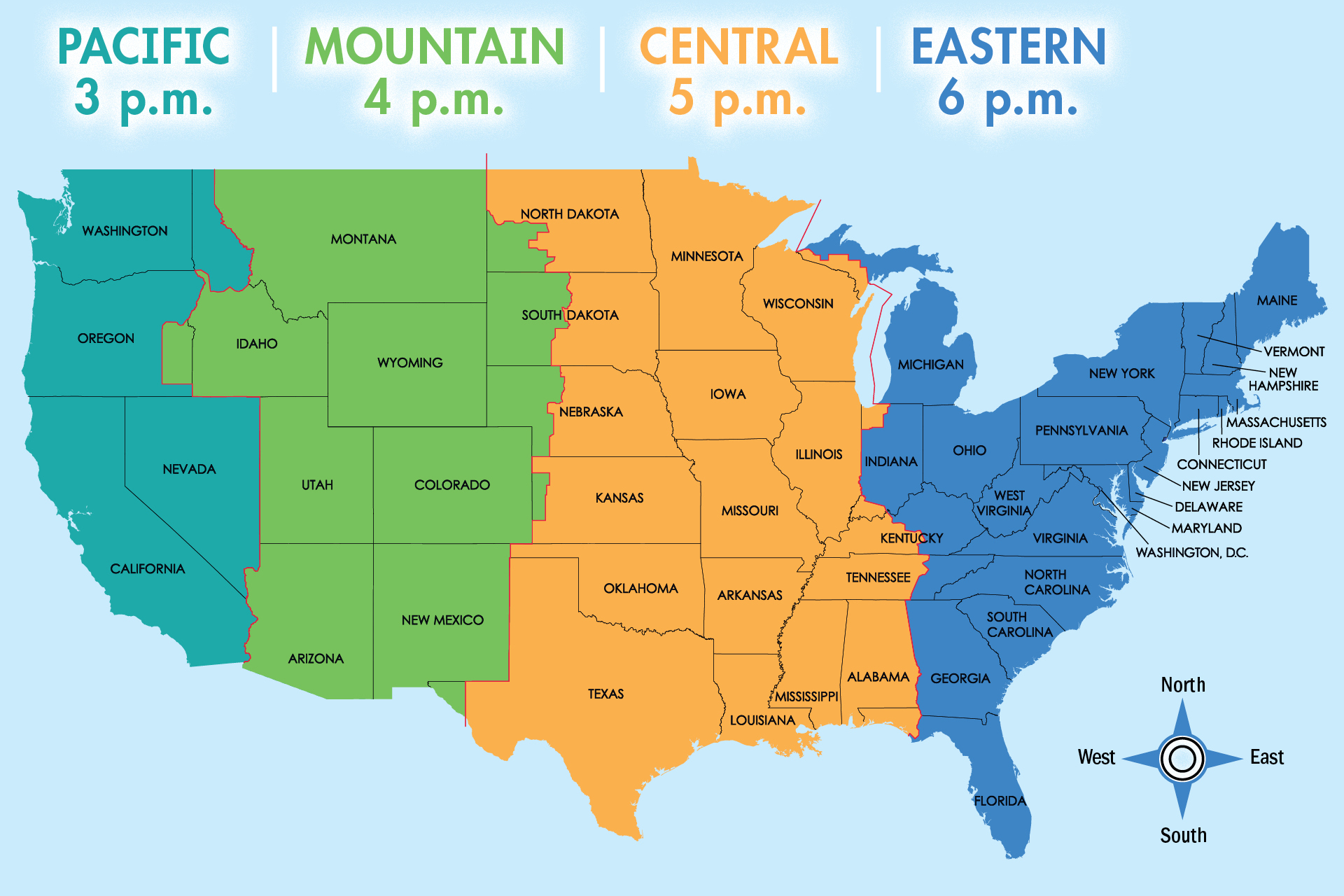
Within the United States, the time differences are more manageable but still require attention. Traveling from the East Coast, which observes Eastern Time (ET), means a 3-hour difference. For example, if it’s 3:00 PM EST on the East Coast, it’s 12:00 PM PST in California. Conversely, traveling from states observing Mountain Time (MT) means a 2-hour difference. Being mindful of these discrepancies is crucial for booking connecting flights, making dinner reservations, or coordinating meet-ups with friends and family.
Local Transportation and Activities
When you land in California, your immediate concern might be arranging transportation to your accommodation, perhaps a stay at the Beverly Hills Hotel or a boutique inn in Napa Valley. Understanding the local time helps in booking shuttles, ride-shares, or rental cars efficiently. Furthermore, many popular attractions, such as Disneyland Park in Anaheim or the Golden Gate Bridge in San Francisco, have specific operating hours. Knowing the current time ensures you can plan your visits to maximize your experience and avoid arriving after closing.
Time-Sensitive Attractions and Experiences
California is renowned for its diverse attractions, many of which have specific operating hours dictated by the local time. From world-class theme parks to natural wonders and cultural institutions, timing your visit can significantly enhance your experience.
Theme Parks and Entertainment Venues
Major theme parks like Universal Studios Hollywood and Knott’s Berry Farm in Southern California, or even smaller attractions, typically open in the morning and close in the evening. Parade times, fireworks displays, and live shows are all scheduled according to Pacific Time. For example, a popular fireworks show at Disneyland Park might be scheduled for 9:00 PM PDT, which is a different absolute time than 9:00 PM PST. Being aware of whether it’s PDT or PST is crucial for enjoying these evening spectacles.
Natural Wonders and National Parks
California boasts an array of stunning natural landscapes, including Yosemite National Park, Joshua Tree National Park, and the scenic coastline along the Pacific Coast Highway. While these parks are largely accessible at any time, ranger-led programs, visitor center hours, and specific trail access may be time-dependent. For instance, sunrise hikes or sunset viewing points are best planned with accurate local time knowledge. Many travelers aim to witness the sunrise over the Mojave Desert or the sunset over the Pacific Ocean, and precise timing is key.
Cultural Institutions and Dining
Museums in Los Angeles such as the Getty Center or the Griffith Observatory, and art galleries across the state, operate on set schedules. Fine dining restaurants, especially those in areas like Beverly Hills or San Francisco, often have specific reservation times for lunch and dinner. If you’re seeking a table at a Michelin-starred restaurant like The French Laundry in Yountville, adhering to Pacific Time is non-negotiable.
Business and Communication Coordination
For businesses, remote workers, and individuals coordinating with people in California, understanding the current time is fundamental for effective communication and operational efficiency.
Cross-Continental Business Operations
Companies with offices or clients in California and other parts of the United States or the world must carefully manage meeting schedules. A conference call scheduled for 10:00 AM PST might be 1:00 PM EST, 6:00 PM GMT, or even a different day for someone in Asia. Utilizing world clock features or scheduling tools that automatically convert time zones is invaluable for avoiding misunderstandings and ensuring smooth collaborations. This is particularly important for industries like technology, finance, and entertainment, which often have a global footprint.
Remote Work and Freelancing
The rise of remote work has made understanding different time zones more critical than ever. Freelancers and remote employees working with Californian clients must be precise about their availability and response times. For instance, a client might expect a response to an urgent query within California business hours, which typically run from 9:00 AM to 5:00 PM PST/PDT. Misjudging this can lead to perceptions of unreliability. Many remote workers use tools that display multiple time zones simultaneously on their computer desktops or smartphones to keep track of their clients’ local times.
Communication Etiquette
When communicating with individuals in California, especially via email or text, it’s good practice to be mindful of the time of day. Sending a business email at 2:00 AM PST might be technically possible, but it’s generally more considerate to send it during their active business hours or to explicitly state that no immediate response is expected. Similarly, when scheduling phone calls, confirming the recipient’s availability in their local time is a sign of professionalism and respect.
Staying Updated: Tools and Tips
In our digitally connected world, knowing the current time in California is remarkably easy. However, understanding the underlying principles and having reliable tools at your disposal can prevent confusion.
Digital Tools and Applications
- Smartphones: Most modern smartphones have built-in world clock features that allow you to add California and see its current time alongside your own. They automatically account for daylight saving.
- Online Search Engines: A quick search on any major search engine (e.g., Google, Bing) for “time in California” will instantly provide the current local time.
- World Clock Websites: Numerous websites are dedicated to providing accurate, real-time world clock information, including specific cities in California like Sacramento or San Diego.
- Scheduling Software: Tools like Google Calendar, Outlook Calendar, and specialized meeting schedulers are designed to handle time zone conversions automatically, making them indispensable for professionals.
Understanding Time Zone Nuances
While California itself is unified under Pacific Time, remember that the state’s time zone is a part of a larger system. When planning international travel or business, consider the UTC offsets and the specific daylight saving rules for the regions you are interacting with. For instance, while California follows U.S. daylight saving, other countries may have different schedules or not observe it at all.
By staying informed about California’s time zone, its daylight saving shifts, and utilizing readily available digital tools, you can navigate your interactions, travels, and business dealings with precision and ease, ensuring you are always in sync with the Golden State.
LifeOutOfTheBox is a participant in the Amazon Services LLC Associates Program, an affiliate advertising program designed to provide a means for sites to earn advertising fees by advertising and linking to Amazon.com. Amazon, the Amazon logo, AmazonSupply, and the AmazonSupply logo are trademarks of Amazon.com, Inc. or its affiliates. As an Amazon Associate we earn affiliate commissions from qualifying purchases.