
California, a state synonymous with sunshine, innovation, and diverse landscapes, operates on a specific time zone that governs its daily rhythm. Understanding this temporal framework is crucial for anyone planning a visit, conducting business, or simply staying connected with this vibrant part of the United States. California observes Pacific Standard Time (PST) during the winter months and Pacific Daylight Time (PDT) during the warmer seasons. This cyclical shift is a fundamental aspect of managing daily life and coordinating activities across the state and with the rest of the world.
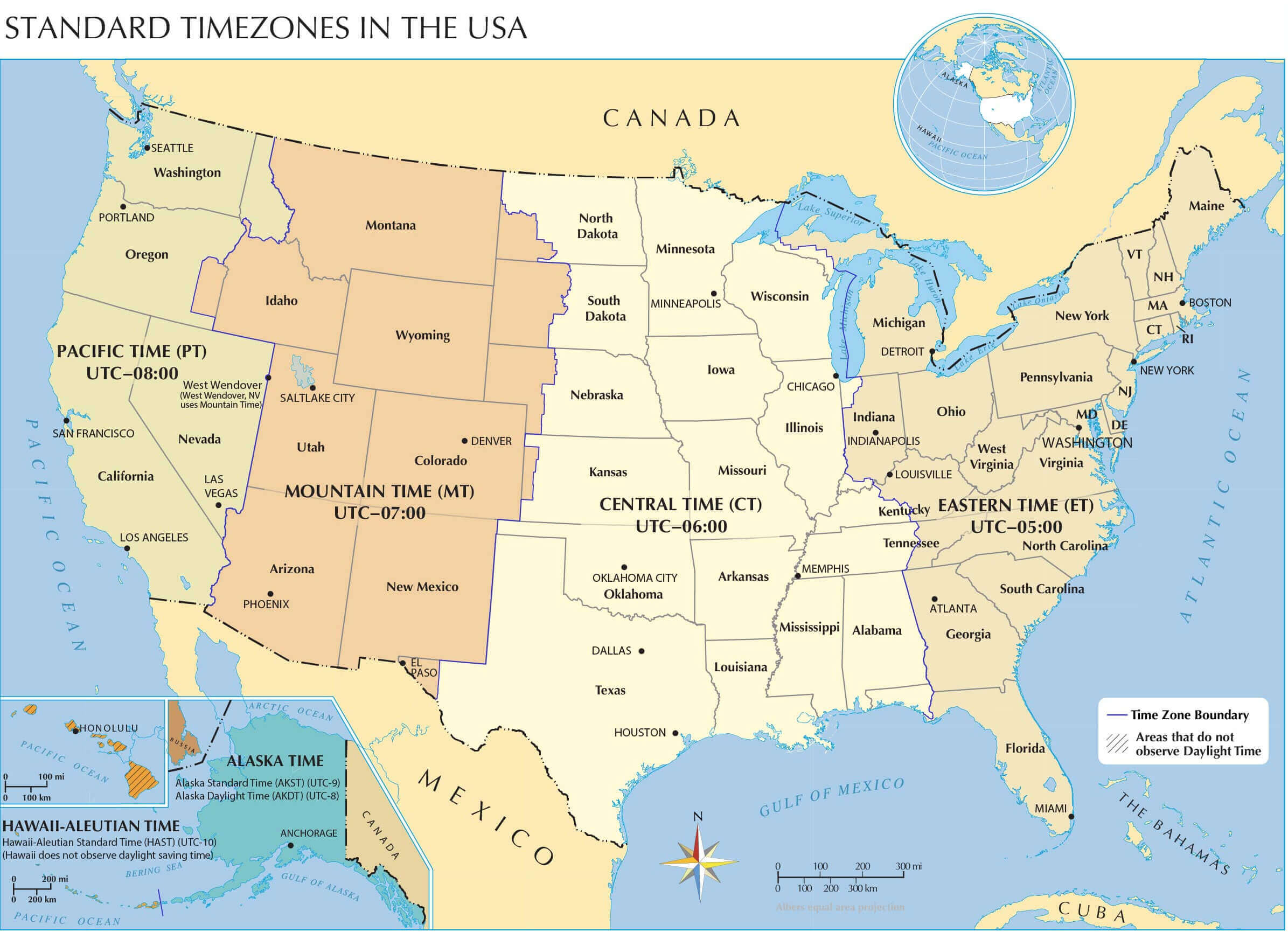
The core of California’s temporal identity lies in its adherence to the Pacific Time Zone. This zone encompasses a significant geographical area, from the northern border with Oregon to the southern border with Mexico, and stretches across several prominent cities like Los Angeles, San Francisco, San Diego, and Sacramento. The state’s unique position on the west coast of the continental United States places it strategically, influencing international communications and travel schedules.
Understanding Pacific Time
The Pacific Time Zone is one of the six U.S. time zones. It is UTC-8 during standard time and UTC-7 during daylight saving time. This difference of three hours behind Eastern Standard Time (EST) is a vital piece of information for scheduling, especially when coordinating with businesses or individuals on the East Coast. For instance, a morning meeting in New York is a very early morning or even late-night affair in California.
Pacific Standard Time (PST)
Pacific Standard Time is the baseline offset for the Pacific Time Zone, observed during the fall and winter months. When California is on PST, it is 8 hours behind Coordinated Universal Time (UTC-8). This period typically begins in early November and extends until mid-March. During PST, the sun sets earlier, and the days are shorter, reflecting the natural cycle of the seasons. This is the time zone that many associate with the state when thinking of winter holidays or the quiet period following the end of daylight saving.
Pacific Daylight Time (PDT)
As spring arrives and daylight hours begin to lengthen, California transitions to Pacific Daylight Time. This shift, commonly known as “spring forward,” occurs on the second Sunday in March. During PDT, the time zone shifts to UTC-7. This means that clocks are moved forward by one hour. The primary purpose of PDT is to maximize the use of natural daylight in the evenings, a practice that has been adopted by many countries to conserve energy and allow for more outdoor activities. The transition back to PST, or “fall back,” occurs on the first Sunday in November.
California’s Time and Global Connections
The temporal alignment of California with the Pacific Time Zone has profound implications for its role in global commerce, technology, and entertainment. As a major hub for the tech industry, particularly in Silicon Valley, the time difference necessitates careful planning for international collaborations and remote workforces. A company headquartered in California with offices in Europe will need to navigate significant time differentials for real-time communication and project management.
Business and Technology Implications
The tech giants of Silicon Valley, including companies like Apple, Google, and Meta, operate on a global scale. Their engineers, developers, and executives frequently interact with teams in Europe, Asia, and other parts of the United States. The Pacific Time Zone‘s position means that when a workday is ending on the West Coast, it might be mid-afternoon in London or the start of the next day in Tokyo. This requires flexible scheduling, advanced communication tools, and a deep understanding of time zone arithmetic. For instance, a crucial video conference might be scheduled for late afternoon in California, which translates to late evening in Europe, or early morning for those on the East Coast of the United States.
Entertainment and Media Production
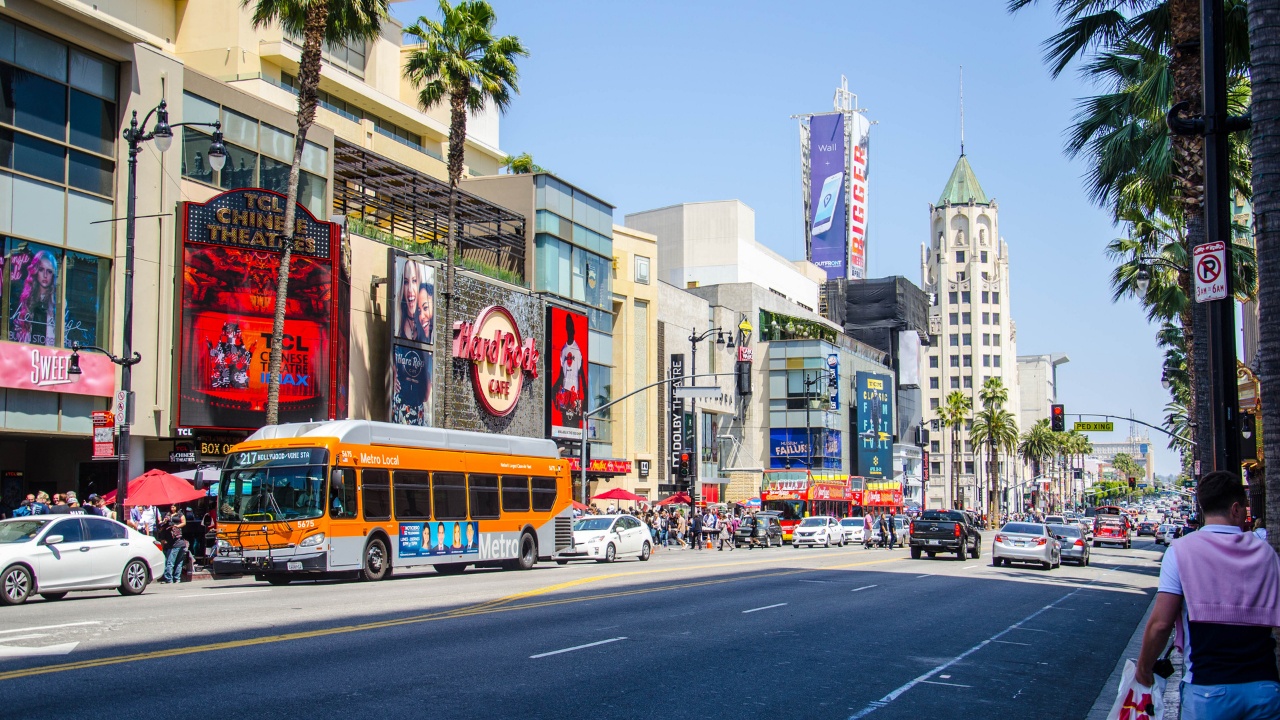
California, particularly Los Angeles, is the epicenter of the global entertainment industry. Film studios, television networks, and music labels all operate within the Pacific Time Zone. Live broadcasts, award ceremonies, and major sporting events that originate in California are often scheduled with consideration for audiences across different time zones. A prime-time television show airing at 8 PM PST in California would be broadcast at 11 PM EST in New York, 4 AM GMT in London, and much later in Australia. This temporal planning is essential for maximizing viewership and managing distribution schedules across various markets.
Navigating Time Zones for Travelers
For tourists and business travelers alike, understanding the time in California is a fundamental aspect of planning an itinerary. Whether you’re arriving from the East Coast, another country, or simply moving between different states within the United States, accounting for the time difference is key to avoiding confusion and making the most of your time.
Jet Lag and Acclimatization
Traveling across multiple time zones, especially from East to West, can lead to jet lag. The feeling of being out of sync with your body’s internal clock can manifest as fatigue, insomnia, and digestive issues. When traveling to California from the East Coast of the United States, you will be traveling westward, effectively moving “back” in time. This means adjusting to an earlier schedule. To mitigate jet lag, it’s advisable to begin adjusting your sleep schedule a few days before your trip, drink plenty of water, and expose yourself to natural light upon arrival to help reset your circadian rhythm.
Scheduling Activities and Excursions
When planning activities, from visiting theme parks like Disneyland or Universal Studios Hollywood to exploring national parks such as Yosemite or Joshua Tree, knowing the local time is crucial. Many attractions have specific operating hours, and booking tours or making dinner reservations requires an accurate understanding of when events will occur. For example, if you’re planning a sunrise hike in Death Valley National Park, you’ll need to know the local sunrise time in the Pacific Time Zone, which will be earlier than what you might be accustomed to if traveling from further east. Similarly, booking a sunset dinner cruise along the coast in San Diego will depend on the precise timing of sunset in that specific locale.
The Impact of Time on Daily Life in California
Beyond the global and travel implications, the Pacific Time Zone shapes the daily routines and lifestyles of Californians. The earlier sunsets in winter months might encourage more indoor activities, while the extended daylight in summer under PDT can foster an active, outdoor-oriented culture that the state is famous for.
Daily Rhythms and Work Schedules
The typical workday in California generally aligns with the standard 9 AM to 5 PM schedule, but the actual timing of these hours, influenced by PDT, means that evenings can remain light well into the late afternoon and early evening during the summer months. This extended daylight provides opportunities for post-work recreation, dining al fresco, and enjoying the state’s numerous outdoor amenities. Evenings in San Francisco might still be bright enough for a walk along the Golden Gate Bridge well after many East Coast cities have already plunged into darkness.
Cultural and Social Practices
The time zone influences social gatherings, cultural events, and community activities. Outdoor concerts, farmers’ markets, and festivals often take advantage of the longer daylight hours provided by PDT. The relaxed pace often associated with California lifestyle is also, in part, facilitated by a temporal framework that allows for a greater integration of leisure and work. For example, a weekend visit to Napa Valley for wine tasting could easily extend into the early evening during the summer, allowing ample time to enjoy the scenic beauty and culinary delights before the sun dips below the horizon.
In conclusion, the question of “What is time now in California?” is more than just a simple query about the current hour. It is an invitation to understand the temporal fabric of a state that plays a pivotal role on the global stage, from its bustling tech hubs to its iconic natural wonders and vibrant cultural landscape. Whether you are a resident, a traveler, or a business professional, acknowledging and adapting to the Pacific Time Zone is essential for navigating and appreciating the dynamism of California.
LifeOutOfTheBox is a participant in the Amazon Services LLC Associates Program, an affiliate advertising program designed to provide a means for sites to earn advertising fees by advertising and linking to Amazon.com. Amazon, the Amazon logo, AmazonSupply, and the AmazonSupply logo are trademarks of Amazon.com, Inc. or its affiliates. As an Amazon Associate we earn affiliate commissions from qualifying purchases.