
This article explores the geographical and administrative entities that constitute the state of California, offering insights for travelers planning their journeys and seeking to understand the diverse regions within this expansive Western U.S. state. While California is a single state, it is composed of numerous counties and distinct geographical regions, each with its own unique character, attractions, and travel opportunities. Understanding these divisions can greatly enhance a visitor’s experience, from planning road trips along the coast to exploring the mountainous interior or the sun-drenched deserts.
Understanding California’s Administrative Divisions: Counties and Regions
California is divided into 58 counties, each serving as a fundamental unit of local government. These counties range in size and population, from the densely populated urban centers of Los Angeles County and San Diego County to the vast, sparsely populated areas of Inyo County and San Bernardino County. For travelers, understanding counties can be useful for navigating and identifying specific areas of interest. For instance, if you’re planning a visit to Disneyland or the Hollywood Walk of Fame, you’ll be looking at attractions within Los Angeles County. Similarly, the stunning natural landscapes of Yosemite National Park are primarily within Mariposa, Tuolumne, and Madera counties.
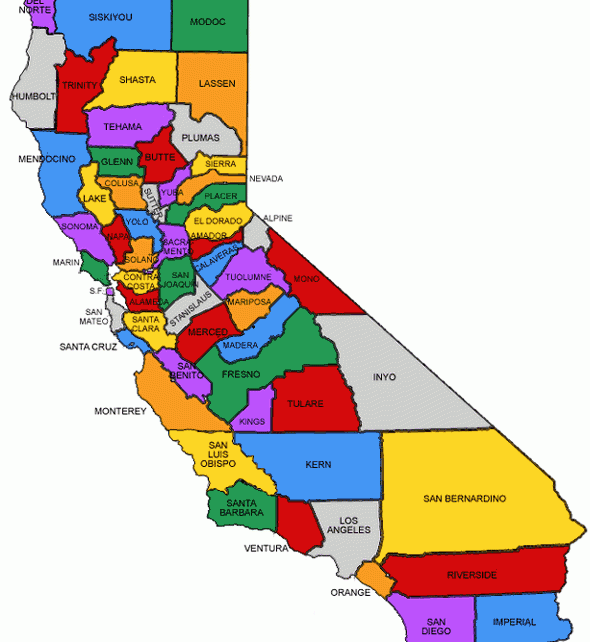
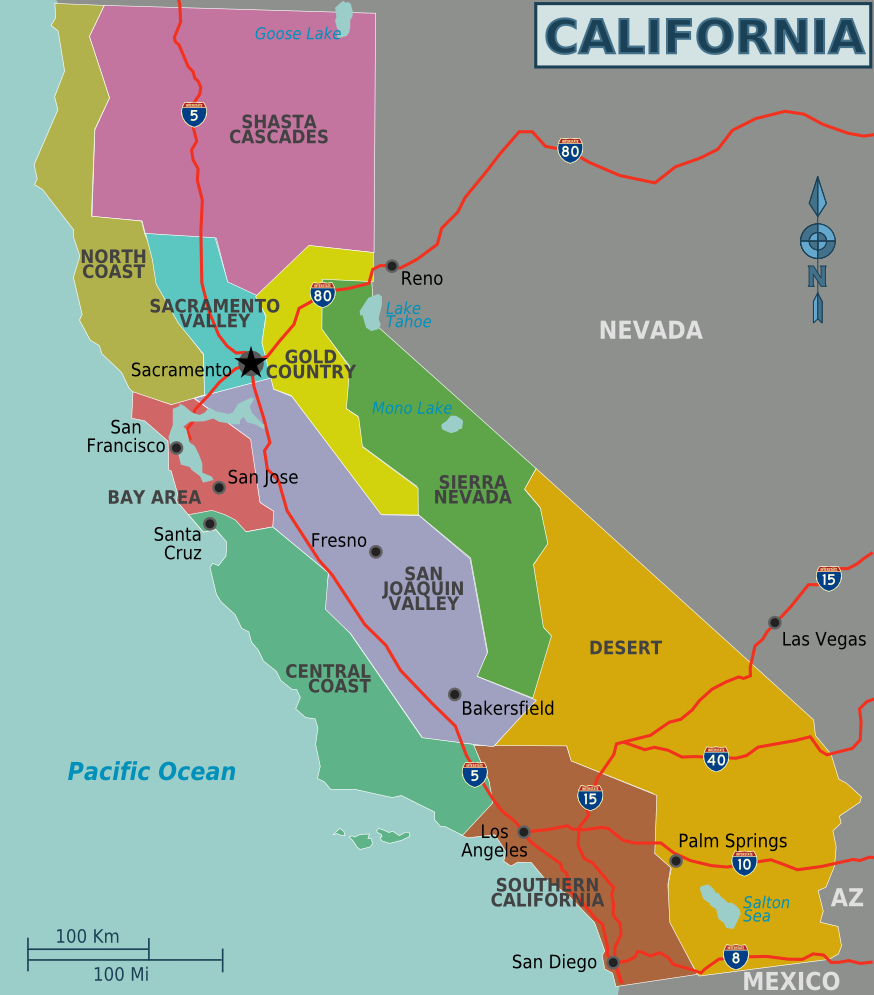
Beyond administrative counties, California is often discussed in terms of its distinct geographical and cultural regions. These regions, while not official governmental divisions, are crucial for travelers to grasp the state’s incredible diversity.
Northern California
This vast area encompasses the region north of the Tehachapi Mountains. It is characterized by its dramatic coastline, dense redwood forests, fertile agricultural valleys, and the iconic San Francisco Bay Area.
- The Bay Area: Home to global tech hubs and vibrant cultural scenes, the Bay Area includes cities like San Francisco, Oakland, and San Jose. Visitors flock here for world-class museums, iconic landmarks like the Golden Gate Bridge, diverse culinary experiences, and the lively atmosphere of cities like Berkeley.
- Wine Country: North of the Bay Area lies the renowned Napa Valley and Sonoma County, famous for their vineyards, wineries, and picturesque landscapes. Wine enthusiasts can enjoy tastings, vineyard tours, and gourmet dining.
- Redwood Empire: Further north along the coast are the majestic redwood forests, home to the tallest trees on Earth. Destinations like Muir Woods National Monument and Humboldt Redwoods State Park offer incredible opportunities for hiking and nature appreciation.
- Shasta Cascade: This region is dominated by mountains, including Mount Shasta, and a network of lakes and rivers, offering abundant outdoor recreational activities such as hiking, fishing, and boating.
Central California
Stretching from the southern end of the Bay Area down to the Tehachapi Mountains, Central California is a transitional zone offering a mix of coastal beauty, agricultural heartlands, and mountain retreats.
- The Coast: The Central Coast is famous for its rugged beauty, charming seaside towns, and the iconic Pacific Coast Highway. Cities like Santa Cruz, Monterey, and Carmel-by-the-Sea offer stunning beaches, historical sites like the Monterey Bay Aquarium, and the dramatic cliffs of Big Sur.
- The Central Valley: This vast, fertile agricultural region is known as the “breadbasket of the world.” While less of a traditional tourist destination for scenic beauty, it’s crucial for understanding California’s economy and offers glimpses into rural life and farming communities. Cities like Fresno and Bakersfield are located here.
- Sierra Nevada Foothills: The western slopes of the Sierra Nevada mountains, just east of the Central Valley, offer a different kind of natural beauty, with rolling hills, gold rush history, and access points to the high Sierra.
Southern California
This diverse region encompasses everything south of the Tehachapi Mountains and is perhaps the most globally recognized part of California. It’s known for its entertainment industry, beaches, deserts, and major metropolitan areas.
- Los Angeles Metropolitan Area: The sprawling heart of Southern California, this area is a major global center for entertainment, culture, and commerce. It includes Los Angeles, Santa Monica, Long Beach, and numerous other cities. Attractions range from theme parks like Universal Studios Hollywood to world-renowned museums, celebrity homes, and vast shopping districts.
- Orange County: South of Los Angeles, Orange County is famous for its beaches, theme parks (including the original Disneyland Park and Knott’s Berry Farm), and upscale coastal communities.
- San Diego County: The southernmost county, known for its pleasant climate, beautiful beaches, and a laid-back atmosphere. San Diego itself boasts attractions like Balboa Park with its numerous museums and the famous San Diego Zoo, while coastal cities like La Jolla and Coronado offer stunning seaside experiences.
- The Deserts: East of the coastal ranges lie California’s iconic deserts, including the Mojave Desert and the Colorado Desert. This region features unique geological formations, national parks like Joshua Tree National Park and Death Valley National Park, and a stark, breathtaking beauty.
Exploring California’s Natural Wonders by Region
California’s diverse geography is one of its greatest assets for travelers, offering a spectrum of natural attractions that appeal to every type of adventurer. Understanding how these natural wonders are distributed across the state’s regions can help in planning focused and rewarding trips.
Coastal Gems and Marine Life
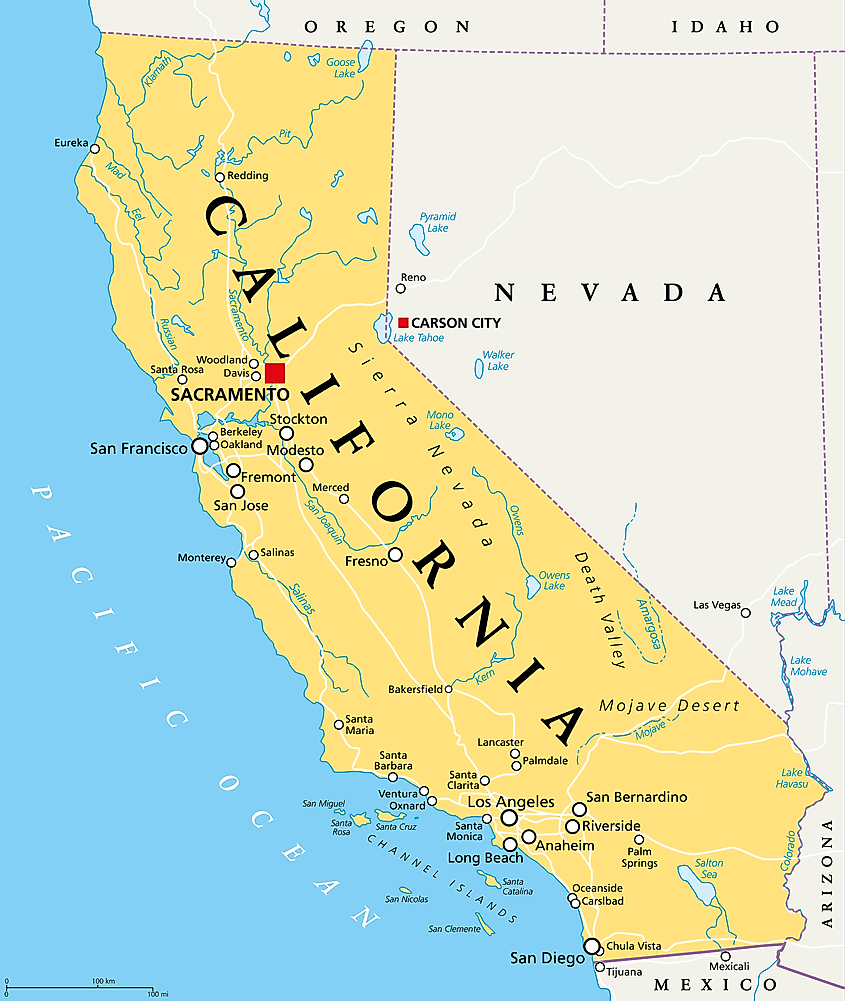
The California coastline is a significant draw, stretching for over 840 miles and offering varied experiences from rugged cliffs to sandy beaches.
- Northern Coast: The dramatic, often misty shores of Northern California are characterized by towering redwood forests that meet the Pacific. Areas like the Lost Coast offer remote hiking and a true sense of wilderness.
- Central Coast: This stretch is perhaps most famous for the breathtaking vistas along the Pacific Coast Highway. Stops like Carmel-by-the-Sea, Monterey, and the iconic Bixby Creek Bridge in Big Sur provide unforgettable scenery and marine wildlife viewing opportunities, including whale watching. The Monterey Bay Aquarium is a world-renowned institution dedicated to showcasing the rich biodiversity of this marine ecosystem.
- Southern California Beaches: The southern coastline is known for its more temperate climate and expansive sandy beaches, popular for sunbathing, surfing, and beachcombing. From the iconic beaches of Santa Monica and Malibu to the family-friendly shores of Orange County and the laid-back vibes of San Diego, there’s a beach for everyone.
Majestic Mountain Ranges and National Parks
California is home to some of the most spectacular mountain scenery in the United States, including parts of the Sierra Nevada range.
- Sierra Nevada: This iconic mountain range is home to some of California’s most famous natural treasures.
- Yosemite National Park: Renowned for its granite cliffs like El Capitan and Half Dome, cascading waterfalls, and giant sequoia trees, Yosemite is a UNESCO World Heritage site offering unparalleled hiking and climbing opportunities.
- Sequoia and Kings Canyon National Parks: These parks protect the largest trees on Earth, the giant sequoias, including the General Sherman Tree. The rugged canyons and alpine wilderness offer further exploration.
- Lake Tahoe: Straddling the California-Nevada border, Lake Tahoe is a breathtaking alpine lake surrounded by mountains, offering year-round recreation from skiing and snowboarding in winter to hiking, boating, and swimming in summer.
- Southern California Mountains: The ranges like the San Gabriel Mountains and San Bernardino Mountains provide accessible hiking and scenic drives for those in the greater Los Angeles area, offering a natural escape from the urban sprawl.
Desert Landscapes and Unique Ecosystems
California’s desert regions offer a starkly beautiful and geologically fascinating landscape, often overlooked but incredibly rewarding for intrepid travelers.
- Mojave Desert: This vast desert region is home to otherworldly rock formations and unique flora and fauna.
- Joshua Tree National Park: Famous for its distinctive Joshua trees, rock climbing opportunities, and surreal landscapes, Joshua Tree is a popular destination for hikers, artists, and stargazers.
- Mojave National Preserve: This expansive preserve offers a less crowded experience with diverse desert ecosystems, including sand dunes, volcanic cinder cones, and Joshua tree forests.
- Death Valley National Park: The lowest point in North America, Death Valley is a land of extremes, featuring salt flats, sand dunes, colorful badlands, and extreme temperatures. Its stark beauty and geological marvels make it a unique destination for those seeking an unforgettable adventure.
Cultural and Historical Exploration Across California’s Regions
Beyond its natural beauty, California is rich in cultural tapestry and historical significance, woven into the fabric of its diverse regions. Travelers can immerse themselves in a wide array of experiences, from the vibrant arts scenes of its cities to the echoes of its past.
Arts, Entertainment, and Urban Hubs
The major metropolitan areas of California are global leaders in arts, culture, and entertainment.
- Los Angeles: The entertainment capital of the world, Los Angeles offers endless cultural attractions. Visitors can explore world-class museums like the Getty Center and the LACMA, catch a performance at the Walt Disney Concert Hall, or walk the Hollywood Walk of Fame. The city’s diverse neighborhoods also offer distinct culinary and artistic experiences.
- San Francisco: Known for its bohemian roots and progressive culture, San Francisco boasts a vibrant arts scene, renowned museums like the de Young Museum and the San Francisco Museum of Modern Art, and iconic landmarks. The city’s history as a hub for movements like the Beat Generation and the Summer of Love adds a unique layer to its cultural appeal.
- San Diego: This southern city offers a more relaxed cultural experience, with attractions like Balboa Park, which houses numerous museums, gardens, and the famous San Diego Zoo. Its proximity to Mexico also influences its vibrant cultural fusion.
Historical Echoes: From Gold Rush to Missions
California’s history is a rich narrative of indigenous peoples, Spanish colonization, the Gold Rush, and rapid modern development.
- Spanish Missions: A significant historical legacy across the state, the 21 Spanish missions, established between 1769 and 1836, dot the coast from San Diego to Sonoma. These historic sites, such as Mission San Juan Capistrano and Mission Santa Barbara, offer a glimpse into California’s colonial past and are important architectural and cultural landmarks.
- Gold Rush Era: The mid-19th-century California Gold Rush transformed the state and left behind numerous historical towns and mining sites, particularly in the Sierra Nevada foothills. Towns like Columbia State Historic Park offer a living history experience, transporting visitors back to the days of prospectors and boomtowns.
- Indigenous Cultures: Long before European settlers arrived, California was home to numerous indigenous tribes. Visiting cultural centers and museums, or participating in respectfully guided tours, can provide insight into the rich heritage of these original inhabitants.
By understanding California not as a singular entity but as a mosaic of counties and diverse regions, travelers can better plan their journeys, uncover hidden gems, and appreciate the full spectrum of experiences this dynamic state has to offer. Whether drawn by the allure of its iconic cities, the serenity of its natural landscapes, or the echoes of its storied past, California promises an unforgettable exploration.
LifeOutOfTheBox is a participant in the Amazon Services LLC Associates Program, an affiliate advertising program designed to provide a means for sites to earn advertising fees by advertising and linking to Amazon.com. Amazon, the Amazon logo, AmazonSupply, and the AmazonSupply logo are trademarks of Amazon.com, Inc. or its affiliates. As an Amazon Associate we earn affiliate commissions from qualifying purchases.