
California, a state renowned for its diverse landscapes and iconic attractions, offers a temperate climate that draws millions of visitors year-round. Understanding the prevailing temperatures across its distinct regions is crucial for planning an unforgettable trip, whether you’re dreaming of coastal breezes, desert adventures, or mountain escapades. This guide delves into the climatic variations of the Golden State, providing insights into what temperature to expect in California’s most beloved destinations.
Coastal California: The Pacific Embrace
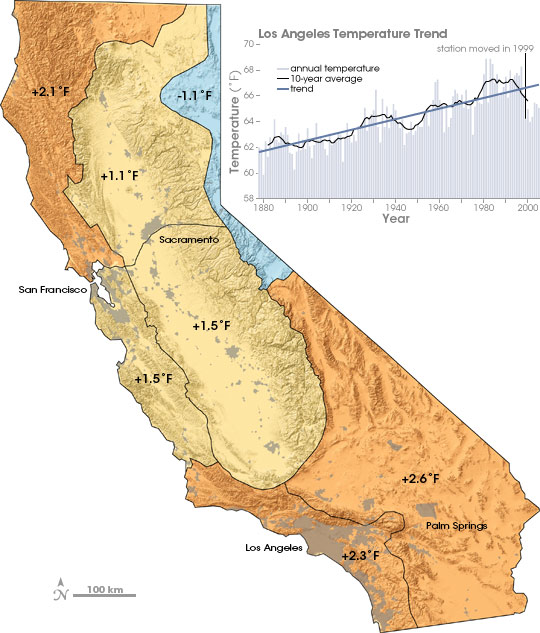
The vast expanse of California’s coastline, stretching from the northern redwood forests to the southern beaches, is characterized by a Mediterranean climate influenced by the Pacific Ocean. This oceanic effect moderates temperatures, leading to mild, pleasant conditions for much of the year.
Northern California Coast
In Northern California, cities like San Francisco and Eureka experience cooler summers and milder winters compared to their southern counterparts. The iconic Golden Gate Bridge and the rugged beauty of the Mendocino Coast are often shrouded in a characteristic fog, particularly during the summer months. This fog, while sometimes obscuring views, keeps daytime temperatures refreshingly cool, typically ranging from the low 50s to the mid-60s Fahrenheit (10-18°C) in July and August. Winters are damp and cool, with average highs in the mid-50s Fahrenheit (around 13°C) and lows dipping into the 40s Fahrenheit (4-9°C). Rainfall is more abundant in the northern coastal regions, especially from November to March.
Central California Coast
The Central Coast, encompassing areas like Monterey, Big Sur, and Santa Barbara, enjoys a slightly warmer and sunnier climate than the north. While still moderated by the ocean, summers here are warmer, with average highs in the 70s Fahrenheit (21-26°C). The famous 17-Mile Drive and the picturesque towns offer a more consistent experience of sunshine. Evenings can still be cool, and fog can be a factor, especially in the mornings. Winter temperatures are mild, with average highs in the low 60s Fahrenheit (15-17°C) and lows in the 40s to low 50s Fahrenheit (7-12°C).
Southern California Coast
Southern California, including sprawling metropolises like Los Angeles and its surrounding beach communities such as Santa Monica and San Diego, is famous for its near-perfect weather. Summers are warm and dry, with average highs in the mid-70s to low 80s Fahrenheit (24-28°C), offering ideal conditions for exploring the Santa Monica Pier or relaxing on the sands of La Jolla. Coastal fog can still occur, particularly in early summer (known as “June Gloom”), but it generally burns off by midday. Winters are exceptionally mild, with average highs in the low 60s Fahrenheit (16-19°C) and lows rarely dropping below the 50s Fahrenheit (10-15°C). This region receives significantly less rainfall than the north.
Inland California: Diverse Climates Beyond the Coast
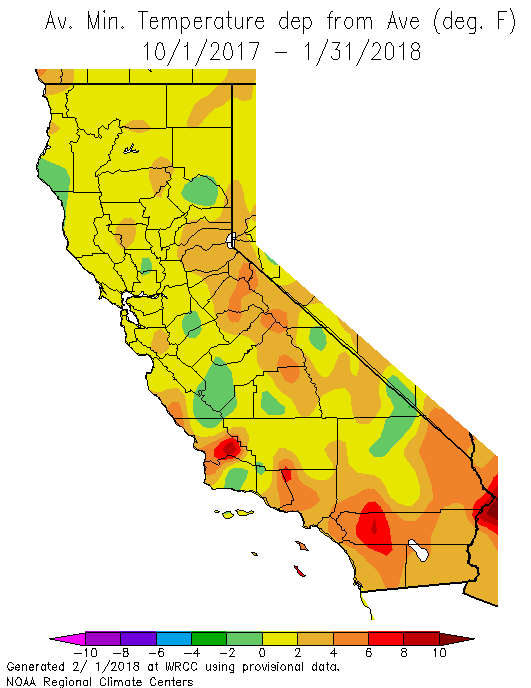
Venture inland, and California’s climate transforms dramatically, influenced by elevation, distance from the coast, and regional geography. This leads to a spectrum of temperatures ranging from the heat of the desert to the chill of the mountains.
Central Valley
The heart of California, the Central Valley, is an agricultural powerhouse characterized by a hot, dry summer and a cool, wet winter. Cities like Sacramento, Fresno, and Bakersfield experience summer highs that frequently exceed 90°F (32°C) and can reach well over 100°F (38°C). The lack of coastal moderation means temperatures can feel intense. Spring and fall offer more temperate conditions, making them ideal for visiting the region’s vineyards and orchards. Winters are mild, with average highs in the 50s Fahrenheit (10-15°C) and occasional frost. Rainfall is concentrated in the winter months.
The Deserts: Mojave and Colorado
California’s desert regions, including the Mojave Desert and the Colorado Desert, are defined by extreme temperatures. Iconic destinations like Palm Springs, Joshua Tree National Park, and Death Valley National Park are known for their scorching summers. July and August can see daily highs consistently over 100°F (38°C), with nighttime temperatures remaining warm. Death Valley is famously the hottest place on Earth, with recorded temperatures exceeding 130°F (54°C). The best times to visit these arid landscapes are during the spring and fall, when daytime temperatures are more manageable, typically ranging from the 70s to 90s Fahrenheit (21-32°C). Winters are pleasantly warm, with daytime highs in the 60s and 70s Fahrenheit (15-26°C), making it an attractive escape from colder climates.
The Mountains: Sierra Nevada and Beyond
The elevated terrain of California’s mountain ranges, most notably the Sierra Nevada, presents a distinctly different climate. During the winter, these regions transform into a winter wonderland, attracting skiers and snowboarders to resorts like Mammoth Mountain and Squaw Valley Alpine Meadows. Temperatures regularly drop below freezing, with substantial snowfall common from November through April. Daytime highs might hover in the 30s and 40s Fahrenheit (0-9°C), while nights can plummet well below 0°F (-18°C).
Summers in the mountains, particularly in areas like Yosemite National Park, are generally warm and sunny during the day, with highs often in the 70s and 80s Fahrenheit (21-28°C). However, temperatures can cool significantly at higher elevations and after sunset, so layering is essential. Spring and fall offer beautiful transitional periods with mild daytime temperatures and crisp air, though snow can still linger at higher altitudes well into late spring.

Planning Your Trip: Temperature Considerations for California
Understanding the temperature in California is paramount to enjoying its diverse offerings. For those seeking beach relaxation and coastal exploration, the Southern California coast provides consistently pleasant weather year-round, with the warmest months being July through September. If the charm of Northern California’s rugged coastline appeals, plan for cooler conditions, especially in summer, and pack layers.
For desert adventurers, the shoulder seasons of spring and fall are highly recommended to avoid extreme heat. Winter offers a unique, milder desert experience. Mountain enthusiasts will find their paradise in winter for snow sports, or in summer for hiking and exploring the alpine scenery.
When considering a trip to the Central Valley, aim for the spring or fall to avoid the intense summer heat and enjoy agricultural attractions. Regardless of your destination within California, always check the specific weather forecast for your chosen location closer to your travel dates, as microclimates and unexpected weather patterns can influence temperatures. This foresight will ensure your California adventure is perfectly suited to the climate you desire.
LifeOutOfTheBox is a participant in the Amazon Services LLC Associates Program, an affiliate advertising program designed to provide a means for sites to earn advertising fees by advertising and linking to Amazon.com. Amazon, the Amazon logo, AmazonSupply, and the AmazonSupply logo are trademarks of Amazon.com, Inc. or its affiliates. As an Amazon Associate we earn affiliate commissions from qualifying purchases.