
San Francisco, California, a city synonymous with innovation, iconic landmarks, and a vibrant cultural tapestry, also boasts a climate that is as distinctive as its personality. Nestled on the tip of a peninsula, surrounded by the Pacific Ocean and the San Francisco Bay, its weather patterns are a fascinating interplay of maritime influences and geographical features. Understanding this unique climate is not just a matter of curiosity; it’s an essential component for anyone planning a visit, from seasoned travelers to first-time explorers seeking to make the most of their experience in this captivating metropolis.

Understanding San Francisco’s Unique Microclimates
San Francisco’s geography plays a pivotal role in shaping its weather. The city is characterized by a series of hills, which create distinct microclimates. A “microclimate” refers to a localized set of atmospheric conditions that differ from those in the surrounding areas. In San Francisco, this means that a short drive or even a walk across town can reveal noticeable changes in temperature, fog density, and wind.
The Pacific Ocean’s Cooling Embrace
The most significant factor influencing San Francisco’s weather is the cold California Current, which flows southward along the coast. This cold ocean current cools the air above it, creating a stable layer of cool, moist air near the surface. As this cool air moves inland, it interacts with warmer air over the landmass, a phenomenon that often leads to the formation of fog.
The Role of Topography and Fog
The city’s famous fog, often a hazy blanket rolling in from the Pacific, is a direct result of this interaction. The fog is most prevalent during the summer months, particularly in the western and northern parts of the city, closer to the ocean. Inland areas, especially those further east and south, tend to be warmer and sunnier, especially during the day. The city’s numerous hills act as barriers and conduits, influencing how the fog moves and dissipates. For instance, areas like The Richmond District and The Sunset District, facing the ocean, are typically cooler and foggier, while neighborhoods like The Mission District or the Financial District can experience significantly warmer and clearer conditions.
Seasonal Weather Patterns in San Francisco
San Francisco’s climate is often described as Mediterranean, but with a distinct Pacific twist. It experiences mild, wet winters and dry, cool summers. However, the concept of distinct “seasons” is somewhat blurred compared to other regions, with temperature fluctuations being less extreme.
Summer: The Season of Fog and Cool Breezes
Contrary to what many might expect from a Californian city, San Francisco summers are not typically hot and sunny. In fact, they are often the coolest and foggiest months of the year. From June through August, the prevailing winds blow from the west, carrying cool, moist air from the Pacific Ocean. This leads to frequent fog, especially in the mornings and evenings, and even during the day in many coastal neighborhoods. Temperatures in areas like Ocean Beach might hover in the 60s Fahrenheit (16-18°C), while inland areas like The Mission District can reach the 70s or even low 80s Fahrenheit (27-32°C). This “fog season” is crucial for understanding how to pack and plan outdoor activities. While the fog can obscure views of the Golden Gate Bridge at times, it also creates a uniquely atmospheric urban landscape.
Autumn: The “Indian Summer”
Perhaps the most pleasant time to visit San Francisco, weather-wise, is during the autumn months of September and October. This period often brings what locals affectionately call “Indian Summer.” The marine layer that dominates the summer begins to recede, and the city enjoys its warmest and sunniest days of the year. Temperatures are comfortably mild, with less fog and more consistent sunshine across all neighborhoods. This is the ideal time for exploring outdoor attractions like Alcatraz Island, walking through Golden Gate Park, or enjoying a scenic drive along the coast.
Winter: Mild and Damp
San Francisco winters are mild and are characterized by increased rainfall. Snowfall is virtually unheard of. Temperatures typically range from the high 40s to the mid-50s Fahrenheit (8-13°C). While the days can be gray and wet, there are often breaks of sunshine, and the temperatures rarely dip to uncomfortable levels. The rain is crucial for replenishing California’s water supply. This season is perfect for enjoying the city’s world-class museums, such as the de Young Museum or the California Academy of Sciences, and indulging in its renowned culinary scene without the crowds of peak season.
Spring: A Transition Period
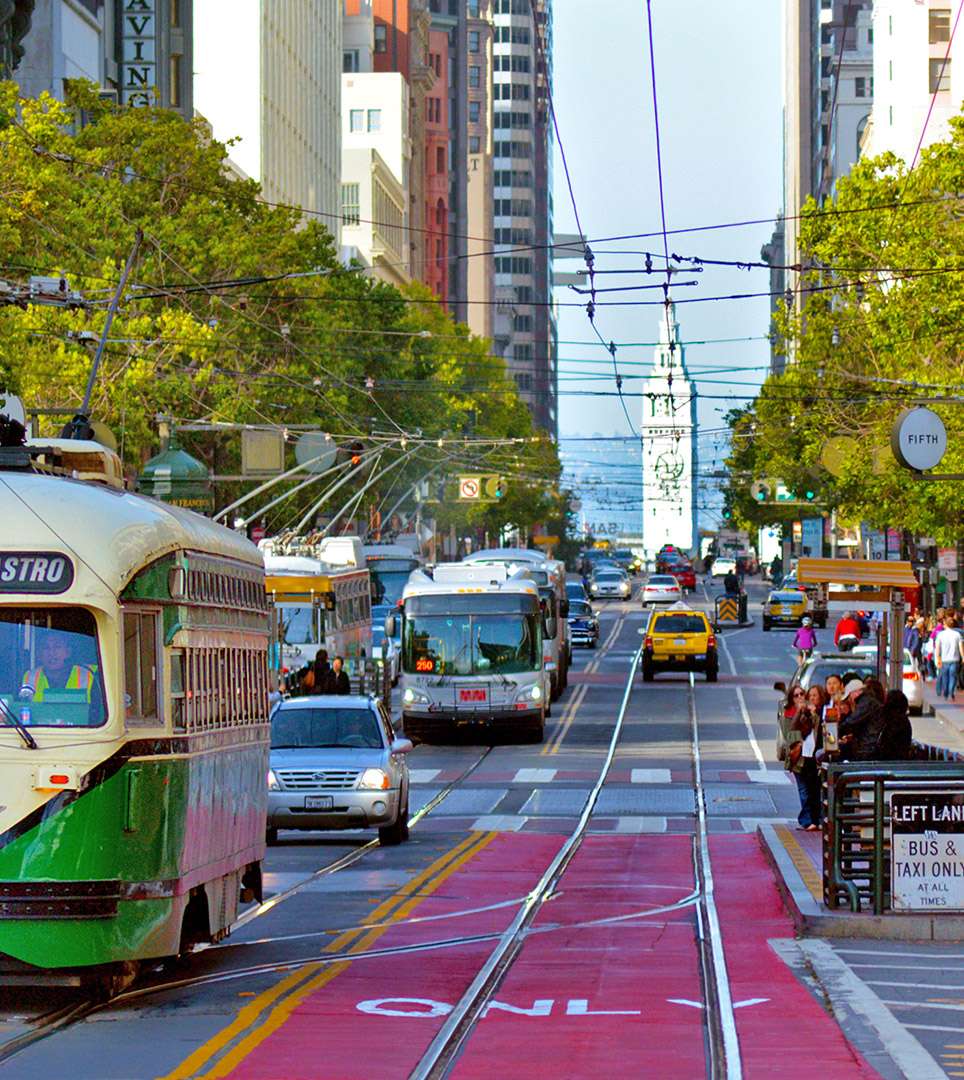
Spring in San Francisco, from March to May, is a transitional period. It can be a mixed bag of weather, with lingering winter rain showers giving way to increasingly sunnier and warmer days as the season progresses. Fog can still be a factor, especially in the early spring. Temperatures begin to rise gradually, mirroring the patterns seen in autumn. This is a beautiful time to visit as the city’s many parks and gardens come to life with blooming flowers.
Packing for San Francisco’s Variable Weather
The most crucial advice for anyone visiting San Francisco is to pack layers. The city’s microclimates and the unpredictable nature of its weather mean that conditions can change rapidly. Even on a seemingly warm, sunny day, a cool breeze can roll in from the ocean, making lighter clothing feel insufficient.
Essential Clothing Items
- Layers, Layers, Layers: This cannot be stressed enough. Bring a mix of t-shirts, long-sleeved shirts, sweaters, and a fleece jacket.
- A Light to Medium-Weight Jacket: A windproof and water-resistant jacket is invaluable. It will protect you from the wind and any unexpected drizzles.
- Comfortable Walking Shoes: You’ll be doing a lot of exploring on foot, often up and down San Francisco’s famous hills. Comfortable, supportive shoes are a must.
- Jeans or Sturdy Trousers: These are suitable for most days and provide a good base layer.
- A Scarf: A light scarf can add warmth on cooler days and protect against wind.
- Sunglasses and Sunscreen: Even with fog, the sun’s rays can be strong, especially on clearer days or at higher elevations.
Considerations for Specific Activities
- Outdoor Sightseeing: For iconic spots like Fisherman’s Wharf or a ferry ride to Sausalito, a windbreaker and layered clothing are essential.
- Evening Events: Evenings in San Francisco can get chilly, even in summer. Always have a jacket or sweater handy if you plan to dine outdoors or attend an evening event.
- Visiting Specific Neighborhoods: If you plan to spend a lot of time in the western parts of the city, expect cooler, foggier conditions. Conversely, venturing east might offer warmer, sunnier experiences.
Navigating San Francisco Based on Weather
Understanding the weather is key to unlocking the best of San Francisco. It influences what you can see, when you can see it, and how you experience the city’s diverse attractions.
Maximizing Sunny Days
The periods of sunshine are precious. If a clear, warm day is forecasted, prioritize outdoor activities that offer panoramic views, such as visiting Twin Peaks for stunning city vistas, exploring the Presidio National Park, or enjoying a picnic at Dolores Park. Biking across the Golden Gate Bridge or exploring the colorful streets of Chinatown are also best enjoyed under clear skies.
Embracing the Fog
While fog can be a deterrent for some, it’s an integral part of the San Francisco experience. Instead of fighting it, embrace it. Foggy mornings can lend a dramatic, moody atmosphere to landmarks like the Palace of Fine Arts. A walk through the foggy streets of neighborhoods like North Beach can feel like stepping back in time. Photography enthusiasts often find the fog to be a unique and inspiring element. Moreover, fog often burns off by midday, revealing clearer skies.
Dealing with Wind
San Francisco is a windy city, especially along the coast and on its bridges. The wind can make cooler temperatures feel significantly colder. Always be prepared for breezy conditions, particularly if you’re visiting viewpoints or walking along the waterfront. Wearing a jacket with a hood can be particularly beneficial.

Conclusion: A Climate of Constant Surprise
San Francisco’s weather is a defining characteristic that shapes its identity and influences the visitor experience. While it may not offer the typical sun-drenched beaches of Southern California, its temperate climate, punctuated by cooling fog and mild winters, provides a unique and invigorating atmosphere. By understanding the interplay of the Pacific Ocean, the city’s topography, and seasonal shifts, visitors can better prepare for their trip, ensuring they can comfortably and fully immerse themselves in all that this remarkable city has to offer, from its iconic landmarks to its hidden gems. Whether you’re seeking sunshine for outdoor adventures or embracing the mystique of the fog, San Francisco’s weather is a constant invitation to adapt, explore, and discover.
LifeOutOfTheBox is a participant in the Amazon Services LLC Associates Program, an affiliate advertising program designed to provide a means for sites to earn advertising fees by advertising and linking to Amazon.com. Amazon, the Amazon logo, AmazonSupply, and the AmazonSupply logo are trademarks of Amazon.com, Inc. or its affiliates. As an Amazon Associate we earn affiliate commissions from qualifying purchases.