
California, a state renowned for its sprawling coastlines, vibrant cities, and diverse landscapes, holds a complex and often somber history when it comes to its legal system. While many associate the Golden State with sunshine and innovation, its past is also marked by significant legal developments and societal debates. Among the most profound of these discussions has been the matter of capital punishment. For those interested in the historical and legal fabric of California, understanding the timeline of its death penalty executions offers a crucial insight into the state’s evolving justice system. This exploration delves into the periods of activity and dormancy surrounding the death penalty in California, revealing a narrative shaped by legal challenges, public opinion, and legislative action.
The History of Capital Punishment in California
California’s journey with capital punishment is a long and often interrupted one. The state has a history of utilizing the death penalty, with executions carried out for a variety of crimes. However, this practice has not been continuous, experiencing significant moratoriums and legal battles that have left periods of inactivity. Understanding these phases is key to grasping the current state of capital punishment in California.
Early Years and Statehood
Following its admission to the United States in 1850, California quickly established its legal framework, including provisions for capital punishment. Early executions were carried out relatively frequently, often following swift trials for serious offenses. The methods of execution evolved over time, reflecting the broader shifts in penal practices across the nation. Initially, hanging was the standard method. This period was characterized by a less complex legal system and a public sentiment that generally supported capital punishment as a deterrent and a just retribution for heinous crimes. The sheer scale of the state’s growth, fueled by the Gold Rush and subsequent expansion, also contributed to a developing legal infrastructure that, at times, leaned towards harsher sentences for offenders.
The Mid-20th Century and Shifting Sentiments
As the 20th century progressed, societal attitudes towards capital punishment began to shift. Growing awareness of potential miscarriages of justice and the ethical implications of state-sanctioned killing led to increased legal scrutiny and public debate. In California, this era saw a rise in appeals and legal challenges that aimed to halt or overturn death sentences. While executions continued, they became less frequent as the judicial process became more protracted. The Supreme Court‘s landmark decision in Furman v. Georgia (1972) significantly impacted capital punishment nationwide, leading to a temporary suspension of executions in California and other states. This ruling found existing death penalty statutes to be unconstitutional due to their arbitrary and discriminatory application.
The Reinstatement and Subsequent Moratorium
Following the Furman decision, states, including California, worked to reform their capital punishment laws to address the Supreme Court’s concerns. New legislation was enacted, aiming to provide more structured guidelines for imposing the death penalty and reducing arbitrariness. In California, voters and the legislature moved to reinstate capital punishment, and the state’s death penalty law was reformed. However, the path to resuming executions was fraught with further legal challenges. For decades, despite the reinstatement, no executions were actually carried out. This extended period of inactivity, often referred to as a de facto moratorium, was due to a complex interplay of factors, including prolonged appeals processes, legal injunctions, and the sheer volume of cases working their way through the courts. The intricate legal landscape meant that individuals sentenced to death often spent many years, if not decades, on death row before any potential execution could be considered.
The Era of Legal Challenges and De Facto Moratoriums
The decades following the reinstatement of the death penalty in California were largely defined by a sophisticated and often lengthy legal battleground. While the legal framework for capital punishment existed, its practical application was severely curtailed by a series of appeals, reviews, and constitutional challenges that consumed years, and in many instances, decades. This period represents a critical phase in understanding why executions ceased to occur even when the death penalty remained legally sanctioned.
The Role of Appeals and Habeas Corpus
The appeals process in capital cases is inherently complex and designed to ensure that every possible legal avenue is explored to prevent an irreversible injustice. In California, individuals sentenced to death have access to multiple layers of appeals, including automatic appeals to the state supreme court and the option to file petitions for habeas corpus in both state and federal courts. These petitions can raise new legal arguments or evidence not presented at the original trial. This intricate system, while crucial for protecting the rights of the accused, inevitably leads to significant delays. The sheer number of cases on death row, coupled with the limited resources available for both the prosecution and defense in these protracted legal battles, contributed to the extended periods between sentencing and any potential execution.

Gubernatorial Stays and Political Influence
Beyond the judicial system, the executive branch has also played a significant role in the de facto moratorium on executions. Governors of California have, at various times, issued reprieves or stays of execution, often in response to widespread public concern, evolving legal interpretations, or the complexities of specific cases. These gubernatorial actions, while temporary in some instances, further contributed to the cessation of executions. The political climate surrounding capital punishment has always been a sensitive issue in California, with different administrations taking varying stances on its application and implementation. This political dimension added another layer of complexity to the already intricate legal process.
The Last Execution and its Significance
Pinpointing the exact date of the last death penalty execution in California is a matter of historical record and holds significant weight in discussions about capital punishment. It signifies a specific point in time after which the state’s approach to capital punishment entered a new phase, marked by continued legal battles and ultimately, a gubernatorial moratorium.
Identifying the Final Case
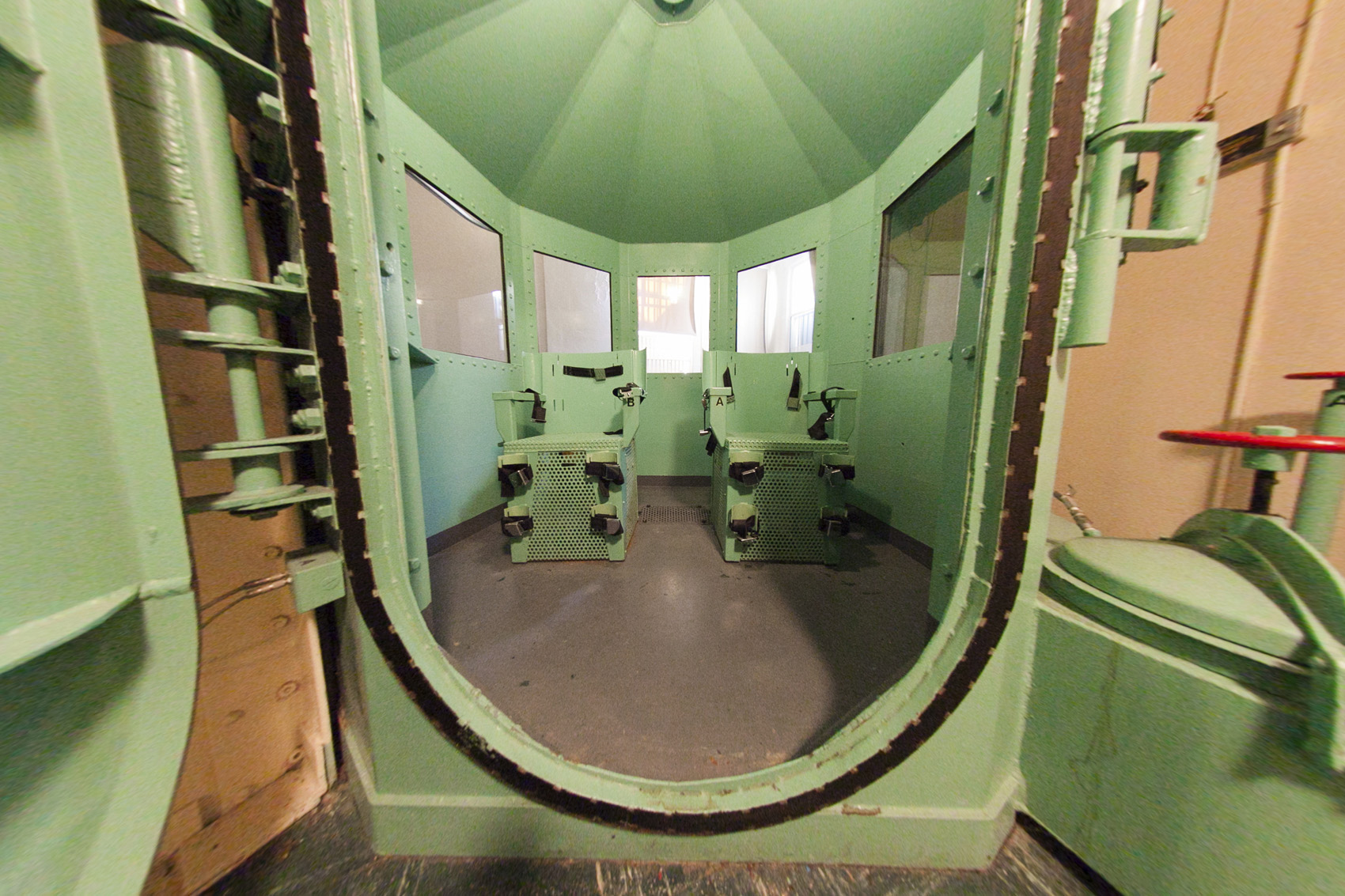
The last time California carried out a death penalty execution was on January 17, 2006. The individual executed was Clarence Ray Allen. Allen was convicted of three counts of first-degree murder for orchestrating killings from within San Quentin State Prison. The execution took place at San Quentin State Prison, the state’s primary facility for conducting executions. This event marked the culmination of a long legal process for Allen and, retrospectively, a turning point for the state’s application of capital punishment. The execution was carried out by lethal injection, which had become the state’s primary method of execution.
The Impact of the 2006 Execution
The execution of Clarence Ray Allen was a highly scrutinized event, drawing attention from both proponents and opponents of the death penalty. For those who supported capital punishment, it was seen as a necessary act of justice. For abolitionists, it was a tragic end that highlighted the flaws and perceived inhumanity of the system. Crucially, this execution did not lead to a resumption of regular executions. Instead, it was followed by an extended period where no further executions were scheduled or carried out. The legal challenges, the sheer backlog of cases, and evolving public and political sentiments continued to create obstacles. The 2006 execution, therefore, stands as the most recent instance, but the events that followed it underscore the complex and often stalled nature of capital punishment in California.
The Current Status and Future of the Death Penalty in California
California’s stance on the death penalty has undergone significant shifts in recent years, moving away from active pursuit of executions towards a more abolitionist trajectory, albeit with a complex legal and political landscape still in play. Understanding the current status requires examining recent gubernatorial actions and the ongoing legal and societal debates.
Governor Newsom’s Moratorium
In March 2019, Governor Gavin Newsom announced a moratorium on executions in California, which he has extended multiple times. This moratorium applies to all individuals on death row and bars the state from carrying out any executions for the duration of his decision. The governor cited concerns about the death penalty’s fairness, its disproportionate impact on certain communities, and the risk of executing innocent individuals. This action effectively halted any pending executions, even for those who had exhausted their appeals. The decision was a significant move, placing California alongside other states that have abolished or are not actively carrying out executions. The moratorium does not, however, abolish the death penalty itself; individuals can still be sentenced to death. It simply suspends the carrying out of those sentences.

The Future of Capital Punishment in California
The future of the death penalty in California remains uncertain and is subject to ongoing legal and political developments. While Governor Newsom’s moratorium has effectively halted executions, it is a gubernatorial action that could, in theory, be overturned by a future governor. Furthermore, there have been ongoing legal challenges and debates regarding the constitutionality and morality of capital punishment in the state. Ballot initiatives and legislative proposals aimed at either abolishing the death penalty outright or codifying the moratorium into permanent law have been considered. The public sentiment in California has also been evolving, with a growing portion of the population expressing opposition to capital punishment. The path forward will likely involve continued legal challenges, potential legislative action, and the ever-present influence of public opinion in shaping the future of justice in the Golden State. The story of the death penalty in California is a testament to the state’s dynamic legal and social evolution, a narrative still being written.
LifeOutOfTheBox is a participant in the Amazon Services LLC Associates Program, an affiliate advertising program designed to provide a means for sites to earn advertising fees by advertising and linking to Amazon.com. Amazon, the Amazon logo, AmazonSupply, and the AmazonSupply logo are trademarks of Amazon.com, Inc. or its affiliates. As an Amazon Associate we earn affiliate commissions from qualifying purchases.