
The question of where Northern California truly starts is far more than a geographical curiosity; it’s a gateway to understanding the diverse landscapes, distinct cultures, and unique experiences that define this expansive region. For travelers and those planning an itinerary, pinpointing this threshold is crucial for unlocking the authentic essence of the Golden State. Is it a single, definitive line on a map, or a more fluid, subjective boundary shaped by climate, economy, and local identity? This exploration delves into the commonly accepted definitions and the nuanced perceptions that shape our understanding of Northern California’s beginning.

The Geographic and Political Divide: A Tale of Two Zones
Politically and geographically, the lines are often drawn with a degree of clarity, though even these can be subject to interpretation. The most common demarcation point cited is the Tehapi Mountains, a range that forms a natural barrier separating Southern California from the central and northern parts of the state. This geological feature plays a significant role in influencing climate and ecosystems, subtly shifting the character of the land as one travels north.
The Influence of the Tehapi Mountains
The Tehama Mountains serve as a critical dividing line. To the south, the climate tends to be drier and warmer, characteristic of the Mediterranean climate that most people associate with Los Angeles and San Diego. As one crosses this natural barrier, the environment begins to transform. The air often carries a different scent, the vegetation changes, and the atmospheric conditions subtly shift, hinting at a new regional identity. This geographical transition is a fundamental factor in defining the transition from Southern to Northern California.
Official Designations and Common Perceptions
While the Tehapi Mountains offer a natural dividing line, official designations and common perceptions can vary. State agencies and regional planning bodies may have their own definitions for administrative purposes, which might not always align perfectly with the public’s understanding. For instance, some might consider cities like Bakersfield or even as far south as Santa Clarita to be on the cusp, experiencing characteristics of both regions. However, for the purpose of travel and cultural immersion, the consensus generally places the beginning of Northern California further north, embracing the rich agricultural heartland and the dramatic coastal ranges.
The Subjective Start: Culture and Climate as Boundaries
Beyond the hard lines of geography, the feeling of having entered Northern California is often dictated by a palpable shift in culture, climate, and even the pace of life. These subjective elements are what truly resonate with travelers and create a distinct sense of place.
The Sacramento Valley and Central Valley Influence
The vast Sacramento Valley and the broader Central Valley represent a significant transition zone. This immense agricultural breadbasket of California is a crucial part of Northern California’s identity. The fertile plains, dotted with orchards and vineyards, paint a picture of prosperity and natural bounty that feels distinctly different from the sprawling urban landscapes further south. Cities like Sacramento, the state capital, are undeniably Northern Californian, serving as a hub for governmental activities and cultural events.
The Sierra Nevada Foothills and Wine Country Charm
As one ventures further, the foothills of the Sierra Nevada mountains begin to emerge, introducing dramatic elevation changes and a cooler, more temperate climate. This area is also the gateway to the world-renowned Wine Country, with its rolling hills, picturesque vineyards, and charming towns like Napa and Sonoma. The distinct agricultural focus, the emphasis on artisanal products, and a slightly more relaxed, sophisticated atmosphere are strong indicators of having arrived in Northern California. The culinary scene here, deeply intertwined with local produce and wine, becomes a defining characteristic.
Defining Northern California by Its Key Hubs and Regions
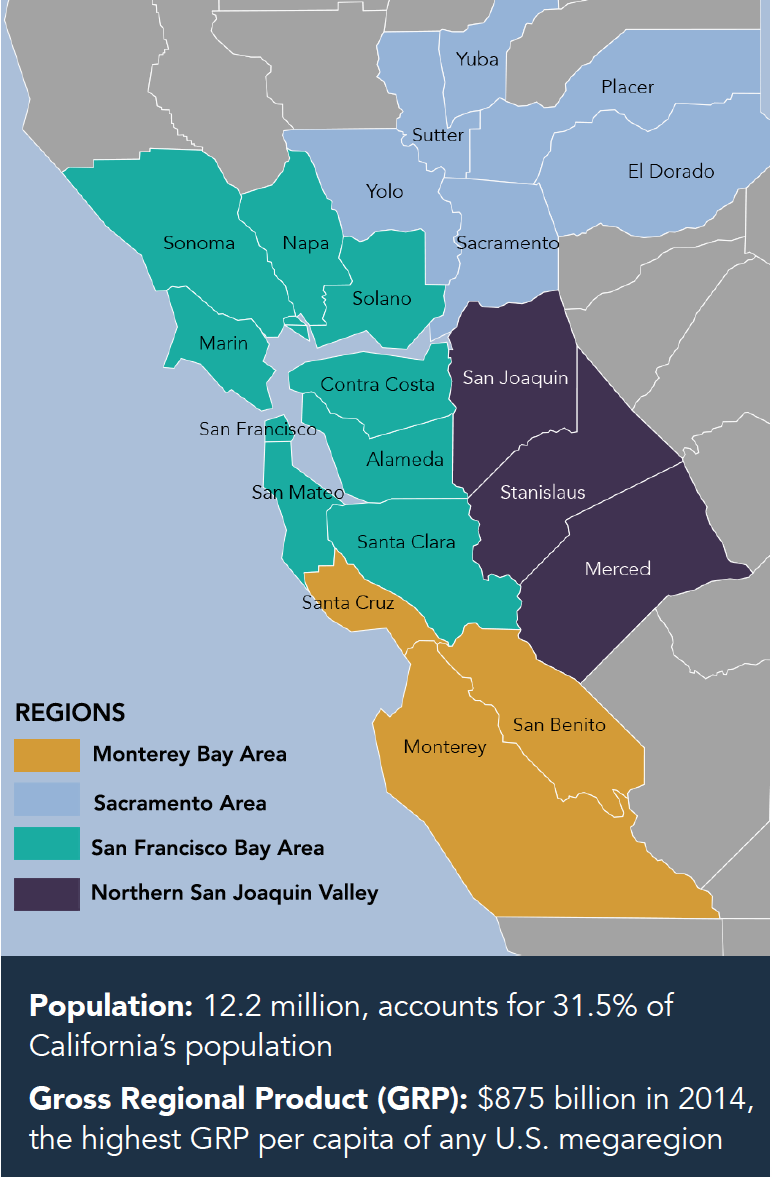
To truly grasp where Northern California begins, it’s helpful to consider its defining cities and distinct geographical regions, each contributing to its unique character.
The San Francisco Bay Area: The Unmistakable Northern Icon
No discussion of Northern California is complete without acknowledging the profound influence of the San Francisco Bay Area. This vibrant metropolis, encompassing cities like San Francisco, Oakland, and San Jose, is often considered the heart of Northern California. Its iconic landmarks, such as the Golden Gate Bridge, its rich history of innovation and counterculture, and its diverse cultural tapestry, firmly establish it as a Northern Californian epicenter. The proximity to the Pacific coast, the fog that often blankets the city, and the distinct architectural styles all contribute to this identity.
The Redwood Empire and the Rugged Coastline
North of the Bay Area, the landscape transforms dramatically. The Redwood Empire, named for the colossal California redwoods, marks a profound shift. Driving through these ancient forests, where trees tower hundreds of feet into the sky, is an awe-inspiring experience that unequivocally signifies one’s immersion in Northern California. The rugged, windswept coastline, characterized by dramatic cliffs, hidden coves, and charming coastal towns like Mendocino and Fort Bragg, adds another layer to this distinct regional identity. The cooler, often misty, coastal climate further differentiates this area from the warmer southern regions.
Northern Sierra and Beyond: The Frontier Spirit
Venturing eastward into the Northern Sierra Nevada and further into regions like Shasta and Lassen Volcanic National Park, one encounters a more rugged, untamed beauty. The presence of dormant volcanoes, pristine alpine lakes, and vast stretches of wilderness evokes a sense of frontier spirit. While these areas are geographically part of Northern California, their remote nature and distinct recreational opportunities, from hiking and skiing to exploring geothermal wonders, contribute to a unique sub-identity within the larger Northern California mosaic.
Navigating the Northern California Experience: A Traveler’s Perspective
For travelers, understanding the subtle and not-so-subtle cues that signal the beginning of Northern California can enhance the journey. It’s about more than just crossing a line on a map; it’s about immersing oneself in a region with its own rhythm, flavor, and allure.
From Urban Vibrancy to Coastal Serenity
The transition often involves moving from the more fast-paced, sprawling urban environments of Southern California to the dynamic, yet often more intimate, urban centers of the Bay Area, followed by the more serene, nature-focused landscapes as one travels further north. The culinary scene evolves, with a greater emphasis on farm-to-table freshness, artisanal products, and a strong connection to the sea and the land. The pace of life can feel more measured, particularly outside the major metropolitan hubs.
The Importance of Climate and Landscape
The palpable shift in climate is one of the most immediate indicators for travelers. The cooler, often more overcast conditions along the coast, the distinct four-season climate of the mountains, and the mild, yet often damp, winters in the valleys all contribute to the Northern Californian experience. The dramatic landscapes, from the iconic redwood forests and the dramatic coastline to the majestic peaks of the Sierra Nevada and the fertile valleys, are defining features that travelers will encounter as they traverse this expansive region.

Embracing the Diversity: A Region of Contrasts
Ultimately, Northern California doesn’t have a single, universally agreed-upon starting point. It is a region defined by its incredible diversity, a tapestry woven from varied climates, breathtaking landscapes, distinct cultural influences, and iconic cities. Whether one draws the line at the Tehapi Mountains, the rolling hills of Wine Country, or the towering trees of the Redwood Empire, the journey into Northern California promises an unforgettable exploration of a truly remarkable part of the United States. The true beginning is an experience, a gradual immersion into a landscape and culture that captivates and inspires.
LifeOutOfTheBox is a participant in the Amazon Services LLC Associates Program, an affiliate advertising program designed to provide a means for sites to earn advertising fees by advertising and linking to Amazon.com. Amazon, the Amazon logo, AmazonSupply, and the AmazonSupply logo are trademarks of Amazon.com, Inc. or its affiliates. As an Amazon Associate we earn affiliate commissions from qualifying purchases.