
California, often hailed as the “Golden State,” is a vast and diverse geographical and cultural entity on the western edge of the contiguous United States. Its sheer size and varied landscapes contribute to its enduring allure, attracting millions of visitors annually. Understanding its location is the first step to unlocking the myriad experiences it offers, from sun-drenched beaches to towering mountain ranges and vibrant urban centers.
Geographical Positioning and Boundaries
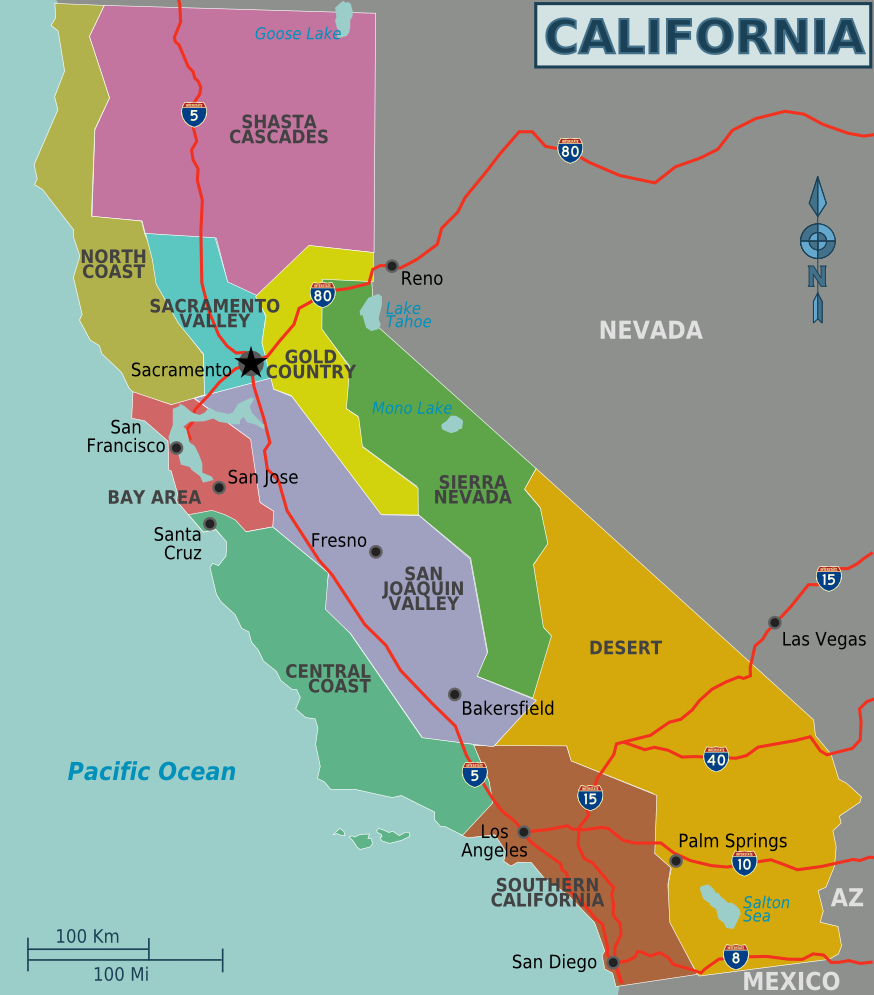
At its core, California is defined by its position on the Pacific coast of North America. It shares its northern border with the state of Oregon, its eastern borders with Nevada and Arizona, and its southern border with the country of Mexico. To its west lies the immense expanse of the Pacific Ocean, a defining feature that shapes its climate, economy, and cultural identity. This coastal positioning grants California an extensive and varied shoreline, a significant part of its appeal.
Coastal California
The coastline of California stretches for over 840 miles, a dynamic frontier where land meets sea. This region is characterized by dramatic cliffs, expansive sandy beaches, picturesque coves, and bustling port cities.
Northern Coastline
The northern coast, often referred to as the “Emerald Coast” due to its lush redwood forests meeting the ocean, is rugged and less developed. Towns like Mendocino and Fort Bragg offer a more tranquil escape with dramatic sea stacks and abundant marine life. The Redwood National and State Parks offer breathtaking natural beauty.
Central Coast
The central coast is home to iconic stretches like Big Sur, renowned for its stunning vistas, winding roads, and the famous Bixby Creek Bridge. Further south, cities like Santa Barbara offer Mediterranean-inspired architecture and a relaxed coastal vibe.
Southern California Coastline
Southern California’s coastline is arguably the most famous, characterized by wide, sandy beaches and a more developed, vibrant atmosphere. From the iconic beaches of Los Angeles County like Santa Monica and Malibu, to the surf culture of Orange County in places like Huntington Beach, and the artistic enclaves of San Diego County, this region is a magnet for sun-seekers and water sports enthusiasts.
Inland California
Beyond the coast, California’s interior reveals a dramatically different landscape, shaped by mountain ranges, fertile valleys, and arid deserts.
The Great Central Valley
This vast, flat agricultural heartland stretches for hundreds of miles between the Sierra Nevada mountains to the east and the Coast Ranges to the west. It is one of the most productive agricultural regions in the world, producing a significant portion of the United States’ fruits, nuts, and vegetables. Cities like Sacramento, the state capital, and agricultural hubs like Fresno are located here.
Mountain Ranges
California is home to several significant mountain ranges that contribute to its diverse topography and climate.
Sierra Nevada
To the east of the Central Valley, the Sierra Nevada mountains form a majestic barrier. This range is home to the iconic Yosemite National Park, Sequoia National Park, and Lake Tahoe, offering unparalleled opportunities for hiking, skiing, and experiencing natural grandeur. The highest peak in the contiguous United States, Mount Whitney, is also located here.
Transverse and Peninsular Ranges
In Southern California, the Transverse Ranges and the Peninsular Ranges extend inland, creating diverse microclimates and landscapes. These ranges include areas like the San Gabriel Mountains and the San Bernardino Mountains, which offer recreational opportunities and contribute to the dramatic backdrop of cities like Los Angeles.
Desert Regions
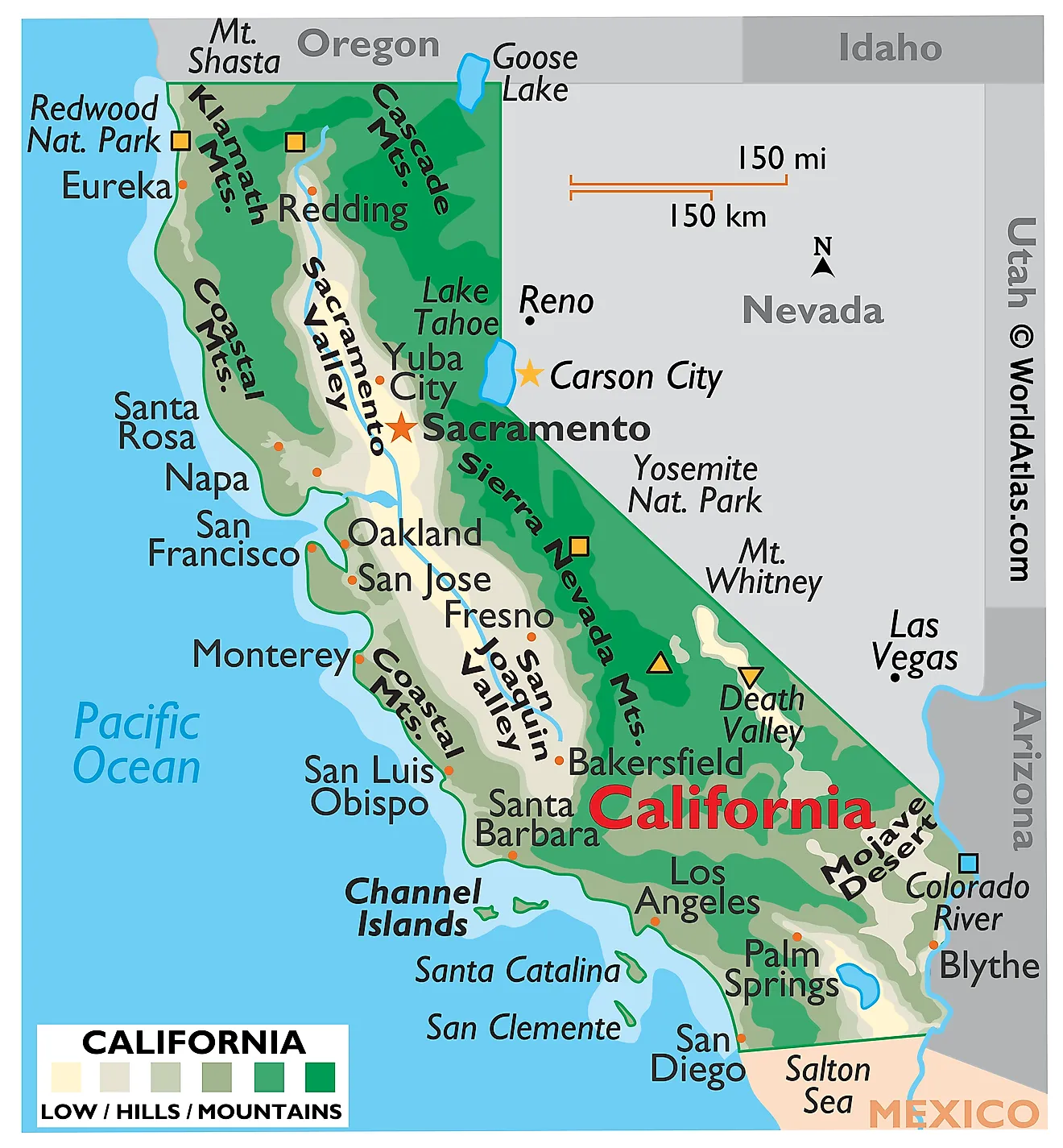
The southeastern part of California is dominated by desert landscapes, including the famous Mojave Desert and the Colorado Desert. These regions are characterized by extreme temperatures, unique flora and fauna, and vast, open spaces. Death Valley National Park, the lowest point in North America, is a prominent feature of this arid expanse.
Major Metropolitan Centers
California is synonymous with some of the world’s most dynamic and influential metropolitan areas, each with its own distinct character and attractions. These urban hubs are crucial to understanding California’s place on the global map.
Southern California Metropolises
The southern part of the state is home to sprawling urban landscapes that are global centers for entertainment, technology, and culture.
Los Angeles Metropolitan Area
Los Angeles, often called the “City of Angels,” is the most populous city in California and the second most populous in the United States. It is the global epicenter of the film and television industry, with attractions like the Hollywood Walk of Fame, Universal Studios Hollywood, and world-class museums like the Getty Center. Its diverse neighborhoods, from the glamorous streets of Beverly Hills to the vibrant streets of Downtown Los Angeles, offer endless exploration.
San Diego Metropolitan Area
Located in the southwestern corner of California, bordering Mexico, San Diego is known for its pleasant climate, beautiful beaches, and naval presence. Attractions include the world-renowned San Diego Zoo, Balboa Park, and the historic Gaslamp Quarter. Its proximity to Tijuana makes it a gateway to Baja California.
Northern California Hubs
The northern half of the state boasts iconic cities that are powerhouses of innovation, culture, and natural beauty.
San Francisco Bay Area
This region is anchored by the iconic city of San Francisco, famous for the Golden Gate Bridge, Alcatraz Island, and its distinctive cable cars. The Bay Area also encompasses Silicon Valley, the global nexus of technology and innovation, with cities like Palo Alto and Mountain View being home to giants like Google and Apple. Nearby cities like Oakland and Berkeley add to the region’s diverse cultural fabric.
Sacramento Metropolitan Area
As the state capital, Sacramento holds significant political and historical importance. Situated in the northern part of the Central Valley, it is a hub for government and a gateway to the gold rush history of the Sierra Nevada foothills. Its revitalized downtown area and proximity to wine regions like Napa Valley and Sonoma County offer unique attractions.
Climate and Environmental Diversity
California’s expansive geography dictates a wide range of climates, from the temperate rainforests of the north to the arid deserts of the southeast, and the Mediterranean climate prevalent along much of its coast.
Coastal Climate
The coastal regions generally experience a mild, Mediterranean climate with warm, dry summers and cool, wet winters. The Pacific Ocean acts as a moderating influence, keeping temperatures from extremes. Fog is a common occurrence, particularly in the summer months along the northern and central coasts, contributing to the unique atmosphere of places like San Francisco.
Inland Climate Variations
Moving inland, temperatures become more extreme. The Central Valley experiences hotter summers and colder winters than the coast, while the desert regions endure scorching heat for much of the year, with significant diurnal temperature fluctuations. The mountain ranges, particularly the Sierra Nevada, experience a distinct alpine climate with heavy snowfall in winter, making them prime destinations for winter sports.

California’s Role in Travel and Tourism
Understanding California’s location is fundamental to appreciating its immense appeal as a travel destination. Its diverse regions offer an unparalleled variety of experiences, catering to every type of traveler. From the glamour of Hollywood to the serene beauty of its national parks and the vibrant culture of its cities, California’s geographical positioning is the key to its status as a global tourism powerhouse. Each region, from the rugged northern coast to the sun-kissed southern beaches and the majestic mountain ranges, provides a distinct facet of the “California dream,” making it a place that truly has something for everyone seeking adventure, relaxation, or cultural immersion. The accessibility provided by major airports in cities like Los Angeles International Airport and San Francisco International Airport further solidifies its place as a major international travel hub.
LifeOutOfTheBox is a participant in the Amazon Services LLC Associates Program, an affiliate advertising program designed to provide a means for sites to earn advertising fees by advertising and linking to Amazon.com. Amazon, the Amazon logo, AmazonSupply, and the AmazonSupply logo are trademarks of Amazon.com, Inc. or its affiliates. As an Amazon Associate we earn affiliate commissions from qualifying purchases.