
Fresno, California, often a name that sparks curiosity, especially for those planning a trip to the Golden State, is a city rich in agricultural heritage and a gateway to some of the nation’s most iconic natural wonders. Understanding its geographical placement is key to appreciating its significance and planning any journey that might include it. Located in the heart of California’s Central Valley, Fresno serves as a vital hub for commerce, culture, and transit, bridging the gap between the bustling coastal metropolises and the dramatic mountain landscapes to its east.
The Geographical Heart of California
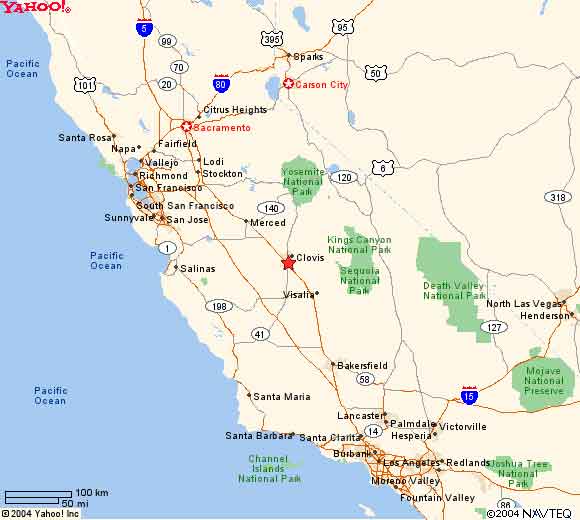
Fresno’s placement within the Central Valley is its defining geographical characteristic. This vast, fertile expanse stretches for over 450 miles north to south, forming the agricultural backbone of California. Situated roughly in the middle of this valley, Fresno benefits from its central location, making it an accessible point of entry and a strategic base for exploration.

Location Relative to Major Californian Cities
To better pinpoint Fresno’s position, consider its proximity to other well-known Californian cities:
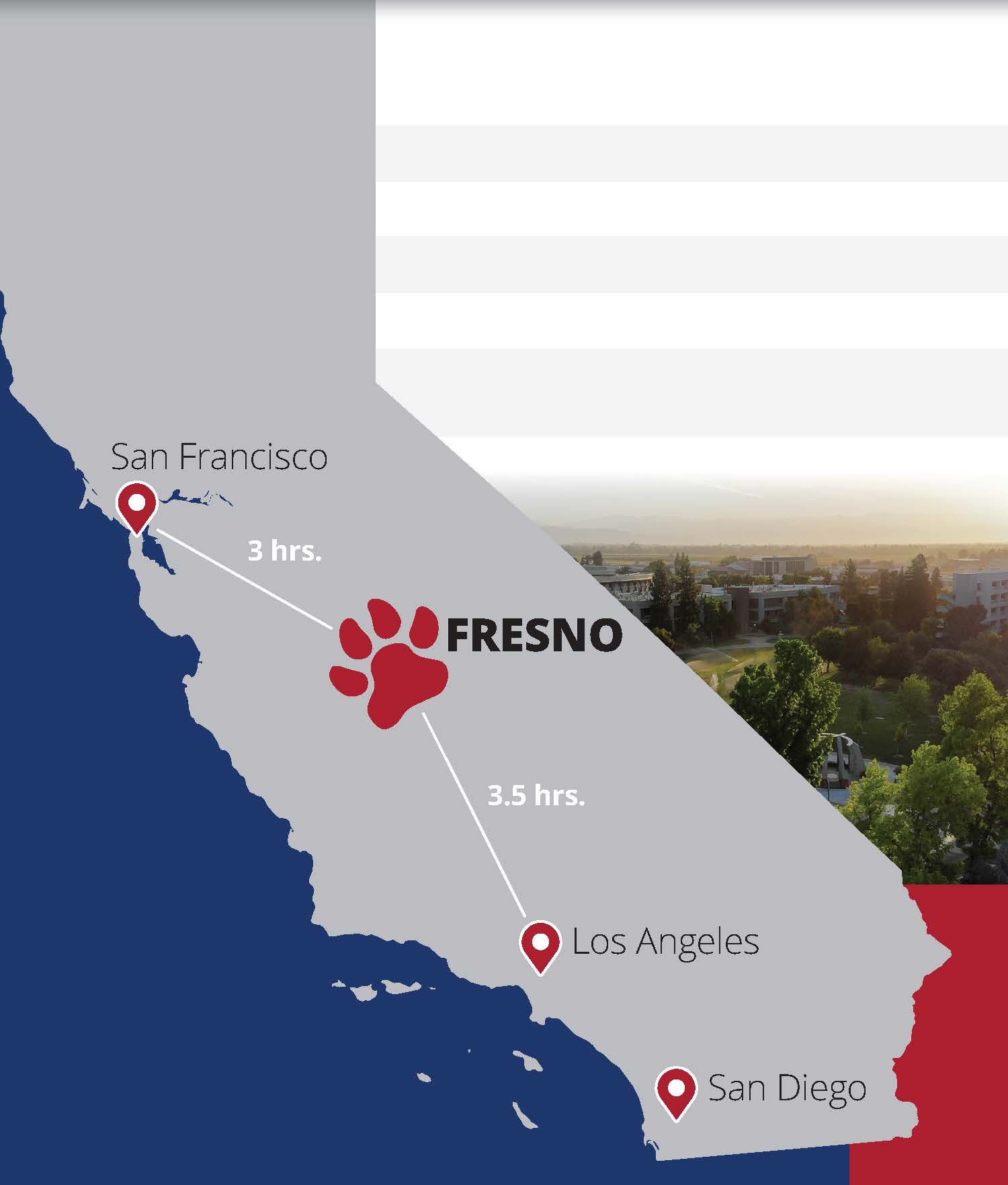
- North: Fresno lies approximately 170 miles southeast of San Francisco, a major cultural and economic center. The drive typically takes about 3 to 3.5 hours, depending on traffic.
- South: To the south, Los Angeles is about 170 miles away, with a travel time of roughly 3 to 3.5 hours.
- East: The Sierra Nevada mountain range, including national parks like Yosemite, is to Fresno’s east, a journey of about 1.5 to 2 hours to the park’s gateway towns.
- West: The coastal regions, such as Monterey and Carmel, are approximately 160 miles west, a drive of around 3 hours.
This central positioning means that Fresno is often the most practical starting point for travelers wishing to experience both the agricultural heartland and the natural splendor of inland California.
Understanding the Central Valley Context
The Central Valley is characterized by its flat terrain, fertile soil, and a semi-arid climate. This region is responsible for a significant portion of the United States’ agricultural output, producing an astonishing variety of fruits, nuts, and vegetables. Fresno, as one of the largest cities within this valley, embodies this agricultural identity. Its economy is deeply intertwined with farming, processing, and distribution, making it a unique urban center surrounded by sprawling ranches and orchards.
Fresno as a Gateway to Natural Wonders
Perhaps the most compelling reason many travelers find themselves looking for Fresno on the map is its role as a primary gateway to some of California’s most celebrated natural destinations. Its strategic location on the eastern edge of the Central Valley positions it perfectly to access the dramatic landscapes of the Sierra Nevada mountains.
Yosemite National Park
Yosemite National Park, a UNESCO World Heritage site renowned for its towering granite cliffs, giant sequoia trees, and breathtaking waterfalls, is a major draw. From Fresno, the drive to the southern entrance of Yosemite Valley is approximately 2.5 to 3 hours, making it a feasible day trip or, more commonly, the ideal base for multi-day explorations of the park. Visitors often fly into Fresno Yosemite International Airport (FAT), rent a car, and embark on their Yosemite adventure from there.
Sequoia and Kings Canyon National Parks
Directly south of Yosemite, and even closer to Fresno, lie Sequoia National Park and Kings Canyon National Park. These parks are famous for their colossal giant sequoia trees, including the General Sherman Tree, the largest tree by volume on Earth. The drive from Fresno to the entrances of these parks is about 1.5 to 2 hours. The accessibility from Fresno makes it an excellent choice for those seeking to immerse themselves in the grandeur of these ancient forests without the longer treks required from coastal gateways.
Other Nearby Natural Attractions
Beyond the flagship national parks, Fresno’s surroundings offer a wealth of other natural attractions:
- Bass Lake: A popular recreational lake about an hour’s drive east, offering boating, swimming, and fishing opportunities.
- Sierra National Forest: This vast forest encompasses diverse landscapes, from alpine meadows to forested slopes, providing extensive opportunities for hiking, camping, and scenic drives. It surrounds many of the popular routes to Yosemite and the access points for Sequoia and Kings Canyon.
- Pinnacles National Park: While slightly west of the direct mountain route, this unique park, known for its dramatic rock formations and cave systems, is roughly a 2.5-hour drive from Fresno, offering a different geological spectacle.
The proximity of these iconic natural landscapes to Fresno solidifies its status as a crucial travel node for outdoor enthusiasts and nature lovers planning to explore the heart of California.
Cultural and Economic Significance
Beyond its role as a travel gateway, Fresno is a significant city in its own right, boasting a vibrant culture and a robust economy driven by agriculture and its central location.
Agricultural Hub
As mentioned, Fresno is the unofficial agricultural capital of California. The surrounding San Joaquin Valley is one of the most productive farming regions in the world. This agricultural prowess influences the city’s identity, from its local cuisine to its festivals and the everyday rhythm of life. Visitors can experience this by exploring local farmers’ markets, visiting fruit stands, or learning about the industry at agricultural museums.
A Melting Pot of Cultures
Fresno has a diverse population, shaped by waves of immigration throughout its history. It’s known for having one of the largest Hmong communities in the United States, contributing significantly to the city’s cultural tapestry. Additionally, its population includes large Hispanic, Armenian, and various European communities, each adding to the unique character of the city through their traditions, food, and festivals. This cultural richness is often overlooked but is a vital part of the Fresno experience.
Transportation Nexus
Fresno’s central location makes it a vital transportation nexus. Fresno Yosemite International Airport (FAT) provides air access for travelers heading to the national parks or for business and leisure within California. The city is also a key junction for major highways, including Highway 99, which runs north-south through the Central Valley, and Highway 180, which leads directly to Kings Canyon National Park and Sequoia National Park. This makes it easy to reach Fresno from major California cities and straightforward to depart for its many attractions.
Planning Your Visit to Fresno
Understanding where Fresno sits on the map is the first step in planning a trip that leverages its unique position. Whether you’re drawn by the call of granite peaks in Yosemite, the ancient giants of Sequoia, or the agricultural bounty of the Central Valley, Fresno is your strategic starting point.
Accommodation Options
While Fresno itself offers a range of hotels, motels, and rental properties suitable for various budgets, the surrounding areas near the national parks also provide lodging, from rustic cabins to full-service resorts. Booking accommodation in advance is highly recommended, especially during peak seasons for park visitation.
Best Times to Visit
The best time to visit Fresno and its surrounding natural attractions depends on your interests. Spring (April-May) offers wildflowers and moderate temperatures, perfect for hiking before the summer heat. Summer (June-August) is peak season for the national parks, but can be very hot in the Central Valley. Autumn (September-October) provides pleasant weather, stunning fall colors in some mountain areas, and fewer crowds. Winter (November-March) can bring snow to the higher elevations of the national parks, offering a different kind of beauty but potentially limiting access.
Navigating the Region
Having a car is essential for exploring Fresno and its surrounding attractions. Public transportation within the city is available but limited. For trips to the national parks, a reliable vehicle is a must, and checking road conditions, especially during winter months, is crucial. Park entrance fees apply to national parks, and it’s wise to purchase an America the Beautiful Pass if you plan to visit multiple national parks within a year.
In essence, Fresno, California, is more than just a dot on the map. It’s a vibrant city nestled in the fertile heart of California, serving as an indispensable gateway to some of the most awe-inspiring natural landscapes the United States has to offer. Its central location, agricultural roots, and diverse culture make it a destination worthy of exploration in its own right, and an essential stop for any itinerary that seeks to capture the essence of the Golden State.
LifeOutOfTheBox is a participant in the Amazon Services LLC Associates Program, an affiliate advertising program designed to provide a means for sites to earn advertising fees by advertising and linking to Amazon.com. Amazon, the Amazon logo, AmazonSupply, and the AmazonSupply logo are trademarks of Amazon.com, Inc. or its affiliates. As an Amazon Associate we earn affiliate commissions from qualifying purchases.