
Nestled in the heart of Southern California’s Riverside County, Lake Elsinore is a city that often sparks curiosity for its unique name and picturesque setting. This vibrant community, known for its expansive natural lake and burgeoning recreational opportunities, offers a compelling destination for those seeking an escape from the urban bustle, yet remaining within convenient reach of major metropolitan areas. Understanding its geographical context is the first step to unlocking the many experiences this Southern California gem has to offer.
Geographical Positioning and Accessibility
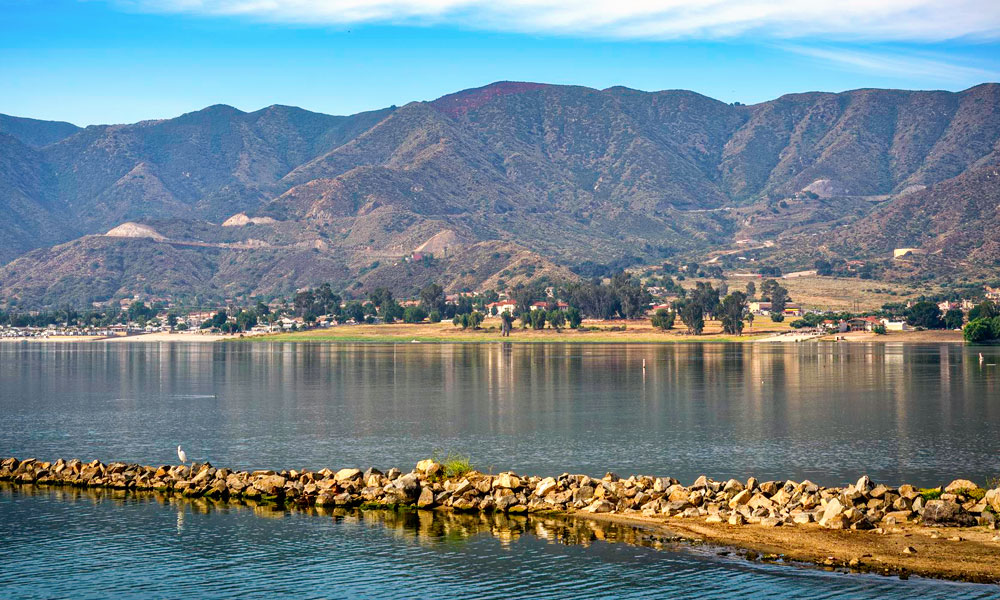
Lake Elsinore is strategically located in the southwestern portion of Riverside County, approximately 55 miles southeast of Los Angeles and about 60 miles north of San Diego. Its proximity to these major cultural and economic hubs makes it an accessible destination for day trips and longer stays alike. The city is situated within the San Jacinto Valley, a broad basin bordered by the San Jacinto Mountains to the east and the Santa Ana Mountains to the west. This geographical setting not only provides a stunning backdrop but also influences the region’s climate and recreational activities.

Major Transportation Networks
The accessibility of Lake Elsinore is greatly enhanced by its integration into Southern California’s extensive transportation network. The city is bisected by Interstate 15 (I-15), a major north-south freeway that connects it to the greater Los Angeles metropolitan area and points further south towards San Diego. This direct link facilitates easy travel for residents and visitors.
Additionally, State Route 74 (CA-74), also known as the Ortega Highway, runs east-west through the city, providing a scenic route over the Santa Ana Mountains to Orange County. This route is particularly popular for its dramatic vistas and access to outdoor recreation in the surrounding mountain ranges. Other arterial roads, such as Grand Avenue and Main Street, serve as key connectors within the city and to adjacent communities, including Wildomar and Canyon Lake.
For those traveling by air, the nearest major international airports are Los Angeles International Airport (LAX), San Diego International Airport (SAN), and Ontario International Airport (ONT). Palm Springs International Airport (PSP) is also a viable option for some travelers. Lake Elsinore also boasts its own municipal airport, Lake Elsinore Airport (L77), which caters to general aviation.
Proximity to Other Notable Destinations
The location of Lake Elsinore places it within a reasonable driving distance of numerous other popular Southern California attractions. Within an hour’s drive, visitors can access the theme parks of Anaheim, such as Disneyland Resort and Knott’s Berry Farm. The beaches of the Orange County coastline, including Laguna Beach and Huntington Beach, are also a popular draw.
Further afield, the desert landscapes of Palm Springs and the natural wonders of Joshua Tree National Park are accessible for longer excursions. The city’s central position within Southern California’s diverse geography makes it an ideal base for exploring the region’s varied offerings, from coastal towns to mountain retreats and desert vistas.
The Defining Feature: Lake Elsinore
The city shares its name with its most prominent natural landmark: Lake Elsinore. This large, natural freshwater lake is the largest natural lake in Southern California. Its presence has shaped the development and identity of the city, offering a focal point for recreation and a significant ecological resource. The lake’s water level can fluctuate significantly due to rainfall and evaporation, making its condition a topic of local interest and management.
Aquatic Recreation and Activities
The lake is the primary driver of tourism and local recreation in Lake Elsinore. Visitors and residents flock to its shores for a variety of water-based activities. Boating is a popular pastime, with opportunities for waterskiing, wakeboarding, and leisurely cruising. The lake also offers excellent conditions for fishing, with popular catches including bass, catfish, and bluegill.
For those who prefer to be on the water without a motor, kayaking, paddleboarding, and canoeing are readily enjoyed. The calm waters, particularly in the early morning and late afternoon, provide a serene environment for exploring the lake’s shoreline and observing its natural inhabitants. The city maintains several public access points and boat ramps, ensuring ease of entry for watercraft of all types.
Surrounding Natural Beauty and Parks
Beyond the lake itself, the environs of Lake Elsinore are characterized by a natural beauty that invites exploration. The surrounding hills and mountains offer opportunities for hiking and enjoying panoramic views of the valley. The city has several parks and open spaces that provide venues for outdoor activities, picnics, and relaxation.
One of the most notable natural attractions near Lake Elsinore is the Lake Elsinore State Recreation Area, which encompasses portions of the lake’s shoreline and provides facilities for boating, fishing, and camping. The nearby Cleveland National Forest also offers extensive opportunities for hiking, camping, and enjoying the wilderness, with trailheads accessible from the region.

Local Culture and Community Vibe
Lake Elsinore possesses a distinct community character shaped by its historical roots and its modern growth. Once a more laid-back, resort-style town centered around the lake, it has evolved into a larger suburban city while retaining elements of its original charm. This blend contributes to a unique local culture that values outdoor recreation and a close-knit community feel.
Historical Significance and Development
The history of Lake Elsinore is rich, dating back to Native American settlements in the area. Spanish explorers and Mexican ranchers later established a presence, and by the late 19th century, the area began to develop as a popular health resort due to its natural hot springs. The city was officially incorporated in 1888. Its name, “Elsinore,” is believed to be derived from a Danish novel by Hans Christian Andersen, reflecting the romantic aspirations of its early developers.
The growth of the city has been significantly influenced by its accessibility and the appeal of the lake. Over the decades, it has seen periods of boom and bust, often tied to water levels and regional development trends. Today, it is a growing city in Riverside County, attracting new residents drawn by its affordability compared to coastal cities and its abundant recreational opportunities.
Community Events and Local Life
The community of Lake Elsinore actively participates in local events and traditions that foster a sense of belonging. The city hosts various festivals, farmers’ markets, and community gatherings throughout the year, providing opportunities for residents and visitors to connect and experience the local flavor. These events often highlight the city’s connection to the lake and its outdoor lifestyle.
The downtown area, while evolving, still holds remnants of its historic past, with charming architecture and local businesses. The spirit of the community is often reflected in its support for local sports teams and its engagement with recreational activities. The city also has a growing arts and culture scene, with local galleries, performance spaces, and public art installations contributing to its cultural vibrancy.
Practical Information for Visitors
For those planning a visit or considering a move to Lake Elsinore, understanding the practical aspects of the area is essential. This includes information on accommodation, dining, and the best times to visit to enjoy its offerings.
Accommodation Options
Lake Elsinore and its surrounding areas offer a range of accommodation options to suit different preferences and budgets. While there are fewer large, chain hotels within the immediate city limits compared to larger metropolitan areas, visitors can find comfortable stays. These may include smaller, independent hotels and motels, as well as vacation rentals that provide a more private and home-like experience.
The proximity to larger cities means that travelers can also easily access a wide array of hotels, resorts, and vacation rentals in neighboring communities like Temecula, Murrieta, and even further afield in Orange County. For those specifically seeking a lakeside experience, looking for properties with lake views or direct access can enhance the visit. Camping is also an option for outdoor enthusiasts, particularly within the Lake Elsinore State Recreation Area and surrounding national forests.
Dining and Local Flavors
The culinary scene in Lake Elsinore offers a diverse range of dining experiences, from casual eateries to family-friendly restaurants and local favorites. Given its Southern California location, Mexican cuisine is a popular choice, with numerous taquerias and restaurants serving up authentic dishes. Seafood, reflecting the proximity to the coast, is also readily available.
For those seeking a more curated dining experience, the nearby city of Temecula is renowned for its burgeoning wine country, featuring numerous wineries with excellent restaurants that offer farm-to-table experiences and fine dining. Within Lake Elsinore itself, visitors can find classic American diners, pizza places, and cafes perfect for a relaxed meal. Exploring the local offerings provides a taste of the community’s character and culinary landscape.
Best Times to Visit
The ideal time to visit Lake Elsinore largely depends on the desired activities. The weather in Southern California is generally pleasant year-round, but summers can be quite hot, especially inland.
- Spring (March-May): This is a fantastic time to visit, with mild temperatures, blooming wildflowers in the surrounding hills, and the lake generally in good condition for water sports. Crowds are typically moderate.
- Summer (June-August): This is the peak season for water activities on the lake. Temperatures can soar, so planning outdoor excursions for early mornings or late afternoons is advisable. The lake is at its most popular during these months.
- Fall (September-November): Autumn offers pleasant temperatures, making it ideal for hiking and enjoying the outdoors without the intense summer heat. The lake remains accessible for recreation, and crowds begin to thin.
- Winter (December-February): While cooler, winter can still offer mild days perfect for enjoying the lake from the shore or for hiking. Rainfall is more common during this period, which can influence lake levels positively. This season offers a quieter, more relaxed experience.
Understanding the location and offerings of Lake Elsinore reveals a community rich in natural beauty, recreational opportunities, and a developing cultural identity, making it a noteworthy destination within Southern California.
LifeOutOfTheBox is a participant in the Amazon Services LLC Associates Program, an affiliate advertising program designed to provide a means for sites to earn advertising fees by advertising and linking to Amazon.com. Amazon, the Amazon logo, AmazonSupply, and the AmazonSupply logo are trademarks of Amazon.com, Inc. or its affiliates. As an Amazon Associate we earn affiliate commissions from qualifying purchases.