
The Golden State, a land of diverse landscapes and vibrant culture, often conjures images of sun-drenched beaches, towering redwood forests, and iconic cities. However, a significant aspect of California’s natural narrative, and one that profoundly impacts its tourism and local experiences, is the presence of wildfires. Understanding the current fire situation in California is crucial for travelers planning their itineraries, residents seeking to enjoy outdoor activities, and anyone interested in the state’s ecological dynamics. This article aims to provide insights into the ongoing fire landscape, focusing on how it influences tourism and local life, rather than just the immediate danger.
Understanding California’s Fire Season and Its Impact on Tourism
California’s “fire season” has historically been a period of heightened wildfire risk, typically from late spring through fall. However, climate change and increasingly arid conditions have blurred these lines, making wildfires a year-round concern in many regions. For the tourism industry, this reality necessitates careful planning and communication. Areas prone to significant wildfire activity can experience disruptions, including road closures, evacuation orders, and air quality advisories that can deter visitors.
Planning Your California Adventure Amidst Fire Concerns
When planning a trip to California, it’s essential to stay informed about current wildfire conditions. Numerous resources are available to help travelers make informed decisions.
Monitoring Fire Information
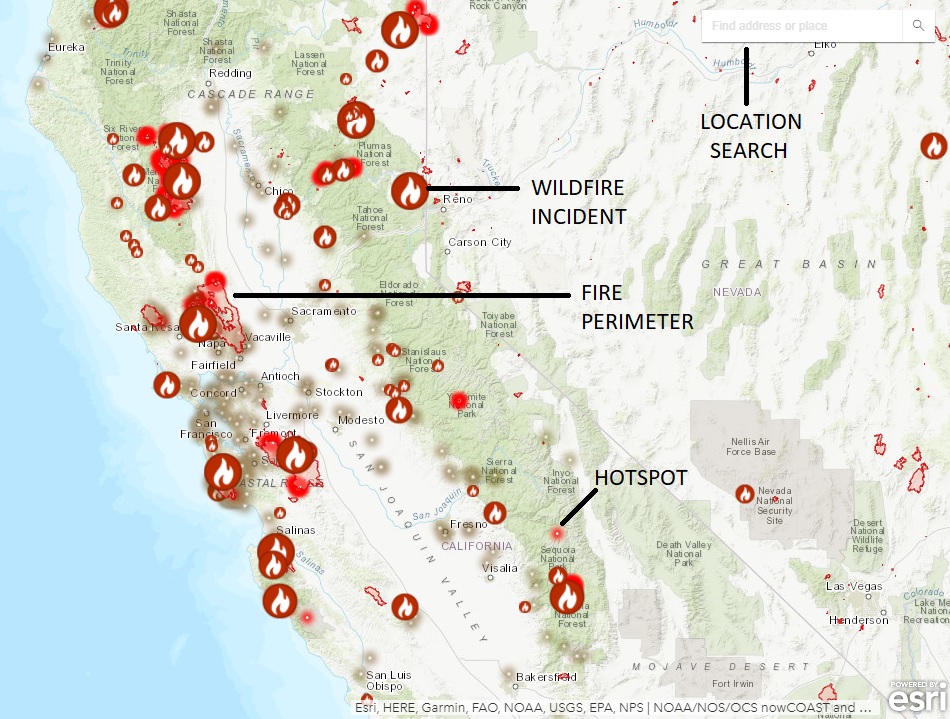
- Cal Fire Incident Page: The official website of Cal Fire, California’s state firefighting agency, provides real-time information on active incidents, including maps, containment percentages, and evacuation zones. This is the primary source for accurate, up-to-the-minute details.
- Air Quality Index (AQI): Wildfires produce smoke that can travel hundreds of miles, significantly impacting air quality. Websites like AirNow.gov offer current AQI readings across the state, allowing travelers to gauge the air quality in their intended destinations and plan accordingly. Poor air quality can ruin outdoor activities and pose health risks.
- National Park Service (NPS) Alerts: For those planning visits to national parks like Yosemite National Park, Sequoia and Kings Canyon National Parks, or Joshua Tree National Park, checking the respective NPS websites for alerts and closures is paramount. Fire activity can lead to temporary or extended park closures, affecting access to popular attractions and hiking trails.
Adapting Itineraries
Being flexible with travel plans is key. If a planned destination is experiencing significant fire activity or smoke, having backup options can ensure a fulfilling trip.
- Coastal vs. Inland: Coastal regions of California, particularly in the southern part of the state, may sometimes be less affected by inland fires due to prevailing winds. However, coastal fires are also a reality.
- Urban Exploration: Major urban centers like Los Angeles and San Francisco often have better air circulation and infrastructure to manage disruptions compared to more remote wilderness areas. Exploring museums, cultural sites, and dining experiences in these cities can be a viable alternative.
- Resort Stays: Many resorts, especially those in controlled environments or with robust air filtration systems, can offer a comfortable retreat even when surrounding areas are experiencing smoke.
The Interplay Between Wildfires and Local California Culture & Activities
Wildfires are not just a meteorological event; they are deeply intertwined with California’s identity, culture, and the very fabric of its local communities. The impact extends far beyond the immediate physical destruction, influencing everything from agricultural practices to recreational opportunities.
Experiencing California’s Resilience and Natural Beauty

Despite the challenges posed by wildfires, California’s natural beauty and cultural offerings remain resilient. Many communities and natural areas quickly recover and adapt, offering unique experiences that often highlight the state’s capacity for regeneration.
Outdoor Activities and Fire Impact
- Hiking and Camping: Trails and campgrounds in areas affected by fires may be temporarily closed. However, many regions remain accessible, and the post-fire landscape can offer a unique perspective on ecological succession. Monitoring conditions is vital before embarking on outdoor adventures. For instance, areas around the Sierra Nevada might experience closures, prompting exploration of the Coastal Ranges or the deserts.
- Beaches and Water Sports: While inland fires can generate smoke that reaches coastal areas, beach destinations like those in San Diego or Santa Barbara often remain viable options, offering a chance to enjoy the Pacific Ocean. Surfing, kayaking, and simply relaxing by the sea can provide an escape.
- Wine Country: Regions like Napa Valley and Sonoma County have faced significant challenges from wildfires. While some vineyards may have been impacted, many wineries continue to operate. Visitors can still enjoy wine tastings and the picturesque scenery, often with a renewed appreciation for the land’s resilience. It’s advisable to check individual winery websites for operational status.
Cultural Adaptations and Community Spirit
California’s diverse communities often demonstrate remarkable spirit in the face of fire. Local festivals and events may be altered or rescheduled, but they also often serve as a testament to community strength and collective resilience. Supporting local businesses, especially those that have been affected, can be a meaningful way for travelers to contribute to the recovery efforts. Engaging with local guides and tourism operators can provide invaluable, up-to-date information and insights into the current local conditions.
Beyond the Flames: Exploring California’s Enduring Attractions
While understanding the current fire situation is crucial for safety and planning, it’s important not to let the narrative of wildfires overshadow the incredible array of attractions and experiences California offers. Many parts of the state remain unaffected, and even in fire-prone areas, opportunities for exploration and enjoyment often persist.
Iconic Destinations and Fire Resilience
California’s most famous landmarks and attractions are often managed with robust safety protocols, though they can still be impacted by extreme fire events.
National Parks and Natural Wonders
- Yosemite National Park: Famous for its granite cliffs, waterfalls, and giant sequoia trees, Yosemite is a major tourist draw. While smoke from distant fires can sometimes affect visibility and air quality, the park’s infrastructure is designed to manage such events. Specific areas within the park might face closures, so checking the NPS website is always recommended.
- Death Valley National Park: This extreme desert landscape, known for its stark beauty and record-breaking temperatures, is often less directly threatened by typical vegetation fires compared to forested areas. However, access can still be impacted by road closures due to fire activity in surrounding regions.
- Big Sur: The dramatic coastline of Big Sur along Highway 1 is a legendary scenic drive. While landslides are a more common disruption here, wildfires have also impacted sections of this area in the past, leading to closures of State Parks like Julia Pfeiffer Burns State Park. Travelers should always verify the status of Highway 1 before visiting.

Urban Exploration and Cultural Hubs
California’s cities offer a wealth of attractions that are generally less susceptible to direct wildfire impact, though smoke can affect the ambiance.
- San Francisco: Visitors can explore the Golden Gate Bridge, Alcatraz Island, and the vibrant neighborhoods like Chinatown and North Beach. Museums and culinary experiences in San Francisco are typically unaffected by remote fire activity.
- Los Angeles: The entertainment capital offers iconic sites like the Hollywood Walk of Fame, Griffith Observatory, and numerous world-class museums. While the surrounding hills can be prone to fires, the core urban attractions are usually accessible.
- San Diego: Known for its beautiful beaches, Balboa Park, and the famous San Diego Zoo, San Diego often provides a reliable tourist experience even when other parts of the state are dealing with fires.
By staying informed and maintaining a degree of flexibility, travelers can continue to experience the diverse beauty and vibrant culture that California has to offer, navigating any challenges posed by its dynamic natural environment with confidence and preparedness. The key is to approach travel with an informed perspective, leveraging readily available resources to ensure a safe and enjoyable journey.
LifeOutOfTheBox is a participant in the Amazon Services LLC Associates Program, an affiliate advertising program designed to provide a means for sites to earn advertising fees by advertising and linking to Amazon.com. Amazon, the Amazon logo, AmazonSupply, and the AmazonSupply logo are trademarks of Amazon.com, Inc. or its affiliates. As an Amazon Associate we earn affiliate commissions from qualifying purchases.